
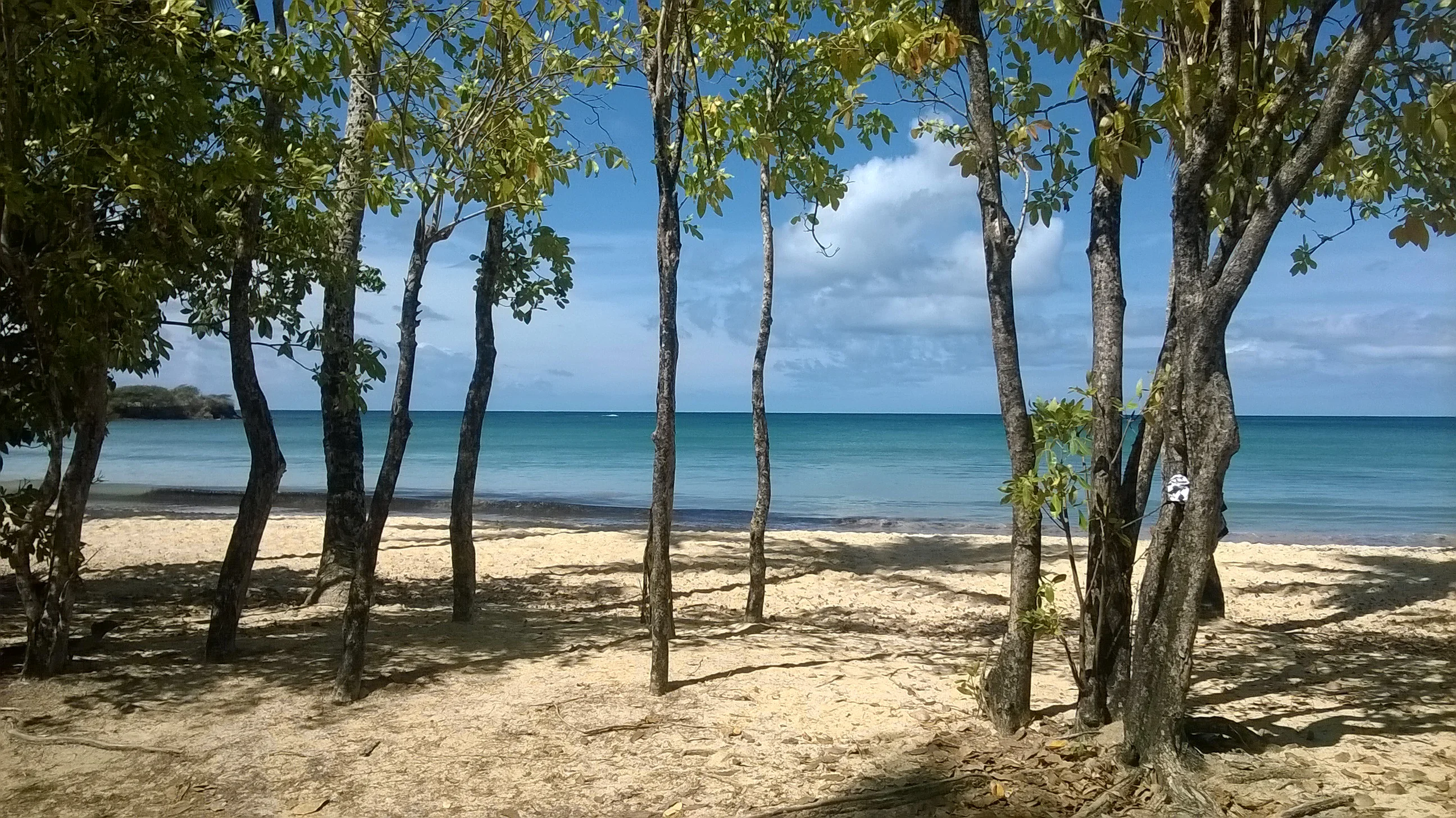
Sainte-Anne, postcard Martinique
Two million visitors a year. That number is staggering when you consider that Sainte-Anne has barely 5,000 permanent residents. Martinique's southernmost municipality draws crowds for one simple reason: this is home to the Salines Beach, a mile-long stretch of white sand lined with coconut palms that has made the rounds of travel agencies worldwide.
Reducing Sainte-Anne to that single image would be a mistake. Behind the postcard icon lies a lively Creole village, dramatic hiking trails, and a dining scene that deserves far more than just a quick day trip from the beach.
Sainte-Anne: a beach paradise, but not only that
If you dream of white sand beaches, turquoise water, and perfectly aligned coconut palms, Sainte-Anne checks every box. The area packs in the highest number of beaches in all of Martinique. Families with children will find ideal swimming conditions here: calm water, shallow depths, and plenty of nearby restaurants and lolos. Sunseekers will be in their element.
On the flip side, anyone fleeing tourist hotspots might groan, especially on weekends at Les Salines. The parking lot overflows, street vendors parade by, and finding a patch of shade becomes a sport. The town also lacks nightlife in the traditional sense. If you are looking for wild, mountainous Martinique, the northern part of the island will suit you better.
A French destination with zero paperwork
Since Martinique is an overseas department of France, US and Canadian visitors need a valid passport, while EU citizens can travel on an ID card. French is spoken everywhere, with Creole on the side. Practically speaking, a car is nearly essential: buses exist, but their schedules are unpredictable. Expect around $57* for a pre-booked taxi from the airport, or double that on the meter.
A comfortable yet manageable budget
Sainte-Anne is not the cheapest destination in Martinique, but it remains accessible. Expect between $79 and $169* per night for a guesthouse or rental, $17 to $29* for a full Creole meal, and $5.70* for parking at Pointe Marin. Beaches are free, and the best hikes cost nothing.
Beaches: from myth to reality
The Grande Anse des Salines earns its reputation. This perfect golden sand crescent stretches for over a mile, bordered by a century-old coconut grove. The water is clear and shallow, ideal for children. The magic works best on weekdays and early mornings. On weekends, locals flock here in droves for family picnics, and the atmosphere sometimes turns into a giant village fair. Behind the beach, the Étang des Salines offers a quiet alternative: a boardwalk trail winds through the mangrove swamp where you can spot egrets, fiddler crabs, and ospreys.
Friendly tip: arrive before 9 AM at Les Salines if you want a shaded spot. The parking lot fills up fast. If you show up on a Sunday afternoon, turn around and head for Anse Trabaud instead, which is wilder and less accessible.
Pointe Marin, closer to town, offers a family-friendly alternative. The water is even calmer, restaurants are plentiful, and the sunsets are spectacular. Parking is paid but convenient. Anse Caritan, quiet and shallow, appeals to families seeking peace and quiet. Meanwhile, constant winds at Anse Michel make it a favorite playground for kitesurfers and windsurfers.
La Trace des Caps: hiking facing the Atlantic
Sainte-Anne is not just a beach resort. The Trace des Caps trail, one of Martinique's most iconic hikes, starts right here. This 34-kilometre coastal path hugs the Atlantic coast through strikingly varied landscapes: white sand dunes, wave-battered cliffs, mangroves, and arid savannas.
You do not need to do the whole thing. A 2 to 3-hour stretch is enough to reach the Savane des Pétrifications, a desert plateau with a lunar look that clashes violently with the rest of the island. Cracked soil, stunted trees, and an almost total lack of vegetation create an almost surreal atmosphere. It is one of the oldest geological sites in Martinique.
Friendly tip: head out early in the morning with at least 2 litres of water per person. The sun beats down hard, and shade is scarce on certain sections. This hike is not a loop, so arrange a taxi or carpool for the return trip.
The village of Sainte-Anne: beyond the beach
The village is worth exploring. Brightly colored Creole houses line quiet streets. The Notre-Dame de Sainte-Anne church, listed as a historic monument, is one of the oldest in Martinique. Built in the 18th century, destroyed by a hurricane in 1817, rebuilt, and later expanded, it bears witness to the island's turbulent history. Just behind it, the Calvaire de la Salette draws over 5,000 pilgrims every September 19th.
The Sainte-Anne market brings the town to life several mornings a week. Tropical fruits, spices, local crafts: it is the ideal spot to pick up colombo powder, bourbon vanilla, or guava jam. The vibe remains laid-back, far from the tourist frenzy of the beaches.
Where to eat and drink in Sainte-Anne?
The local food scene oscillates between beach lolos and more refined spots. Lolos, those small casual spots right on the sand, serve grilled fish accompanied by the famous sauce chien flavoured with local seasoning peppers. La Cour Créole, in the heart of town, serves daily specials based on what came in from the market: chicken colombo, avocado feroce, octopus fricassee. Containers are entirely recyclable, and takeout service lets you grab your meal to go for the beach.
Chez Gracieuse, near Cap Chevalier, is an institution for family-style Creole cooking. Gracieuse's platter brings together accras, boudin sausage, stuffed crab, crayfish, and half a lobster. They even deliver to Îlet Chevalier for your picnics. Le Delim's, a more contemporary spot, serves fusion cuisine crafted by chef Marie-Claude. Her cocktails made with AOC Martinique rum and house liqueurs are well worth trying.
Where to stay in Sainte-Anne and the surrounding area?
Classic hotel options remain limited. Club Med Les Boucaniers occupies Pointe Marin and offers an all-inclusive setup with a private beach, but it comes at a price. The real strength of Sainte-Anne lies in its gites and local home rentals. Résidence Anoli Lodges, up on the hills, offers sweeping views of the bay. Terres d'Ô offers 15 varied seasonal rentals ranging from studios to larger apartments.
The Cap Chevalier area, a few minutes from town, concentrates quieter accommodations with pools and sea views. Expect between $79 and $169* a night depending on the season. Book several weeks in advance between December and April, which is peak season when the best spots go fast.
How to get to and around Sainte-Anne?
Aimé Césaire International Airport in Le Lamentin has nonstop service from Miami and Montreal, and reaches Paris in 8.5 hours. Sainte-Anne is about 40 kilometres south, which takes 45 minutes to an hour by car depending on traffic. Car rental is strongly recommended, with agencies at the airport and in town. Expect $34 to $57* per day depending on the season.
Taxicos, those shared minibuses without fixed schedules, connect Fort-de-France to Sainte-Anne for about $7.90*, but their frequency is unpredictable. From the airport, a taxi costs around $57* if booked in advance, or up to $102* on the meter. Once you are there, the town is easy to explore on foot, but a car is still essential for reaching the various beaches and hiking trails.
When to go?
The dry season, from December to April, offers the best conditions: fewer showers, pleasant temperatures around 28°C, and calm seas. This is also peak tourist season, and prices reflect it. The period from June to August can be a good compromise, with softer rates even if a few tropical showers punctuate the days.
Avoid September and October, the heart of the hurricane season, when some establishments close and weather conditions can be unpredictable.
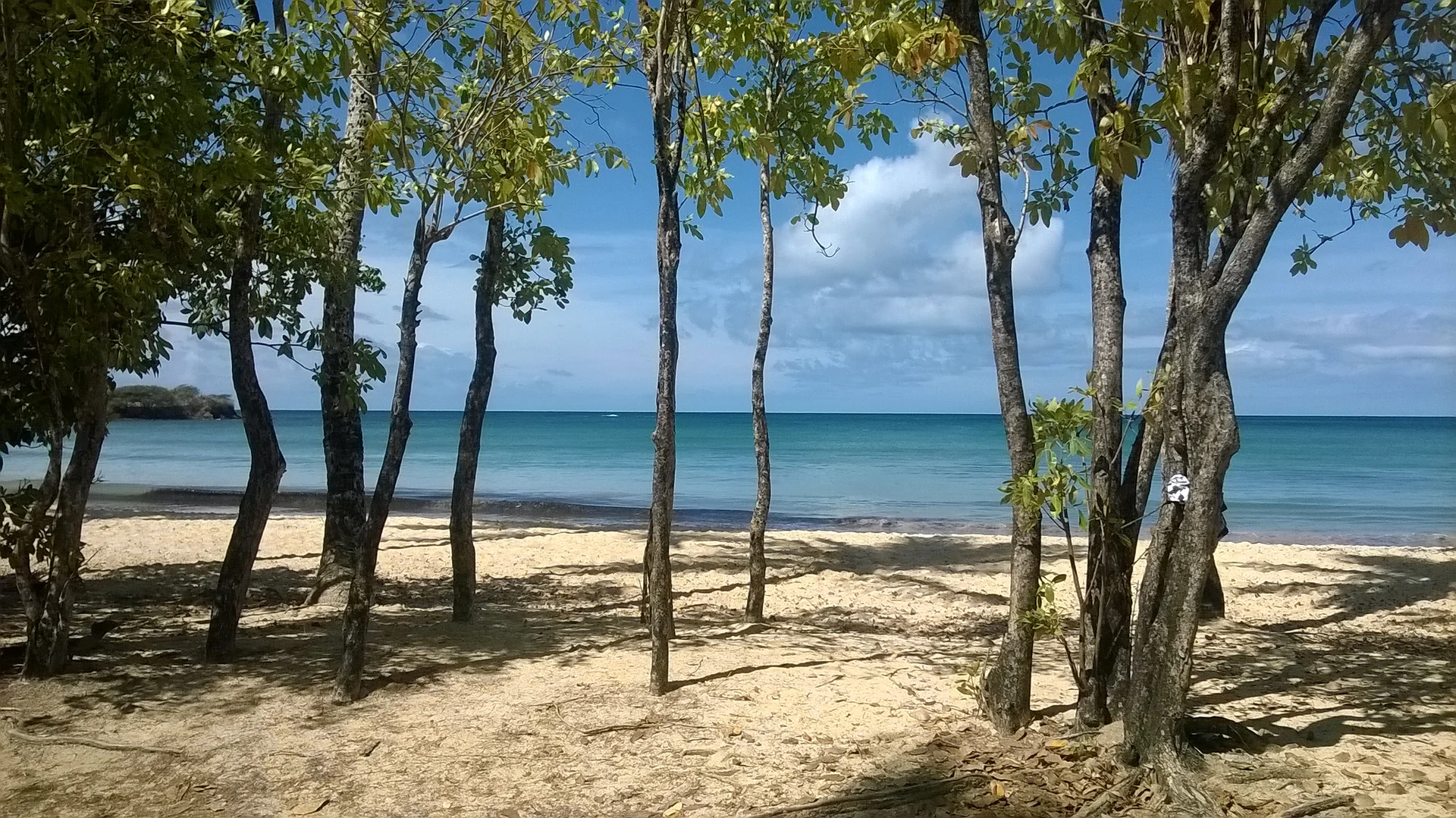
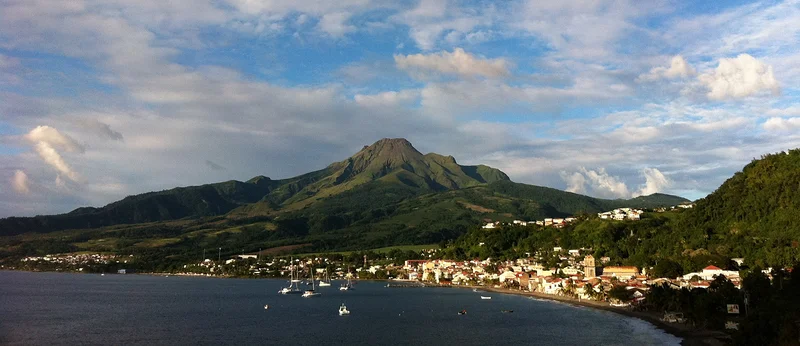
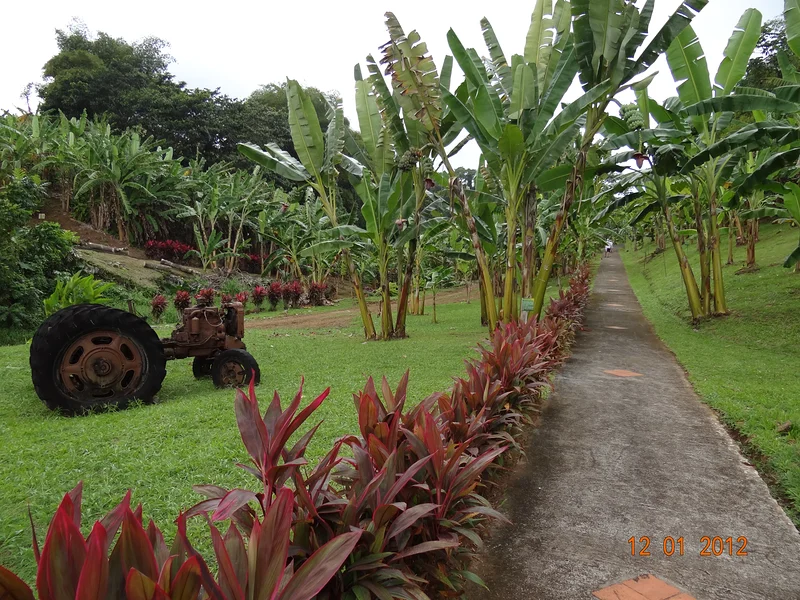
Located on the southern tip of Martinique, Sainte-Anne is every bit the postcard village, with its picturesque alleys and houses, and beaches and coves with crystal-clear water. By getting off the beaten path, or by taking a boat, you can find spots or even small islands that are a little less crowded.
You can easily consider renting a place there for a week and enjoying the Caribbean.