
Sainte-Marie: Where Martinique tells its origin story
The sound of drums echoes from the hills. Somewhere above the town, a weaver braids aroman plant fibers just as the Caribs did five centuries ago. Below, a sandbar appears and vanishes with the currents, connecting the mainland to an islet heavy with the history of sugar. Sainte-Marie is not your typical tropical postcard. It is the beating heart of Martinican identity, where Creole traditions are still passed down from generation to generation.
Sainte-Marie: The cradle overlooked by hurried travelers
This town of 17,500 residents on the Atlantic coast does not attract the crowds that flock to the southern beaches. That is a good thing. Sainte-Marie is for the curious who want to understand Martinique rather than just tan. People come here for Saint-James rum, bèlè, and colonial history in all its complexity. Beachgoers will be disappointed, as the Atlantic Ocean is too rough here for most swimming.
If you are looking for lined-up loungers and stereotypical coconut trees, you will find better options elsewhere in Martinique. However, if the idea of crossing a tombolo at low tide, learning to braid Caribbean straw, or walking in the footsteps of Père Labat interests you, you are in the right place.
A no-frills destination
Sainte-Marie is a rural, working-class town. The welcome is warm, but tourist infrastructure remains modest. There are few hotels and plenty of private vacation rentals. Shops close early, and some restaurants only accept cash. French is the primary language, with Creole used everywhere. A rental car is essential for exploring the surroundings.
A reasonable budget for Martinique
Expect to pay 60 to 120 euros ($65, $130) per night for decent lodging and 15 to 30 euros ($16, $32) for a hearty Creole meal. The main attractions are free or very affordable. The Musée du Rhum costs nothing, and the Train des Plantations is 8 euros ($9). It is one of the most wallet-friendly areas on the island.
The Tombolo and the Îlet Sainte-Marie
This is the phenomenon that made the town famous. From January to April, a 200-meter strip of sand emerges from the water, allowing you to walk to the Îlet Sainte-Marie. The tombolo vanishes for the rest of the year due to shifting currents. The sight is reminiscent of Mont Saint-Michel, Caribbean style.
The islet itself preserves the remains of an old sugar port where a railway once loaded rum barrels in the early 20th century. A marked trail allows you to walk around it in an hour. Note that from July to November, access is prohibited to protect the nesting grounds of the Roseate Tern.
Friendly tip: Swimming is strictly prohibited around the tombolo. The currents are treacherous and have cost lives. Check with the tourist office or local fishermen before crossing.
The Rum Route: Saint-James and Père Labat
The Distillerie Saint-James sits in the heart of Sainte-Marie in an elegant 1875 colonial house. Its museum traces the history of Martinican agricultural rum through engravings, vintage stills, and a vintage cellar dating back to 1885. Admission and tastings are free. During the harvest season, from March to June, guided tours of the working factory are available for 5 euros ($5.50).
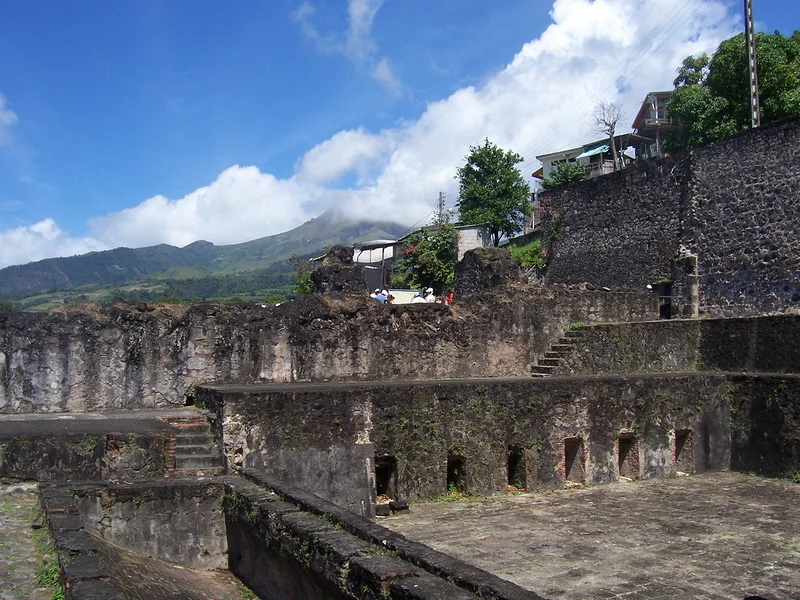
A few miles away, the Habitation Fonds Saint-Jacques tells another side of this history. This Dominican monastery founded in 1658 was administered by Père Labat, the missionary who perfected rum distillation techniques. The site, listed as a historical monument, now houses a cultural center and a rare slave cemetery discovered during archaeological excavations in 1992. Admission is 2.50 euros ($2.75).
Friendly tip: The Train des Plantations that connects the distillery to the cane fields is worth the trip, but check the schedule before you go. Departures are only in the morning, and the ride is shorter than official marketing suggests.
Living culture and traditions
Sainte-Marie is considered the cradle of bèlè, a traditional dance born on sugar plantations. The Maison du Bèlè, opened in 2003 in the Reculée district, preserves this art form that blends drumming, Creole singing, and quadrille dancing. Introductory workshops are available by reservation, and performances take place throughout the year.
At Morne des Esses, the Vannerie Paille Caraïbe maintains skills inherited from the Kalinago people. Two local plants, cachibou and aroman, are braided using techniques preserved for centuries. Only a handful of weavers still practice this art. You can watch them work and even try your hand at braiding.
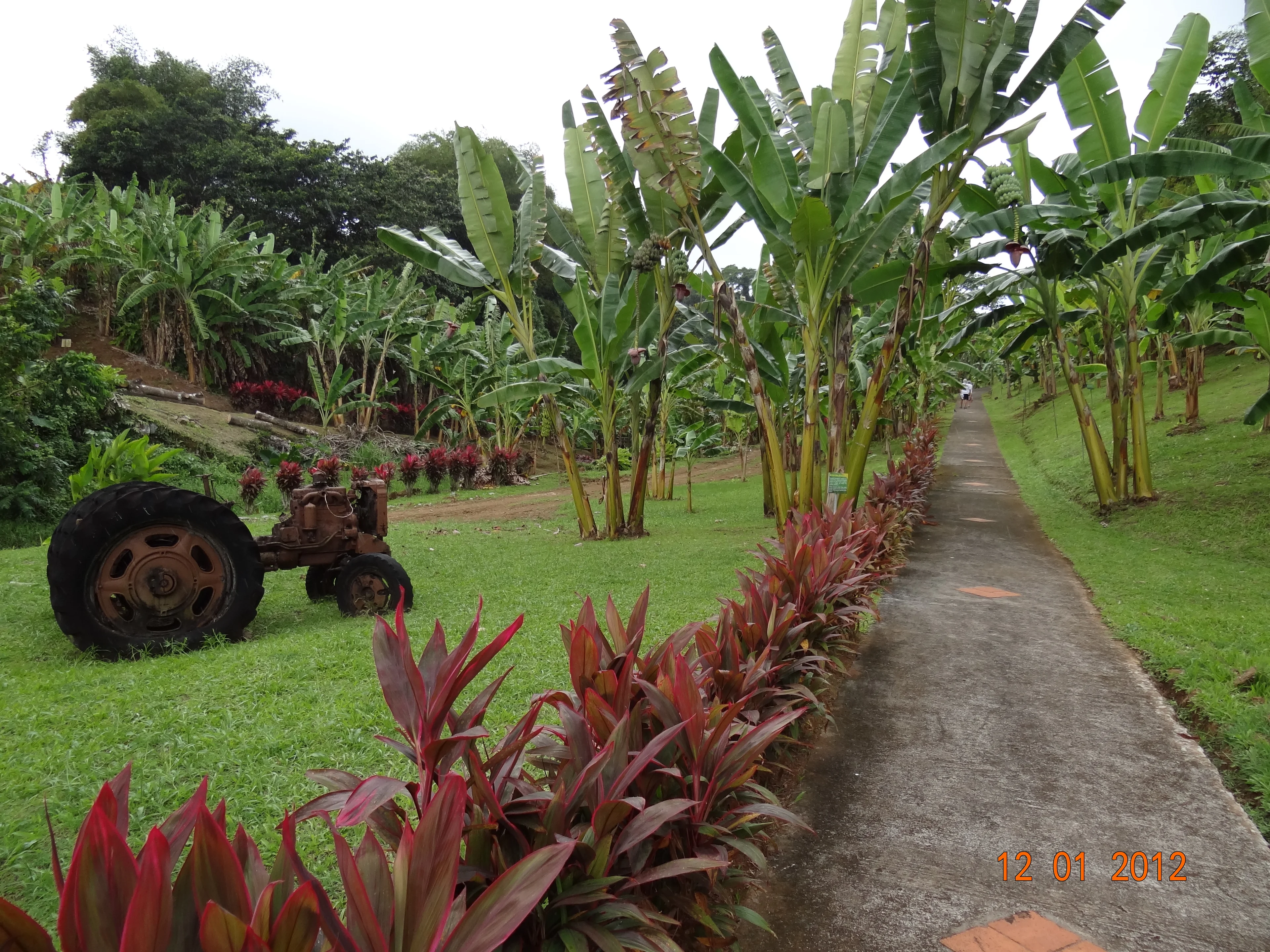
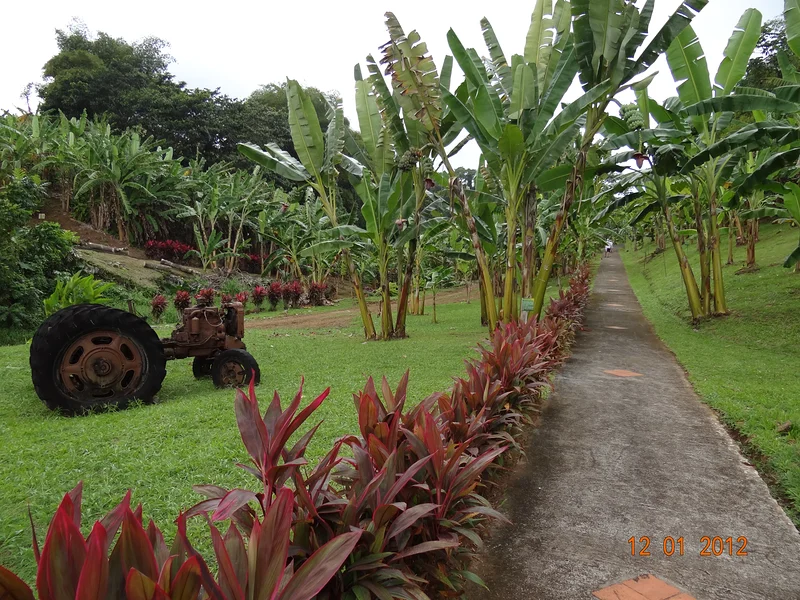
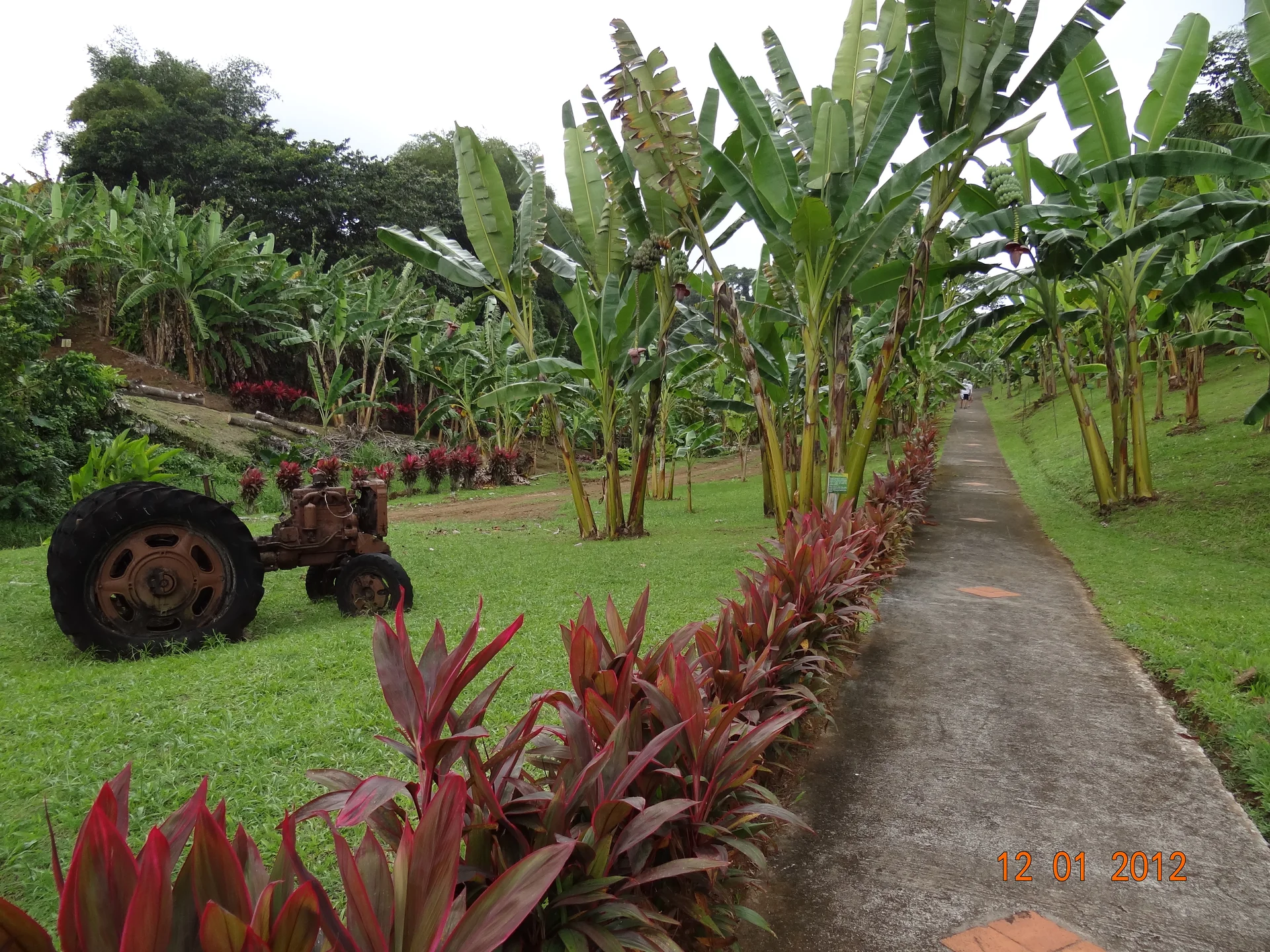
The Musée de la Banane, located at Habitation Limbé, rounds out this cultural overview. Four hectares of gardens showcase 55 varieties of banana trees, and an exhibition traces the history of the fruit that became a pillar of the local economy after the decline of sugar.
Where to eat and drink in Sainte-Marie?
Sainte-Marie's gastronomy is renowned across the island. The Restaurant Le Point de Vue, at Anse Charpentier, has served uncompromising Creole cuisine for nearly 30 years: chicken colombo, octopus fricassee, and crayfish in Creole sauce. Its Caribbean-style thatched roof and view of the Pain de Sucre rock formation make it worth the detour.
Inside the distillery grounds, the Restaurant Le Saint-James offers refined Caribbean cuisine with a dinner-dance on Sundays. The North Beach Tombolo, facing the tombolo, features revisited Creole dishes in a more contemporary setting. Reservations are recommended.
Where to stay in and around Sainte-Marie?
Sainte-Marie has almost no traditional hotels. Lodging is primarily through private vacation rentals. You will find studios and apartments starting at 60 euros ($65) per night, often with sea views and pool access. The Morne des Esses and Fonds Saint-Jacques neighborhoods offer a countryside setting.
For more options, look toward La Trinité or Tartane, less than 15 minutes away by car. The French Coco hotel in La Trinité offers a higher standard for those seeking more comfort.
How to get there and get around?
From Aimé Césaire Airport, expect a 45-minute drive via the N1 highway toward Trinité, then Sainte-Marie. Renting a vehicle is nearly essential, as public transportation exists but remains infrequent. Lines 21, 22, and 25 of the Martinique Transport network serve the town from Fort-de-France for about 2 euros ($2.20) per trip.
For US travelers, flights typically connect through major hubs like Miami or San Juan. Keep in mind that you are entering a French overseas territory, so ensure your passport is valid for the duration of your stay.
When to go?
The dry season, from December to April, is ideal. It is also the only time the tombolo is accessible. To see the Saint-James distillery in operation, aim for March to June. Avoid the hurricane season from August to October, when you may encounter frequent rain, rough seas, and closed businesses. The Sainte-Marie Carnival, in February or March, offers a festive immersion into local traditions.
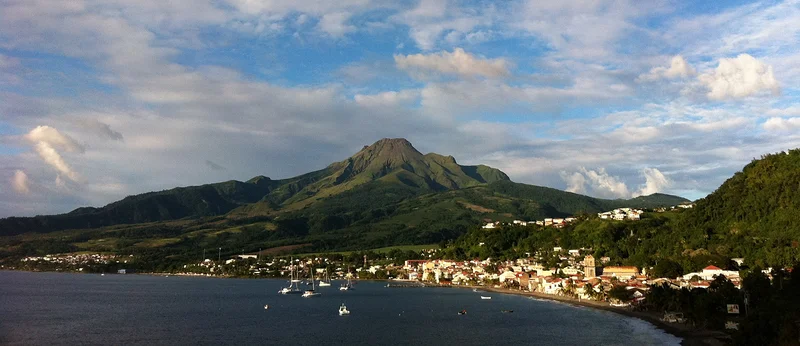
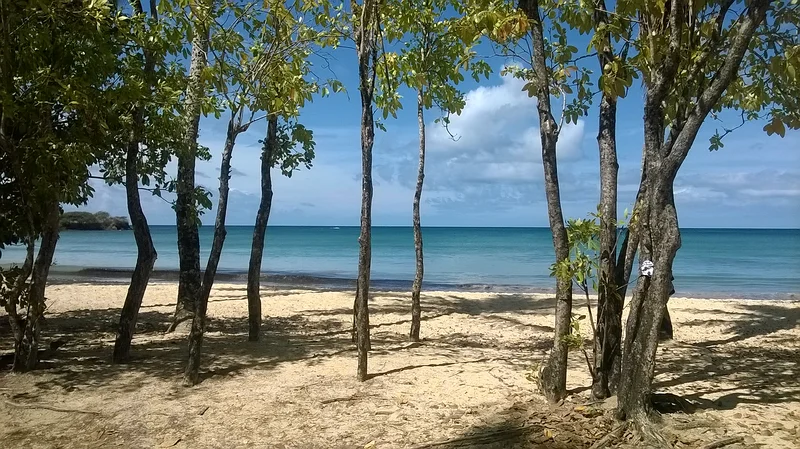
If you want a little immersion into the history of Martinique, its culture, and its culinary specialties, Sainte-Marie offers a nice opportunity. It is a town of wide open spaces, very green, and focused just as much on agriculture as it is on tourism.