
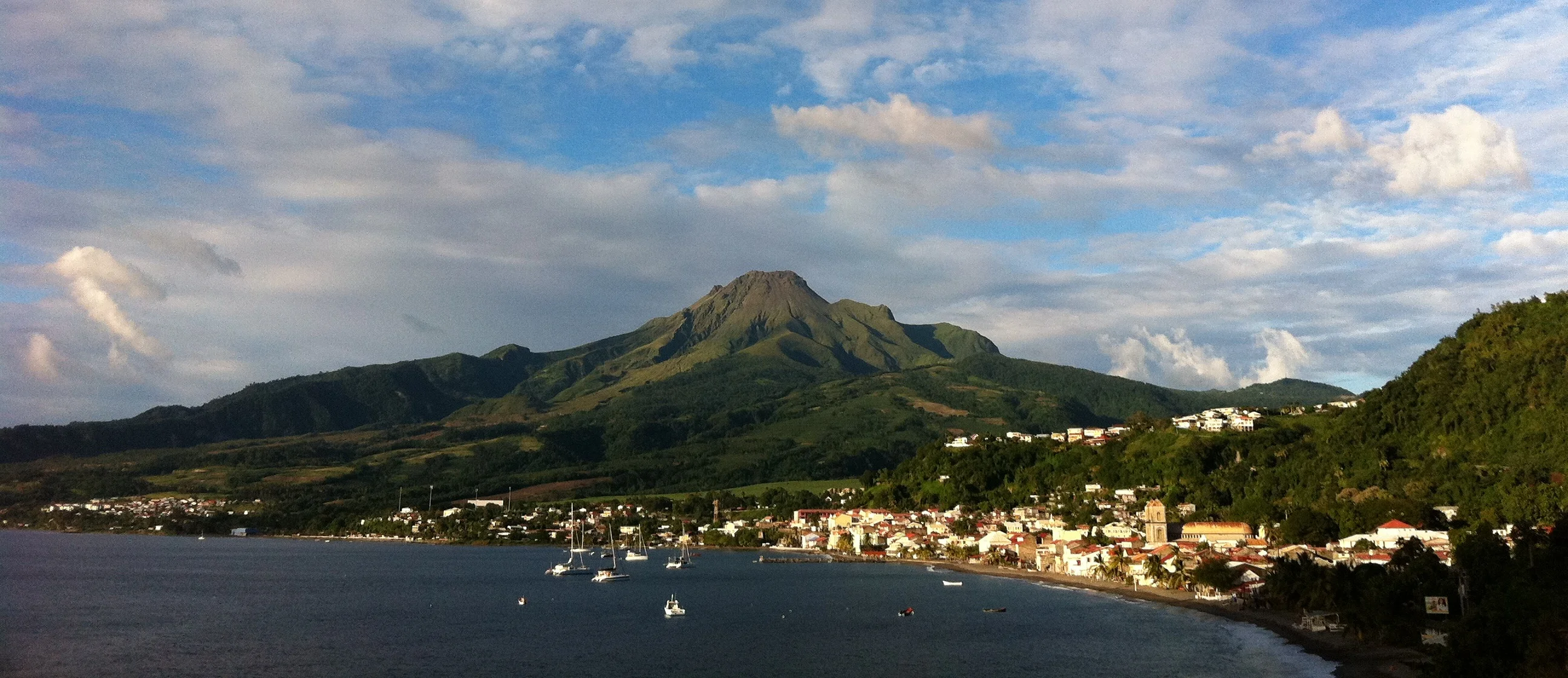
Fort-de-France: The Rebellious Capital of the French Caribbean
The scent of freshly ground coffee mixes with the aroma of colombo spices drifting from the kitchens of the Grand Marché. It is 7 am, and vendors are already arranging pyramids of spices on the stalls of this century-old market hall.
Welcome to Fort-de-France, a city that resembles no other Caribbean capital. Here, bakeries stand shoulder to shoulder with infused rum vendors, colonial architecture converses with 1960s brutalist concrete, and a headless statue bears witness to a memory that refuses to be forgotten.
An Urban Stopover in a Natural Island
Fort-de-France is not the Martinique of postcards. The city appeals to those who appreciate the organized chaos of Caribbean capitals, the bustling energy of markets, and imperfect yet authentic architecture. If you are only looking for beaches and palm trees, you might be disappointed by its congested streets and urban waterfront.
On the other hand, if you want to understand the Creole soul before heading off to Les Salines or the northern distilleries, give it half a day. Locals are proud of their city, and the language barrier is real: French is essential, while English is extremely rare outside tourist zones. The Baie des Flamands, ranked among the most beautiful bays in the world alongside San Francisco and Ha Long, is well worth the detour on its own.
Comfortable Budget to Expect
Fort-de-France displays European prices, sometimes higher than Paris. Expect $88 to $132* per day for a couple: $66-$99* for decent lodging, $17-$28* per meal at a restaurant, and $7.70* round-trip for the ferry across to the beaches of Les Trois-Îlets.
The Historic Center: Heritage and Living Memory
The heart of Fort-de-France can be explored on foot in a few hours. Start with the Bibliothèque Schoelcher, a pastel building that looks like a giant birdcage. Designed by architect Pierre-Henri Picq for the 1889 Paris Universal Exposition, it was disassembled and then reassembled piece by piece in Martinique. Inside, thousands of books were bequeathed by Victor Schoelcher, a leading figure in the abolition of slavery. Admission is free, but keep quiet because it is an active library.
Just steps away, the Cathédrale Saint-Louis points its metal bell tower toward the sky. This neo-Gothic iron structure, designed by Pierre-Henri Picq just like the neighboring library, has been rebuilt six times in the same spot following earthquakes and hurricanes. It embodies local resilience better than any other monument.
Friendly tip: At La Savane park, look for the empty plinth of Empress Josephine's statue. Decapitated in 1991, smeared with red paint, and finally pulled down in 2020 by activists, it reflected the anger of Martinicans toward someone believed to have encouraged the reinstatement of slavery. It is a powerful symbol that official guides sometimes prefer to ignore.
The Grand Marché and Rue Garnier-Pagès: Creole Buzz
The Grand Marché couvert, inaugurated in 1885 and later rebuilt following a fire and a hurricane, remains the commercial lungs of the city. Under its large metal and glass hall, vendors offer vanilla, hot peppers, bois bandé, infused rums with secret recipes, and the famous bakoua hats made of braided straw. Food stalls serve crispy accras de morue (cod fritters) and spiced colombo de poulet (chicken colombo) starting early in the morning.
After the market, walk up rue Garnier-Pagès, a pedestrian thoroughfare lined with colorful shops. It is the premier shopping district, where street art rubs shoulders with rum shops and Creole jewelry stands. The vibe is lively without being overwhelming.
Fort Saint-Louis and the Waterfront: Bay Views
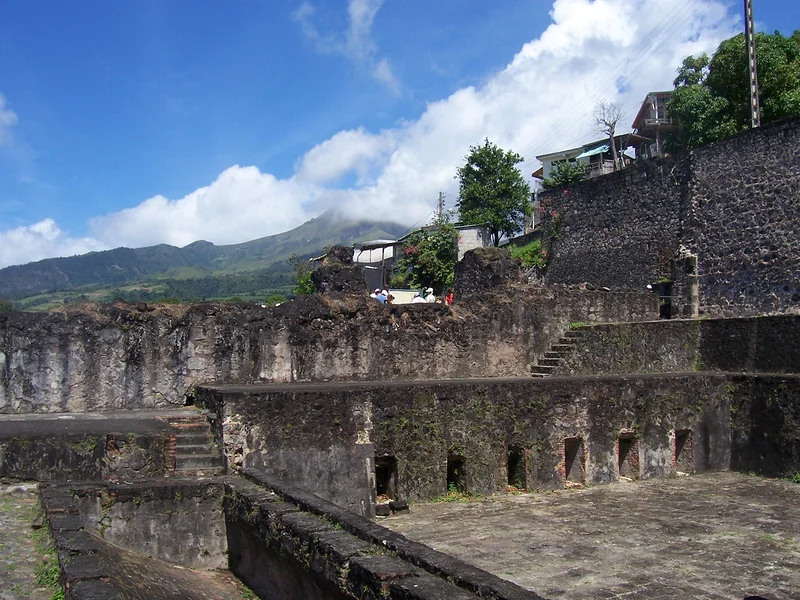
Fort Saint-Louis, a 17th-century fortress still operating as a naval base, dominates the bay from its rocky promontory. Guided tours let you explore the ramparts and bastions while taking in panoramic views of the Caribbean Sea. Reservations are required at the tourism office, costing about $11* per person and lasting roughly one hour.
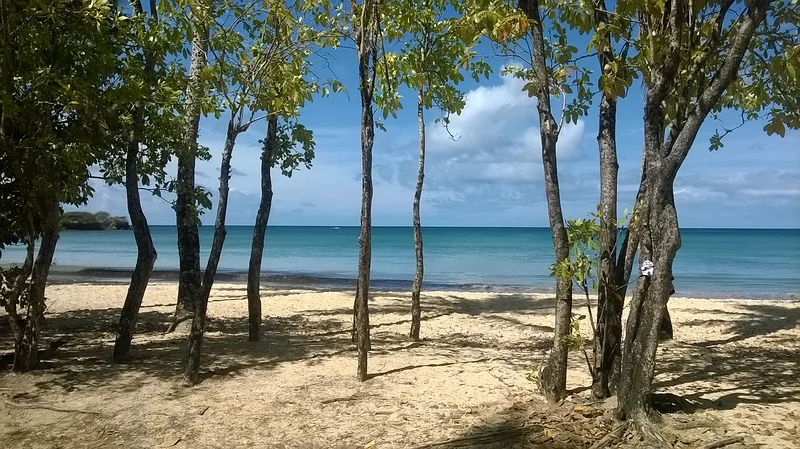
The Malécon, the waterfront promenade, offers an enjoyable walk dotted with murals detailing Martinican history. It ends at Plage de la Française, a small cove of golden sand at the foot of the fort. While modest, it is a great spot to cool off between sights without leaving downtown.
Balata and the Heights: The Green Lung
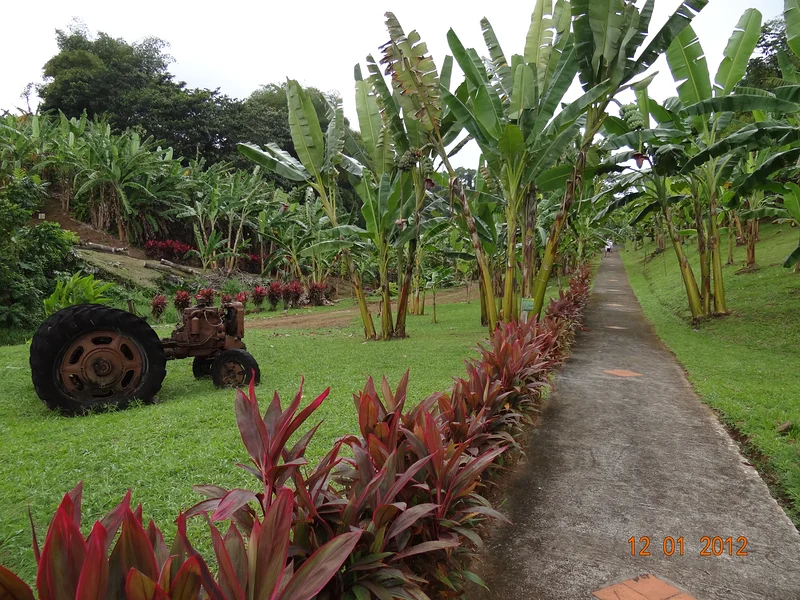
Ten kilometers from downtown, the Jardin de Balata is well worth the detour. This private botanical garden shelters over 3,000 species of tropical plants, suspension bridges 15 meters high crossing a bamboo forest, and winding paths among heliconias and balisiers. Plan for a 90-minute visit and arrive early to avoid cruise ship crowds.
On the way, stop by the église du Sacré-Cœur de Balata, a one-fifth scale replica of the Montmartre basilica in Paris. Perched on Morne Savon, it offers a striking panorama of Fort-de-France and lights up every evening starting at 6 pm.
Where to Eat and Drink in Fort-de-France?
The Foyalais culinary scene swings between Creole lunch counters and fine dining. At the Grand Marché, Chez Carole has spent years serving piping-hot cod fritters and generous colombo dishes in a family-friendly atmosphere. The owner speaks English and welcomes guests like close friends. For a more relaxed lunch, The Yellow on rue Victor Hugo offers modern twists on Creole cooking within a renovated historic setting.
In the evening, Le Dôme at the top of the Karibea Valmenière hotel delivers a 280-degree panoramic view of the bay, making it ideal for a romantic dinner. Seafood lovers should head straight to Le Galanga Fish Bar for its ceviches and tartares. For a simple coffee near the park, the Bernard's Coffee kiosk pours one of the best espressos in the Caribbean.
Where to Stay in Fort-de-France and Around?
Downtown features few boutique hotels. Hôtel L'Impératrice, facing La Savane park, remains the historic choice with its colonial-style rooms and mahogany furniture. The Simon Hotel appeals to a more modern crowd with its rooftop terrace and cooking by chef Marcel Ravin.
For better value, the hilltop neighborhoods of Didier or apartment-hotels like Poséidon Caraïbes offer swimming pools and ocean views. Many travelers prefer staying across the bay in Les Trois-Îlets, reachable in a 20-minute ferry ride, allowing them to enjoy the beaches while visiting the capital during the day.
How to Get There and Around Fort-de-France?
Aéroport Aimé Césaire is located in Le Lamentin, 8 km from downtown. From major European hubs like Paris-Orly, expect an 8h50 direct flight with Air France, Air Caraïbes, or Corsair. Fares range between $440 and $770* depending on the season, with May and September offering the best rates.
In town, traffic is a nightmare during rush hour. The Mozaïk bus network serves the main districts but remains limited. To explore the island, renting a car is essential, with rates starting around $44* per day. The Blue Lines ferries cross the bay toward Les Trois-Îlets, Pointe du Bout, and Anse Mitan for $7.70* round-trip, providing a pleasant alternative to reach the beaches without dealing with traffic jams.
When to go?
The dry season, from December to April, guarantees ideal weather but high prices and heavy tourist crowds, particularly during European school holidays. The period from May to June combines pleasant weather, lower rates, and manageable crowds. Avoid August and September if possible, as the heat becomes stifling and the hurricane risk peaks.
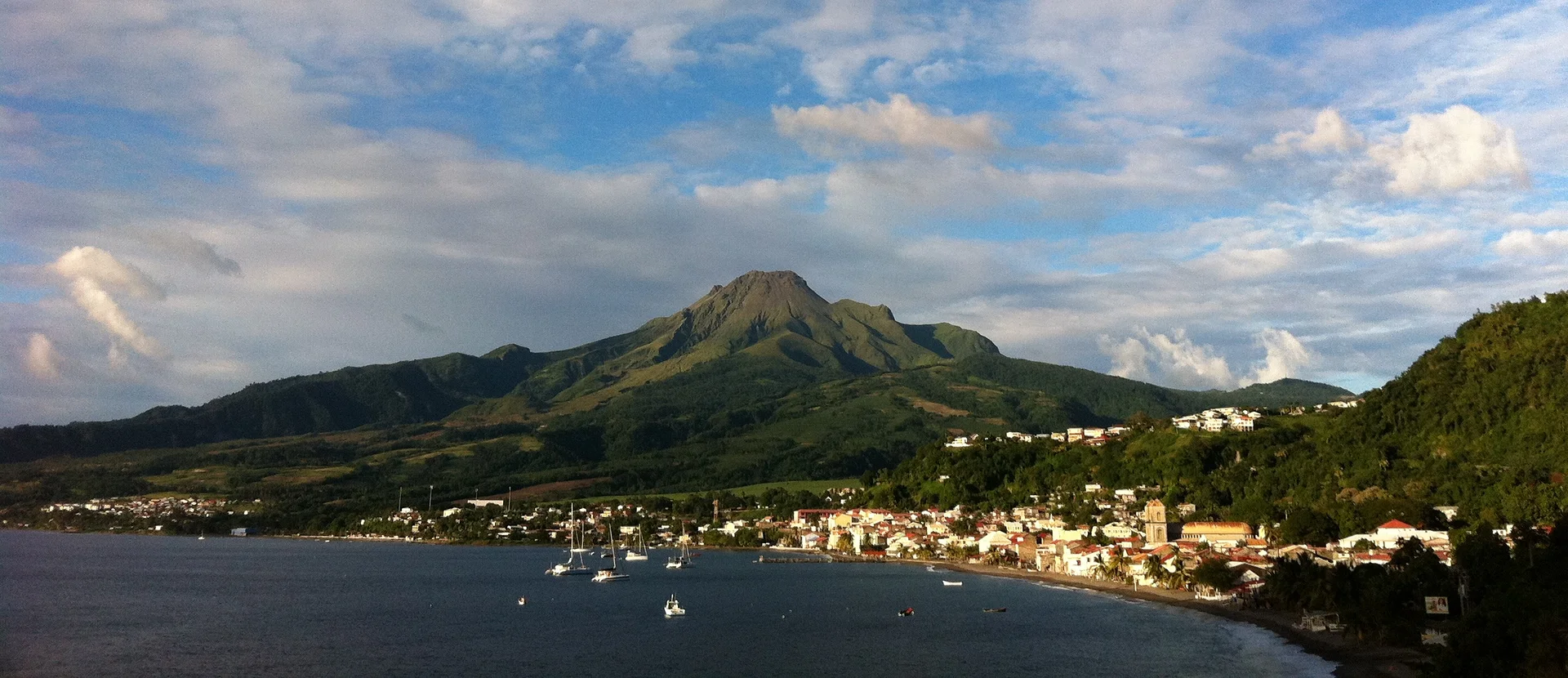

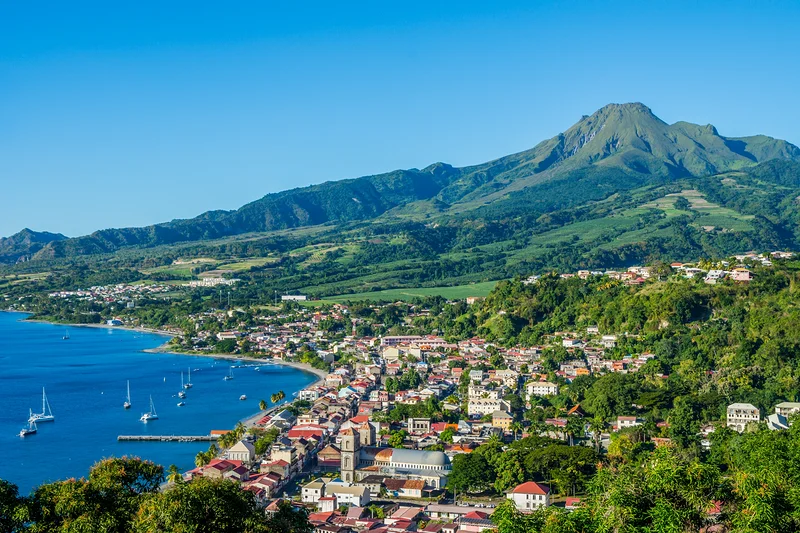
As the main city in Martinique, Fort-de-France gives the impression that it wants to concentrate all the disadvantages of urban life: traffic jams, reckless drivers in cars or on two-wheelers putting others in danger, inefficient public transportation, noise pollution, smog, insecurity, exorbitant prices, dirty streets, and numerous dilapidated buildings.
It's a shame, because when you go up into the hills, you realize just how much nicer and more welcoming the bay could have been.
As you can tell, this is not where I will be spending my vacation on this superb island of Martinique.