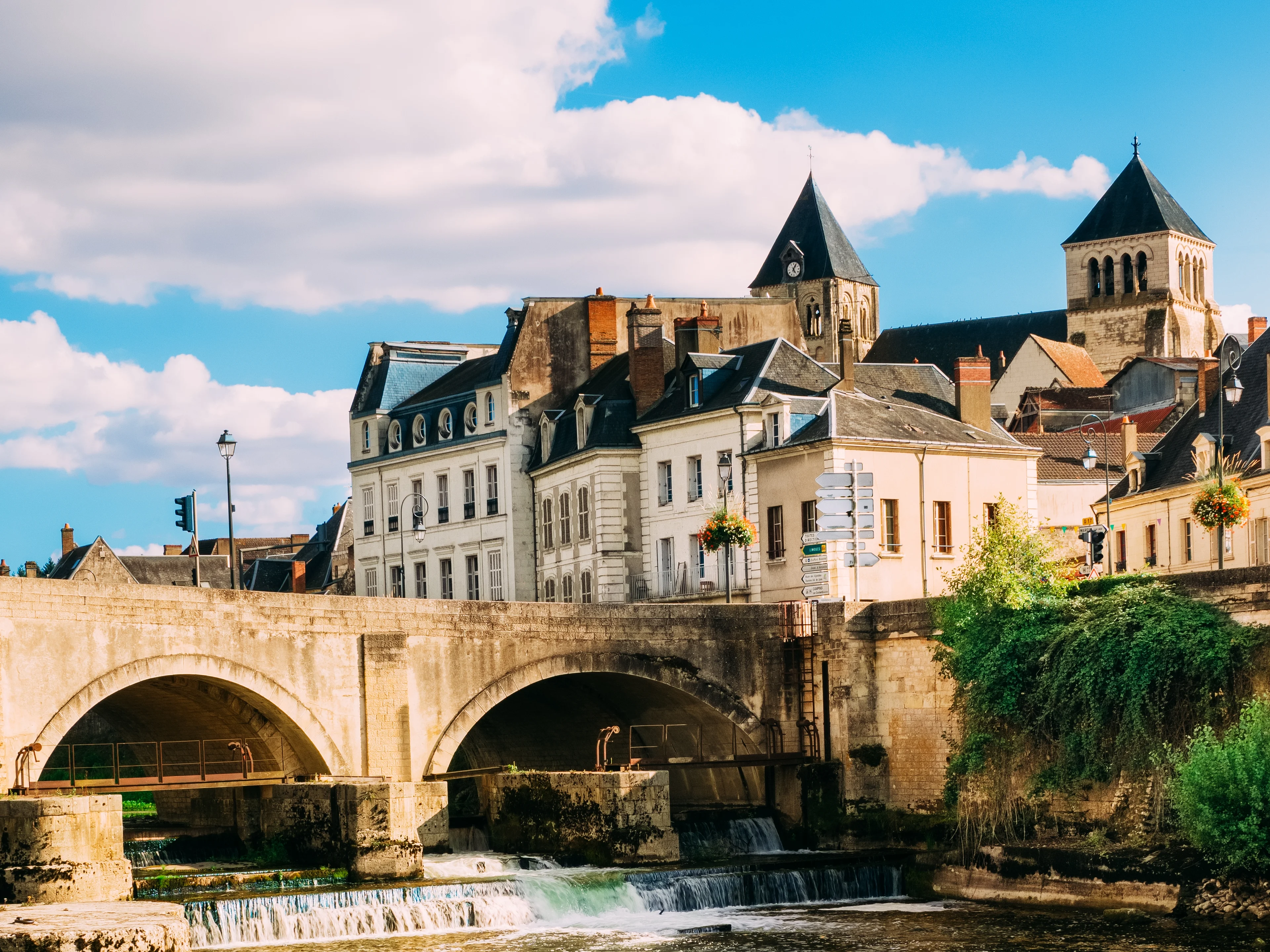
Saint-Aignan dans le Val-de-Loire

Top 10 most beautiful cities in Centre-Val de Loire to visit2026 ranking

Discover the most appreciated cities in Centre-Val de Loire by our members. Feel free to publish your own reviews to take part in this collaborative ranking.

The most beautiful cities in Centre-Val de Loire

#1 Saint-Aignan +45

A picturesque town steeped in history

Set along the banks of the Cher river in the Loire Valley, Saint-Aignan is a solid choice for travelers who value history and authenticity. This medieval town, watched over by its imposing castle, feels like a step back in time. With its cobblestone alleys, half-timbered houses, and quiet river views, it serves as a rewarding stop for anyone touring this heritage-rich region.

The Château de Saint-Aignan is the town's centerpiece, blending medieval and Renaissance architecture. As you wander through the gardens or tour the interior, you will see detailed wall frescoes and learn about the noble families who lived here. Nearby, the Collégiale Saint-Aignan features an 11th-century crypt that is a draw for anyone interested in Romanesque art and history.

A gateway to the ZooParc de Beauval

Just a few miles from the town center lies the renowned ZooParc de Beauval, consistently ranked among the best zoos in the world. This park manages significant biodiversity with over 35,000 animals, including their signature giant pandas. Families often prioritize the birds of prey and dolphin shows, as well as the tropical greenhouse, which keeps rare species in a climate-controlled, exotic environment.

If you plan to dedicate one or two full days to the park, the owners have built a series of hotels nearby. We have put together a ranking of the best hotels at Zoo de Beauval to help you decide where to base yourself.

Nature and riverside strolls

Saint-Aignan offers plenty of options for outdoor enthusiasts. The Cher acts as a peaceful corridor through the town, perfect for walking or cycling along the banks. The La Loire à Vélo route passes nearby, providing an easy way to experience the region's scenery at your own pace.

For a different perspective, you can rent a canoe and paddle down the Cher for a unique view of the castle and the surrounding landscape. On the water, you will find a quiet escape from the pace of larger cities.

Local flavors

You cannot visit Saint-Aignan without sampling the local gastronomy, which is typical of the Loire Valley. Wine lovers should head to the surrounding vineyards, specifically those in the Touraine appellation. Many family-run estates offer tastings where you can try local varietals like sauvignon or côt.

The weekly market in Saint-Aignan is the best place to pick up regional products: fresh goat cheese, rillettes de Tours, and artisanal jams. For a sit-down meal, the local restaurants focus on balancing traditional recipes with modern techniques.

A destination for an authentic stay

Saint-Aignan is more than just a quick stopover. Between its historical landmarks, proximity to the ZooParc de Beauval, natural surroundings, and local food scene, it appeals to both families and couples looking for a relaxed pace. Whether you are focused on history, nature, or dining, Saint-Aignan is an effective base for exploring the sights of the Loire Valley.

When to go?

The ideal window for a visit is from spring to autumn, when the Loire Valley is at its greenest. Summer is the most reliable time for outdoor activities, while September is the highlight for those interested in the grape harvest and seasonal food products.

How to get there?

Driving is the most practical option, with direct access via the A85 motorway (exit 12, Saint-Aignan). If you prefer public transit, regional trains serve the Saint-Aignan - Noyers station, which connects to major lines running through Tours or Vierzon.

#2 Amboise +45

Amboise sits in the heart of Touraine, where the history of French kings intersects with the legacy of Leonardo da Vinci. Between the royal castle and the Clos Lucé, you can spend your days exploring Renaissance architecture and local culinary traditions along the banks of the Loire River. It is a practical choice for history buffs or families looking to walk through the same halls where royalty once lived.

Must-sees

#3 Chambord +37

The name Chambord is synonymous with one thing for almost everyone in France, its magnificent Château. However, the town in the Loir-et-Cher department of the Centre-Val-de-Loire region has plenty more to offer if you are planning a long weekend.

The château, its gardens, and the estate

Chambord is, first and foremost, the largest and most majestic of the châteaux of the Loire Valley, a designated UNESCO World Heritage site. In the 16th century, Francis I decided to transform the site into a hunting lodge, launching a massive construction project. The castle sits within the largest enclosed forest park in Europe, covering 50 square kilometers (about 19 square miles), which made it the ideal playground for hunting-obsessed nobility.

A guided tour is the best way to dive into the building's history. Do not miss the famous double-helix staircase, designed so that a person going up and a person coming down never cross paths. This architectural marvel is widely attributed to Leonardo da Vinci himself. Once you have explored the castle from top to bottom, spend the rest of the day wandering through the formal Renaissance gardens. Afterward, head into the vast forest estate, which remains a national hunting reserve. It is common to spot red deer, wild boar, and even Mediterranean mouflon sheep. If you visit between September and October, you might hear the roaring of the stags during the autumn rut.

Vegetable gardens and timber-framed houses

There are plenty of other ways to fill your time in Chambord. You can rent a rowboat, electric boat, or canoe to explore the canal. Cruising the banks in a golf cart or a pedal-powered rosalie is another effective way to take in the local flora and fauna. Think of it like a leisurely afternoon at a state park, but with a royal backdrop.

If you are interested in permaculture or want to show your children where food comes from, head to the potagers de Chambord. Workshops led by a market gardener teach the basics of organic farming and its importance for biodiversity. You can taste the produce directly at the restaurant or buy some to take home.

The town center of Chambord is also worth a stroll. Bring comfortable walking shoes, as the streets are quite hilly. You will see historic timber-framed houses and private mansions. The Maison des acrobates, located on the Place Saint-Louis, is one of the oldest buildings in town, dating back to the reign of Louis XI. Be sure to catch the view of the Loire River from the 18th-century Pont Jacques-Gabriel.

When to go

The warmer months are the best time to explore Chambord on foot. If you want to avoid the peak crowds visiting the château, skip the summer months and plan your trip during the spring or fall.

How to get there

Chambord is located near Paris, just a two-hour drive via the A10, A85, or A71 highways. If you are not renting a car, the easiest way to arrive is by train to the Blois-Chambord station. There are also bus shuttles that run directly from the capital to the château.

Must-see

#4 Chenonceau +36

Chenonceaux is a small town in the Indre-et-Loire department, within the Centre-Val-de-Loire region. It is best known as the home of the Château de Chenonceau, one of the most visited sites in the Loire Valley. It is an ideal village for a weekend getaway.

On the water, in the air, or on land

Chenonceaux is a charming town that rewards a slow walk through its medieval streets. History buffs should stop by the église Saint-Jean-Baptiste, built in the 12th century and later renovated in the 16th. The Maison des Pages and the Maison du Garde-Barrière are also worth a look for their Gothic architectural details, which echo the design of the main castle.

If you prefer the outdoors, take advantage of the local landscape. The rivière du Cher offers plenty of opportunities to get out on the water. You can paddle upstream in a canoe or kayak, or opt for a gabarre, a traditional flat-bottomed boat. Passing underneath the castle arches by boat is a popular way to see the structure from below. To view the Cher valley from the air, you can also book a ride in a hot air balloon, a microlight, or a helicopter.

For those who prefer to stay on solid ground, local trails wind through the surrounding woods and countryside. Cycling is a prime way to explore the region. Make sure to stop at one of the nearby vineyards to sample the local wine, typically paired with a plate of local charcuterie, rillons, or rillettes.

The castle, a local landmark

It is difficult to talk about Chenonceaux without mentioning its castle, which draws over 800,000 visitors annually. It is one of the most significant monuments in the Loire Valley. It is often called the Château des Dames because of the influential women who shaped its history, including Katherine Briçonnet, Diane de Poitiers, and Catherine de Medici. The monument was built between 1513 and 1517 on the foundations of a 12th-century medieval fortress. Its architecture remains impressive, particularly the arches that span the Cher river with ease.

During your tour, you can view rooms decorated with floral arrangements and master paintings from the 16th to the 18th centuries. The two-story gallery commissioned by Catherine de Medici is the castle's most famous feature. Don't overlook the Renaissance gardens, which span 12,000 square meters and are kept in immaculate condition.

Getting there

Chenonceaux is a 40-minute drive from Tours and about 2 hours and 50 minutes from Paris via the A10 motorway. You can also arrive by plane via the Tours airport, then take a regional TER train directly to the Chenonceaux station.

When to go

You can visit Chenonceaux year-round, as the castle remains open every month. However, the warmer months are better suited for long outdoor walks. If you visit in the summer, plan to book your entrance tickets to the Château de Chenonceau in advance.

Must-see

#5 Blois +24

Blois is a manageable city in the Loire Valley that balances royal history with a relaxed riverside pace. Its historic center, set along the Loire, features steep streets and landmarks that reflect centuries of regional heritage. With its river views and steady cultural scene, it serves as a straightforward stopover for travelers looking to walk through history in a quiet setting without the heavy crowds found in bigger hubs.

Must-see

#6 Azay-le-Rideau +19

Set on an island in the Indre river, the Château d'Azay-le-Rideau appears as a vision of white stone. This early French Renaissance masterpiece, commissioned under Francis I, mirrors perfectly in the surrounding still water. The village moves at a slow pace, defined by flower-lined lanes, artisan shops, and local Touraine cuisine. Just a few miles away, the Château de l'Islette preserves the history of Rodin and Camille Claudel. It is a quiet, reflective stop in the heart of the Loire Valley.

Must-see

#7 Chartres +16

As the prefecture of the Eure-et-Loir department, Chartres is defined by its cathedral, a Unesco World Heritage site famous for its deep blue stained glass. Notre-Dame de Chartres preserves nearly 2,600 square meters of medieval glasswork and houses the Voile de la Vierge, a relic said to have been worn by Mary during the Annonciation. You can spot the two towers, one Romanesque and one Gothic, from miles away. The cathedral sits atop the largest crypt in France, the crypte de Fulbert, which you can tour in the summer by candlelight.

The stained glass capital

Chartres remains a hub for artisans who continue centuries-old glassblowing techniques. The Centre International du Vitrail displays 70 authentic Renaissance-era stained glass pieces. Established in 1980, it is located in the enclos de Loëns, a site once used by the bishopric to store harvests. Street art has also found a home here, with the quartier de Bel-Air drawing visitors to see its murals that reflect local history.

Nearby, the former episcopal palace has been converted into an exhibition space. This 17th and 18th-century building now houses the musée des Beaux-Arts. Take a moment to admire the entrance gate and the wrought-iron staircase, both crafted in the Louis XV style. Inside, you will find significant works, including twelve enamels commissioned for King Francis I by the enamel painter Léonard Limosin, pieces by Maurice de Vlaminck, and the painting Enfant de chœur by Soutine. Glass art is also featured through the works of sculptor and glass artist Henri Navarre.

If you enjoy historic estates, head to the château de Maintenon. This well-preserved castle features formal French gardens and the ruins of an aqueduct that Louis XIV originally intended to divert water from the Eure to Versailles.

A historic and pleasant city

Wander through the old town to see the oldest half-timbered houses in Chartres, such as la Maison du Saumon. The vegetable market, housed under a 19th-century Baltard-style structure, is a local landmark. Follow the Eure for a scenic, natural path. To the north, you will find the well-maintained horticultural garden. To the south, walk along the riverbanks before reaching a local curiosity, the maison Picassiette, where the walls and even the furniture are entirely covered in mosaics.

A visit to this capital of the Beauce region would not be complete without a stop at the Compa ou Conservatoire de l’Agriculture, which holds a collection of vintage agricultural machinery.

When to go

The best time to visit is during the warmer months between May and September. Note that from April through the end of December, the city hosts Chartres en Lumière, an evening event where local monuments are illuminated.

How to get there

Chartres is easily accessible via the A11 highway, or by train and bus.

Must-see

#8 Chinon +16

Inside the Chinon Fortress, a seventeen-year-old farm girl once convinced an uncrowned king to hand her an army. Six centuries later, these limestone walls still hold the history of the Plantagenets and Joan of Arc, while the cliffs house cellars filled with the best reds in the Loire Valley. The lower town winds through medieval alleys at the foot of the ramparts, feeling like a blend of French history and the tall tales of Gargantua.

#9 Cheverny +16

Cheverny provided the architectural inspiration for the château de Moulinsart in the Tintin comics. This 17th-century estate remains the most lavishly furnished residence in the Loire Valley and has been held by the same family for six centuries. Between the Tintin exhibit, the hunting hound kennel, themed gardens, and lesser-known AOC vineyards, this Sologne village offers a quiet alternative to the heavy crowds found at Chambord.

Must-see

#10 Tours +13

Positioned in Western France on a strategic corridor between Paris and Bordeaux, the city of Tours, a former Gallo-Roman settlement and one-time capital of the French kings, is defined by its cathédrale Saint-Gatien and a distinct local approach to living. As the birthplace of Honoré de Balzac, it serves as a primary gateway to the vallée des châteaux de la Loire. You will likely appreciate the Vieux-Tours district, characterized by its timber-framed facades and slate roofs, alongside 600 hectares of green space best explored on foot, by bike, or via a gabare, a traditional flat-bottomed wooden boat. The city offers a relaxed pace and a welcoming atmosphere. While here, sample local staples like rillettes, or try fouace bread, nougat, and the macarons from Cormery.

The climate is temperate oceanic, known for its remarkably mild temperatures.

A Rich Medieval Heritage

Start at place Plumerau, nicknamed Plum' by locals, in the heart of Vieux-Tours. It is a social hub, active from morning through the evening. The alignment of 15th-century facades is striking, as are the private mansions that reflect the history of the local bourgeoisie. Look for the l’hôtel de Jérôme Binet, home to a former mayor, as well as the hôtel Renaissance Goüin.

Wandering the cobblestone alleys reveals sights like the hôtel Raimbault, which houses a museum dedicated to gemmail (a technique of assembling glass tiles), the eclectic rue du Château Neuf, the hôtel de la Croix-Blanche (also known as the hôtel des ducs de Touraine), the église Saint-Denis, and the Tour de l’Horloge. You can climb the 248 steps of the Tour Charlemagne (48 meters high) for a 360-degree view of the city.

Saint-Martin, a central figure in the city's history, is honored with a mausoleum in his basilica and a dedicated museum. Both are worth a visit if your schedule allows.

Constructed between the 12th and 16th centuries in Flamboyant Gothic and Renaissance styles, the cathédrale Saint-Gatien is as impressive inside as it is outside. The stained-glass collection is particularly notable for its light and variety. At its base, the cloître de la Psalette is worth a look. Nearby, you will find the Grand-Théâtre, the Beaux-Arts museum, and the Conservatoire national de musique. Art enthusiasts should also visit the Centre de création contemporaine and the Musée des Beaux-Arts.

Afterward, find a spot under the chestnut trees in the parc Mirabeau.

A Student-Friendly City with a Nature Focus

Another major meeting point is place Jean Jaurès, home to the majestic city hall and the courthouse. The most popular streets for locals are rue Nationale and the retail-heavy rue de Bordeaux. Nearby, stop at the fontaine de Beaune, locally known as the "lovers' fountain."

Located along the Loire river, the Château de Tours hosts a well-documented "History of Tours" workshop and rotating art exhibitions.

Relax at the jardin botanique or the jardin des Prébendes d’Oé, which features a pleasant music kiosk and a small pond. At the end of the day, the illuminated pont de pierre is a standout view.

If you visit in June, look for the musical events at the Grange de Mesley, a former fortified farm converted into a high-end venue.

Outdoor sports enthusiasts head to île Aucard, while those seeking peace and quiet prefer île Simon.

If you are traveling with children, options include Vallée des Rois, Gadawi Park Sud, or Youpi Mom.

When to Go

To avoid the peak crowds, aim for May, June, or September.

How to Get There

The train is the most efficient way to reach Tours. It takes about 45 minutes from Paris.

Getting Around

Walking or cycling are the best ways to explore the city.

The rest of the ranking of the most beautiful cities in Centre-Val de Loire

Latest reviews

A peaceful city with a stunning cathedral

I had a very pleasant day in Chartres. The cathedral is truly magnificent. I spent a long time admiring the details of the exterior sculptures and the colors of the stained glass windows. Right next d…

6 0

A nice city, but not very lively

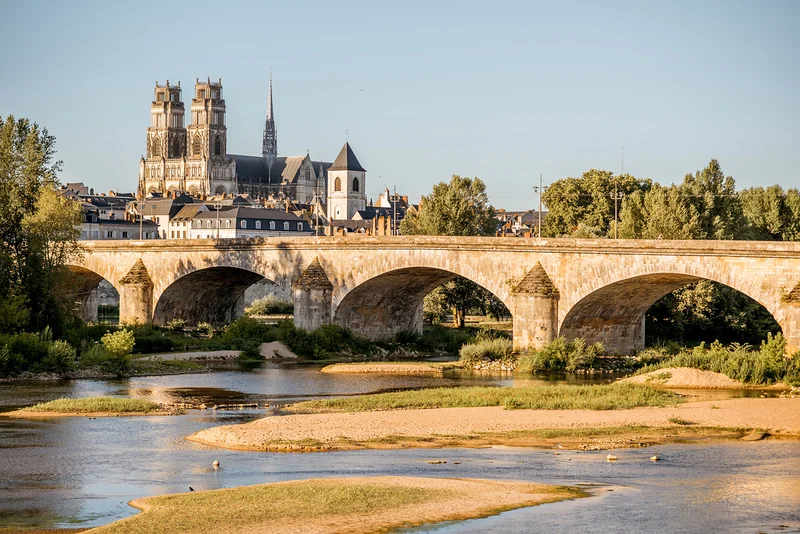
I visited Orleans for a day trip from Paris. The city is not unpleasant, but I did not find it very lively or especially pretty. The place du Martroi, the cathedral, and the Museum of Fine Arts are wo…

6 0

A very pretty city center

My wife and I spent two weeks in Tours, a central spot for visiting the Loire Valley castles as well as the Beauval Zoo. But the city itself is very cute, especially its downtown area. Some neighborho…

8 0

The Joan of Arc festivals, an event to experience at least once in your life!

As a history buff, visiting Orleans in May was a huge pleasure. For several days, the locals commemorate Joan of Arc's entry into the city in the 15th century. A young girl is chosen to play Joan and…

5 0

Beautiful historic town

Chinon is a really pretty town with a well-preserved historic center. Naturally, I recommend that you prioritize visiting the castle if you are not staying in the area for long. You can stroll through…

4 0

Rankings by travellers, for travellers

Our rankings are powered by thousands of reviews from travelers like you, not the arbitrary pick of a single editor. Every positive review you publish raises the destination’s score.

1 positive review = +1 reco

Your voice matters!

Have you travelled and discovered amazing places? Share your experience and help the community rank the most beautiful destinations! Sign up for free to post reviews and make your voice heard.