
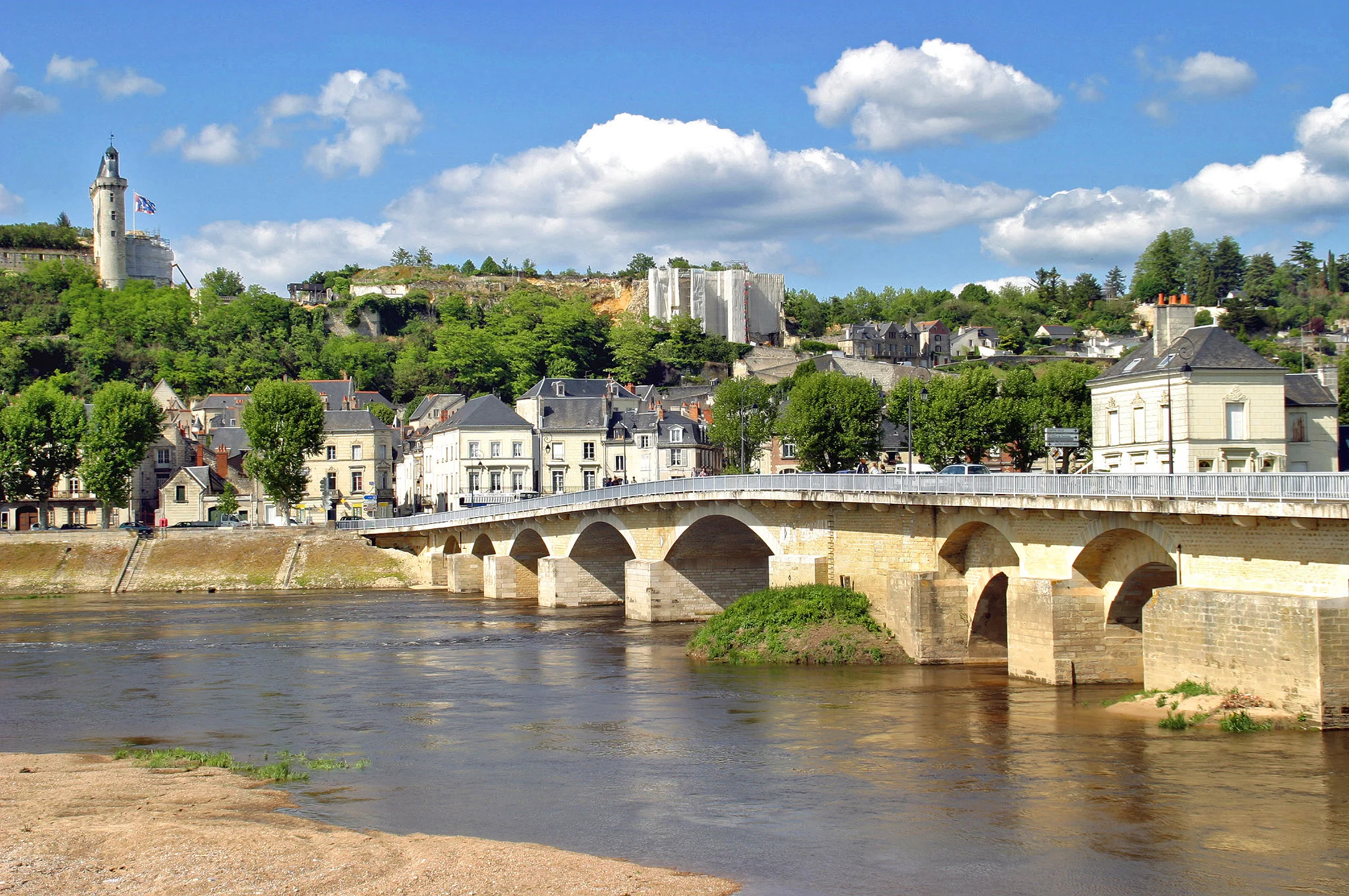
Chinon, where Joan of Arc changed the course of French history
On March 6, 1429, a seventeen-year-old peasant girl walked the muddy alleys of Chinon after an eleven-day ride. She came to convince a crownless king to hand over an army. The throne room is gone, but the fortress walls overlooking the Vienne River remember.
Nearly three centuries earlier, this was where Henry II of England administered justice over an empire stretching from Scotland to the Pyrenees. And it was also here that Rabelais imagined the adventures of Gargantua, set against a backdrop of limestone hillsides and caves carved into soft tufa stone.
A town for history and wine lovers
Chinon appeals to travelers who prefer the Middle Ages to Renaissance pomp. If you are looking for formal French gardens and the monumental staircases of Chambord or Chenonceau, keep driving. The royal fortress is a magnificent ruin, not a furnished palace. Its appeal lies in the deep layers of time stacked within its walls and the sweeping panoramas over the valley.
Wine enthusiasts will find plenty to love here. The Chinon appellation produces some of the most celebrated reds in the Loire Valley, crafted from cabernet franc. Troglodyte cellars carved directly into the tufa cliffs offer tastings in a setting you will not find anywhere else. Families traveling with toddlers should prepare for a bit of a workout, as the cobblestone streets climb steeply toward the fortress, and the main sights require quite a bit of walking.
Reasonable pricing for the Loire Valley
Expect to pay $90 to $169* per night for quality lodging. A meal at a good restaurant runs between $29 and $51*. Tastings at local wine estates are often free or very inexpensive.
The royal fortress and its ghosts
The 500 meters of ramparts crowning the rocky spur actually enclose three distinct castles, built between the tenth and fifteenth centuries. The Histopad, an augmented reality tablet, reconstructs eight rooms exactly as they looked in the time of Charles VII. You get to see the furnished royal chamber, wall tapestries, and servants bustling about. Here, technology serves history without distorting it.
The Joan of Arc Museum, housed in the Clock Tower, brings together paintings and sculptures depicting the Maid of Orleans across the centuries. An escape game offers a more interactive way to explore the underground passages and towers. The view from the ramparts alone justifies the admission fee: the slate rooftops of the old town, the winding Vienne River, and vineyards as far as the eye can see.
Friendly tip: a free shuttle connects downtown to the fortress for visitors who want to skip the uphill walk. Stop by the tourist office on Place Jeanne d'Arc for details.
Medieval alleys and the shadow of Rabelais
The old town is easy to explore on foot in half a day. Rue Voltaire and Rue Haute Saint-Maurice pack in the finest timber-framed houses and tufa stone townhouses. Some facades date back to the reign of Charles VII, while others are Renaissance. Discreet passageways lead to interior courtyards that hold pleasant surprises.
The Le Carroi Museum, located inside the Maison des États Généraux, traces local history from the Middle Ages onward. The semi-troglodyte Sainte-Radegonde Chapel preserves a twelfth-century fresco depicting a Plantagenet royal hunt. Rabelais fans can drive seven kilometers out to La Devinière to tour the writer's birthplace nestled among the vineyards.
Chinon wine and tufa cellars
The Chinon AOC spans 2,300 hectares across 26 towns along the Vienne River. Local cabernet franc, known around here as Breton, yields reds with aromas of red fruit and violet, backed by the crisp freshness typical of Loire wines. Soils range from gravel terraces to limestone slopes, with the former producing fruity wines meant to be drunk young, and the latter yielding age-worthy bottles that can cellar for twenty years.
The Caves Painctes, sitting right beneath the fortress, once served as meeting grounds for the Confrérie des Bons Entonneurs Rabelaisiens. The Domaine Pierre Sourdais offers tours of a wine cellar hand-carved by the winemaker himself. Domaine Couly-Dutheil features tenth-century underground galleries running directly beneath the ramparts. Most wineries welcome drop-in visitors, though calling ahead is always polite.
Friendly tip: the Thursday morning market on Place Jeanne d'Arc is the place to sample local wines paired with goat cheese and rillons de Touraine. The pairing is phenomenal.
Around Chinon: castles and villages
The Royal Abbey of Fontevraud, a 25-minute drive away, holds the tombs of Eleanor of Aquitaine and Richard the Lionheart. The Château d'Azay-le-Rideau, resting on the Indre River like a white stone ship, is the quintessential Renaissance castle. Families will enjoy the whimsical gardens at the Château du Rivau.
Candes-Saint-Martin, ranked among the prettiest villages in France, sits at the meeting point of the Loire and Vienne rivers. The town of Richelieu, built from scratch by the cardinal, stands as a rare example of seventeenth-century town planning. The Voie Verte, a paved path built over an old railway line, links Chinon to Richelieu with 20 kilometers of flat, shaded bike trail.
Where to eat and drink in Chinon
Le Nemrod, opened in 2024, represents modern Chinon dining. Chef Nicolas Gaulandeau, who hunts and forages, uses contemporary techniques like smoking, fermentation, and sous-vide on ingredients sourced from nearby forests and farms. The restaurant has earned the Maître Restaurateur title. L'Ardoise serves dependable bistro fare centered on locally sourced ingredients.
Au Chapeau Rouge, facing the fortress, has been a reliable staple for years. Its sixteenth-century facade conceals a Belle Époque interior serving seasonal Loire fish and game. For a more casual bite, the Café de la Paix features a pleasant sidewalk patio on the main square. Fouées, small wood-fired hearth breads stuffed with pork rillettes or white beans, make for the ultimate local snack.
Where to stay in and around Chinon
Hôtel Diderot, set in a fifteenth-century residence near the Saint-Mexme collegiate church, offers understated charm with an interior garden and homemade breakfasts. The Best Western Hotel de France, right on the central square, provides standard comfort inside a historic building. The Ibis Styles on the outskirts works well for road-trippers looking for value.
B&Bs often turn out to be the smartest pick. Au Relais Saint Maurice, tucked into the medieval district, offers themed rooms inspired by Joan of Arc or Henry II. La Closerie Saint-Martin, located in a wine-growing hamlet, features five uniquely decorated rooms and hosts group dinners four nights a week. Rates kick off around $68* a night, breakfast included.
How to get to and around Chinon
From Paris, the trip takes about three hours: a high-speed TGV to Tours in 1 hour and 15 minutes, followed by a regional TER train to Chinon in 45 minutes. Nine daily trains run the Tours-Chinon line. From Rennes or Nantes, expect a transfer in Tours or Le Mans. Coming from North America, fly into Paris and pick up the TGV at Gare Montparnasse: counting the transfer from Charles de Gaulle, allow about four hours to Chinon. By car, Chinon is 3 hours from Paris via the A10, 50 minutes from Tours, and 40 minutes from Saumur.
Once you arrive, the historic center is entirely walkable. You will need a car to reach the surrounding castles and vineyards. The CLAN service on Quai Danton rents bikes, canoes, and kayaks for exploring the countryside from a different angle. The Compagnie de Navigation Vienne-Loire runs traditional boat tours out to the confluence with the Loire.
When to go
Spring and fall deliver the best conditions, bringing mild temperatures, golden light on the tufa stone, and vineyards in bloom or harvesting. Summer can get hot and crowded, but the outdoor riverside pop-up bar right below the fortress brings energy to the evenings. Winter suits travelers seeking peace and quiet, though keep in mind that some restaurants close and fortress hours get shorter.
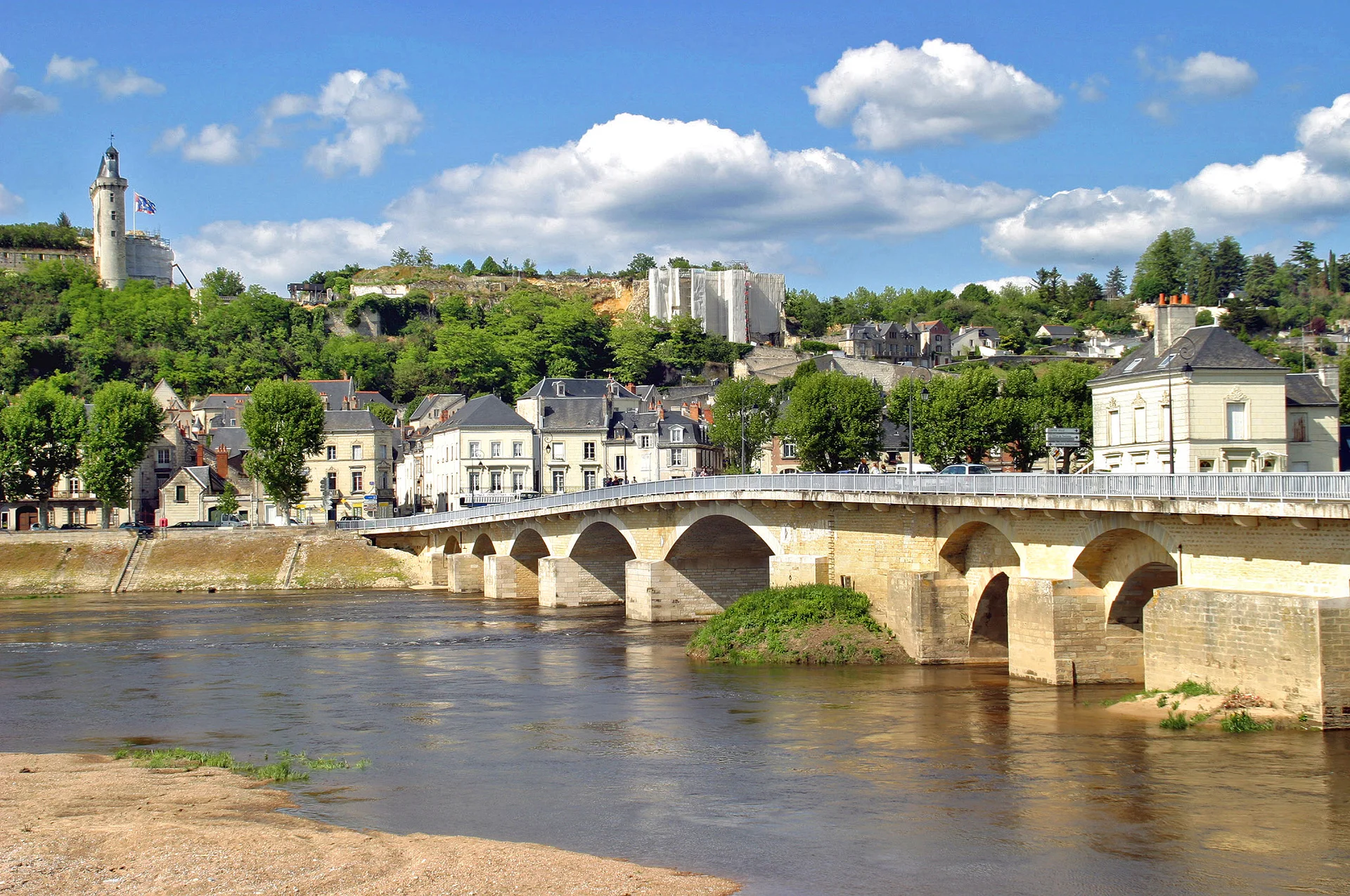
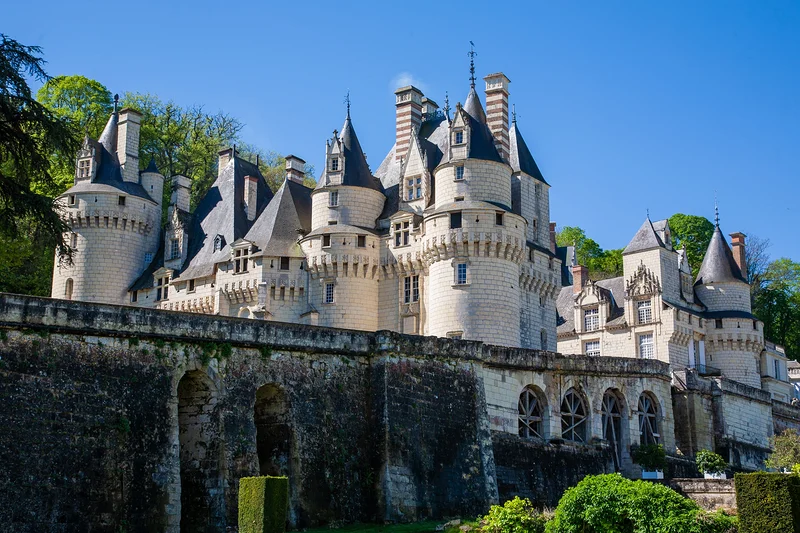
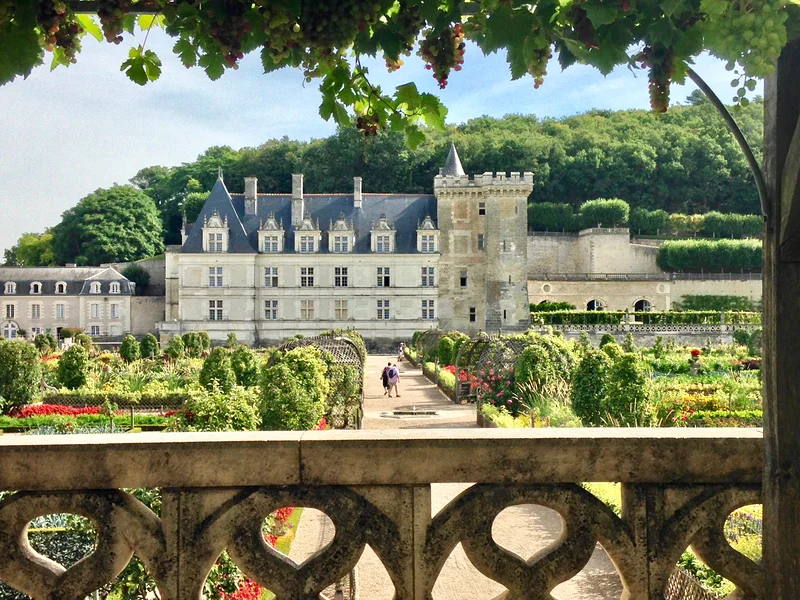
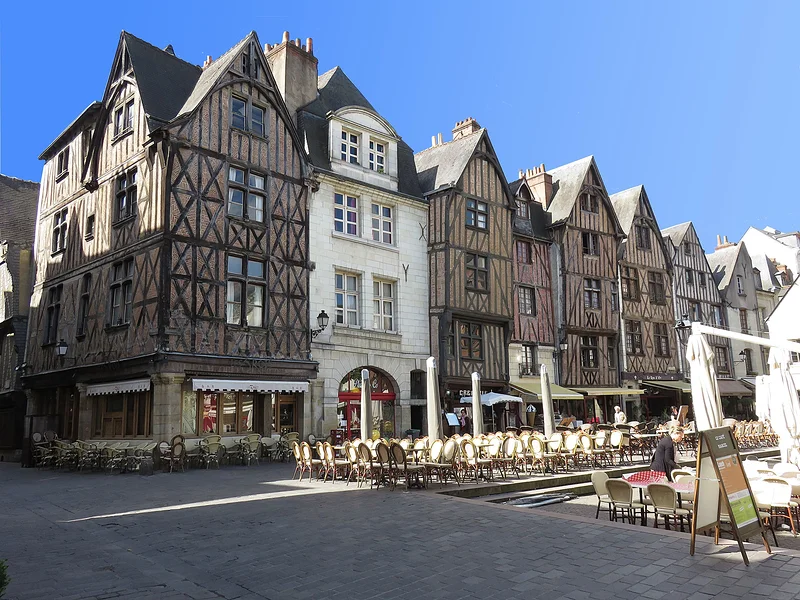

Chinon is a really pretty town with a well-preserved historic center. Naturally, I recommend that you prioritize visiting the castle if you are not staying in the area for long. You can stroll through the small streets of the center, which is lively during the high season. There are plenty of restaurants and lovely shops.