
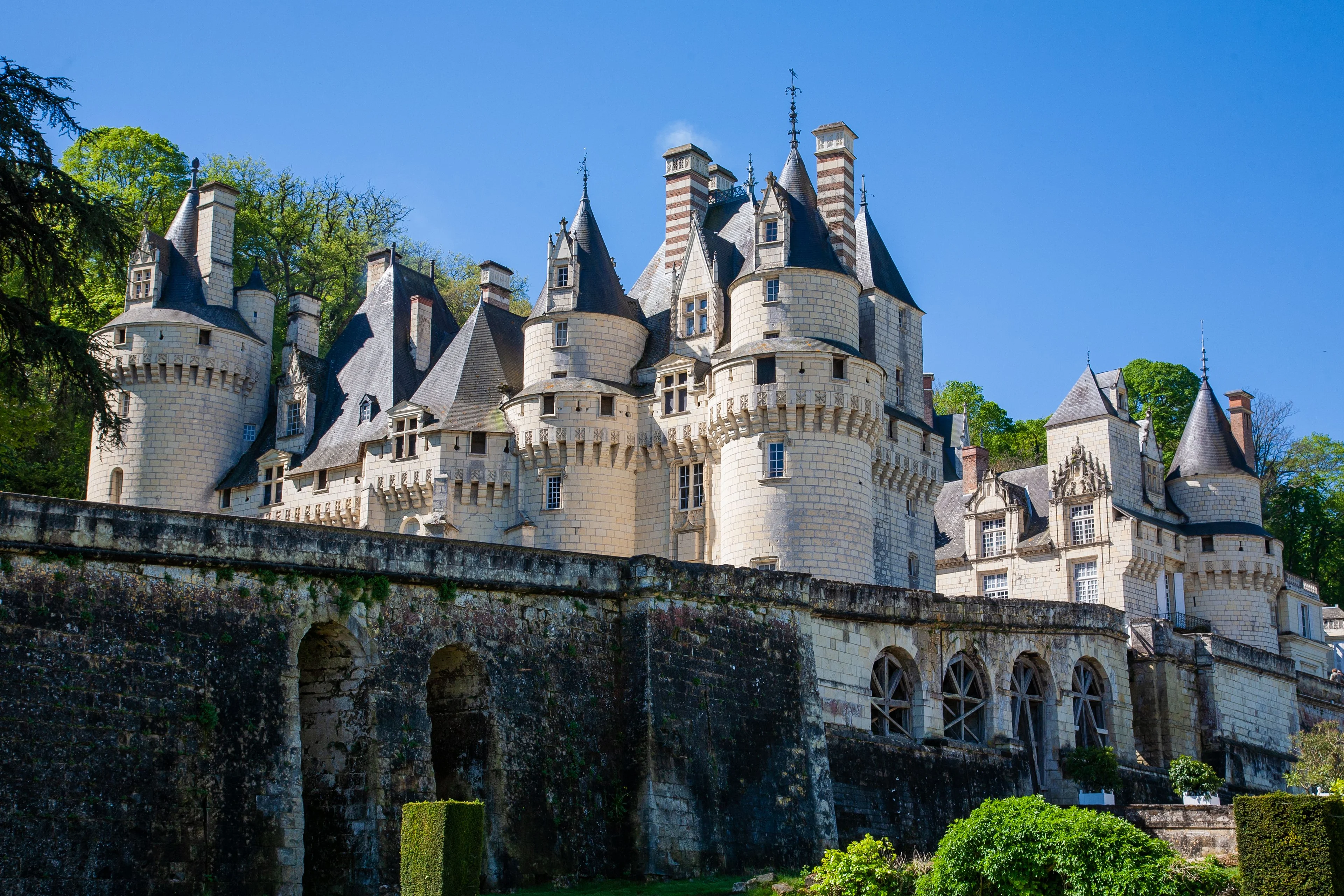
Azay-le-Rideau, When White Stone Dances on the Water
It is 8:30 in the morning, and the fog is slowly lifting off the Indre River. The castle appears little by little, taking shape like a waking dream. Honoré de Balzac, who knew these riverbanks well from writing part of The Lily of the Valley here, described it as a faceted diamond set by the river. That hits the nail on the head. Still, photographs do not quite capture the exact moment when the mist clears and the stone reflections start to shimmer on the water.
Who Is This Village For?
This town of 3,500 residents mostly draws fans of French Renaissance architecture and travelers looking to slow down. If you are chasing the high-energy buzz of major tourist hubs, keep driving. The pace here is deliberately unhurried. Visitors usually stay for two or three days, often tacking it onto a broader Loire Valley road trip that includes Villandry, Chinon, or Langeais.
Families with kids will find plenty to do at the Maurice Dufresne Museum or the Goupillières Troglodyte Valley, but younger travelers looking for late-night bars will leave disappointed. The town center shuts down early, and evening options are practically nonexistent. On the flip side, cyclists are in paradise, as the village sits right on the La Loire à Vélo and Cyclo Bohème bike routes.
Reasonable Pricing for the Region
Expect to pay $15* for castle admission from October to March and $18* from April to September, which is free for European Union residents under 26. A night in a guesthouse runs between $79 and $135*, while boutique hotels max out around $169*. A meal at a solid downtown bistro costs between $29 and $51*, and upscale tasting menus climb past $90*.
The Castle and Its Grounds: The Heart of the Trip
Built between 1518 and 1527 by Gilles Berthelot, treasurer to King Francis I, the castle stands on an artificial island in the Indre. Its standout feature is the way it blends medieval French defense traditions with Italian Renaissance details. The main staircase, one of the earliest straight staircases in France, broke away from the traditional spiral staircases inherited from the Middle Ages. Carved salamanders throughout the structure reference royal patronage.
Touring the interior takes about an hour and a half. The rooms furnished in the 19th-century style by the Biencourt family offer a glimpse into aristocratic life without the overwhelming opulence of Chambord. The Grand Comble, an inverted ship hull timber roof, is worth the trip all by itself. Plan on spending another solid hour strolling through the 8-hectare English-style park, which looks especially photogenic in spring and autumn.
Friendly tip: arrive right at opening time or late in the afternoon to catch the reflections on the water without the tour bus crowds. The reflecting pool south of the castle provides the best photo angles.
Beyond the Castle: Hidden Gems of the Ridellois Area
The Château de l'Islette, located 4 km from downtown, flies under the radar despite its romantic history. Auguste Rodin and Camille Claudel lived out their passionate affair here in the 1890s. More intimate than its famous neighbor, this still-inhabited Renaissance castle opens its gardens to picnickers and hosts summer concerts. Kids can splash around in the shallow river.
The Maurice Dufresne Museum gathers more than 3,000 mechanical objects inside an old mill in Marnay. Antique cars, airplanes, tractors, farm equipment, and even a mobile guillotine make up this quirky collection. Give yourself at least two to three hours here. The on-site restaurant makes it easy to break up the day.
For a deep dive into the region's rural past, the Goupillières Troglodyte Valley lets you explore three underground farms carved directly into the soft limestone cliffs. The old bread ovens, stables, and subterranean tunnels are a huge hit with kids.
Strolling Through Town
Rue Balzac connects Place de la République to the castle entrance. This is where you will find souvenir shops, a few art galleries, and sidewalk café terraces. The pedestrian-only Rue Gambetta is lined with specialty boutiques. Stop by the Azay-le-Rideau Biscuit Factory for buttery shortbread cookies, and check out the Savonnerie du Zèbre soap shop, where rich scents spill out onto the sidewalk.
Saint-Symphorien Church, the sole surviving piece of the medieval priory that birthed the village, is worth a quick look for its Romanesque architecture. The old watermill on the Indre, reached via Rue de l'Abreuvoir, rounds out a pleasant neighborhood walk.
Friendly tip: the Wednesday and Saturday morning market on Place de la République is the prime spot to pick up local goat cheeses and Touraine pork rillettes.
Where to Eat and Drink in Azay-le-Rideau
The local food scene revolves around traditional Touraine cooking: rillettes, rillons, fresh goat cheeses, and baked pears from Rivarennes. The local Touraine Azay-le-Rideau AOC wines range from dry Chenin Blancs to fruity Grolleau rosés. About a dozen winemakers produce these small-batch bottles, which pair perfectly with an outdoor lunch.
Auberge Pom'Poire, holding a Michelin star since 2024, serves creative dishes in a countryside setting a few miles outside town. L'Aigle d'Or, another upscale choice, focuses on premium ingredients and local produce. For a more casual bite, Les Grottes offers an unusual troglodyte cave setting alongside traditional comfort food.
Where to Stay In and Around Azay-le-Rideau
The town center hosts several charming spots. Hôtel de Biencourt occupies a 17th- and 19th-century residence featuring a flower-filled courtyard just steps from the castle. Grand Monarque, a former coaching inn, delivers great value right in the heart of the village. For a unique night away, Troglododo puts up guests inside converted winemaking caves carved right into the hillside.
B&Bs in the surrounding countryside often offer more character for a similar price tag. Château du Gerfaut and Manoir de la Rémonière attract couples looking for a romantic escape. Families will appreciate the gîtes with pools scattered across the farmland between the Indre and Loire rivers.
How to Get There and Around
From Paris, take a 75-minute TGV high-speed train to Tours, followed by a 25- to 35-minute regional TER train to the Azay-le-Rideau station. Keep in mind that the station sits 2 km from downtown and the castle, a roughly 25-minute walk. A Rémi regional bus shuttle also connects to the village. By car, take the A10 from Paris then hop on the A85 toward Angers, exit at junction 9, and follow the D751. From Tours, the drive takes just 25 minutes down the department road.
Once you arrive, everything is walkable. A paid parking lot sits right next to the castle. To explore neighboring châteaux or the surrounding vineyards, a car is essential. Well-equipped cyclists can easily ride to Villandry or Chinon using the dedicated paved bike paths.
When to go?
Spring and autumn deliver the best conditions: soft lighting for photography, blooming or colorful gardens, and manageable crowds. Summer draws heavy tour bus traffic but lets visitors experience evening light shows at the castle and outdoor concerts at l'Islette. Winter stays peaceful for travelers who prefer quiet streets, plus the added bonus of free admission on the first Sunday of the month from November through March.
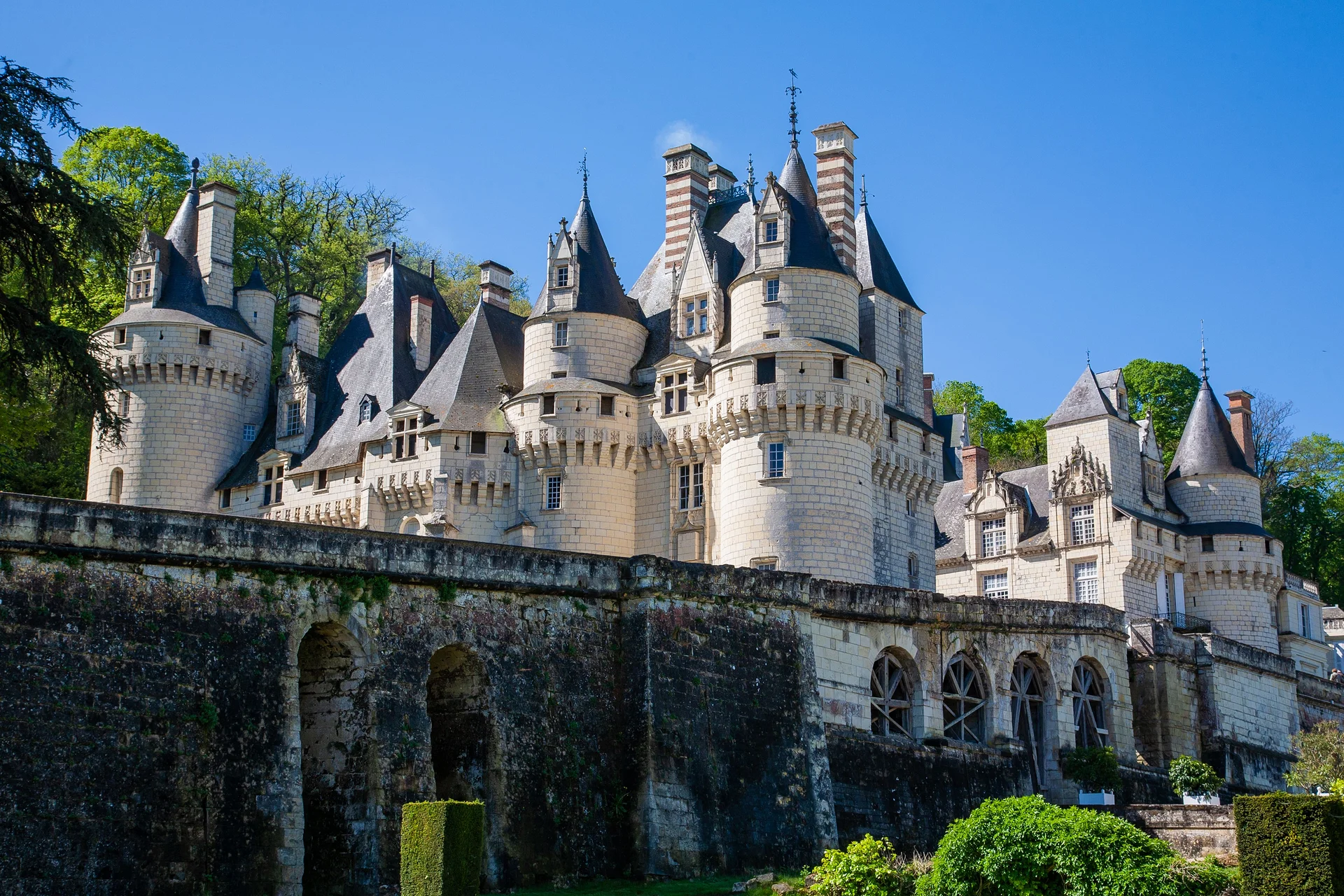
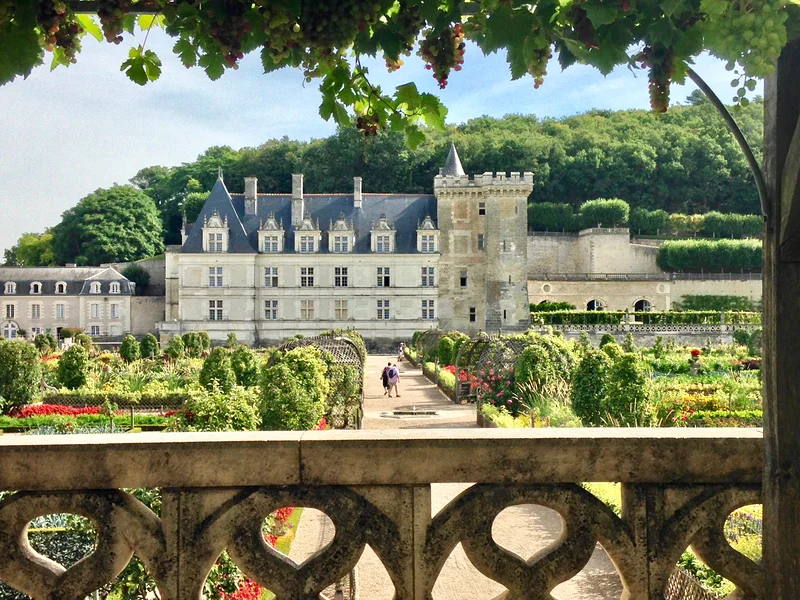
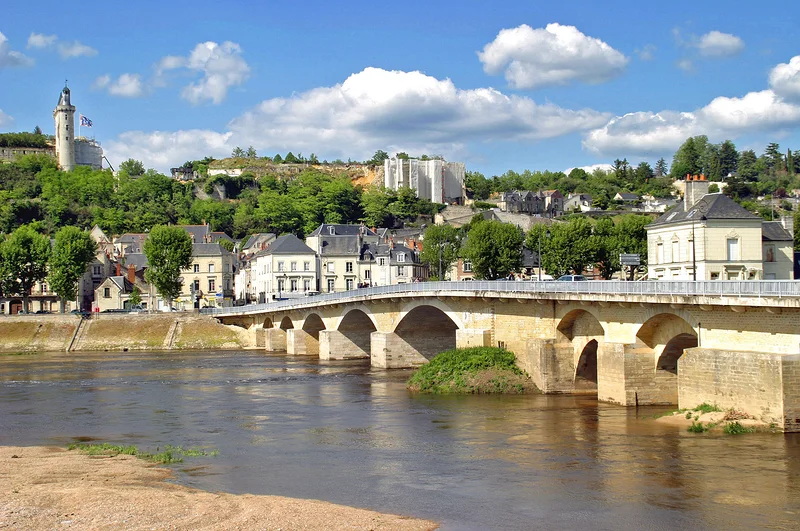
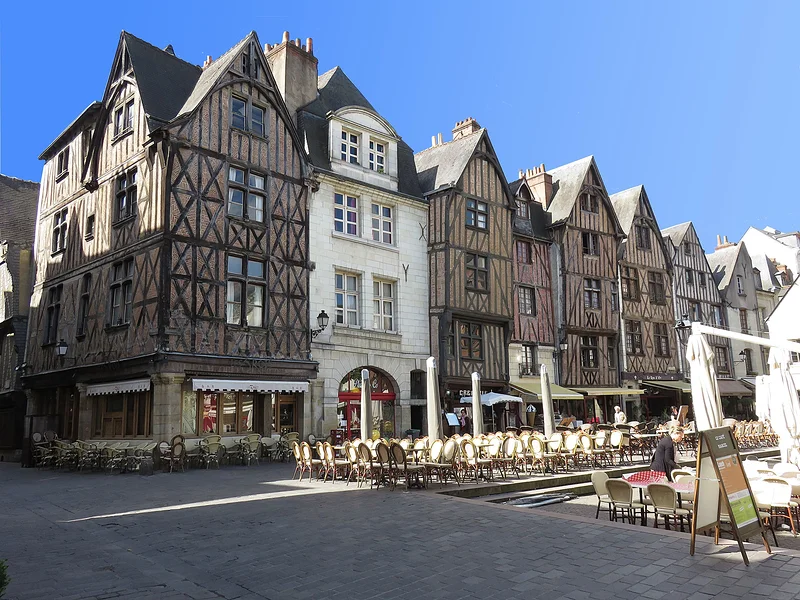
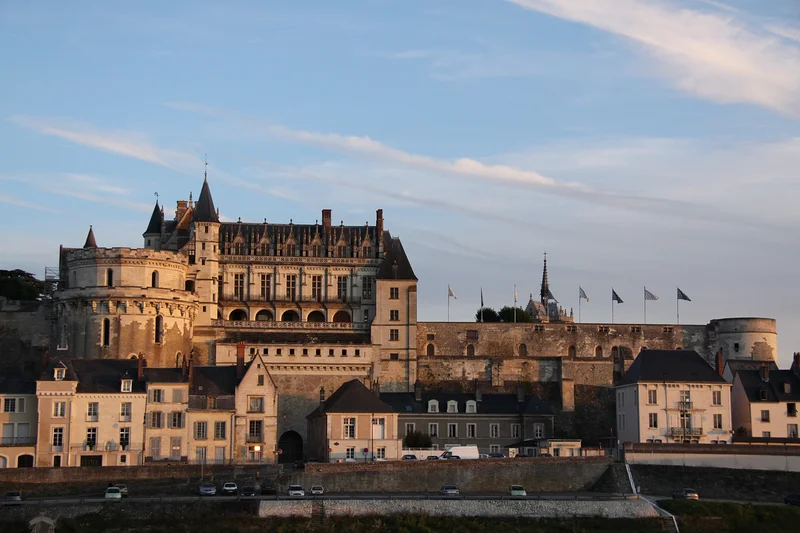
After visiting the chateau, I recommend taking a walk through the village of Azay-le-Rideau. It is very pretty and has many small shops as well as several restaurants that are not necessarily very expensive. The walk to the mill is very pleasant when the weather is nice. You can easily spend one to two hours there.