
Tours at a glance
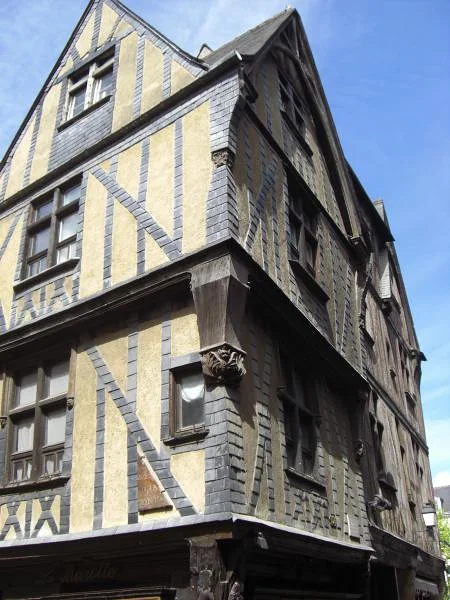
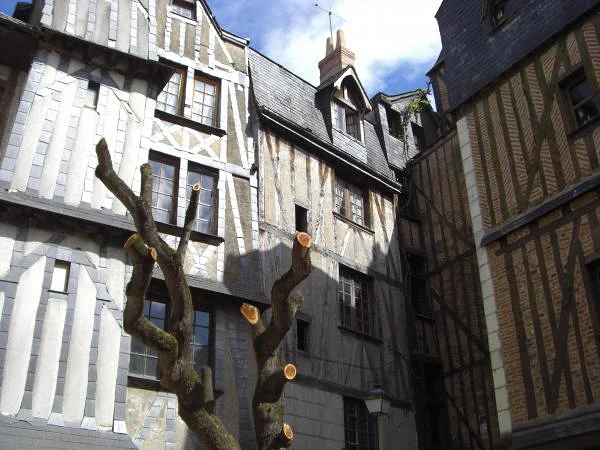
Located in western France on a strategic axis between Paris and Bordeaux, the city of Tours, a former Gallo-Roman settlement and capital of the kings of France, is famous for its Saint-Gatien Cathedral and its regional art of living. As the birthplace of Honoré de Balzac, it serves as an excellent starting point for exploring the Loire Valley châteaux. You will be charmed by Vieux-Tours, featuring timber-framed facades and slate roofs, alongside its 600 hectares of green spaces waiting to be explored on foot, by bike, or aboard a traditional flat-bottomed wooden boat known as a gabare. Offering a strong cultural scene, the city welcomes visitors with a relaxed pace and friendly atmosphere. You will also have the chance to sample local specialties like rillettes, or perhaps try a fouace, nougat, or the macarons of Cormery.
The climate is temperate oceanic, bringing remarkably mild temperatures throughout the year.
A rich medieval heritage
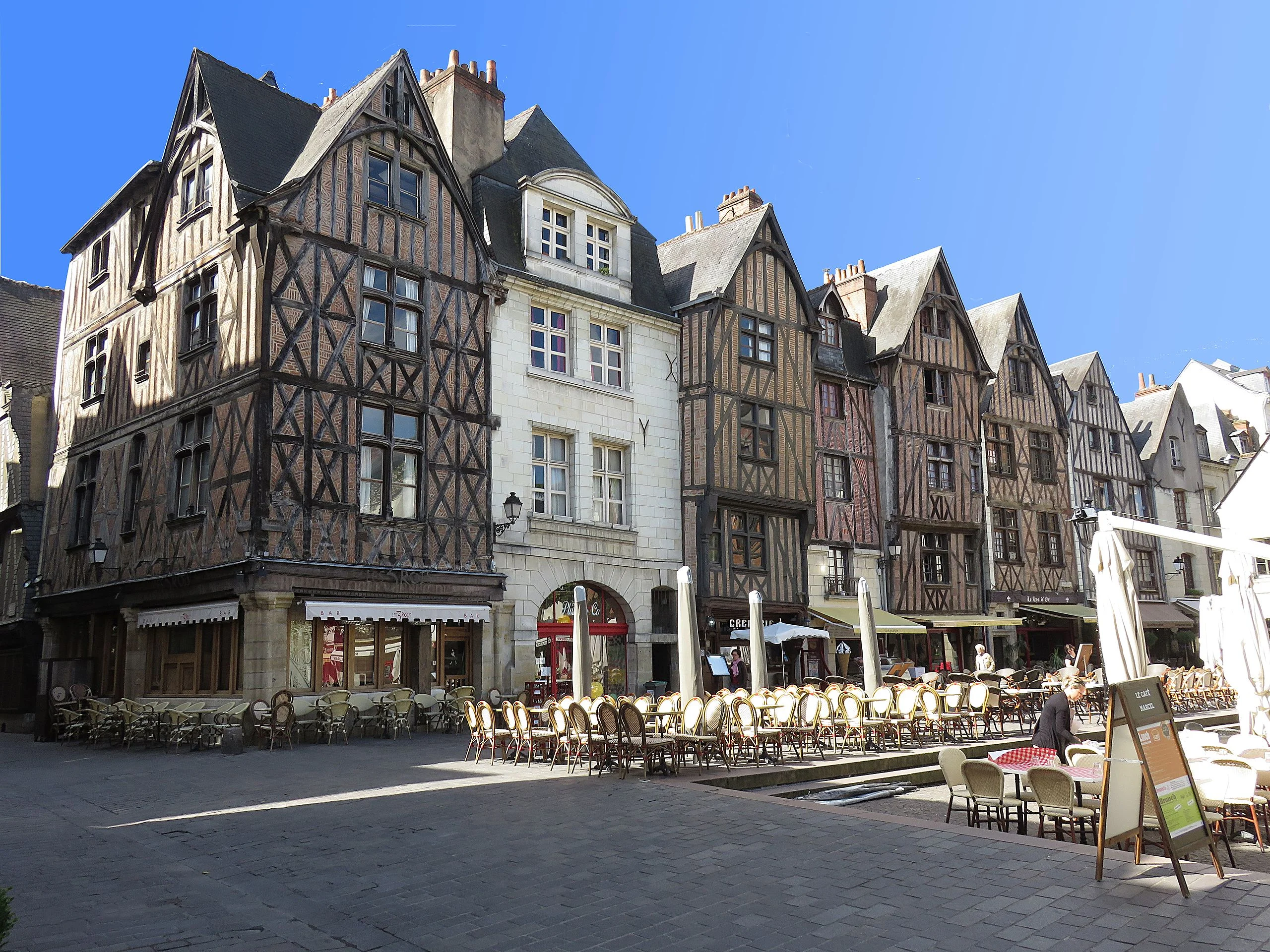
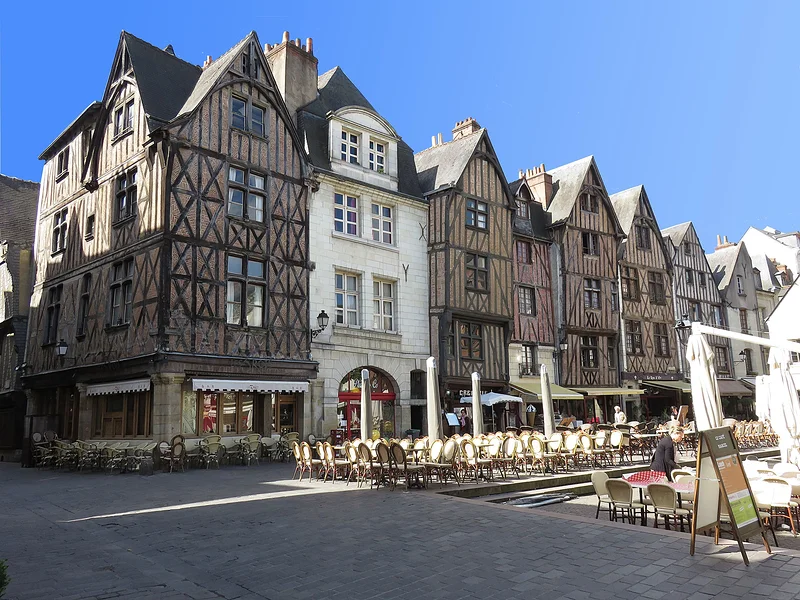
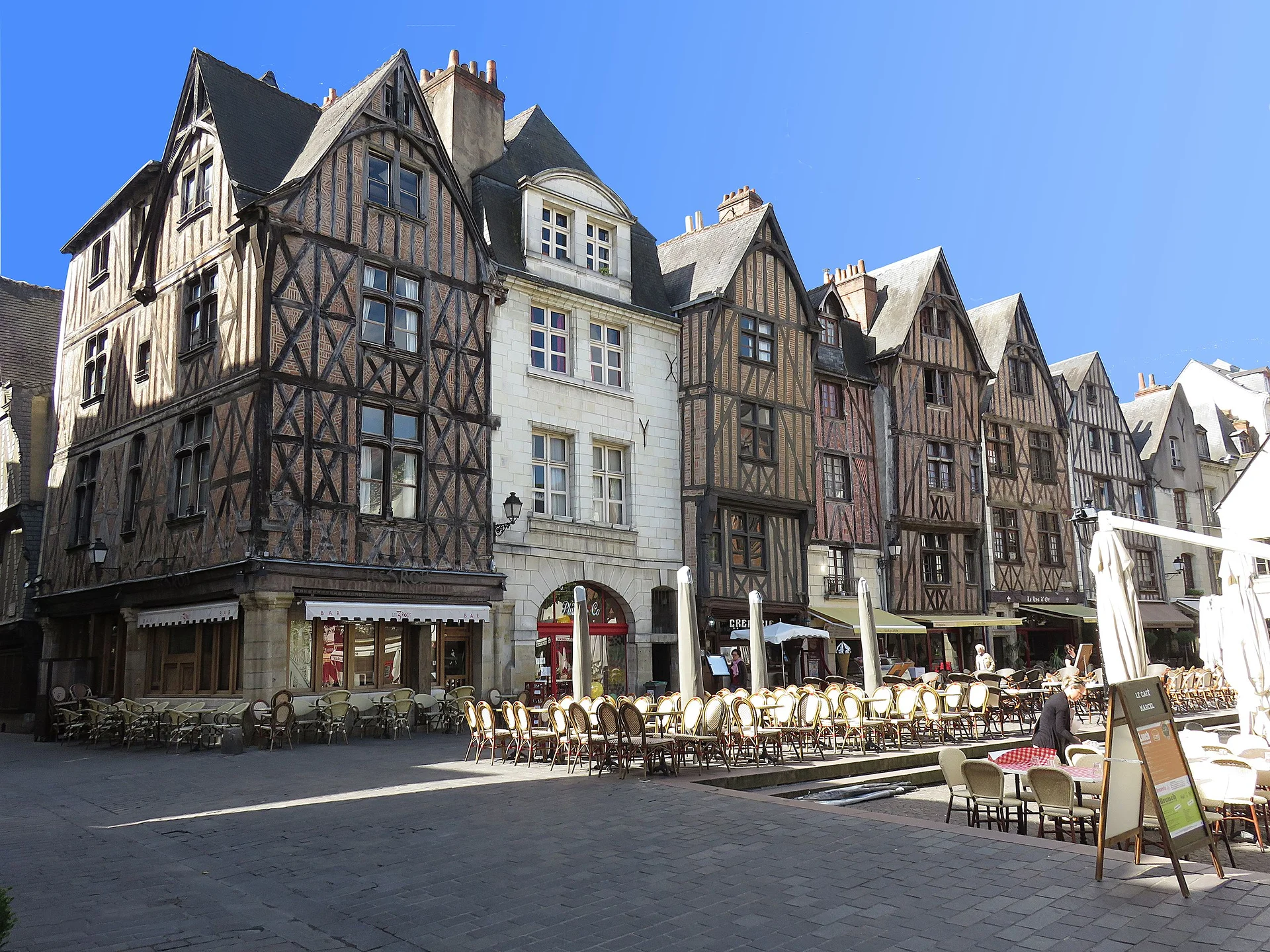
Start at place Plumereau, affectionately known as Plum' to locals in the heart of Vieux-Tours. A lively social hub by day and night, the square impresses visitors with its 15th-century building facades and stately mansions that reflect local bourgeois history. Do not miss the hôtel de Jérôme Binet, home to a former mayor of the city, or the hôtel Renaissance Gouüin.
Strolling through the cobblestone alleys reveals unexpected sights like the hôtel Raimbault, which houses a museum dedicated to gemmail, an art form using assembled colored glass pieces, the eclectic rue du Château Neuf, the hôtel de la Croix-Blanche (also called the hôtel des ducs de Touraine), Saint-Denis church, and the Clock Tower. Climb the 248 steps of the Charlemagne Tower, standing 48 metres tall, for a sweeping 360-degree panorama.
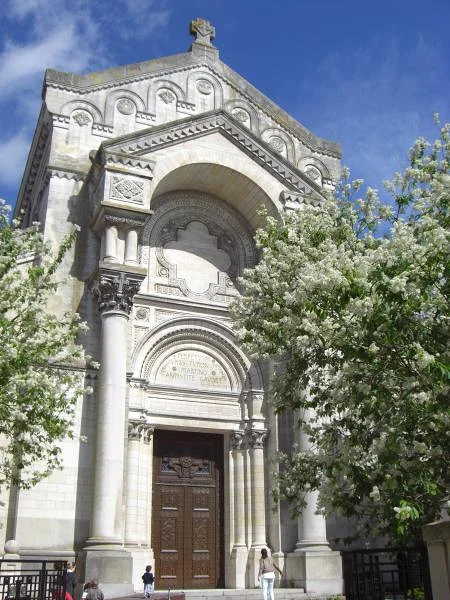
Saint-Martin, an emblematic figure of the city, is honored with a fine mausoleum in his basilica and an adjoining museum. Stop by if you have the time.
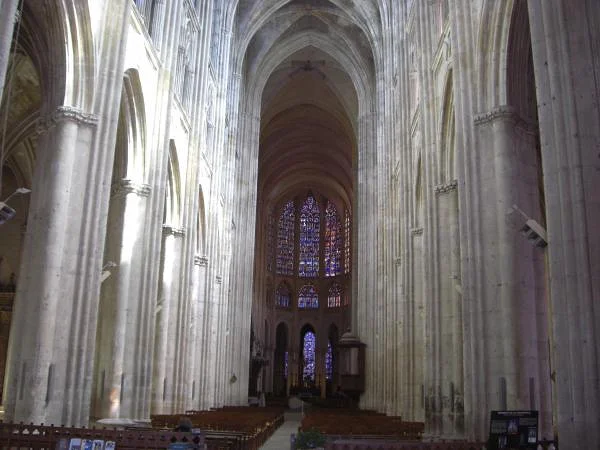
Built between the 12th and 16th centuries in Flamboyant Gothic and Renaissance styles, the stunning Saint-Gatien Cathedral is just as impressive inside as out. Its stained-glass collection shines with remarkable luminosity and variety. Right at its feet, the Psalette cloister is well worth a detour. Nearby, you can spot the Grand Théâtre, the Fine Arts Museum, and the National Conservatory of Music. Art lovers should also visit the Contemporary Art Center Olivier Debré.
Take a break in the shade of the horse chestnut trees in the superb parc Mirabeau.
A welcoming, nature-focused college town
Another major gathering spot is place Jean Jaurès, featuring the majestic city hall and the courthouse. Local favorites for walking include rue Nationale and the shopping destination rue de Bordeaux. Nearby, pause for a refreshing break at the pretty fontaine de Beaune, known locally as the lovers' fountain.
Positioned along the banks of the Loire, the Château de Tours hosts a well-documented History of Tours workshop alongside regular art exhibitions.
Unwind afterward in the botanical garden or the jardin des Prébendes d'Oé, which features a pleasant bandstand and a charming pond. As evening falls, the illuminated stone bridge offers a striking view.
If you visit in June, do not miss the musical concerts at the Grange de Meslay, a former fortified farm transformed into a prestigious venue.
Outdoor sports enthusiasts head to île Aucard, while those seeking peace and quiet prefer île Simon.
If you are traveling with children, bring them to the Vallée des Rois, Gadawi Park Sud, or Youpi Mom.
When to go
To avoid the heaviest crowds, plan your trip for May, June, or September.
How to get there
The train is the best way to reach Tours, taking a little over an hour from Paris; travelers from North America connect there first.
Getting around
Walking and biking are the best ways to explore the city.
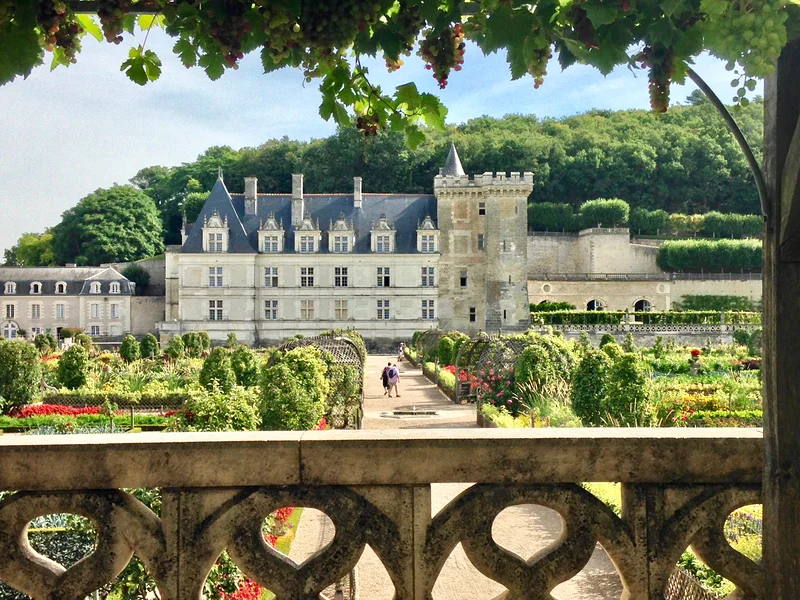
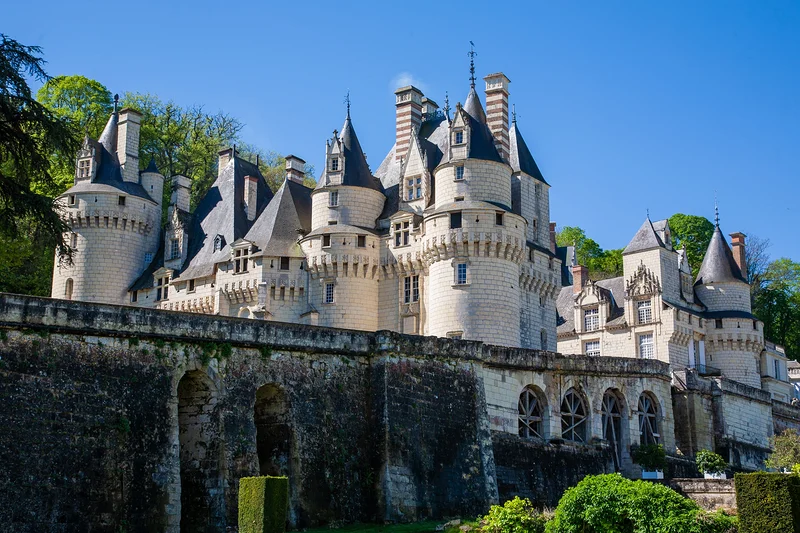
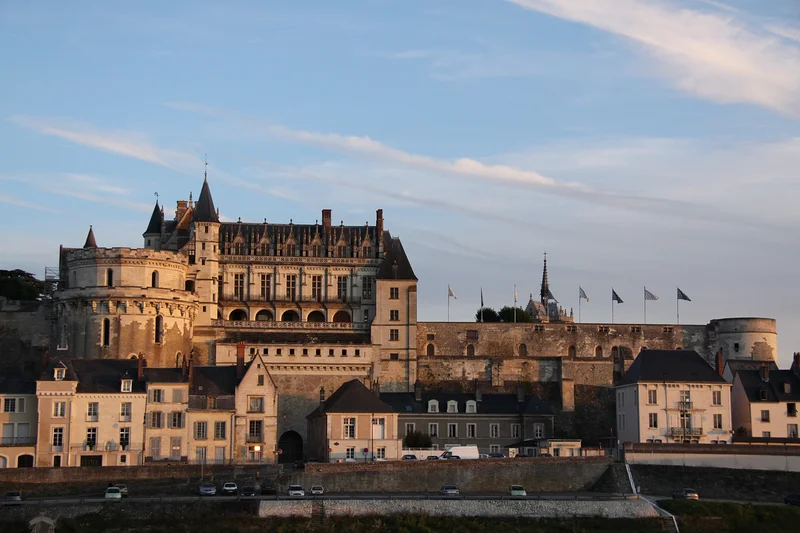
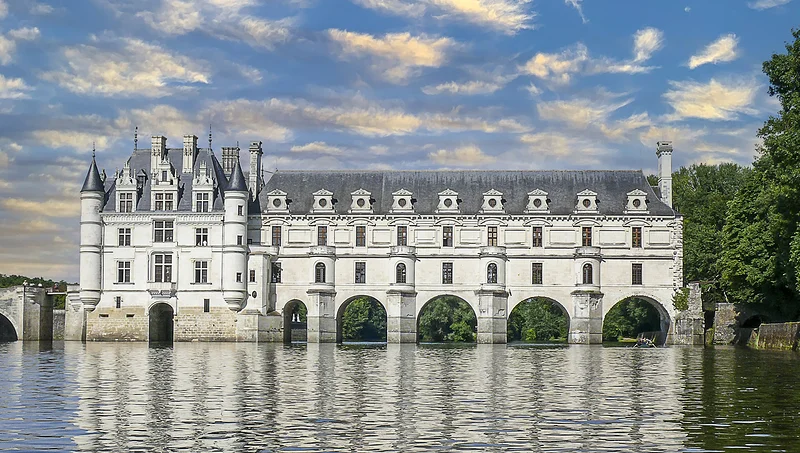
My wife and I spent two weeks in Tours, a central spot for visiting the Loire Valley castles as well as the Beauval Zoo. But the city itself is very cute, especially its downtown area. Some neighborhoods seem a bit sketchy to me, but we still had a great time in Tours. Plus, there are a lot of students, so for those who like a lively atmosphere, it is perfect!