
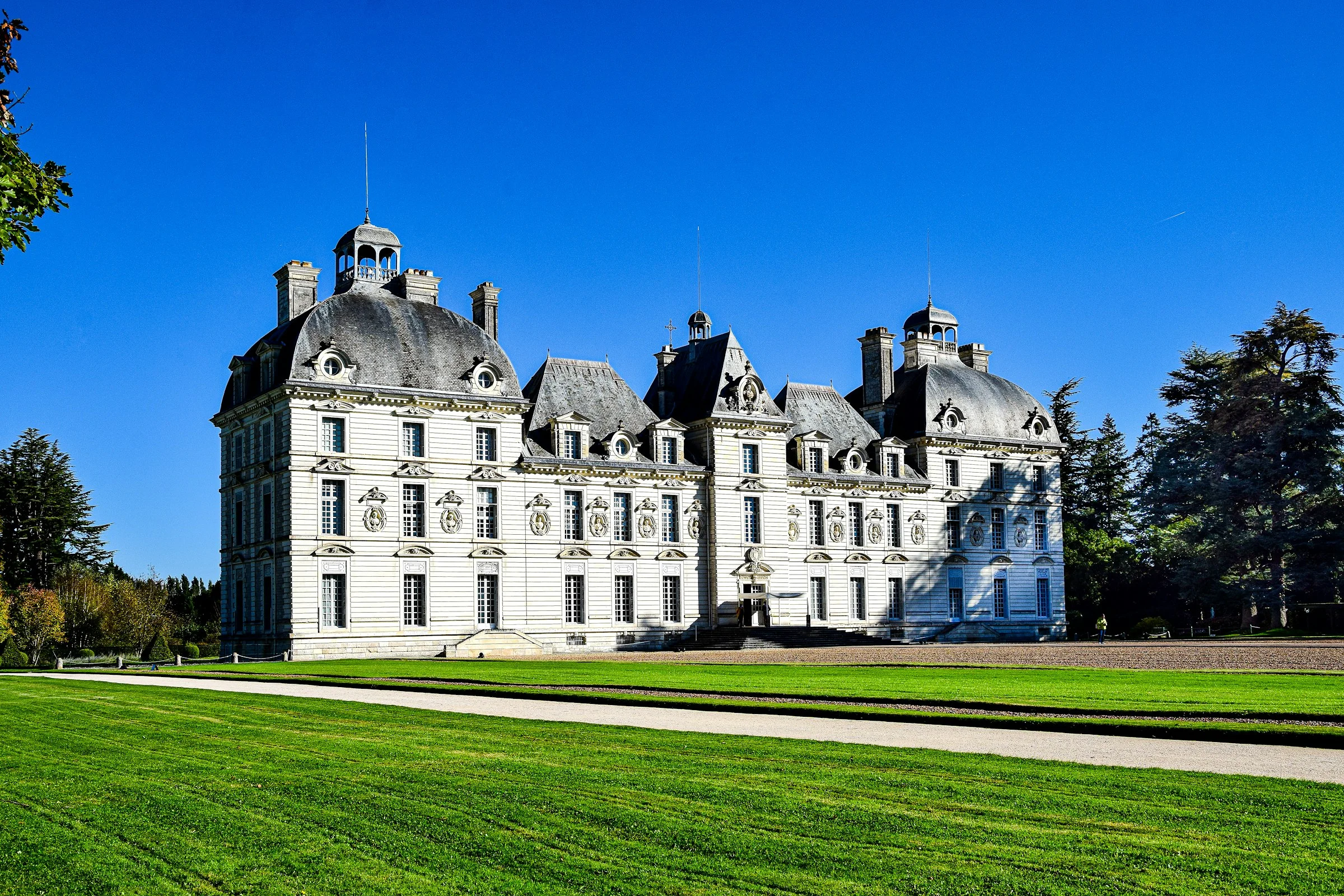
Cheverny, the Castle That Inspired Moulinsart
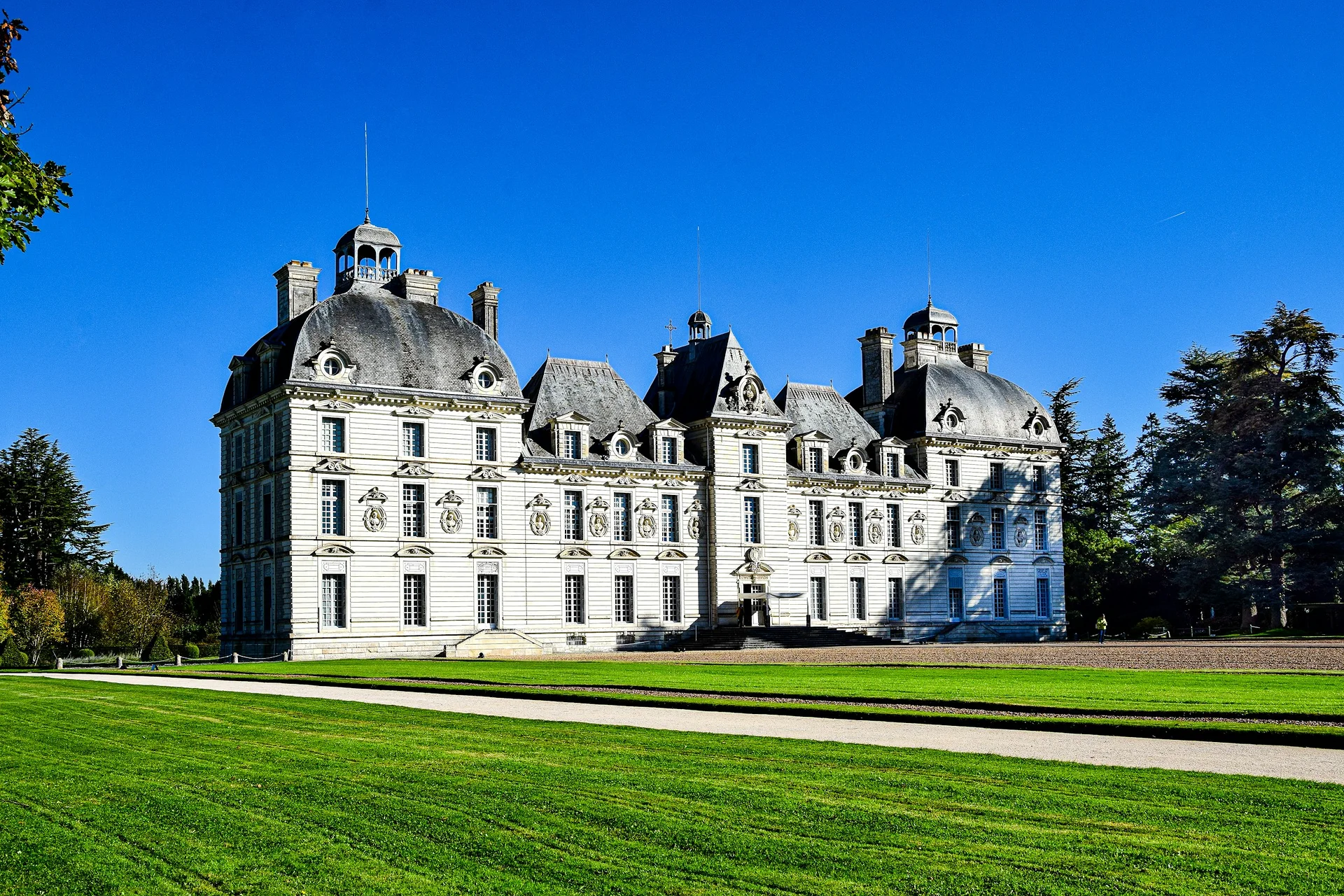
Hergé never set foot in Cheverny. He discovered this seventeenth-century estate from a photograph, mentally removed the two side wings, and created the home of Captain Haddock. Since then, generations of Tintin readers have arrived in this Loir-et-Cher village with a curious sense of déjà vu. The white stone facade, the flawless symmetry, the gray slate roofs: everything is right there, minus the sailor's swearing.
A Natural Stop on a Loire Valley Itinerary
This small Sologne village suits heritage enthusiasts who prefer intimacy over the lines at Chambord. The Château de Cheverny is the most lavishly furnished estate in the Loire Valley, and the only one inhabited by the same family for six centuries. The interiors still radiate the daily life of an aristocratic home.
Families enjoy the Secrets of Moulinsart exhibition, while adults find the pack of hunting hounds in the kennel fascinating. Cheverny appeals less to those seeking urban energy or nightlife. The village remains quiet, and shops close early. It works best as a day trip or a base for exploring neighboring châteaux.
A Reasonable Budget for the Region
Expect $17 to $23* for castle admission, depending on the options you choose. A guesthouse stay starts around $90* per night, while a terrace lunch in the village costs between $17 and $29*. Generous budgets can splurge on Les Sources de Cheverny, a five-star hotel with a Michelin-starred restaurant.
The Castle: Far More Than a Comic Book Set
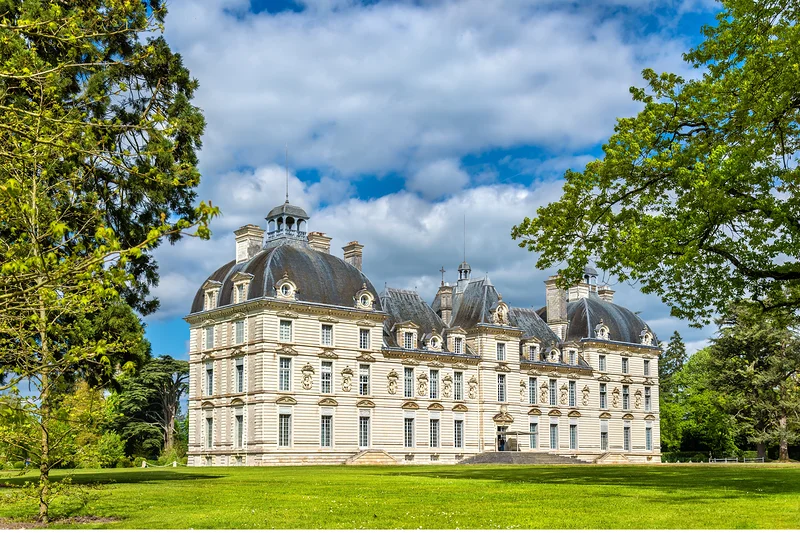
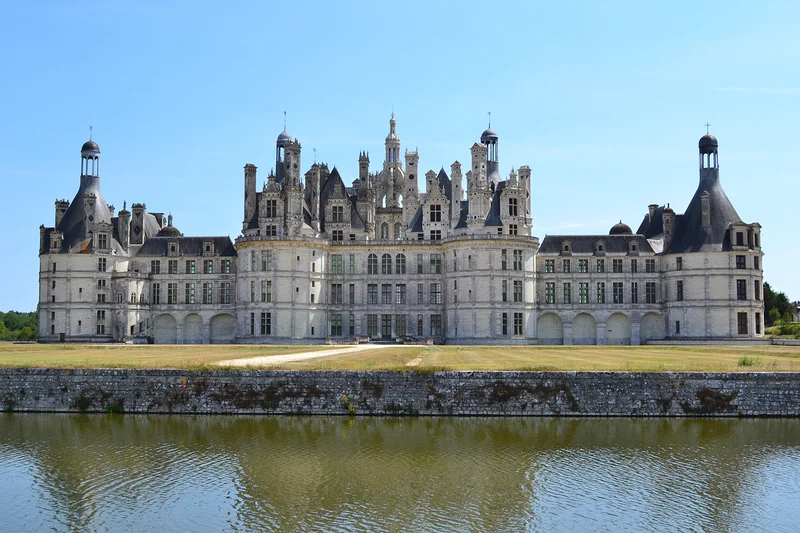
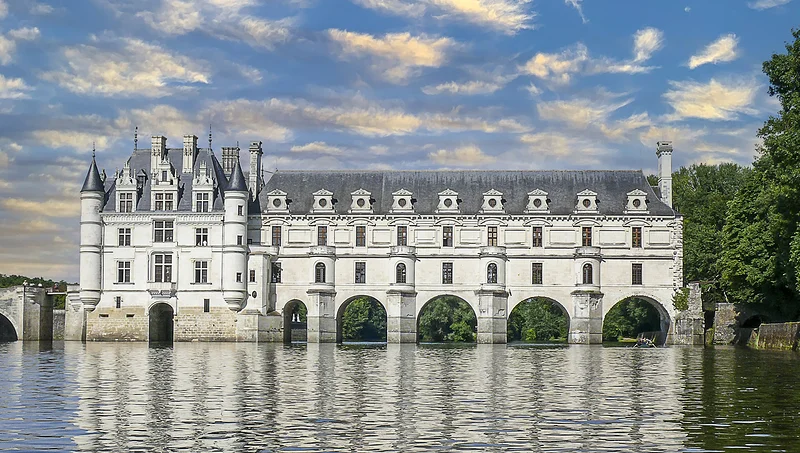
The Château de Cheverny stands apart from other Loire Valley manors. Built between 1624 and 1630 in classical Louis XIII style, it has never undergone structural changes. The south facade, inspired by the Luxembourg Palace, features strict symmetry that contrasts with the Renaissance whimsy of Chambord or Chenonceau.
Inside, the furnished apartments offer a glimpse into the daily life of a prominent French family. The dining room preserves its painted wood paneling depicting Don Quixote. The main staircase displays prehistoric deer antlers discovered in Siberia. In the children's bedrooms, family photos remind visitors that the Hurault de Vibraye family still occupies the right wing.
Friendly tip: Tour the castle in the late afternoon to avoid the crowds, then watch the hounds being fed around 5:00 PM. This pack of roughly one hundred Anglo-French hounds is one of the last remaining hunting packs in France.
The Six Gardens: A Walk Through the Seasons
The park at Cheverny spans over 100 hectares. Six themed gardens punctuate the walk: the Garden of Love featuring contemporary sculptures by Gudmar Olovson, the laurel maze, the vegetable garden, the orchard, the apprentices' garden, and the sweet garden. Each space offers a distinct atmosphere.
An electric boat ride on the canal reveals the avenue of one hundred and fifty-seven Atlas cedars and bald cypress trees dipping their roots in the water. In autumn, more than ten thousand gourds decorate the estate alongside thousands of chrysanthemums. Winter brings light displays that transform the castle into a fairy-tale setting.
Troussay: The Smallest Castle on the Loire
Three kilometers from Cheverny, the Château de Troussay is worth the detour. This Renaissance manor, inhabited year-round by the de Sainte-Marie family, gathers architectural salvage from seven regional châteaux acquired during the nineteenth century. The result is a miniature distillation of the Loire Valley.
Guided tours recount the history of Louis de la Saussaye, a friend of Prosper Mérimée, who rescued these architectural elements from destruction. The English-style park shelters centuries-old trees and a nineteenth-century vegetable garden that is still active. The outbuildings house a vintage shop blending local products with repurposed furniture.
Cheverny Wines: An Under-the-Radar Appellation
The AOC Cheverny, established in 1993, spans 500 hectares across twenty-four communes. Whites blend Sauvignon Blanc and Chardonnay to create crisp wines with citrus notes. Reds combine Pinot Gamay and Pinot Noir, delivering aromas of cherry and wild berries.
The Maison des Vins de Cheverny, in the center of the village, offers tastings starting at $7.90*. Its interactive space explains winemaking through three-hundred-and-sixty-degree projections. For natural wine enthusiasts, the Domaine Villemade in Cellettes has produced additive-free vintages since 1995.
A local curiosity: the AOC Cour-Cheverny is the only appellation in the world to produce exclusively Romorantin grapes, introduced by King Francis I in 1519. These rare, elegant dry whites are worth seeking out directly from local vintners.
Where to Eat and Drink in Cheverny?
The village has a few simple spots for lunch between tours. La Cour aux Crêpes serves savory buckwheat galettes on its shaded terrace. For a more substantial meal, L'Auberge des Sources offers careful bistro fare inside a renovated farmhouse setting, complete with a fireplace rotisserie and Loire Valley ingredients.
Food lovers should reserve a table at Le Favori, the Michelin-starred gastronomic restaurant at Les Sources de Cheverny. Chef Pierre Frindel elevates regional ingredients such as asparagus from Mont-près-Chambord, strawberries from Sologne, and blue-legged poultry. Expect between $124 and $300* for a tasting menu.
Where to Stay in and Around Cheverny?
Lodging options remain limited directly within the village. The premier address is Les Sources de Cheverny, a 45-hectare estate with a spa, pool, and two restaurants. Its forty-nine rooms are split between an eighteenth-century château, converted barns, and pond-view lodges. Rates start at $250* per night.
The Château de Troussay offers three guest suites for a more intimate experience. In Blois, located fifteen kilometers away, hotel options expand significantly, ranging from the modern Beelodge to charming guesthouses in the historic quarter.
How to Get There and Around Cheverny?
Cheverny is a two-hour drive from Paris via the A10 highway, taking the Blois exit. Three free parking lots accommodate visitors at the estate. Without a car, take the train from Paris-Austerlitz to Blois-Chambord in one hour and thirty minutes, then catch the Azalys shuttle bus to the castle for $6.80* round-trip. Coming from North America, you land at Charles de Gaulle and pick up the train at Paris-Austerlitz, or rent a car for the two-hour drive.
The village connects to the Loire à Vélo cycling route. Bike rental shops in Blois allow you to reach Cheverny in an hour of pedaling through vineyards and forests. The castle provides complimentary bicycle parking racks at the entrance.
When to go?
Spring brings blooming gardens and pleasant temperatures for cycling. Summer attracts heavy crowds, so aim for early morning or late afternoon visits. Autumn transforms the park into a palette of warm colors, highlighted by the famous gourd displays from October through November.
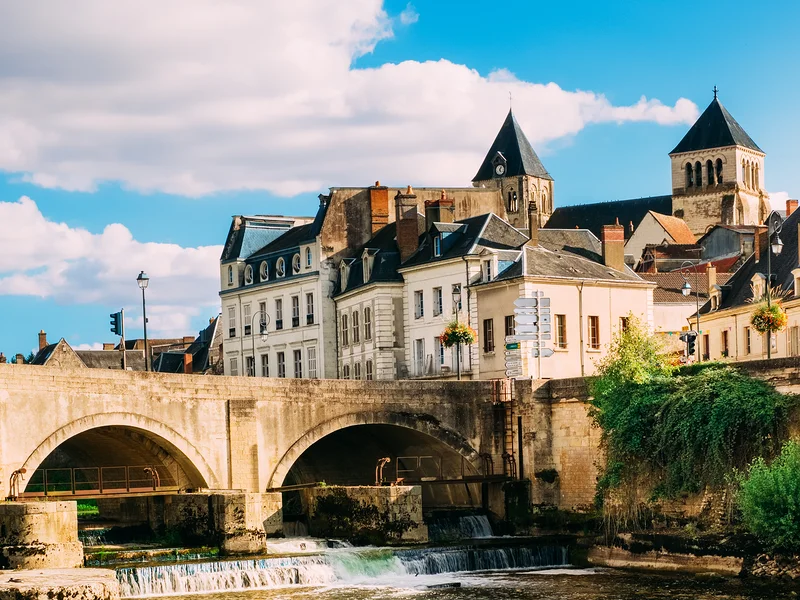
Beyond its famous castle, Cheverny also has a pretty town center. Although it is not very big, you will find some beautiful monuments there, including a superb church. When the weather is nice, there are more people and therefore more life. You can easily grab a drink or get a bite to eat there after visiting the castle.