
Visiting Blois, between royal heritage and gentle Loire living
Set right on the banks of the Loire River, Blois balances historical weight with a calm natural setting. Located in the Centre-Val de Loire region and once favored by French royalty, this city features a well-preserved old quarter, diverse museums, and a walkable pace. It serves as a practical base for travelers looking to explore the Loire Valley châteaux while enjoying a manageable city size.
An iconic castle in the heart of town
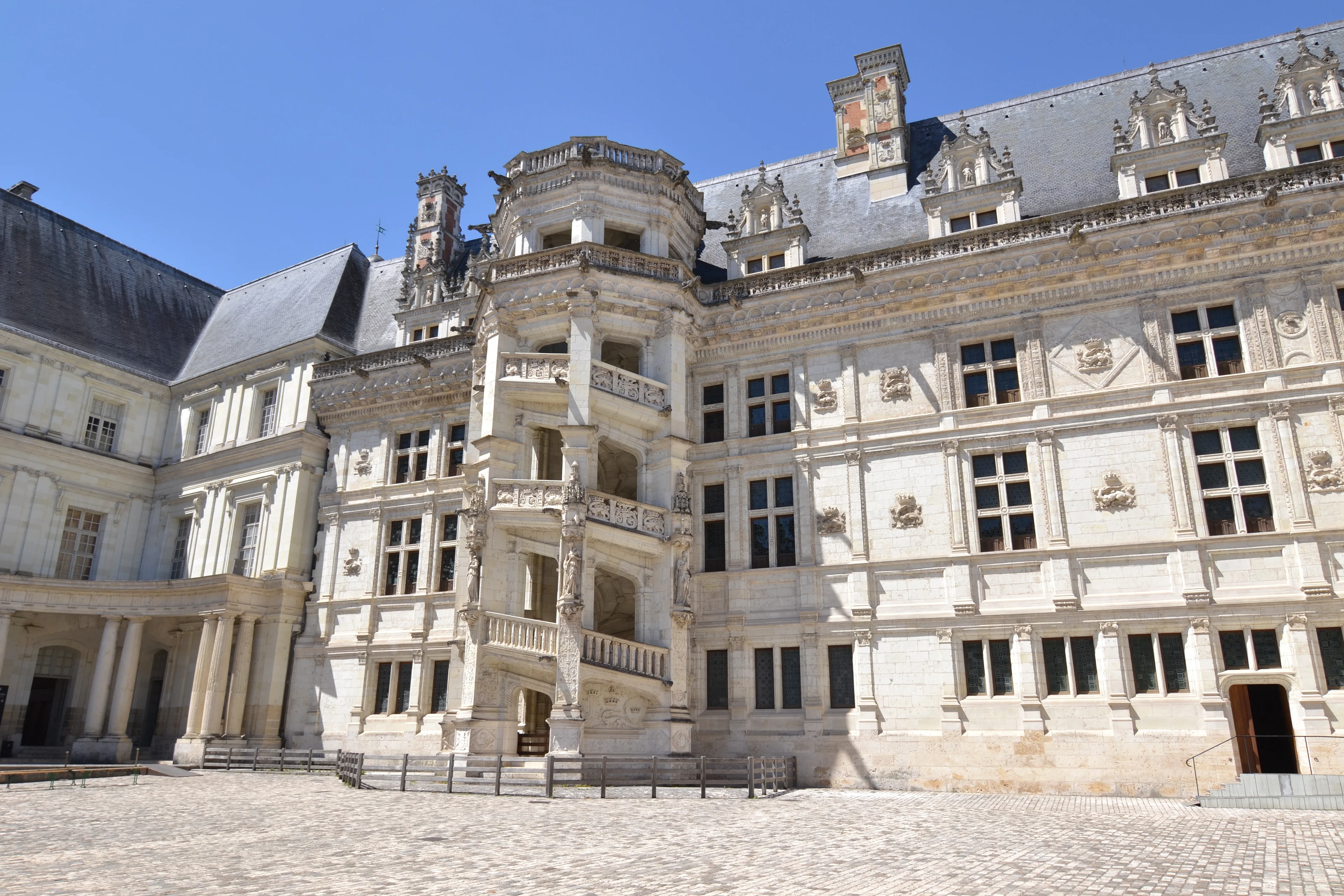
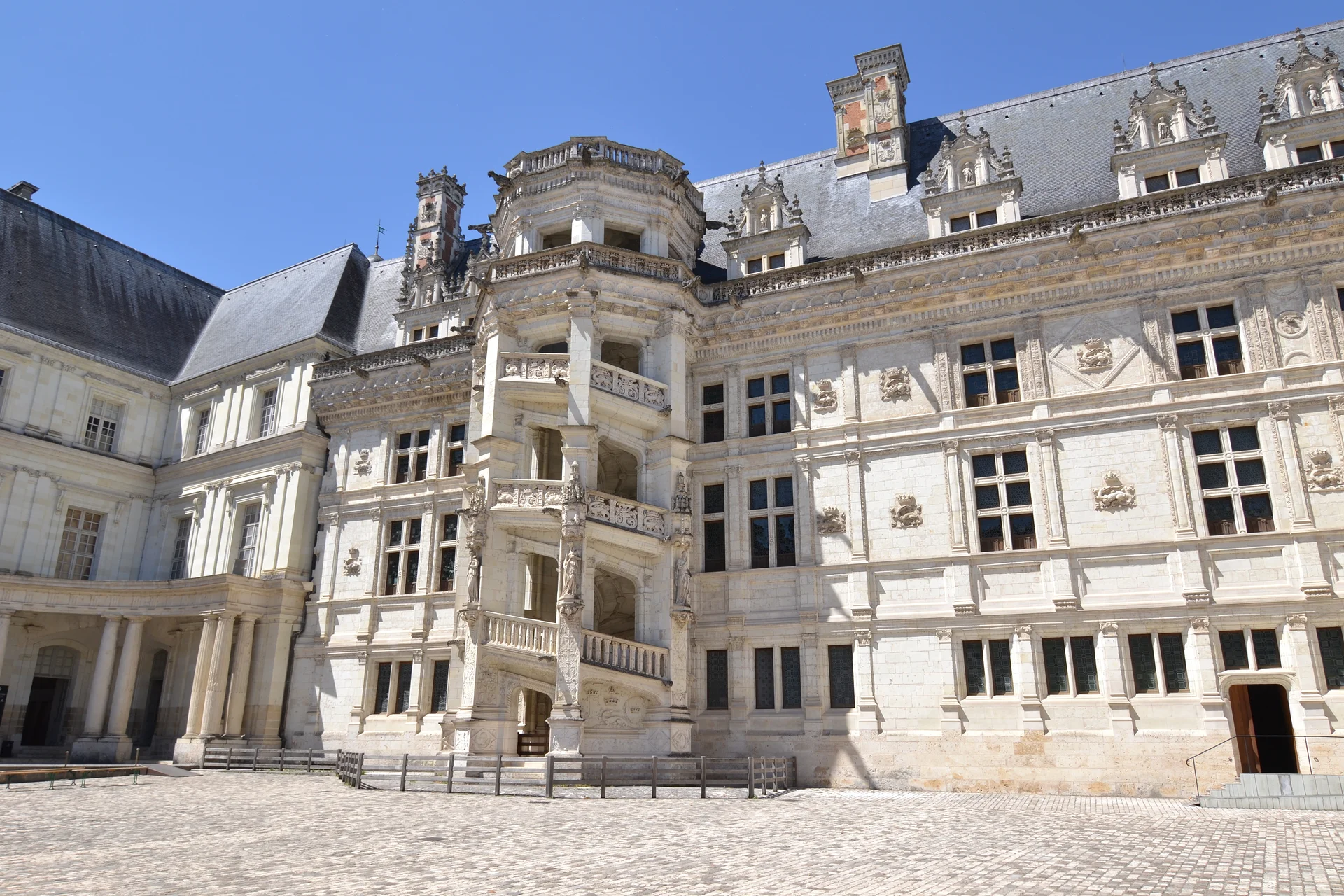
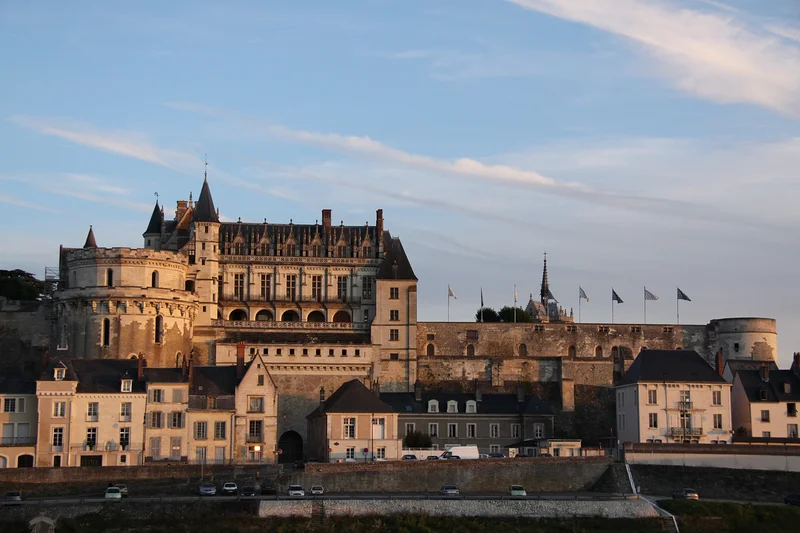
The Royal Château of Blois towers over the city from its ridge. This historic landmark shows the evolution of French architecture through Gothic, Renaissance, and classical phases. Home to several French kings, it witnessed major historical moments, including the assassination of the Duke of Guise in 1588. A tour takes you through the royal apartments, the States General hall, and the famous facade featuring the monumental open-air staircase.
A historic old town with preserved character
The historic center of Blois stands out for its cobblestone alleys, timber-framed houses, and private town mansions. As you wander around, you can spot the Saint-Louis Cathedral, rebuilt in the 17th century, and the Saint-Nicolas Church, a prime example of Gothic architecture. The Denis Papin staircase, decorated with a rotating public art mural, connects the lower town to the upper terraces and gives a wide view over the river.
Museums for every interest
Right across from the castle, the Maison de la Magie Robert-Houdin honors the famous illusionist and native son of Blois. This unique European museum features interactive exhibits and live magic shows. For contemporary art fans, the Fondation du Doute, started by artist Ben Vautier, displays works from the Fluxus movement. Meanwhile, the natural history museum (muséum d'histoire naturelle) showcases local fauna and flora.
A city connected to the river
The Loire River cuts right through Blois and shapes daily life here. The landscaped quays invite strolls, especially around the port de la Creusille, which hosts a seasonal farmers market. Traditional wooden boat tours take visitors out on the water to see the shifting river landscape. Cyclists can jump onto the La Loire à Vélo trail right through town to reach neighboring river sights.
Local food traditions
Blois highlights regional ingredients through distinct local specialties. The poularde 1550 au safran draws on a Renaissance recipe, pairing local poultry with Sologne saffron and regional white wine. For dessert, the Verger blésois combines chocolate and apple to nod at the city's chocolate-making history and nearby fruit orchards. The pavés de Blois, a sweet treat made from nougatine and praline, remain a favorite for visitors with a sweet tooth.
Where to eat
- Le Castelet (Saint-Nicolas neighborhood): A family-run spot serving traditional French dishes made with local ingredients.
- La Creusille (Loire riverfront): Seasonal cooking served inside a former post relay station, with views across the water.
- Les Banquettes Rouges (historic center): A casual bistro dishing out homestyle plates in a cozy setting.
- La Taverne (downtown): A bustling brasserie focusing on seafood and classic French mains.
Where to stay
- Hôtel-Restaurant Le Monarque (downtown): A solid 3-star option offering good value and an on-site restaurant.
- Beelodge Hôtel Blois Centre (downtown): A modern, comfortable hotel valued for its central location.
- Hôtel De France Et De Guise (historic center): A charming property near the castle featuring classic room decor.
- First Inn Hotel Blois (outskirts): A budget-friendly choice with free parking, a short drive from the center.
When to go
The best window to visit Blois runs from May to September, when the weather stays pleasant and daylight hours stretch out. Summer brings cultural events to life, including the Des Lyres d’été festival. In October, the Les Rendez-vous de l’Histoire gathering draws historians, authors, and history buffs for lively talks and exhibits.
How to get there
Blois is straightforward to reach from Paris, taking about an hour and a half by train from the Gare d’Austerlitz, with tickets starting around $17* if booked ahead. By car, the drive takes under two hours via the A10 highway. Regional bus and train connections also link Blois to Tours, Orléans, and Vierzon. If you land at Paris Charles de Gaulle, a direct TGV runs to Saint-Pierre-des-Corps near Tours, from where a regional train reaches Blois in about half an hour, sparing you the crossing of Paris.
How to get around
The center of Blois is compact enough to handle entirely on foot. A local bus network connects the outlying neighborhoods and sights. Bike-share options also let you pedal along the river banks or hook up with the surrounding regional bike paths.
While I was a little disappointed by my visit to the Château de Blois, I really enjoyed walking around the city center, which is lively and bustling in the summer. You will find plenty of restaurants, cafes, bars, and lots of shops there. The painted stairs are truly impressive, as is the cathedral. I recommend eating along the banks of the Loire.