
Visiting Chartres
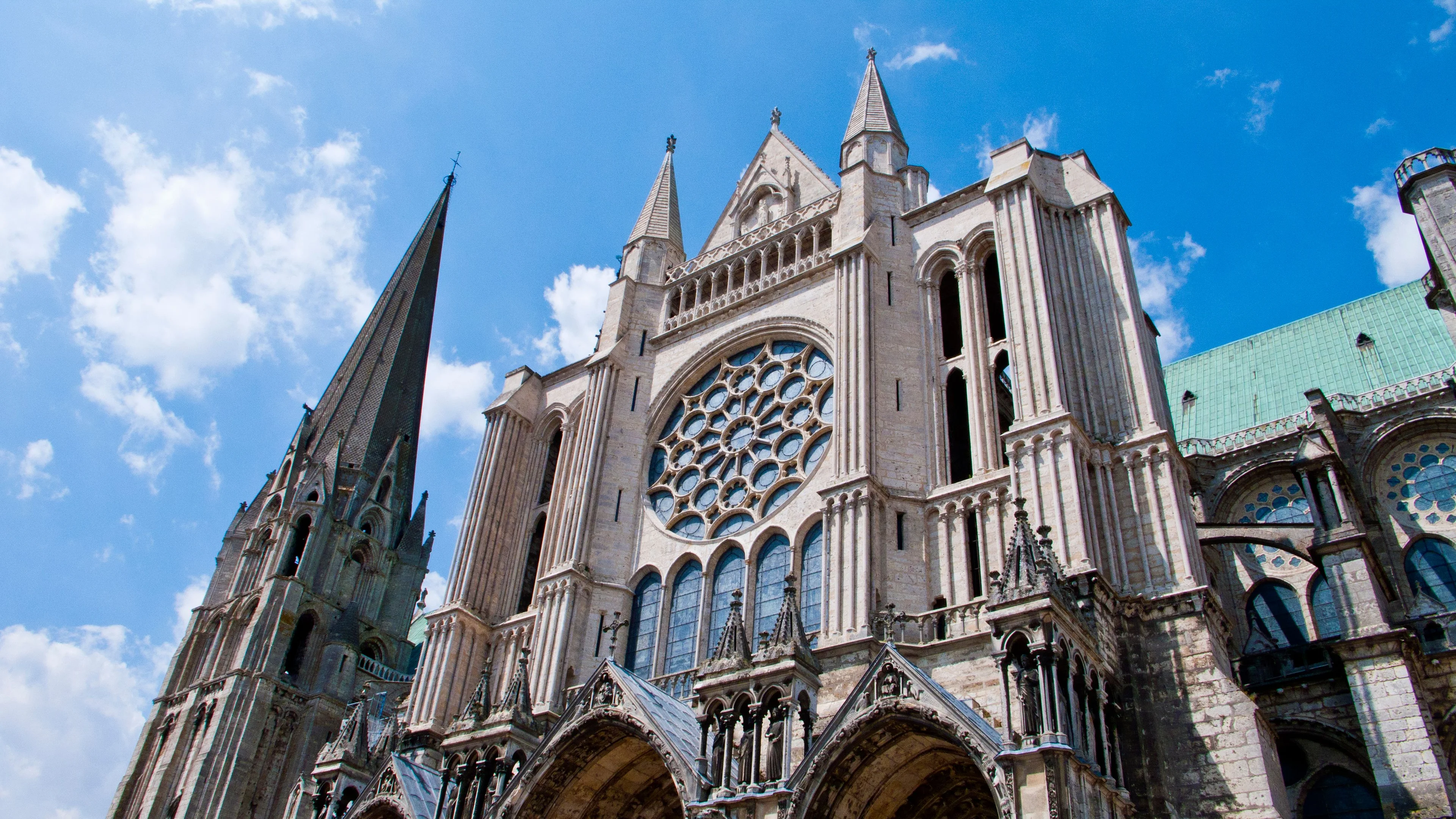
As the county seat of the Eure-et-Loir department, Chartres is famous for its cathedral, whose stunning blue stained glass windows are listed as a UNESCO World Heritage site. Notre-Dame de Chartres preserves nearly 2600m² of colored stained glass dating back to the Middle Ages and houses the famous Veil of the Virgin, which Mary is said to have worn during the Annunciation. The two bell towers of the cathedral, one Romanesque and the other Gothic, can be seen from miles away. Furthermore, the cathedral sits atop the largest crypt in France, the Fulbert Crypt, which visitors can tour in the summer by candlelight!
The Stained Glass Capital
Even today, Chartres includes numerous artisan workshops that carry on centuries-old glassblowing and stained glass techniques. Furthermore, the Centre International du Vitrail brings together 70 authentic stained glass windows dating from the Renaissance. It was founded in 1980 in the enclos de Loëns, which the bishopric once used for storing harvests. Street artists are also well represented: covered in murals depicting local heritage, the Bel-Air neighborhood attracts numerous visitors.
Nearby, the former bishop's palace has also been converted into an exhibition space. The 17th and 18th-century former palace now houses the Chartres Museum of Fine Arts. On the heritage front, admire the incredible entrance gate and the beautiful wrought iron staircase, both crafted in the Louis XV style. Inside, you will discover significant works of art such as twelve enamels made for King Francis I by enamel painter Léonard Limosin, works by painter Maurice de Vlaminck, and Soutine's painting "Choirboy." Glasswork is also featured with an exhibition of numerous pieces by glass sculptor Henri Navarre.
Heritage enthusiasts should head to the château de Maintenon to discover a remarkably well-preserved period castle with its formal French gardens and the remnants of an aqueduct initially designed under Louis XIV to divert water from the Eure river to supply Versailles!
A Pleasant Millennial City
Next, wander through the streets of the old town where you will cross paths with the oldest timber-framed houses in Chartres, such as la Maison du Saumon. The vegetable market, covered by a handsome 19th-century Baltard-style market hall, is particularly notable. Then take a stroll along the Eure river, which offers a bucolic route close to nature. On the north side, you might reach the charming Chartres horticulture garden. On the south side, walk along the Eure riverbanks park before reaching a local curiosity, the maison Picassiette, whose walls and furniture are entirely covered in mosaics!
Finally, a visit to the capital of the Beauce region would not be complete without stopping by the Compa or Conservatoire de l'Agriculture, which houses a fascinating collection of vintage agricultural machinery.
When to Go?
The warm season between May and September is ideal for visiting Chartres. Note that every evening from April through late December, the Chartres en Lumières festival takes place, illuminating all the local monuments.
How to Get There?
Chartres is easily accessible via the A11 highway, train, or bus. From Paris, expect a one-hour train ride departing from Montparnasse for a distance of about one hundred kilometres.
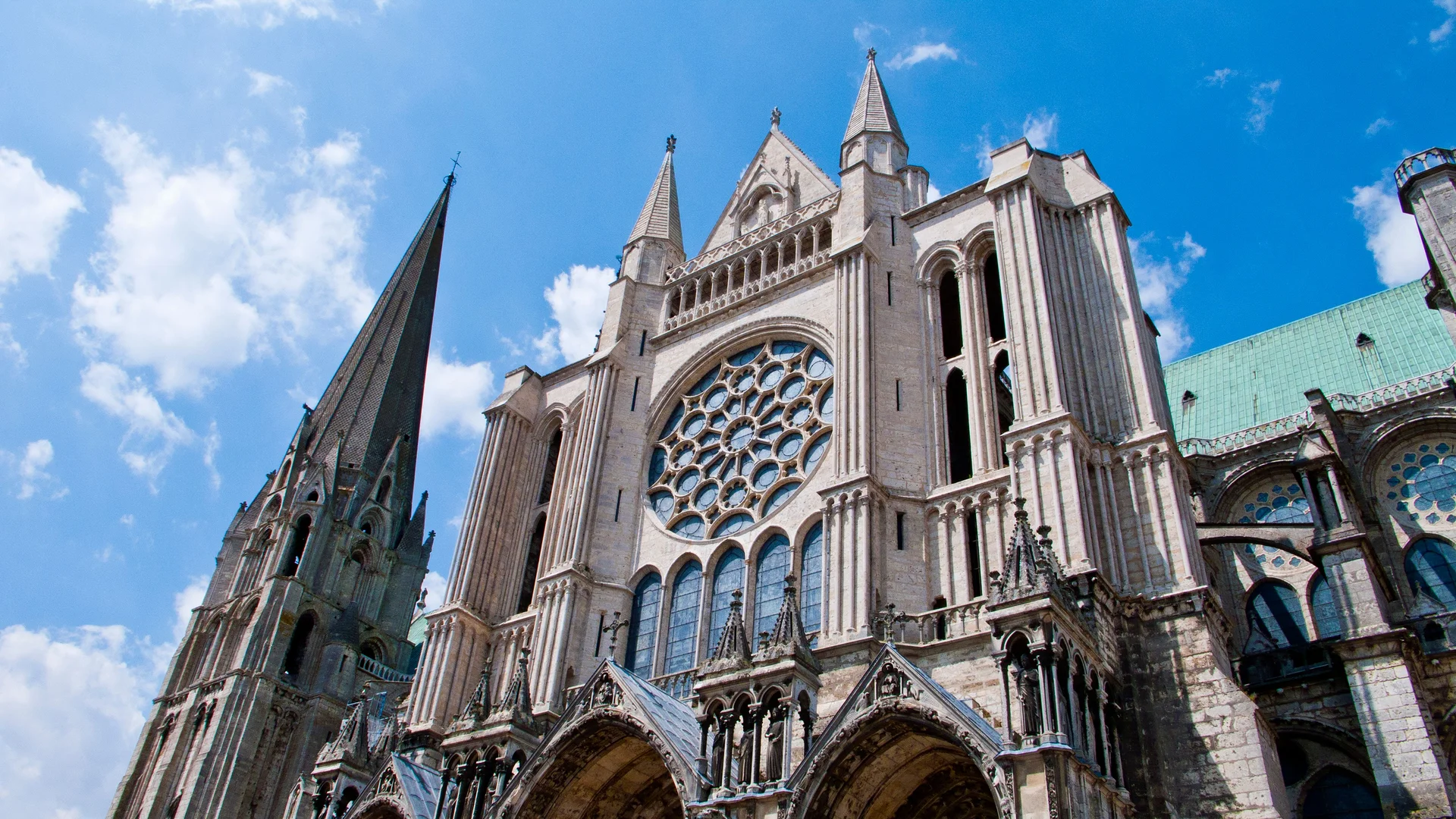

I had a very pleasant day in Chartres. The cathedral is truly magnificent. I spent a long time admiring the details of the exterior sculptures and the colors of the stained glass windows. Right next door, the Centre International du Vitrail presents a splendid collection of Renaissance stained glass. Other than that, there is not much to see, but I really like the calming atmosphere of the city. The banks of the Eure offer some lovely walks.