Pájara, the wild southern coast of Fuerteventura
The wind here never really stops. It whips sand across Sotavento, fills the sails of kitesurfers, and sweeps across the dry ravines of the Jandía Peninsula. Pájara refers to both a small inland village and a sprawling municipality that stretches all the way to the southern tip of the island.
This duality is the main draw: on one side, resort areas like Morro Jable and Costa Calma, and on the other, black volcanic cliffs, dirt tracks, and whitewashed villages.
Is this right for you?
If you are looking for wide beaches, reliable wind sports, and stark, lunar landscapes, the area checks a lot of boxes. It also suits hikers who appreciate rugged terrain and wide-open horizons.
If you are dreaming of lush greenery, buzzing city nightlife, or a packed schedule of museum visits, you might be left wanting. And without a car, getting around quickly becomes a headache.
Great for:
- beach lovers, kitesurfers, and windsurfers
- hikers and fans of arid landscapes
- families looking for long stretches of sandy beach
- anyone chasing winter sunshine
Not ideal for:
- anyone sensitive to constant wind
- travelers without a vehicle who want to explore
- those looking for a lively town vibe year-round
Practical realities
The municipality covers a lot of ground: the inland village of Pájara is about a one-hour drive from Morro Jable. The coastal resort areas pack in the hotels, restaurants, and vacation rentals. You will get by easily with English or German there, though Spanish is still useful elsewhere.
The weather stays mild almost year-round, but the trade winds keep the air brisk. Pack a windbreaker, even on sunny days.
The village and its ravines
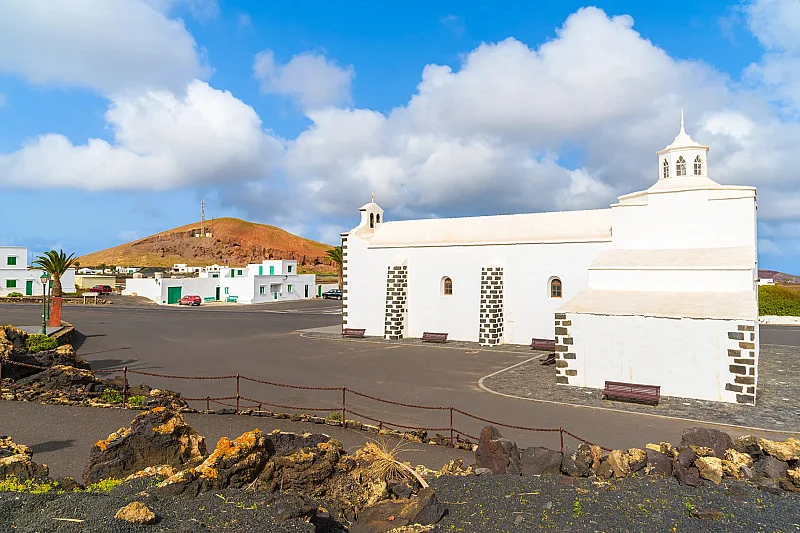
Nuestra Señora de la Regla Church
Right in the center of the village, the Nuestra Señora de la Regla Church catches the eye with its carved stone portal. Its motifs, featuring snakes and stylized felines, hint at pre-Columbian art, sparking ongoing debates about where they came from. The shaded square outside is quiet and ideal for a break.
Ajuy and its caves
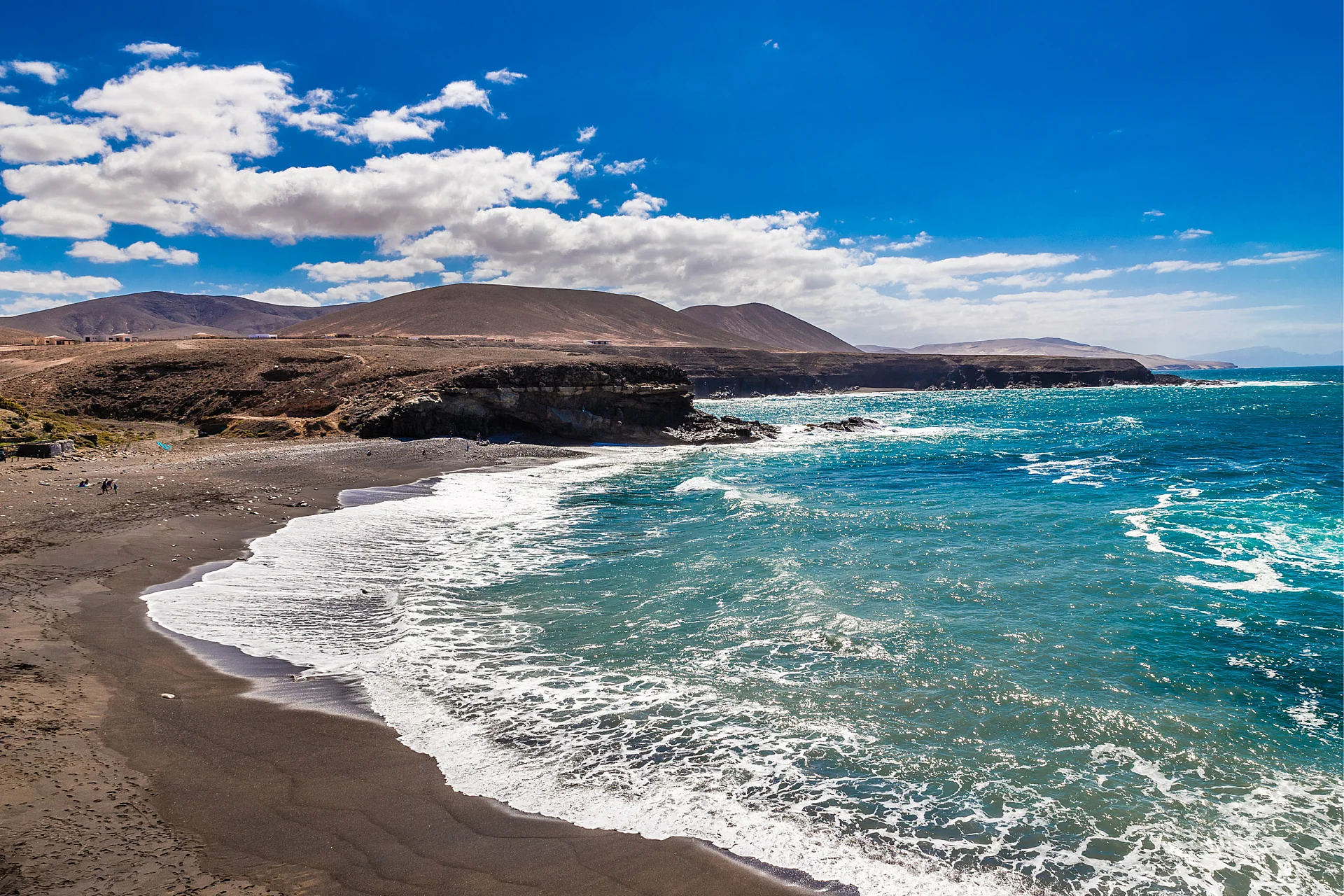
On the west coast, Ajuy is a small white fishing port sitting right next to a beach of dark sand and pebbles. A cliffside trail leads to the Cuevas de Ajuy, vast caverns carved by the ocean into some of the oldest rock formations in the archipelago. The roar of the waves inside is loud and intense.
Friendly tip: Head to Ajuy late in the day when the tour buses have cleared out and the low sun turns the cliffs red. Keep your distance from the water when the sea is rough, as waves push right into the caves.
Beaches and wind sports
Playa de Sotavento
Between Costa Calma and Morro Jable, Playa de Sotavento rolls out miles of light-colored sand and shallow high-tide lagoons. It is an internationally famous spot for windsurfing and kitesurfing, complete with on-site schools. Beginners can also find calmer waters here.
Morro Jable
The expansive beach at Morro Jable transitions into a restaurant-lined promenade. Behind it, the older fishing quarter maintains a much quieter neighborhood vibe than the beachfront strip.
Jandía, Cofete, and the mountains
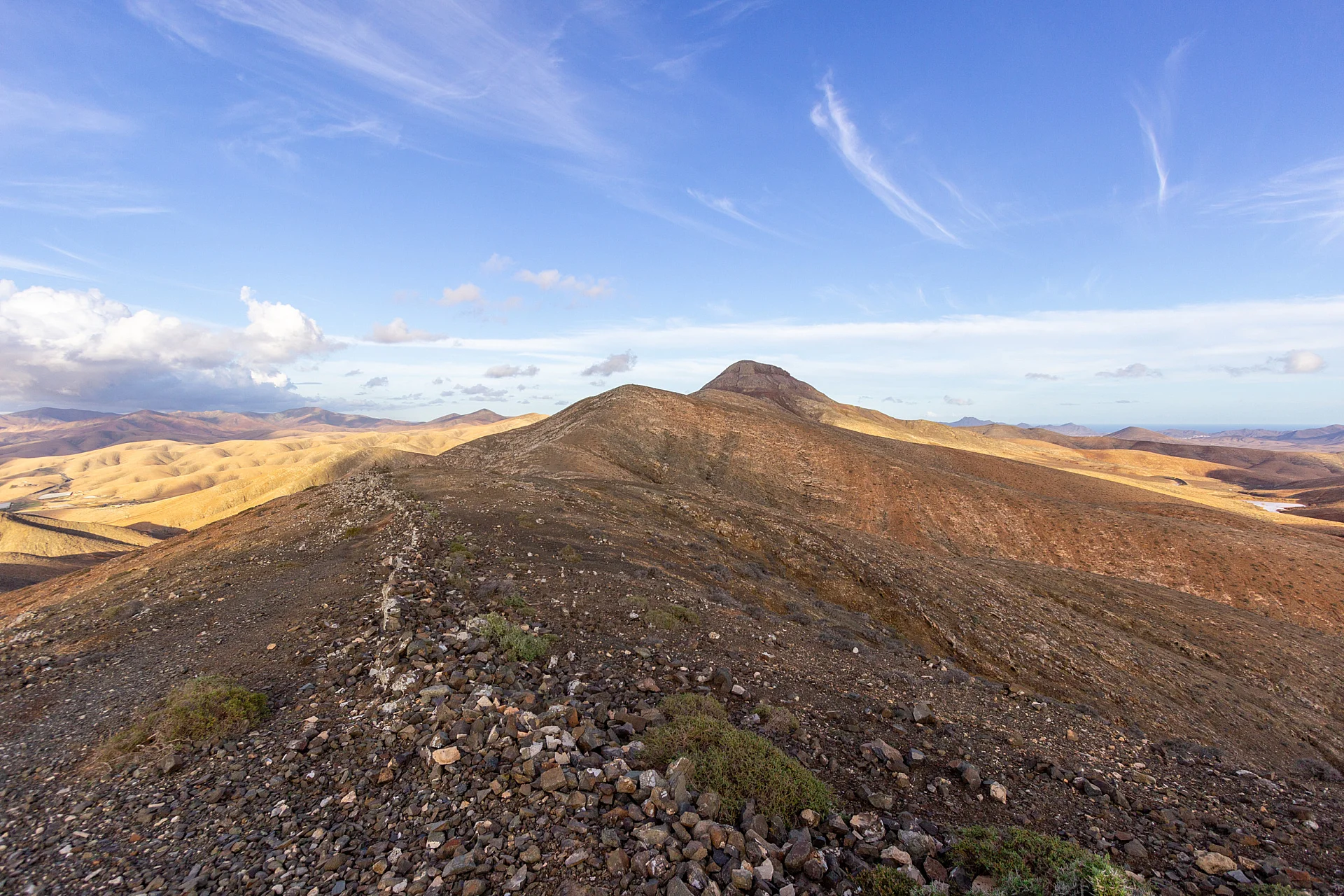
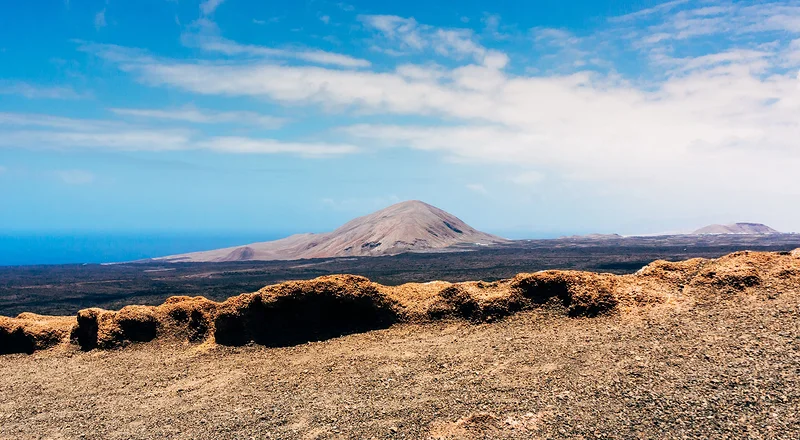
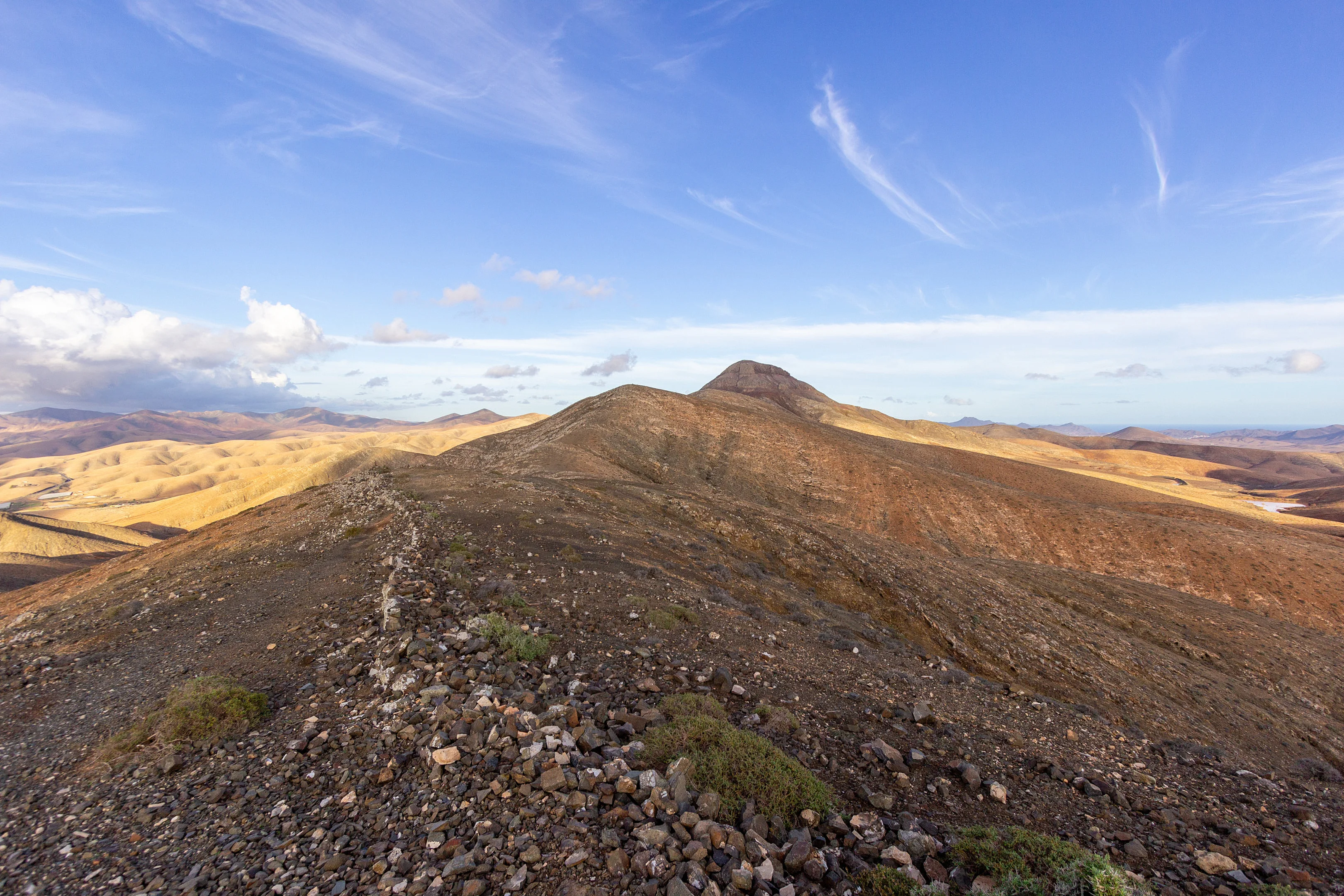
The Jandía Natural Park covers the southern tip of the island. Its highest peak, Pico de la Zarza, reaches an altitude of 807 m and towers over the entire island. Hiking trails climb up to it from the Cofete road.
On the other side of the mountain range, Cofete beach is massive, completely undeveloped, and pounded by the Atlantic. The dirt road from Morro Jable is bumpy and slow going. Perched above it all, the mysterious Villa Winter fuels plenty of local legends. Swimming here is dangerous due to strong rip currents.
Friendly tip: Check the fine print of your car rental agreement before hitting the Cofete dirt road, as some rental companies explicitly exclude unpaved tracks from their coverage.
Where to eat and drink in Pájara?
Try the queso majorero, the local goat cheese, which comes fresh, semi-aged, or rubbed with paprika. Papas arrugadas served with red or green mojo sauce accompany almost every dish. Along the coast, fresh fish like grilled vieja (parrotfish) makes for a great meal with ocean views.
To eat like a local, head to Ajuy, older Morro Jable, and the village eateries, which tend to be more straightforward than the resort spots.
Where to stay in Pájara and the surrounding area?
Morro Jable and Costa Calma concentrate most of the hotels, apartment complexes, and vacation rentals, making beach access easy. Choose Costa Calma if you want quiet surroundings and proximity to wind sports. Pick Morro Jable if you want to walk to restaurants and shops. Inland options are much more modest, featuring rural houses and small independent rentals.
How to get to Pájara?
Fuerteventura Airport, located near Puerto del Rosario, receives direct flights from across Europe. Plan for about a 1 hour 15 minute to 1 hour 30 minute drive down to Morro Jable, and a bit less to Costa Calma.
How to get around Pájara?
Intercity buses connect the southern resort towns to the airport and Puerto del Rosario. However, they do not serve isolated spots like Ajuy or Cofete very well.
Renting a car remains the most flexible choice. The main roads are in good condition, and beach parking is generally free.
When to go?
You can visit year-round thanks to a temperate climate. Winter is mild and popular with visitors. Summer brings stronger winds, which windsurfers love. The festival for Nuestra Señora de la Regla takes place around early September right in the village.