
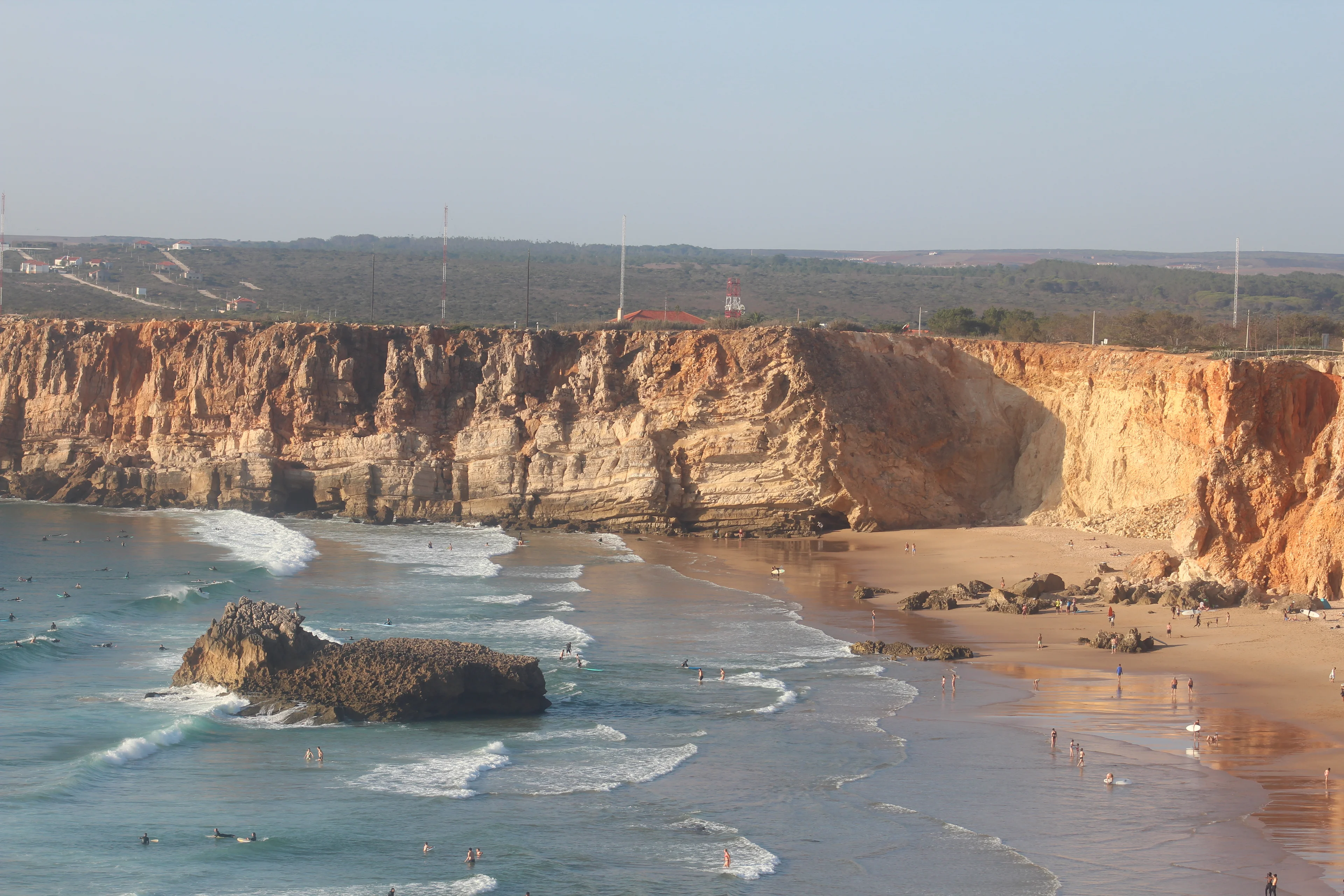


Sagres: The Edge of the World, Algarve Style
The wind calls the shots here. Out on the Sagres promontory, it whistles against the cliffs, dries the salt on your lips, and bleaches the light white by sunset. A few miles away, Cape St. Vincent marks the southwestern tip of mainland Europe.
Is this destination for you?
Sagres rewards anyone who loves wide-open horizons, Atlantic-battered cliffs, and quiet villages where people turn in early. It is an ideal base for surfing, hiking coastal trails, and watching the sky catch fire without a crowd in sight.
On the flip side, it will disappoint those looking for long, calm beaches, lively nightlife, or a packed itinerary of monuments. The village is small and the wind can be relentless.
Best suited for:
- Surfers, from beginners to advanced
- Hikers and cliff-scenery lovers
- Travelers looking for raw landscapes
- Age of Discovery history buffs
Not suited for:
- Those wanting warm, calm waters
- Nightlife enthusiasts
- Car-free travelers who want to move around constantly
Practical realities
With a population of 1,939, Sagres remains a true village featuring just a few streets, restaurants, surf schools, and scattered guesthouses. Everything happens outdoors, and the Atlantic climate is noticeably windier and cooler than the southern coast of the Algarve.
Pack a windbreaker even in summer. Exposed beaches can experience strong swells and rip currents, so always heed the flags and lifeguard instructions when present.
The Fortress and the Promontory
The Fortaleza de Sagres occupies a windswept plateau facing the open ocean. The site is tied to the era of Portuguese maritime discoveries and Prince Henry the Navigator. You walk among ramparts, wide open spaces, and sheer drop-offs.
Look for the wind rose carved into the stone pavement, a massive compass rose whose exact origin remains debated. The best time to visit is late afternoon, when the light softens and tour groups head out.
Cape St. Vincent and Coastal Trails
Cabo de São Vicente
About 6 km from Sagres, the Cape St. Vincent Lighthouse towers over hundred-meter cliffs. Sunset draws a crowd here, so arrive early to secure a spot along the stone wall.
The Rota Vicentina
The Camino Histórico and Camino dos Pescadores trails along the Rota Vicentina let you hike the coastline on foot. The terrain gets sandy in places with zero shade, so pack plenty of water.
Friendly tip: To dodge the crowds at Cape St. Vincent, head out at sunrise instead. You will have the cliffs almost entirely to yourself, but bring a warm layer because the wind packs a punch.
Beaches and Surfing
Sagres is a major surfing hub in the Algarve, thanks to beaches facing different directions. Praia do Tonel and Praia da Mareta sit closest to the village, while Praia do Beliche requires descending a steep road and a long flight of stairs.
Depending on the swell and wind, certain beaches stay more sheltered than others. Local surf schools know which break works best on any given day, so follow their lead over a rigid schedule.
Where to eat and drink in Sagres?
The sea runs the menu here. Try the grilled catch of the day, cataplanas (seafood and fish stews cooked in a traditional copper clamshell pot), and percebes (goose barnacles harvested from wave-lashed rocks, a local specialty).
For a quick break, a pastel de nata and an espresso on a sunny patio will do the trick. Restaurants cluster around the center and the fishing harbor, so make reservations during peak season.
Where to stay in and around Sagres?
Lodging ranges from surf hostels to small hotels, guesthouses, and campgrounds. Staying right in the village makes it easy to walk to dinner and drinks, while more remote properties offer extra quiet at the cost of needing a car.
Nearby Vila do Bispo provides a quieter base, while Lagos, about 35 km away, offers a wider range of hotels and nightlife.
How to get to Sagres?
The most convenient airport is Faro, located roughly 1.5 to 2 hours away by car. Direct flights connect several European hubs to Faro, and travelers coming from North America typically connect through major European gateways like Lisbon or Madrid.
Renting a car at Faro Airport is by far the most flexible option. Train travel to Lagos followed by a bus is possible, but takes significantly longer.
How to get around Sagres?
You can easily explore the village on foot. To reach remote beaches, the lighthouse, and cliff trails, a car (or a bicycle if you do not mind the headwinds) is essential. Local buses do run, but schedules are limited, particularly off-season.
When to go?
Spring and early autumn bring the best weather for hiking and sightseeing. Summer draws heavier crowds while remaining windy, whereas winter delivers powerful swells, more rain, and a much sleepier village vibe.
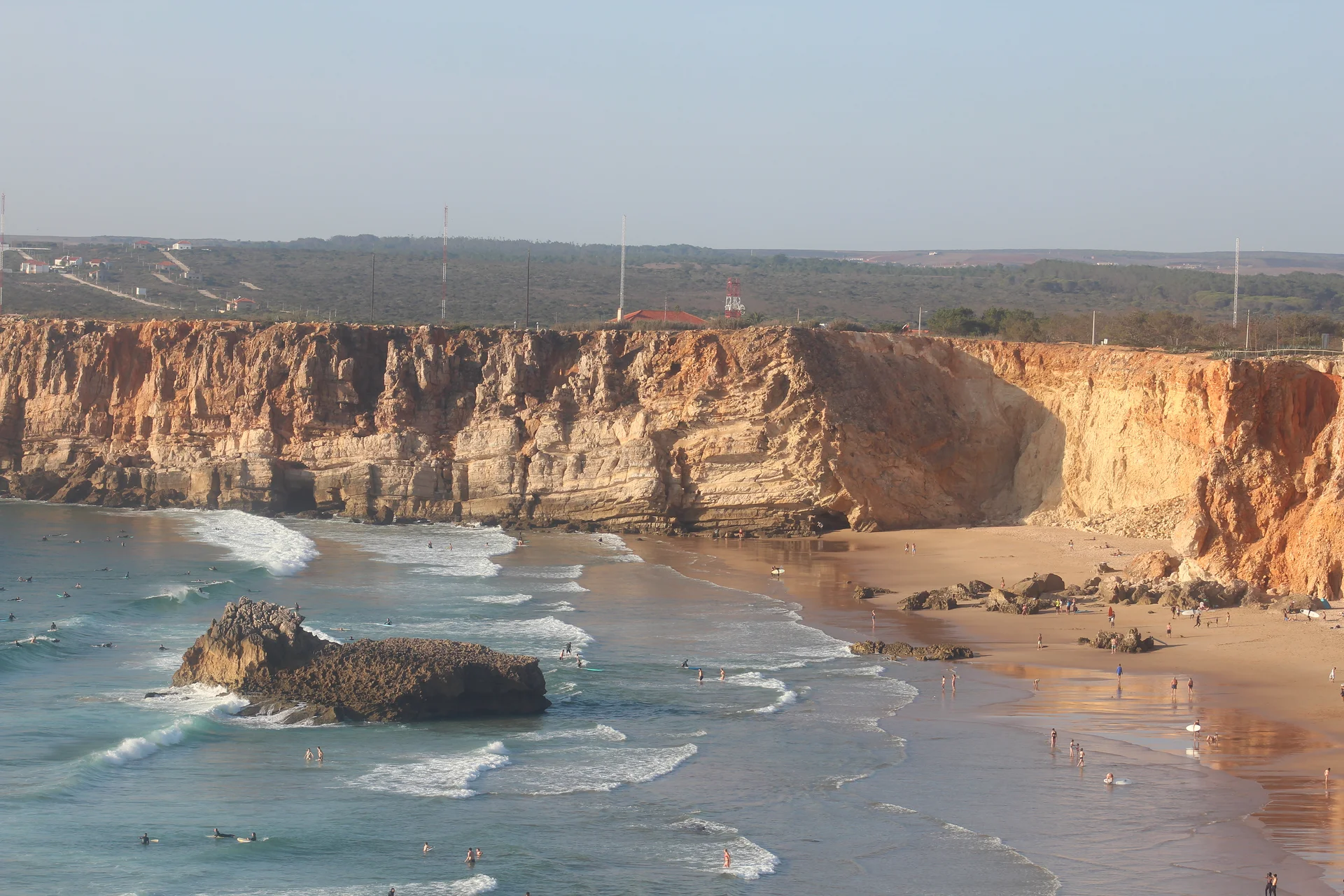


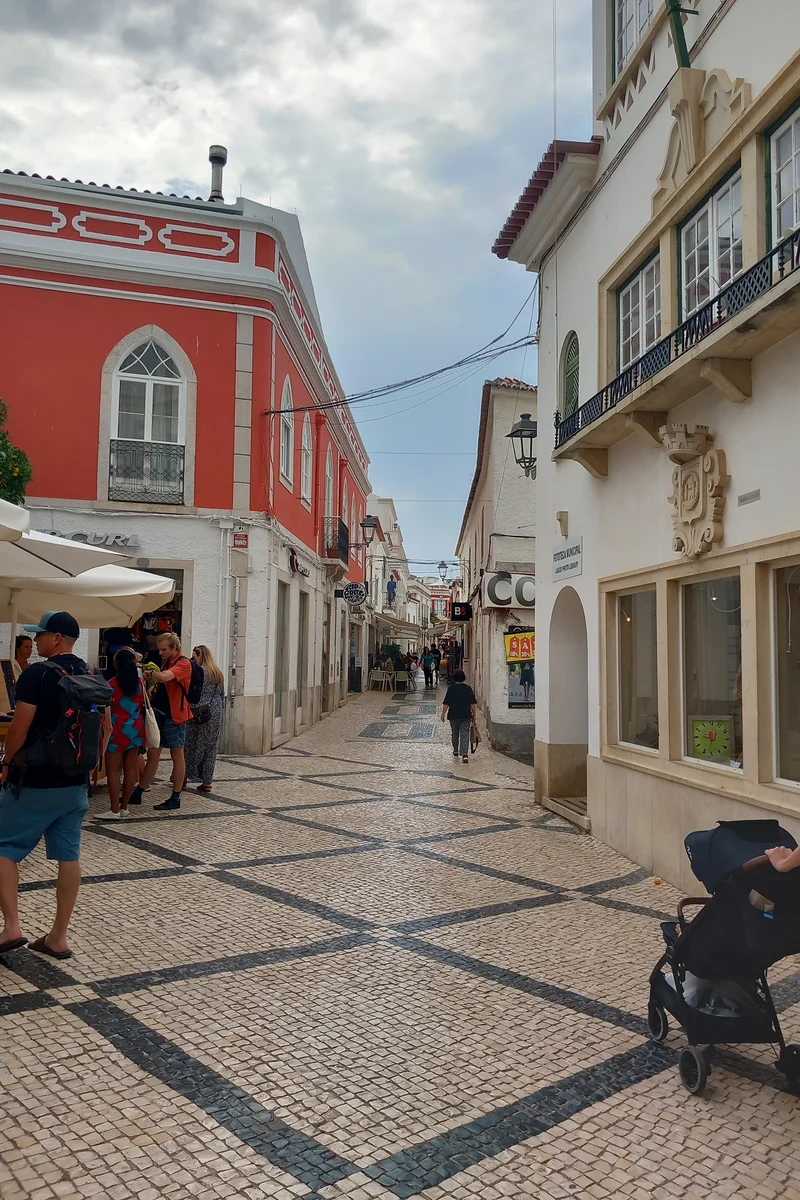
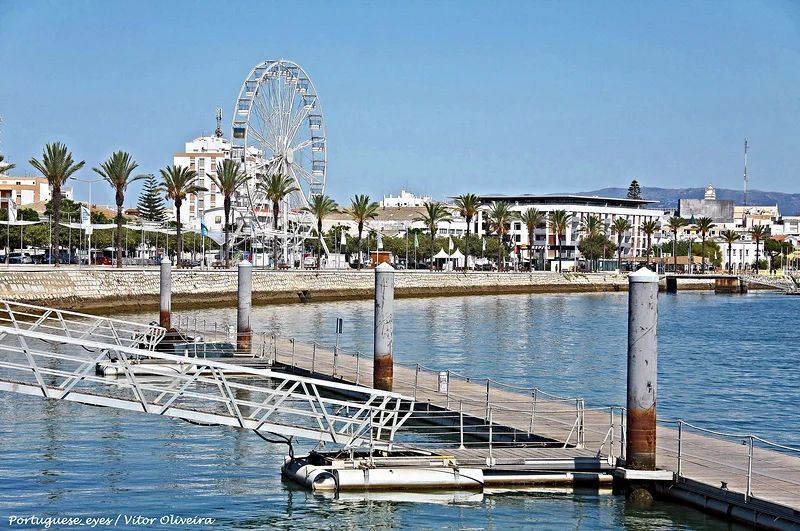
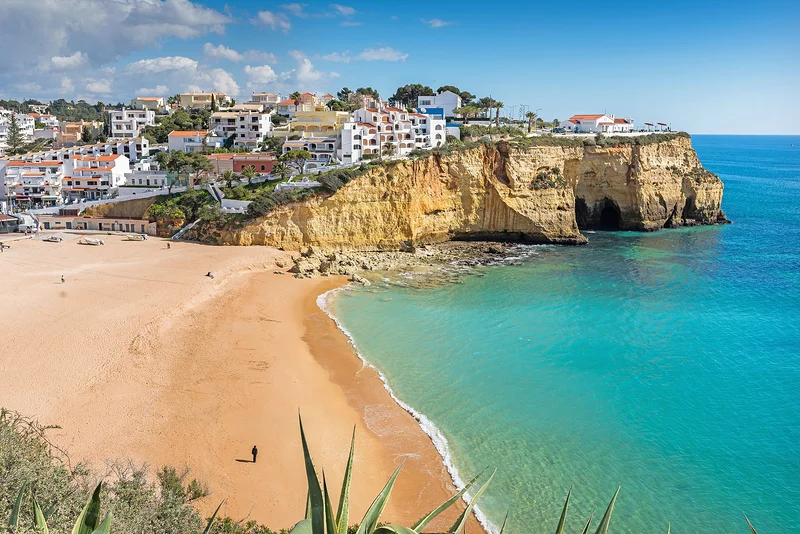
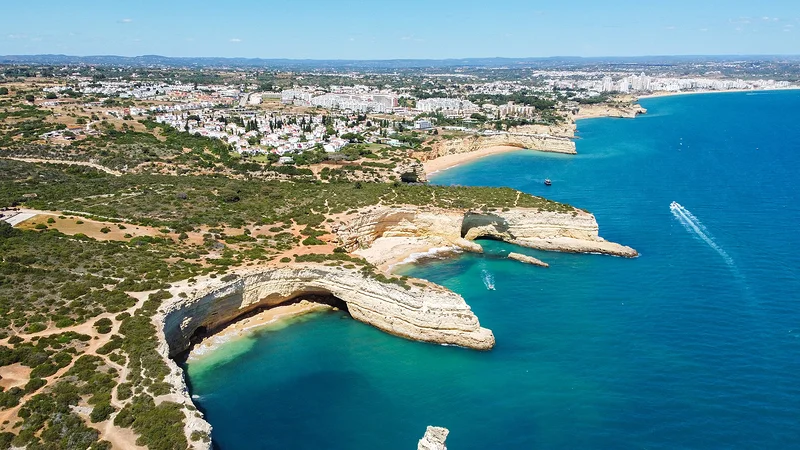
Popular with surfers, the town of Sagres is a nice stop on a Portugal road trip. As you might expect, it is very windy! But it is a friendly destination with small restaurants that have a great atmosphere. There are some very pleasant beaches and pretty viewpoints at the fortress, but also at the Cabo de Sao Vicente, which has a lighthouse and little food stands (special mention to the one named "The last sausage before America").