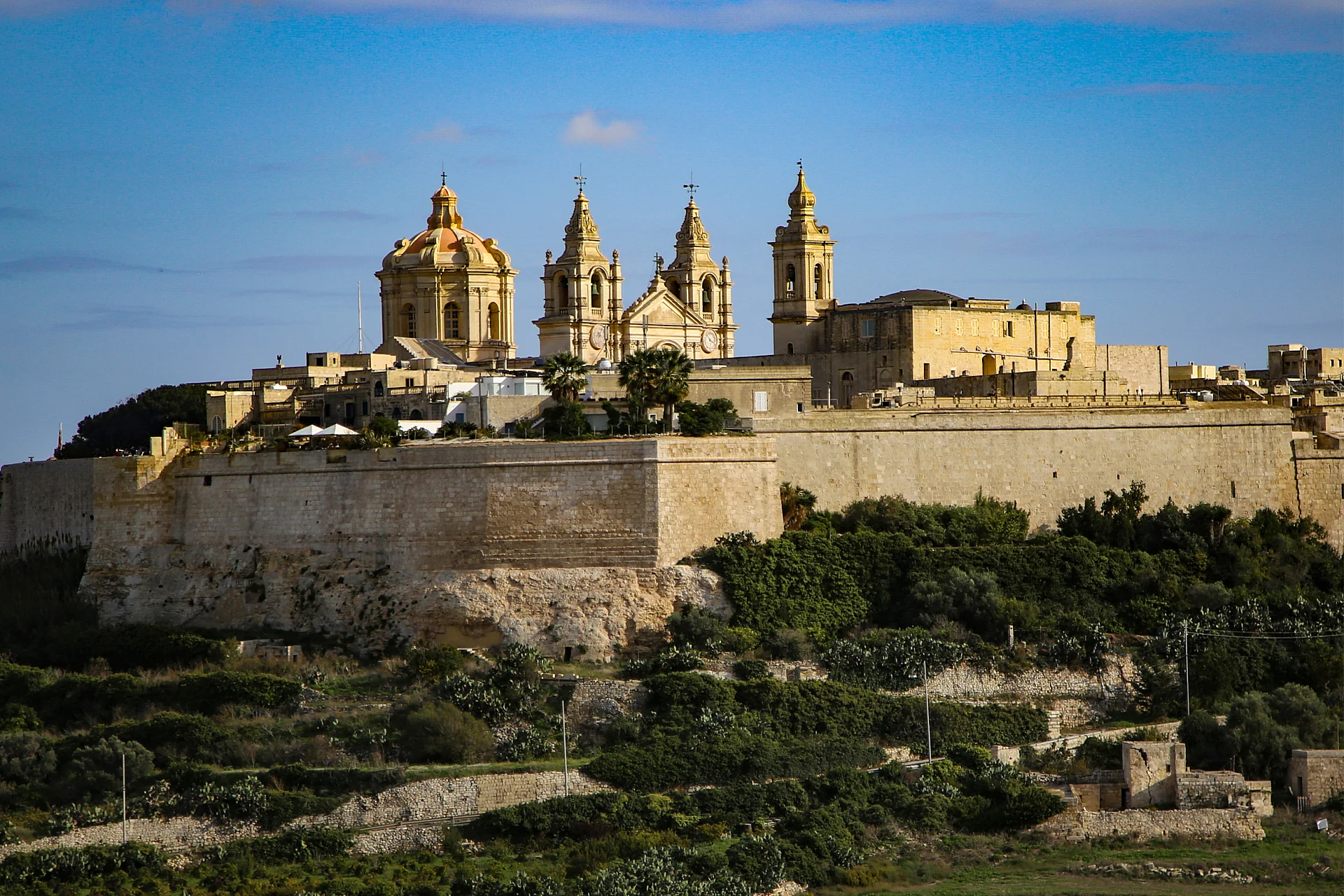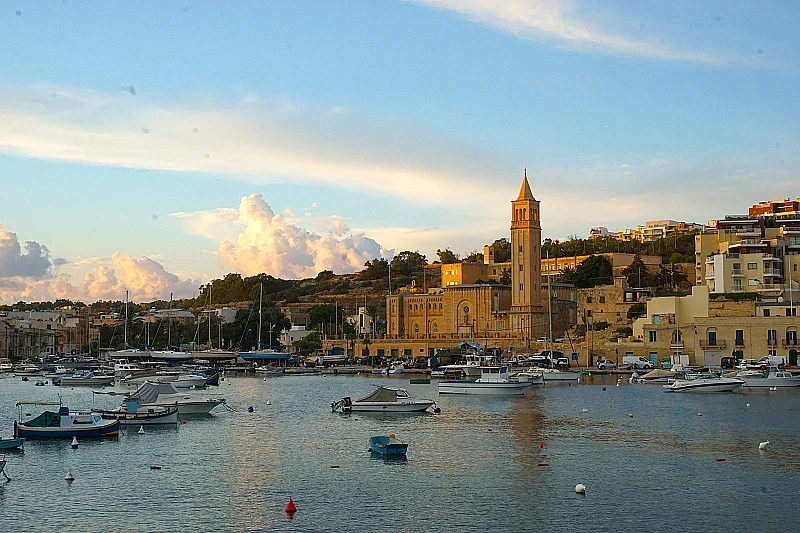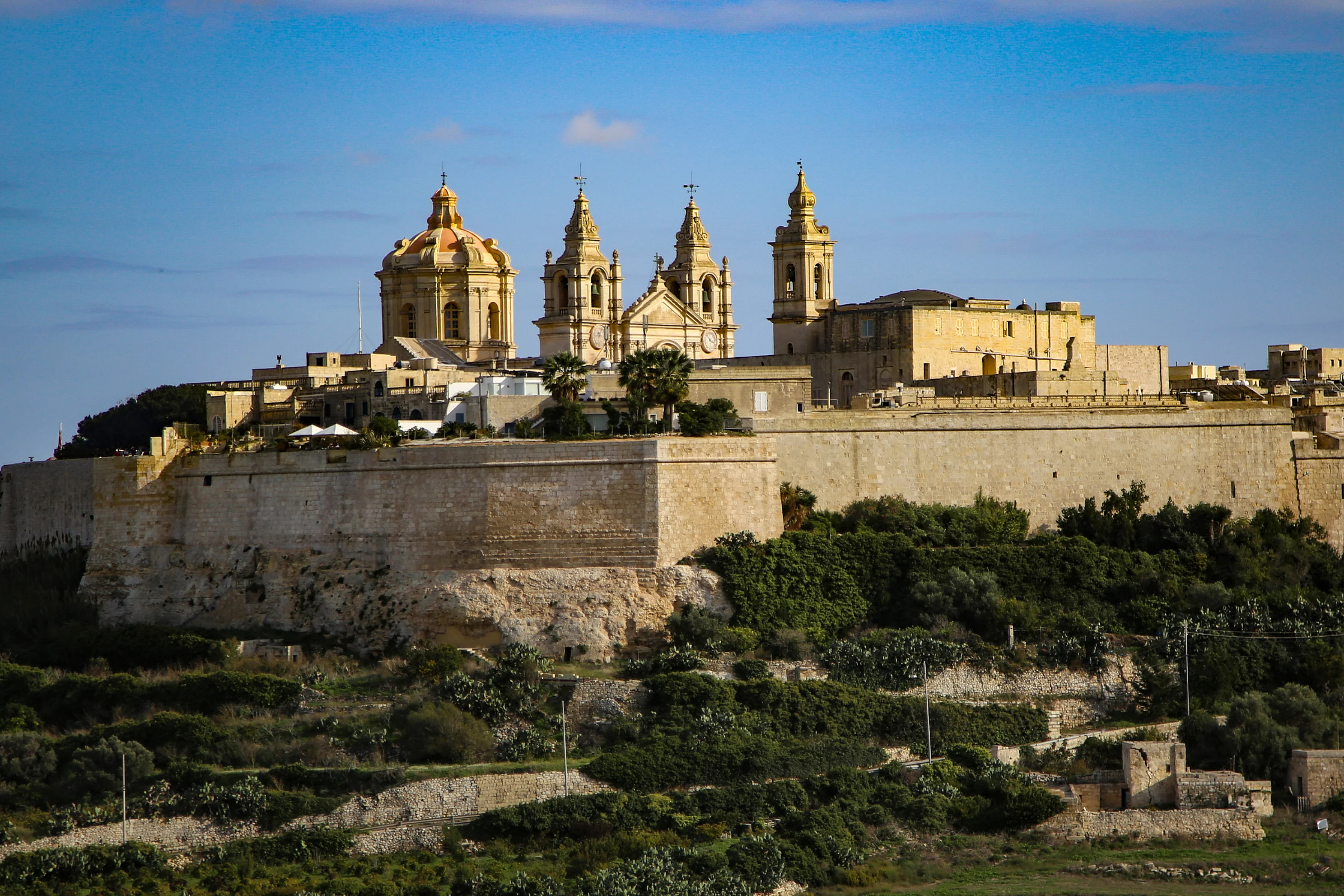
Mdina, the Silent City on its Ridge
Here, visitor cars stay outside and the noise stops at the ramparts. Beyond the gate, narrow honey-colored stone alleys form a maze where you hear nothing but your own footsteps.
Mdina served as Malta's capital until the arrival of the Knights of Saint John in the 16th century, who preferred the coast. It has kept the timeless feel of a suspended city from that era.
Is this destination for you?
Mdina appeals to lovers of heritage, photography, and slow walks. The city can be explored in half a day, and it shines brightest early in the morning or in the evening after the tour groups leave.
On the flip side, it will disappoint those looking for lively energy, beaches, or a bustling nightlife scene. With 193 residents, the evenings here are exceptionally quiet.
Great for:
- History and architecture buffs
- Photographers, especially at dawn and dusk
- Travelers looking for a short, immersive escape
Not ideal for:
- Beachgoers or party seekers
- Long stays centered around a single base
A variable price tag
Cafes and restaurants located inside the fortified walls cater to passing visitors, which often shows on the bill. The surrounding areas, particularly neighboring Rabat, tend to be much more budget-friendly.
Practical realities
The city is pedestrian-only, with vehicle traffic heavily restricted. Pack good shoes because the cobblestones are uneven and certain alleys slope uphill. English is widely spoken in Malta alongside Maltese, so communication is seamless.
Mdina is quiet and safe, with very little foot traffic after dark. Only the midday rush hours require a bit of patience.
Wandering the alleys
The main gate
You enter through the Mdina Gate, a baroque portal spanning the moat of the old fortifications. It is the city's signature sight and its most photographed spot.
Aimless lanes
The real joy is simply getting lost. The alleys narrow, the facades almost touch, and wooden balconies add splashes of color against the stone. We think Mdina is best experienced without a precise itinerary.
Cathedral and squares
The Saint Paul's Cathedral dominates a quiet square where the baroque facade catches the late-day light. The surrounding streets harbor several religious and noble buildings that give the city its distinct character.
The ramparts and views
From the bastions, the view sweeps across the island toward the north and east. Bastion Square offers one of the finest panoramas of inland Malta, highly sought after at sunset.
Friendly tip: arrive before the tour groups roll in or stay after they leave. The city recovers its silence, and the golden light makes the stone pop.
Where to eat and drink in Mdina?
A few cafes with terraces or rampart views dot the walled city. It is an ideal spot for a quick break with a pastizzi or a coffee rather than a full sit-down meal. For dinner, neighboring Rabat offers more local options.
Where to stay in and around Mdina?
Accommodation within the walls is limited, which adds to its charm but makes availability rare. Rabat, right next to the citadel, offers a wider choice within a short walk. For a more active base, the Sliema or Valletta area is more practical, though further away.
How to get to Mdina?
Malta International Airport in Luqa handles direct flights from numerous European cities. Mdina sits west of the airport in the center of the island, roughly 10 km away as the crow flies. The trip takes a taxi or bus, with possible connections.
How to get around Mdina?
Inside the ramparts, everything is on foot since the city is tiny and takes only minutes to cross. To reach Mdina from other towns, public buses serve the Rabat area right outside the main entrance.
Visitor cars are banned inside the citadel. Park outside and finish on foot.
When to visit?
Spring and fall bring pleasant temperatures for walking the ramparts. In the dead of summer, the stone radiates heat, making early morning or evening hours much better. The low sun makes the city look particularly striking.