
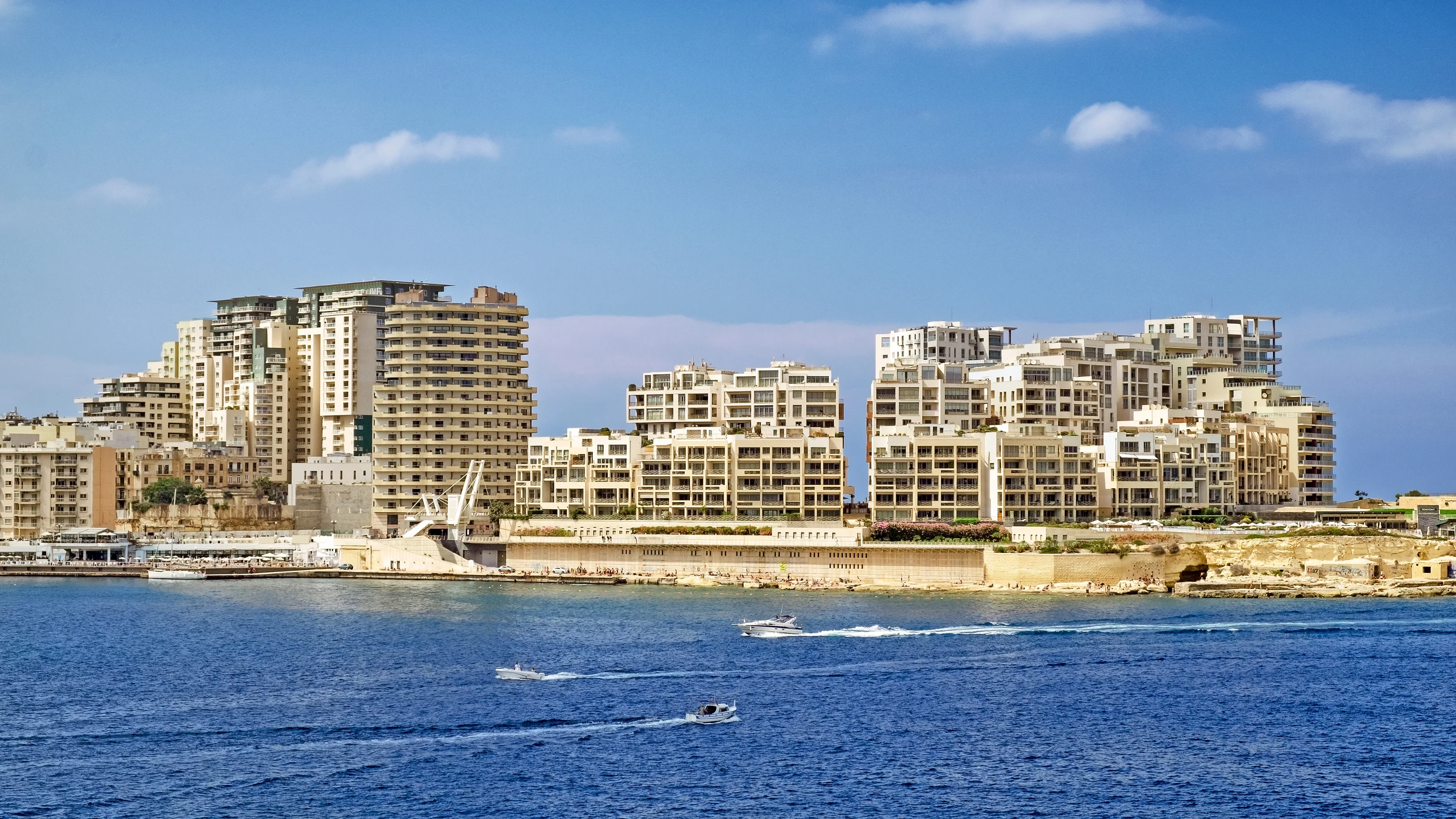
Visiting Sliema
On the eastern coast of Malta, Sliema is a resort town sitting right next to Valletta. Located 5km from the capital, the vibe shifts entirely, leaning heavily into a lively, high-energy scene. This former fishing village stacks up the appeal with an exceptional waterfront and a dense lineup of tourist spots, drawing a cosmopolitan crowd summer and winter alike. Step away from the main drags, however, and the town's history surfaces through distinctive architecture and standout buildings, proving Sliema has far more authenticity than it gets credit for.
Waterfront Living
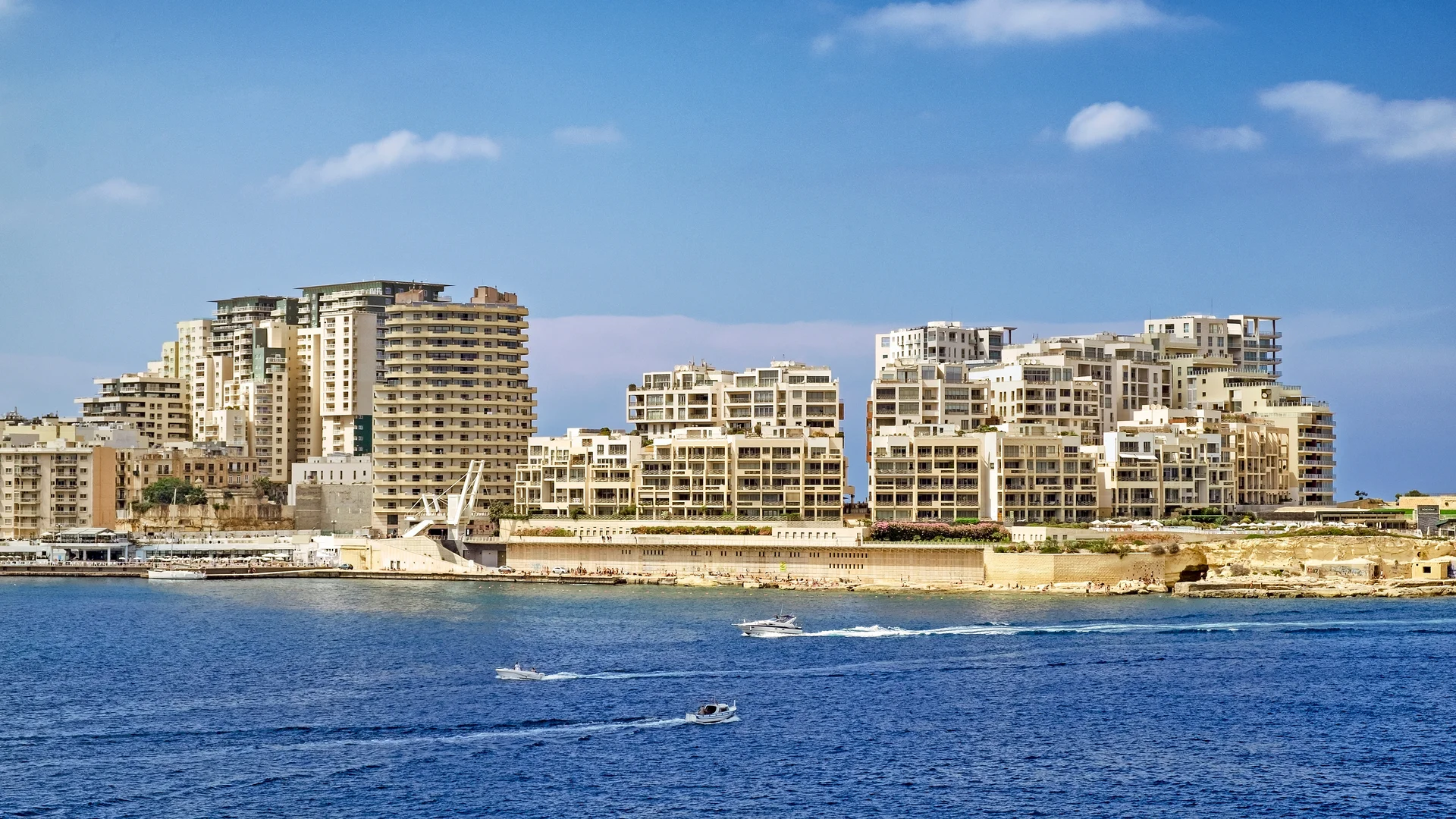
Running from Saint Julian's to Gzira, the nearly five-kilometer waterfront serves as the town's central heartbeat. The harbor stays active with local fishermen and tour boats. While the sea is everywhere, sandy beaches are nowhere to be found, as flat rock formations have been adapted for lounging along the shore. Some swimming spots feature stairs or ladders leading straight down into the Mediterranean, such as Fond Ghadir, one of the more picturesque stretches complete with Roman rock-cut salt pans. Lined with restaurants and cafes, the bay promenade shines day and night, drawing crowds of walkers taking it all in. At the tip of the pier, Fort Tigné recalls the town's defensive past. Built by the Knights of Malta in 1793 with a circular keep, this imposing fortress stands out as one of the earliest polygonal structures. Tigné was the surname of one of the knights, and today it also labels Sliema's massive and energetic shopping mall, Tigné Point. Not to be confused with Tigné Bridge, which offers one of the best viewpoints of the capital and serves as a spot where couples attach padlocks to seal their romance. Across the water, Manoel Island and its 1755 bastion fort elevate the landscape and are well worth the trip across the bridge from Gżira.
Charming Victorian Architecture
Head up toward Triq It-Torri and you cannot miss the Saint Julian's Tower, a stone watchtower dating back to 1658. To really get to know Sliema, step away from the heavily commercialized main avenues like Bisazza Street. On side streets like Santa Marija, older neighborhoods showcase colorful traditional balconies framing striking Victorian-era facades. While the Portomaso Business Tower, in neighbouring St Julian's, ranks among Malta's tallest buildings, Stella Maris church offers a different slice of heritage, built starting in 1853 and remodeled over the years. Finally, the urban gardens serve as peaceful green pockets, and at Independence Garden, the local stray cats will gladly remind you that you are sharing the park benches with them.
When to Go
Temperatures stay very mild from April to November, though winter still delivers plenty of sunny days. June and September help you dodge both extreme heatwaves and peak crowds. Late February brings carnival colors to the streets, and between April and May, the international fireworks festival takes over the skies.
How to Get There
Malta is reached by air via the international airport in Luqa, located 12 km from Sliema. Buses and taxis handle the transfer from there.
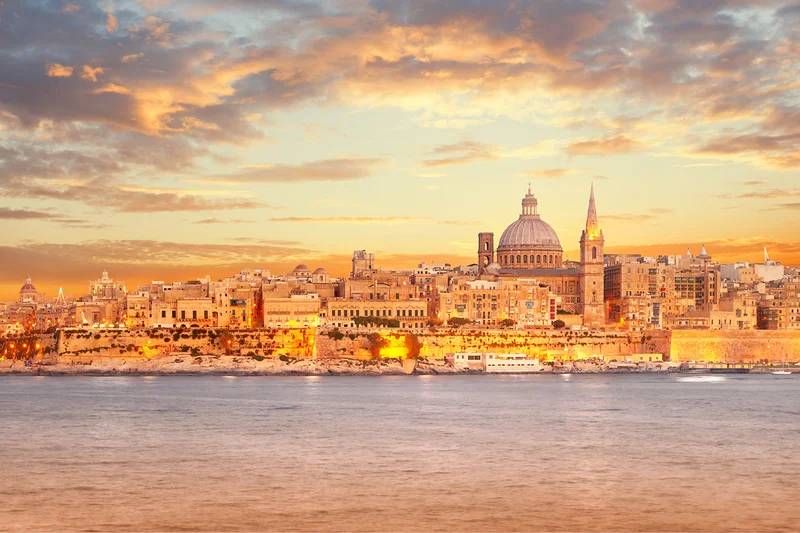
I spent 7 days in Sliema with 6 friends at the superb Jones hostel. It is THE (only?) city in Malta that is actually lively. There is a really great vibe in this town near the capital, Valletta, but that is about it. The island of Malta is very small, you can see it all pretty quickly, and if you are not interested in the church and its history, the only fun things to do are the beaches and the diving spots. (Still beautiful, though)