Visiting Malta, a Mediterranean island rich in history
Set right in the middle of the Mediterranean, Malta is a compact archipelago packed with centuries of history, diverse landscapes, and a rich cultural heritage. If you want a destination combining sandy shores, quaint villages, and ancient ruins, this island delivers.
Valletta: A compact capital with a dense past
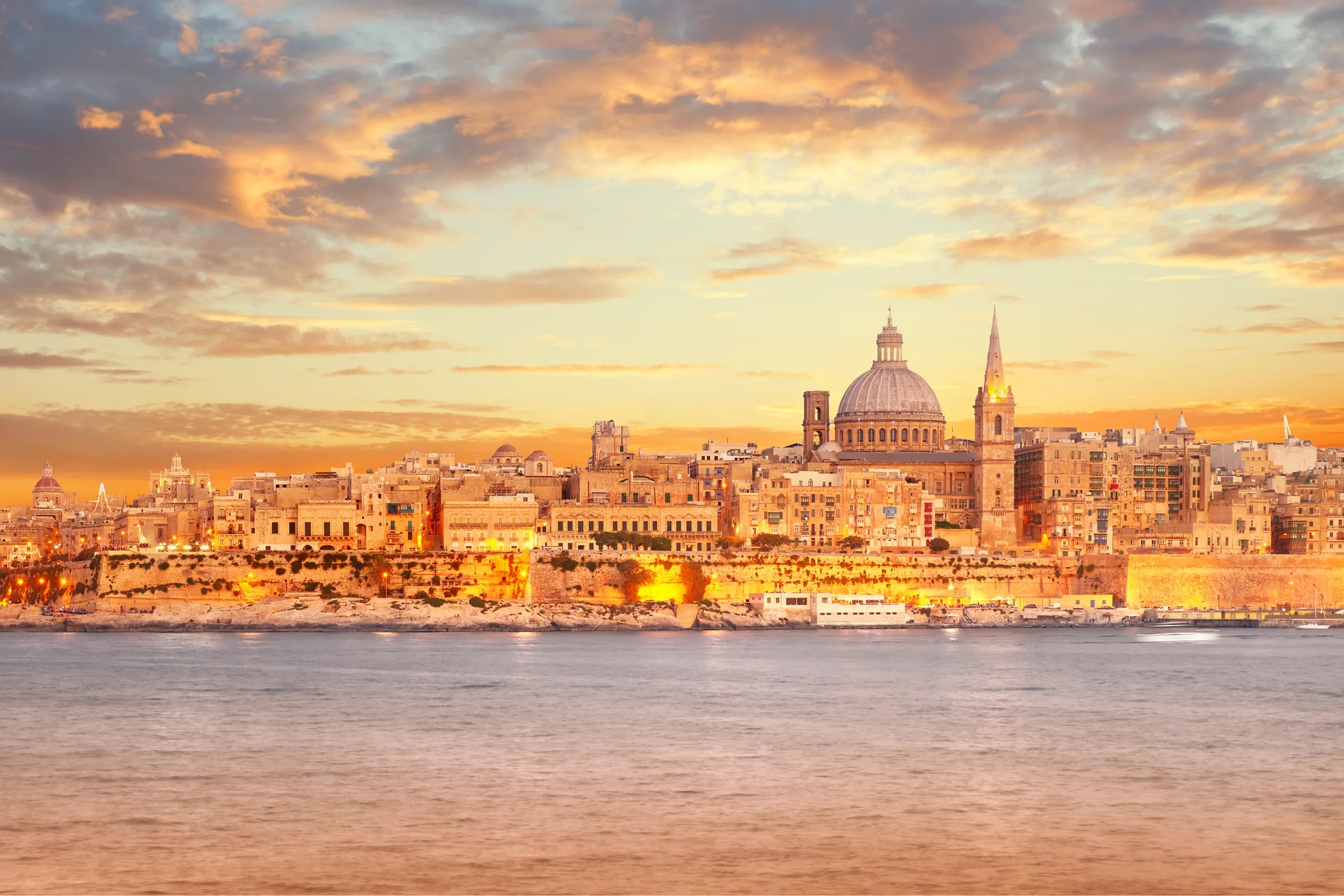
Valletta, the country's capital, is a UNESCO World Heritage site. It is easy to explore entirely on foot, offering a high concentration of historic buildings, museums, baroque churches, and fortified ramparts. Do not miss the St. John's Co-Cathedral and its Caravaggio paintings, or the sweeping views from the Upper Barracca gardens. The atmosphere stays quiet during the day and picks up in the evening, particularly along the narrow lanes of Strait Street.
Mdina and Rabat: Stepping back into the Middle Ages
About ten miles outside Valletta, Mdina goes by the nickname of the silent city. Its narrow alleys preserve a remarkably quiet medieval atmosphere. Right next door, the quieter town of Rabat is worth a stop to check out Saint Paul's catacombs or the Wignacourt museum. It is an ideal spot for walking around without the coastal crowds.
Gozo and Comino: Island getaways
Just a 25-minute ferry ride from the main island, Gozo offers a more rural pace. It is popular for its green countryside, dramatic cliffs, and the Ġgantija temples, which predate the pyramids of Egypt. For a swim day, the island of Comino draws crowds for its famous Blue Lagoon, though peak summer visitor numbers can take away from the tranquility.
Beaches and beyond
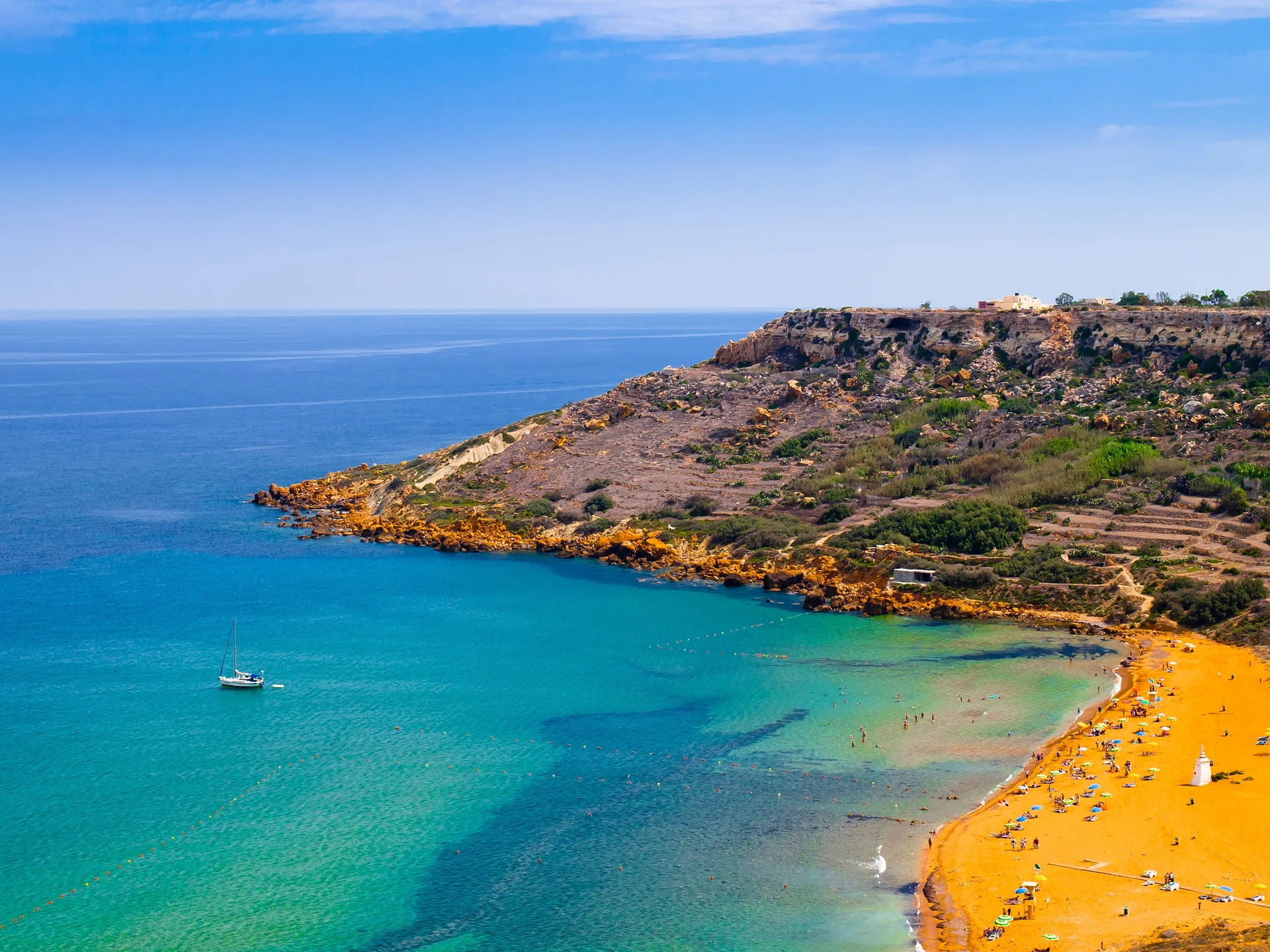
Malta is not a traditional beach resort destination. Most shores are rocky or small, with exceptions like Mellieħa Bay and Golden Bay. The real draw is swimming in crystal-clear coves or diving around sunken shipwrecks near Cirkewwa. If you prefer hiking, the rugged southwest coast features cliffside trails with expansive sea views.
Maltese cuisine: Mediterranean and Arab influences
Local dishes reflect the country's history of Sicilian, British, and North African rule. Expect straightforward, hearty fare. Fenek, a slow-cooked rabbit stew with wine, counts as the national dish. Pastizzi, flaky pastries stuffed with ricotta or mushy peas, work well for a quick bite on the go. For drinks, Cisk lager is everywhere, alongside Kinnie, a distinct bitter orange and herbal soda with a flavor all its own.
When to go
Spring and autumn are the most pleasant times to visit Malta, bringing mild temperatures, steady sunshine, and smaller crowds than summer. Winter stays mild but turns damper. On the events calendar, the February carnival in Valletta and the various summer village feasts bring local traditions to life.
How to get there
Malta's international airport sits about six miles outside Valletta. There is no nonstop from North America: you connect in London, Frankfurt, Rome or Istanbul, for a total of twelve to fifteen hours. The final European leg runs around 2 hours and 30 minutes, with round-trip fares ranging between $68 and $230* depending on the season.
How to get around
The bus network covers the main island thoroughly, though trips can take time due to traffic and transfers. Opting for a rental car gives you more flexibility, especially on Gozo, but keep in mind that they drive on the left side of the road. Inter-island ferries run frequently and cost very little.