
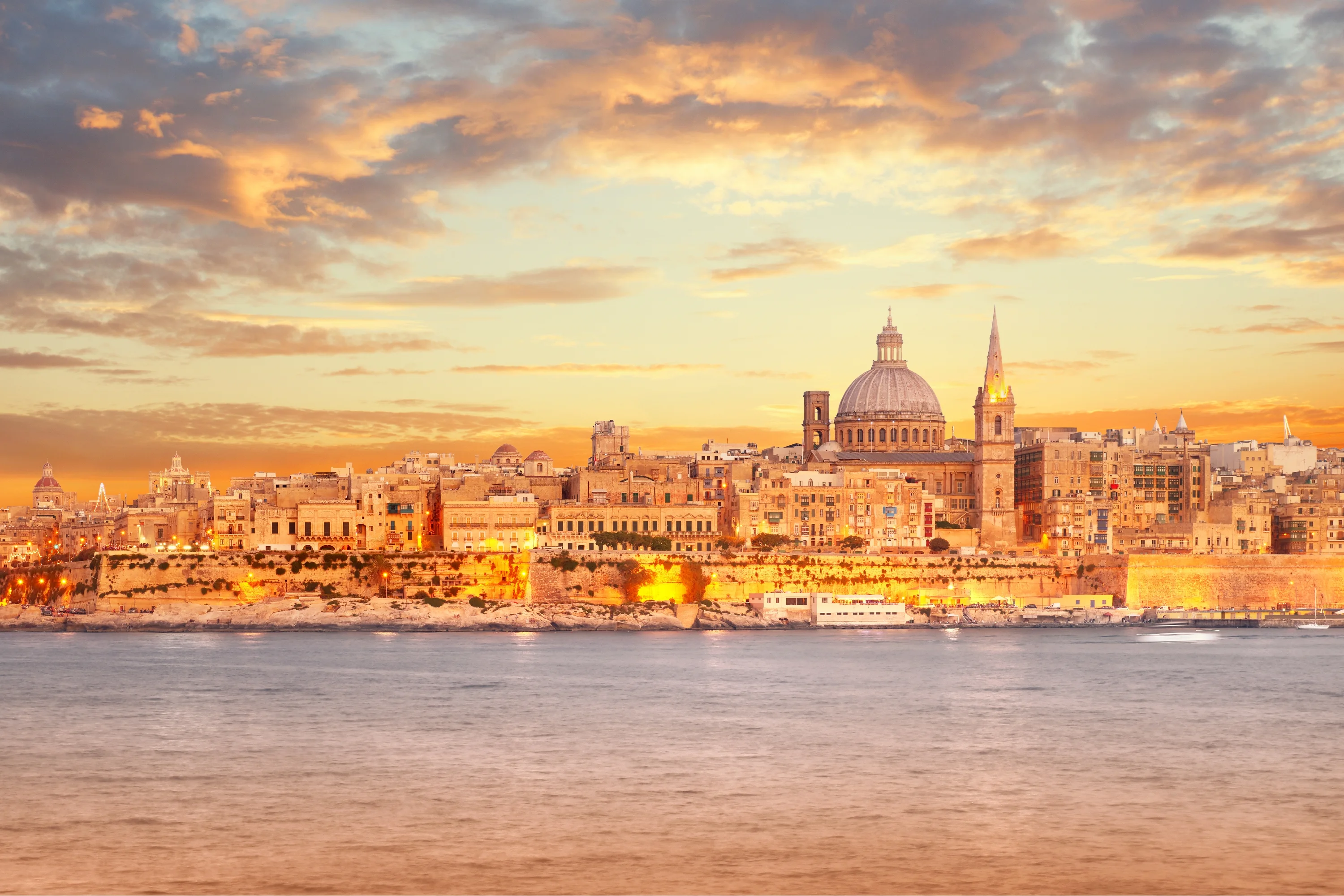
Visiting Valletta, Malta's human-scale capital
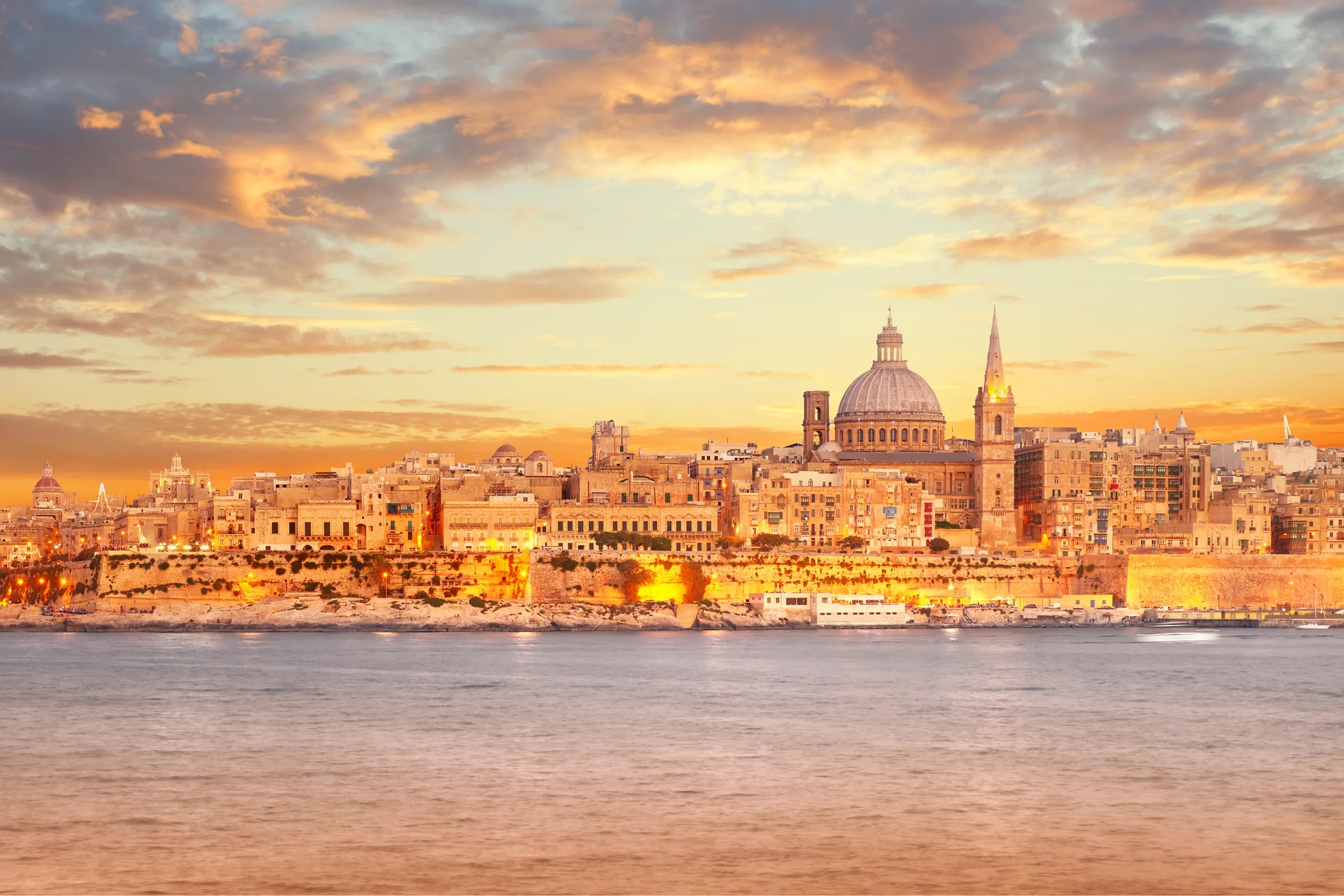
As the capital of Malta, Valletta benefits from a distinct atmosphere: a compact city perched on a peninsula where history is visible at every street corner. If you appreciate Mediterranean cities with a rich past, minus the hustle and bustle of major metropolises, Valletta might just be for you.
Dense and accessible architectural heritage
Founded in the 16th century by the Knights of the Order of Saint John, Valletta is a UNESCO World Heritage site. Its grid layout makes exploring on foot straightforward. The St. John's Co-Cathedral, austere on the outside, conceals a spectacular baroque interior featuring two canvases by Caravaggio. The Grand Masters' Palace, now home to the office of the president, offers a dive into the history of the Order. The Upper Barrakka Gardens, located on the southern ramparts, offer panoramic views of the Grand Harbour and the Three Cities.
A lively city balancing culture and relaxation
Valletta is not stuck in the past. The Manoel Theatre, one of the oldest operating theaters in Europe, offers a varied program. The MUŻA, the national museum of fine arts, displays works ranging from the 16th century to contemporary art. In the evening, the alleys of Strait Street, formerly a red-light district, now host wine bars and small live music venues. The vibe is laid-back and unpretentious.
Seaside strolls
Since the city is surrounded by the sea, walking along the Grand Harbour quays or taking the ferry across to the Three Cities of Vittoriosa, Senglea, and Cospicua is a must. These ancient citadels offer peaceful alleys and sweeping views of Valletta. For a longer outing, the ferry to Sliema lets you discover a more modern side of the island.
An authentic Mediterranean atmosphere
With its colorful wooden balconies, baroque churches, and shaded squares, Valletta offers a quintessential Mediterranean feel. The locals are warm without being overbearing, contributing to the town's approachable scale. Markets like Is-Suq tal-Belt provide a taste of local daily life.
Cuisine with multiple influences
Maltese gastronomy reflects the various influences that have shaped the island: Italian, British, and Arabic. In Valletta, you can sample fenek, rabbit stewed in wine, or bragioli, stuffed beef olives. On the sweet side, imqaret, small date pastries, are popular. To wash it all down, Kinnie, a local bitter orange soda, offers an original alternative.
Where to eat?
- Legligin (downtown): A restaurant offering a tasting menu of Maltese and Mediterranean dishes in a cozy setting.
- Trabuxu Bistro (downtown): Mediterranean cooking in an intimate space with a great wine selection.
- Rampila (near the ramparts): A restaurant overlooking the fortifications with a menu blending tradition and modernity.
- Is-Suq tal-Belt (downtown): A covered market with various stalls offering local specialties to grab on the go.
Where to stay?
- Palais Le Brun (downtown): A 5-star hotel housed in a historic building featuring a rooftop pool and elegant decor.
- The Embassy Valletta Hotel (downtown): A modern property with a rooftop terrace and city views, well-reviewed for its location.
- Grand Harbour Hotel (near the port): A hotel offering panoramic harbor views at an accessible price point.
- La Falconeria Hotel (downtown): A boutique hotel with polished decor and solid value for the money.
When to go?
- Spring (April-May) and fall (September-October) offer pleasant temperatures and smaller crowds. In February, Carnival animates Valletta's streets with colorful parades. Summer is hot and sunny, though the city can be busier.
How to get there?
Direct flights connect Paris to Malta International Airport in about 2h30. Fares vary by season, ranging between $90 and $230* round-trip. The airport sits about ten kilometers from Valletta and is accessible by bus or taxi.
How to get around?
Valletta is easy to explore on foot. To venture further out, the bus network is well-developed. Ferries also connect the city to the Three Cities and Sliema.
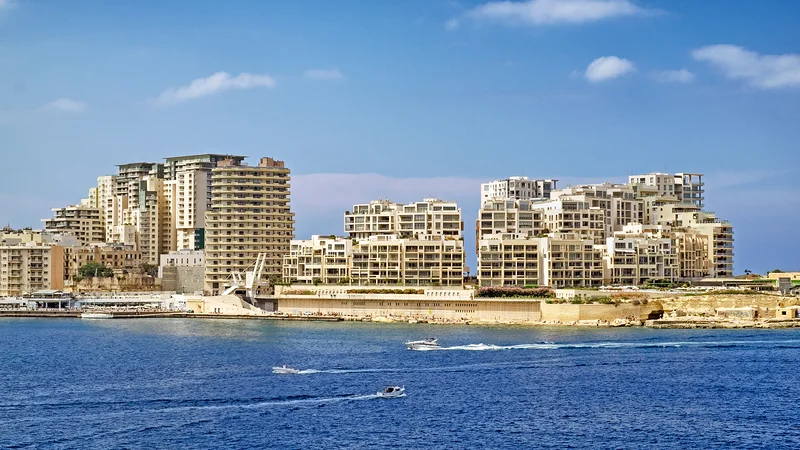
Watch out, Valletta is small, but its suburbs stretch across a good part of the island, and the shopping streets and good restaurants are packed, same goes for the buses coming and going.
What I liked: you often stumble upon spectacular views, whether of Valletta or its surroundings. If you love history, fortresses, knights in armor, old stone, and baroque churches, you are in for a treat. Truly some beautiful monuments and museums to visit. The vibe in the streets is pretty festive, with tons of outdoor seating, sometimes music, string lights, and parades to celebrate the Saints. The ferry ride to the Three Cities is full of charm, with nice views of the towns. By the way, go check out the Three Cities, especially Birgu and its maze of stairs!
What I liked less: not a single decent sidewalk, a lot of construction work, and yet, plenty of poorly maintained buildings with crumbling limestone. It is not a place for swimming, you have to head out of town for that.