
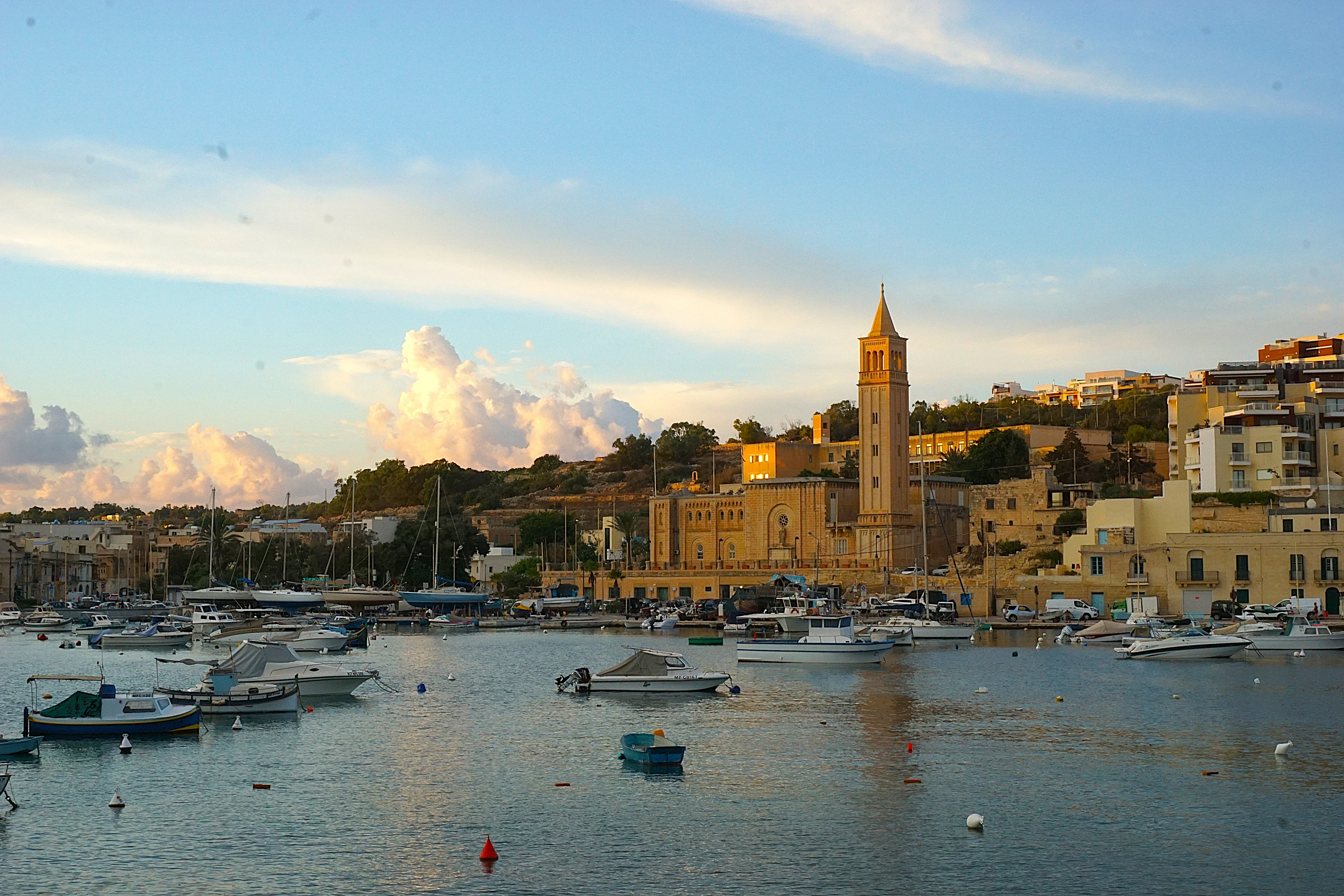
Marsaskala, the fishing bay where Malta slows down
On the southeast coast, a long, narrow bay cuts inland, lined with brightly painted fishing boats. In Marsaskala, the luzzu, Malta's traditional wooden boat, still heads out to sea. In the evening, local families arrive on the waterfront for the passeggiata.
The town has about 10,000 residents. It is quieter than Sliema or St. Julian's, and Maltese families come out on weekends for the fish and the sea air.
Is this the right destination for you?
Marsaskala suits travelers who want to sleep by the water without the crowds of the big resort areas. You live at the pace of the locals, with little noise and good value for a fish dinner.
It will disappoint anyone looking for nightlife, big sandy beaches, or a string of monuments to cover on foot.
Great for:
- Couples and families who want a quiet stay
- Fans of fresh fish and simple Maltese cooking
- Divers and seaside walkers
- Travelers who rent a car to explore the island
Not ideal for:
- Nightlife seekers, since Paceville is far livelier
- Anyone planning to do everything by public transit
- Anyone who wants a big golden sand beach
A reasonable budget for Malta
The town costs less than the neighboring tourist hubs. Here are ballpark ranges for one person, so double-check before you go.
| Item | Range |
|---|---|
| Quick bite (pastizzi, sandwich) | 2 to 6 € |
| Restaurant meal | 15 to 35 € |
| Bus ticket | a few euros |
Estimated prices, subject to change
Practical realities
Maltese and English are both spoken everywhere, which makes everything easier for American visitors. The climate is mild nearly all year, with very hot summers. Traffic drives on the left, so keep that in mind if you rent a car.
The town is calm and safe, and you can walk around comfortably after dark. Sidewalks are sometimes narrow and uneven, which makes strollers a hassle.
The waterfront and the fishing harbor
The heart of town clusters around the bay. In the morning, you can watch fishermen get their nets ready, and in the evening the promenade fills up. Several restaurants line up facing the water.
The bay is very sheltered, which appeals to families and kayakers. The beaches are mostly rocky: you swim from built-in platforms, ideally in water shoes.
Friendly tip: for fresh fish, pick places where the menu changes with the day's catch. A menu that never changes all year is often a sign the fish is frozen.
Diving and boat trips
The southeast coast draws divers with its rocky seabed and clear water. Several clubs offer intro dives and guided outings. Conditions are generally best from May to October.
If you don't dive, a boat ride along the coast gives you a different view of the cliffs. Check directly on site for schedules, which vary with the weather.
Nearby places to explore
The temples of Ħaġar Qim and Mnajdra
These megalithic sites, listed by UNESCO, are an easy drive from Marsaskala. They count among the oldest stone monuments in the world.
Marsaxlokk
The neighboring village is famous for its Sunday market on the waterfront, a mix of fish stalls and souvenirs. Go early to beat the tour buses.
Valletta
You can reach the capital by bus or car. Plan a full day for the fortifications, gardens, and churches.
Where to eat and drink in Marsaskala
Local food is meant to be eaten without ceremony. Try the pastizzi, small flaky pastries filled with ricotta or mushy peas, sold for a few coins. Lampuki, a seasonal fish, shows up on menus in late summer.
Stuffat tal-fenek, a rabbit stew, is the national dish and is happily shared. Finish with a coffee or a local beer on the waterfront.
Where to stay in Marsaskala and nearby
Lodging is mostly apartments and small hotels rather than big resorts. Places close to the bay are the most convenient if you want to do everything on foot. Book early for summer.
If you want more action, base yourself in St. Julian's or Sliema and come here for the day.
How to get to Marsaskala
The town is served by Malta International Airport, which has direct flights to many European cities. From the US, expect to connect through a European hub. The airport is about a 15-minute drive from Marsaskala.
A taxi or rideshare is the simplest option when you leave the airport. Bus lines run there too, with a possible transfer depending on the time of day.
How to get around Marsaskala
You can walk the town center. For the rest of the island, the bus network covers most places but runs slowly at rush hour. A rechargeable transit card saves you from paying for each ride separately.
A rental car gives you more freedom for the temples and villages. In summer, park early in the morning.
When to go
Spring and early fall strike the best balance: the sea is still warm, the heat is bearable, and crowds are thin. In July and August it gets very hot and the bay fills up with local families.
Winter stays mild but windier, and some restaurants close for a few weeks.
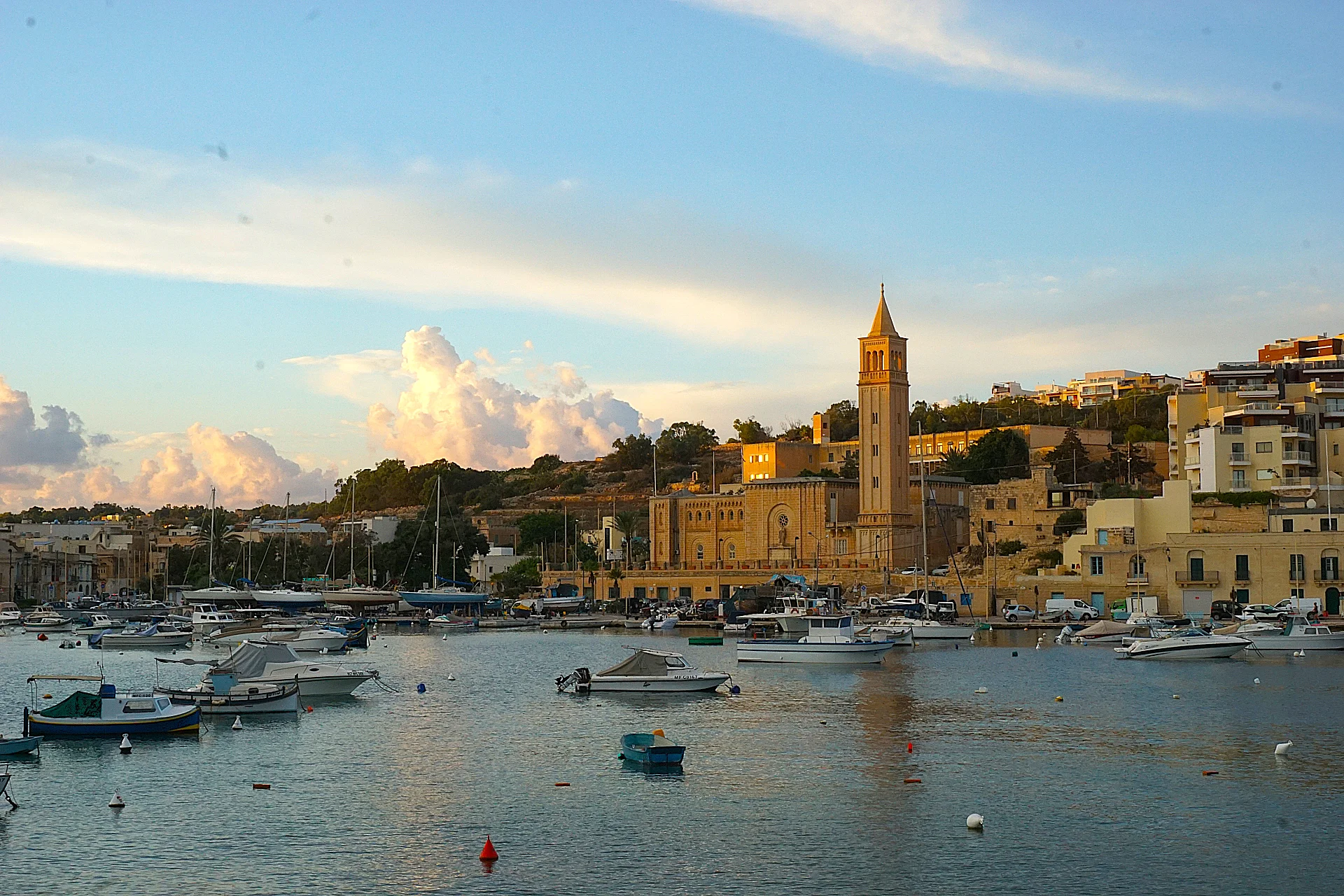
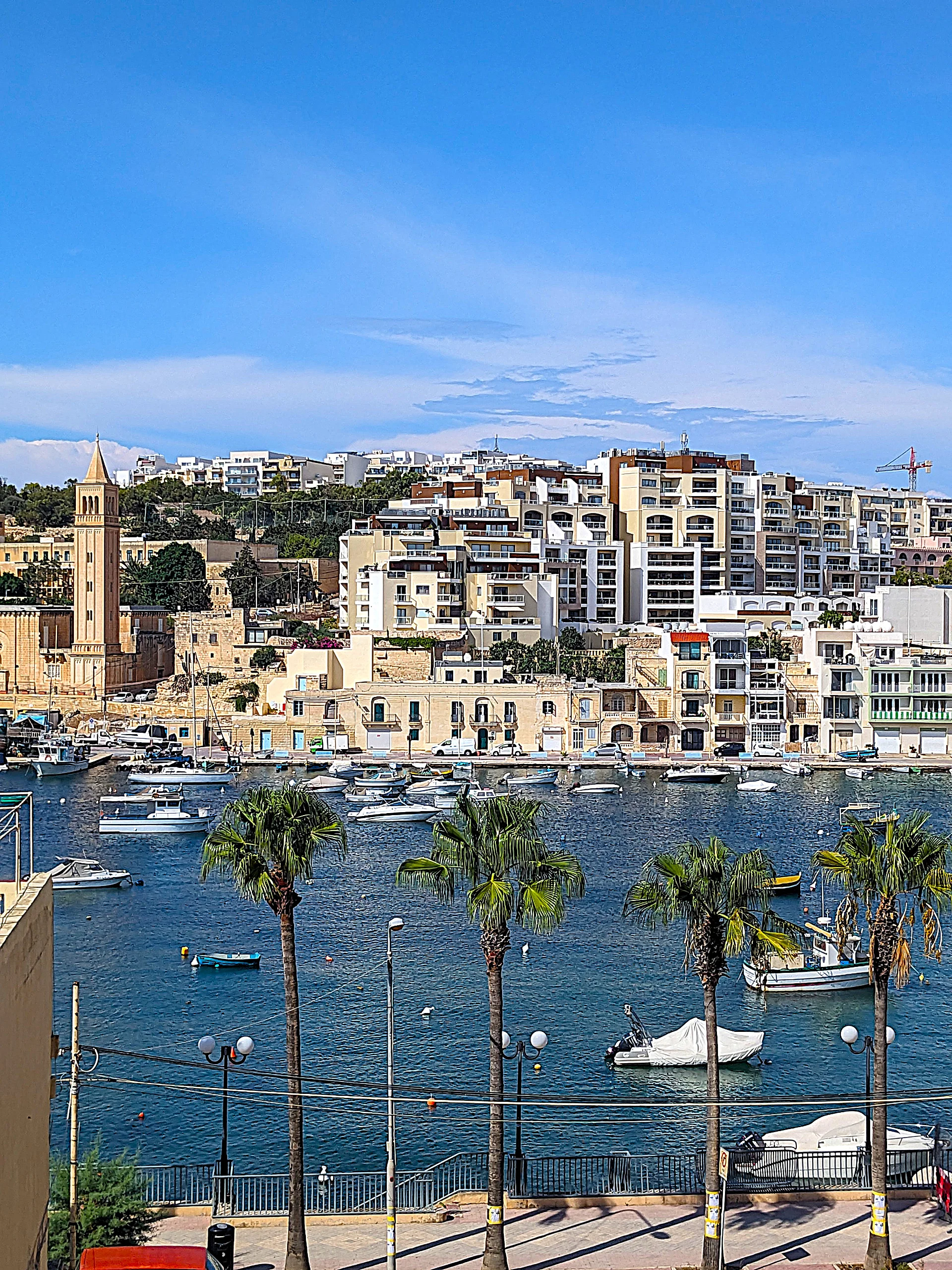
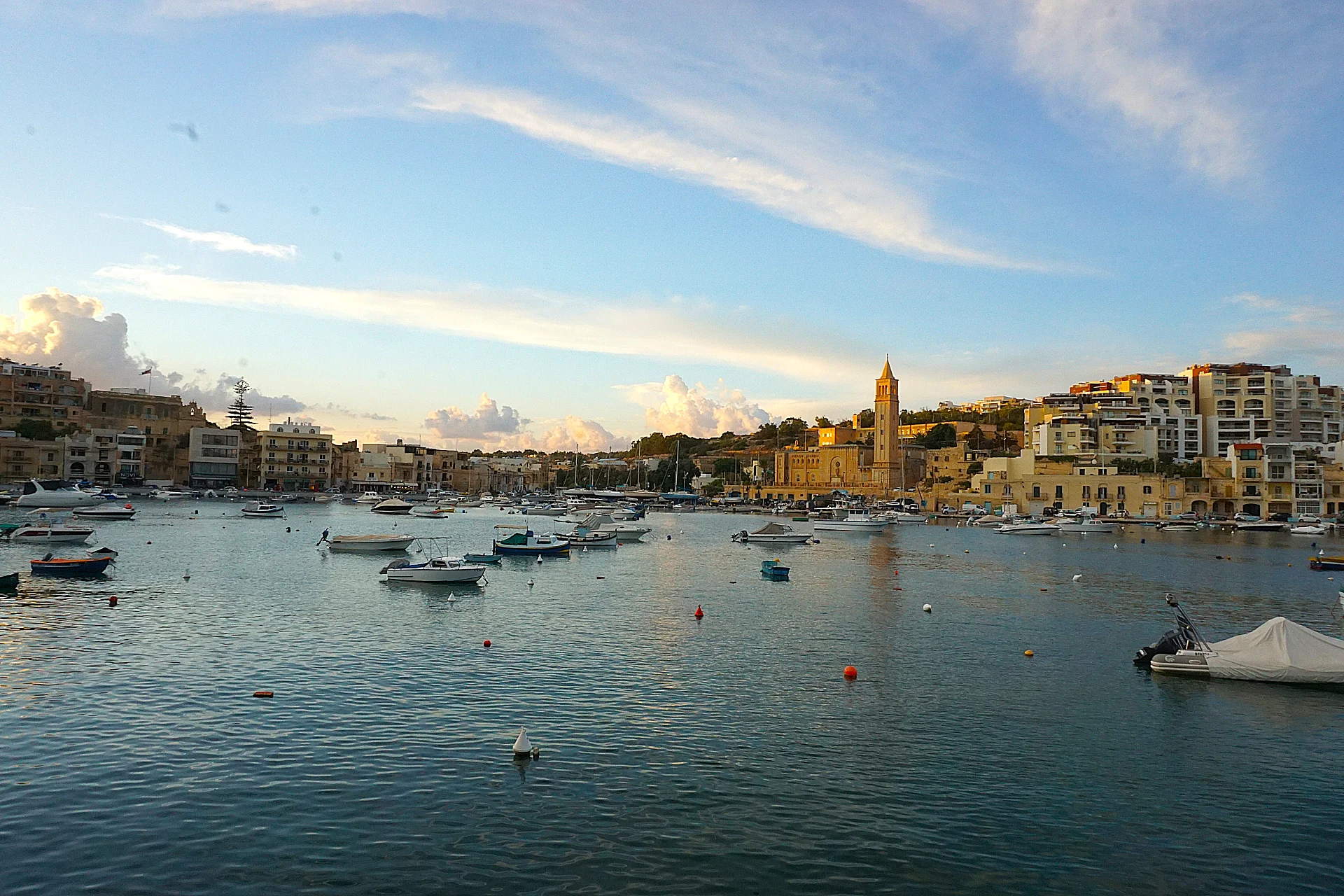
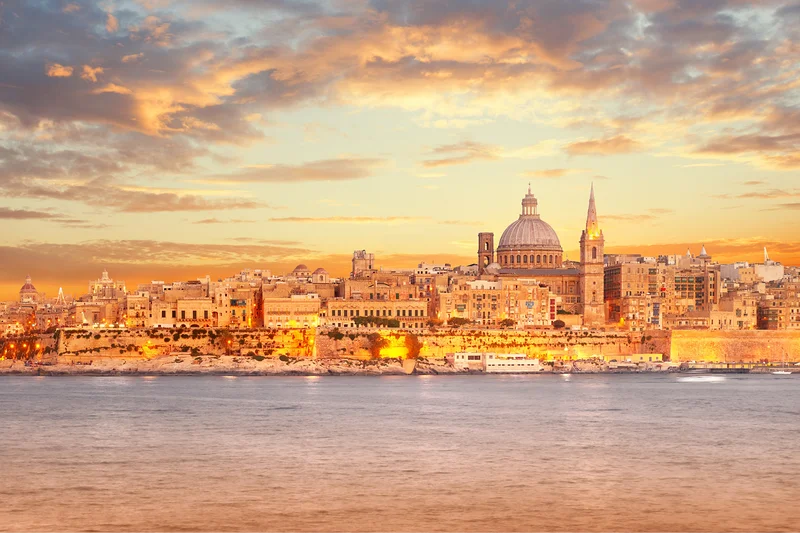
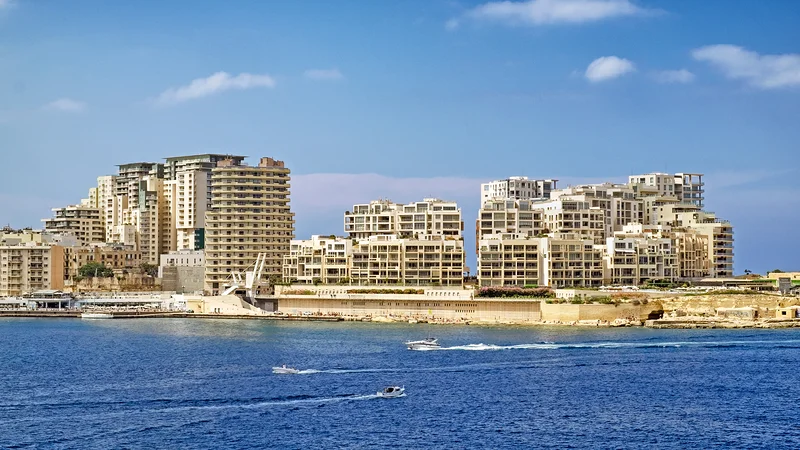
I picked this destination because I was looking for the best snorkeling spot in Malta that's easy to get to from Valletta (so I could do some sightseeing too).
The town itself is small, you can see it quickly. A few restaurants along the waterfront and a church with a big bell tower.
It's relaxing, but for sightseeing you'll have to move around a bit. Good news, buses to Valletta are frequent and run until late in the evening, otherwise Uber and Bolt work really well.
For snorkeling, the spot is called St. Thomas Bay, a 20-minute walk from the center, heading south. It's very poorly signposted, so don't hesitate to ask for directions. A little disappointed, but I think I just got unlucky: the bad weather made the water cloudy, so visibility wasn't great...