
Power in Stone in the Heart of Valletta
On Saint George's Square (Misraħ San Ġorġ), a modest facade conceals one of the most lavish interiors in Malta. Behind it lie a succession of state rooms covered in frescoes and tapestries, alongside an armory filled with thousands of metal pieces that once belonged to the knights of the order.
Why Visit the Grand Master's Palace
Designed by the architect Gelormu Cassar, the palace was built between 1570 and 1580 to serve as the official residence for the Grand Masters of the Order of Saint John. The building has never truly stepped away from power: since 1921, it housed the House of Representatives, and since 1974, the office of the President of Malta. The Maltese parliament met here until 2015, before moving into a new building designed by Renzo Piano.
Visiting this palace means walking through four centuries of political continuity under a single roof, which is why certain rooms occasionally stay closed to the public when the presidency is using them.
The State Rooms, Between Tapestries and Frescoes
The route leads through the Throne Room, the Grand Master's study, and the Ambassadors' Room. The Throne Room features a frieze of twelve frescoes by Matteo Perez d'Aleccio, a former pupil of Michelangelo, depicting the Great Siege of 1565.
In the Council Chamber, also known as the Tapestry Room, an exceptional suite of hangings woven at the Gobelins manufactory lines the walls. They were presented to the order in 1710 by Grand Master Ramon de Perellós. The palace is organized around two interior courtyards, the largest of which, Neptune's Courtyard, houses a bronze statue commissioned by Grand Master Alof de Wignacourt.
The Armory, the Metal Memory of the Knights
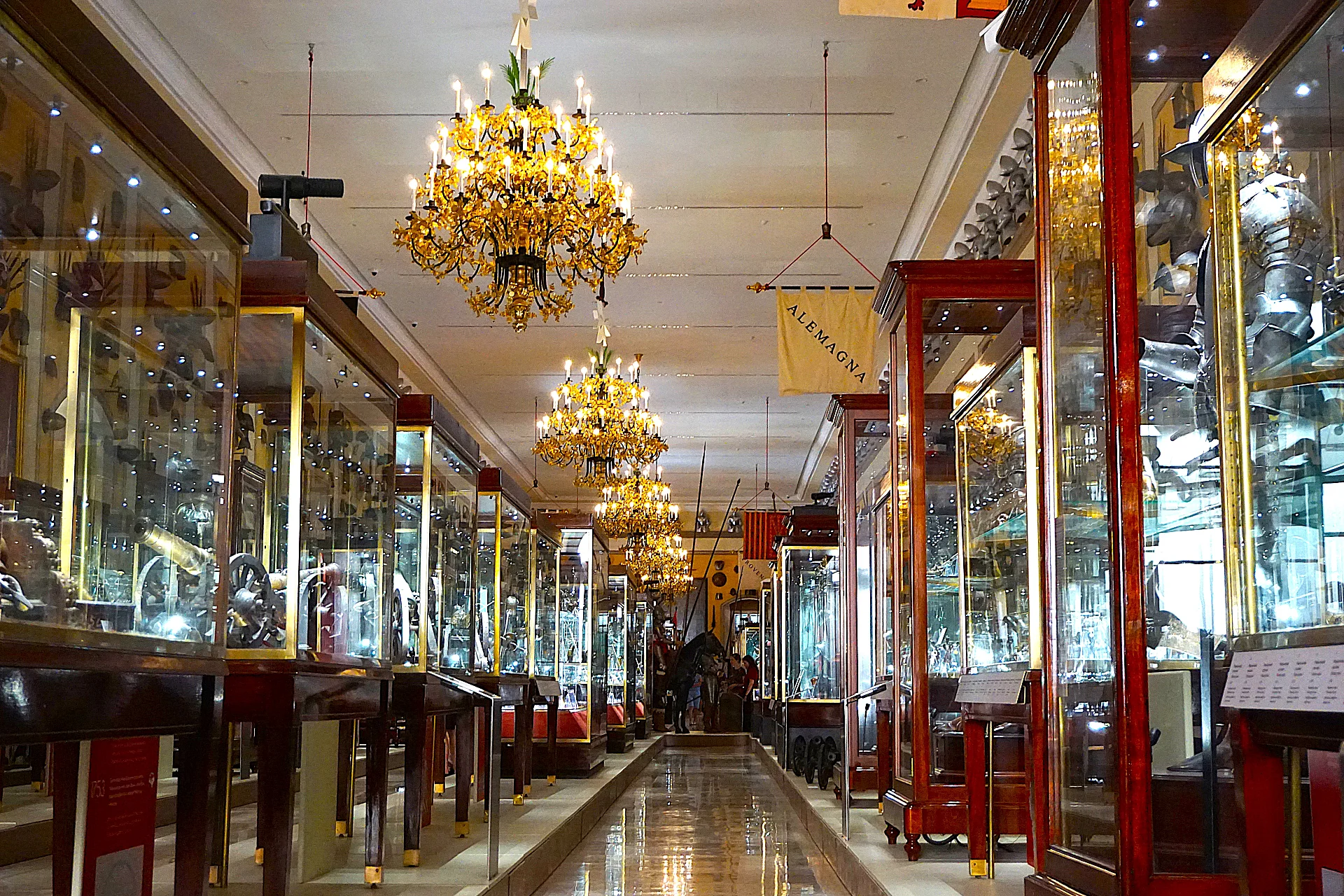
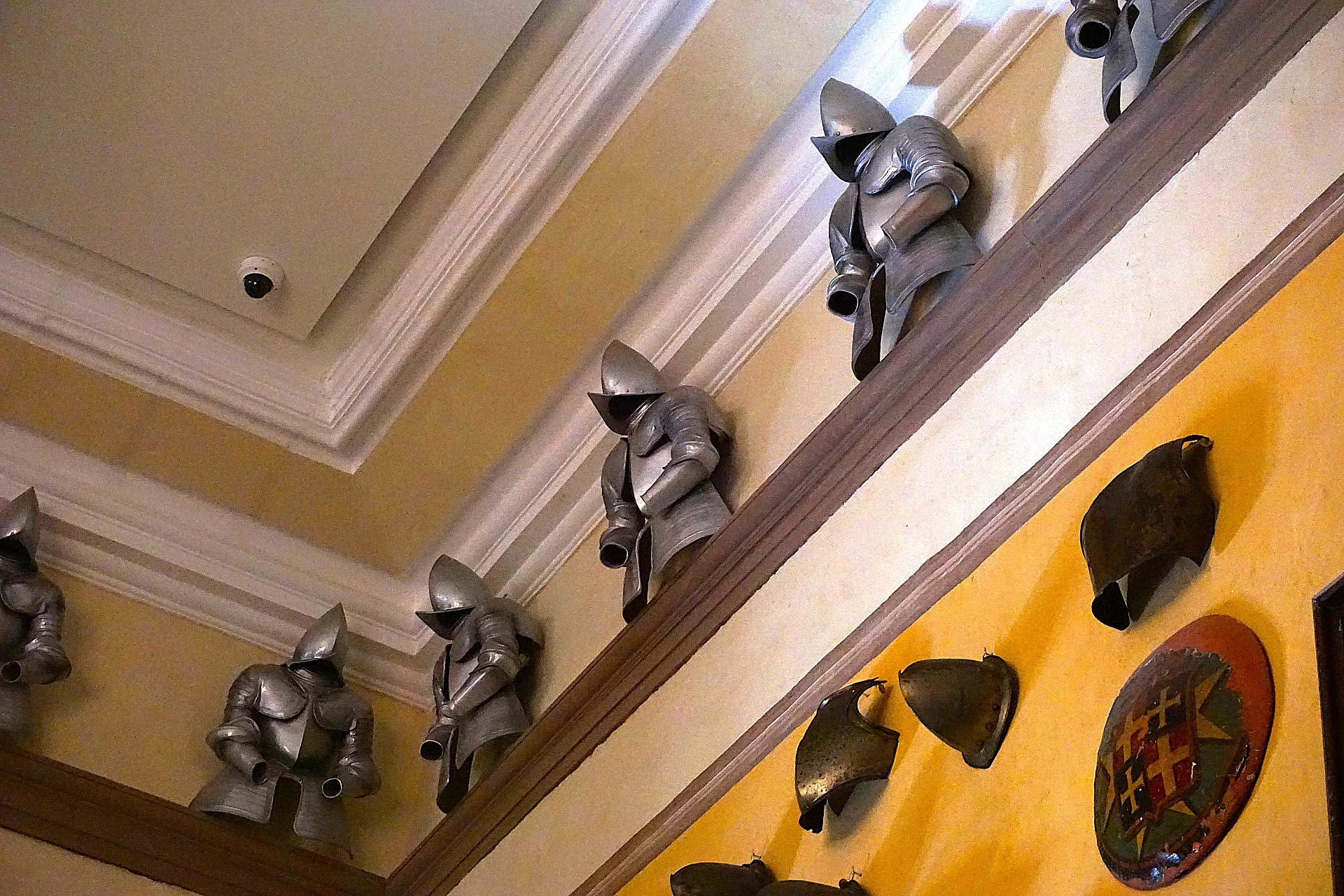
Housed in the former stables of the grand master rather than within the palace proper, the armory preserves around 5,000 suits of armor dating from the 16th to the 18th century, including personal pieces belonging to various grand masters. The collection originally numbered 25,000 pieces, reduced notably by Napoleon's looting and later by the British presence.
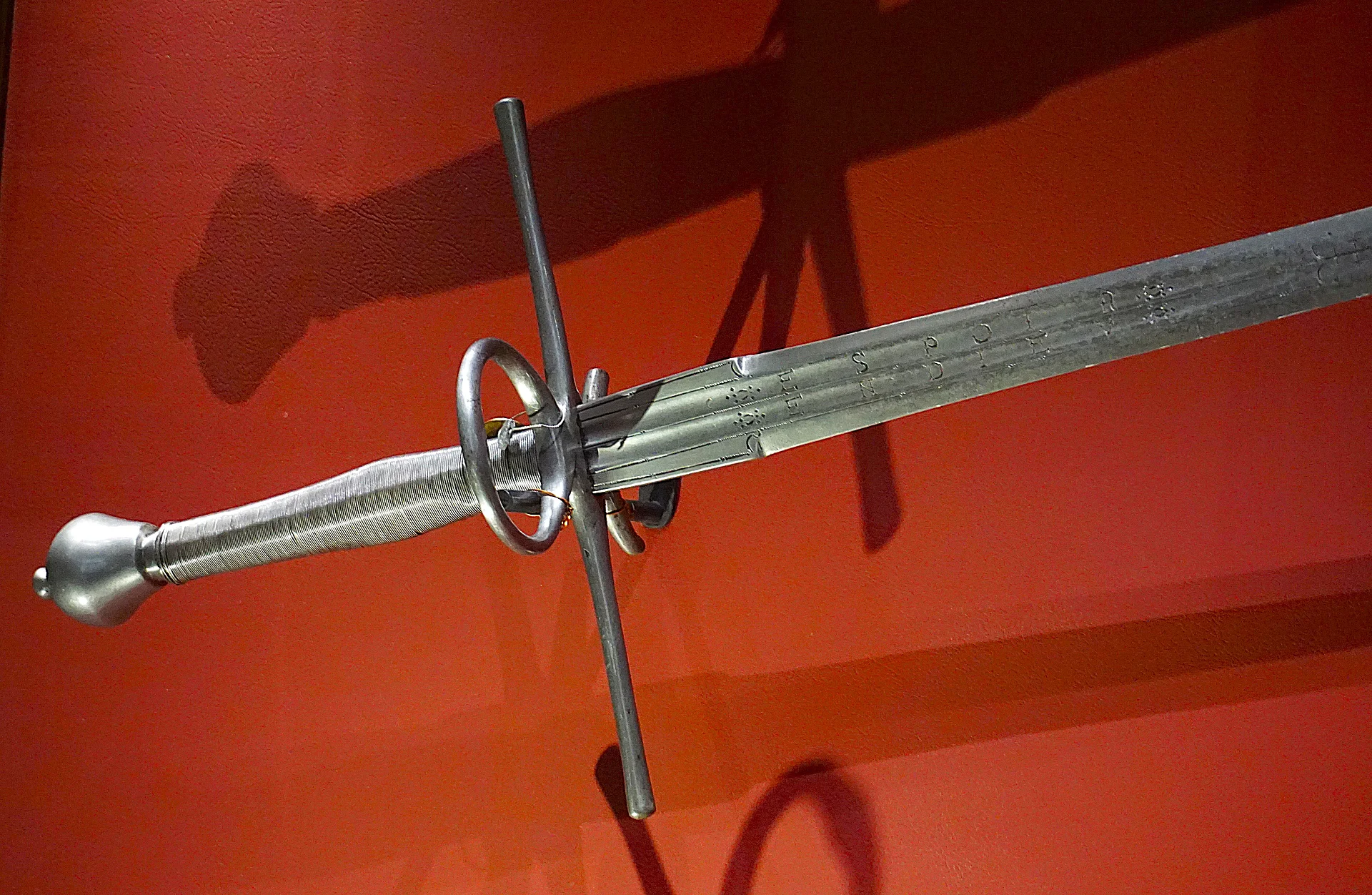
Swords, crossbows, and muskets are on display here, while the corridor leading to them features trompe l'oeil frescoes. A short audiovisual presentation near the main entrance covers the history of the building.
Great for
- History buffs and fans of decorative arts, with its frescoes, tapestries, and armor collections
- Visitors with limited mobility, thanks to elevators and dedicated accessibility features
Less ideal for
- Visitors in a rush, as the full route typically takes one to two hours
- Those hoping to see every single room without restrictions, since certain spaces remain closed at times
Friendly tip: access to the State Rooms can be restricted on certain days when the premises are used by the presidency, whereas the armory generally stays open daily. It is best to build some flexibility into your schedule if seeing the Throne Room or the Tapestry Room is a priority for you.
How long for this activity
Plan on 1.5 to 2 hours to tour the State Rooms and the armory.
*Information subject to change

Now the residence of the president, only a part of the former Palace of the Grand Masters is open for visits today.
A few lovely rooms with period furniture to visit, and what I really liked was the armory room where you can see a multitude of swords, armor, crossbows, arquebuses, and small cannons. It is impressive.