
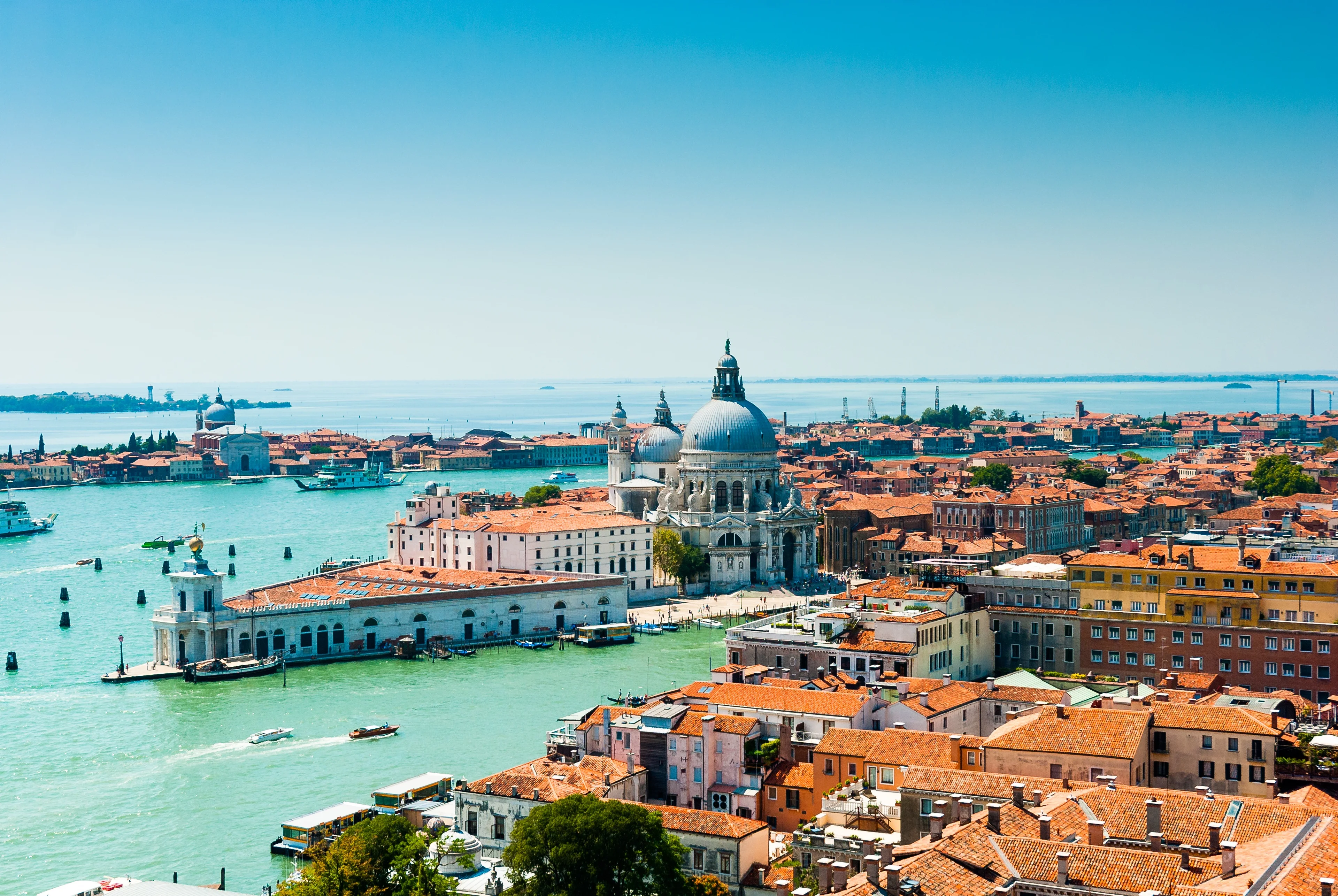
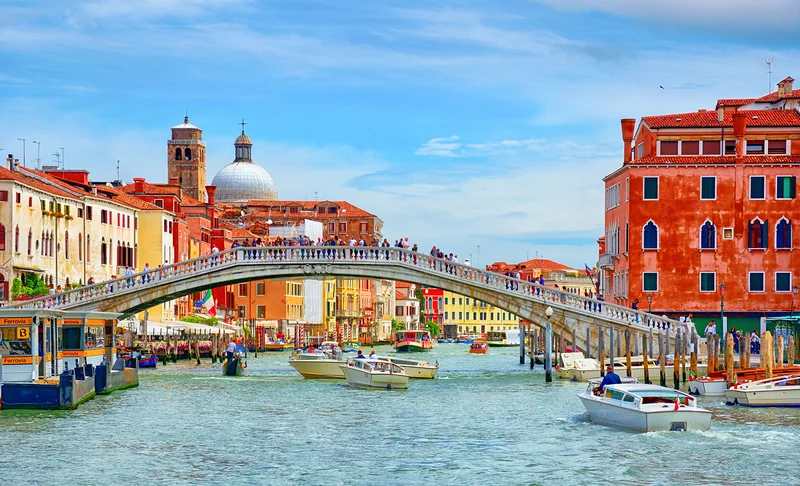
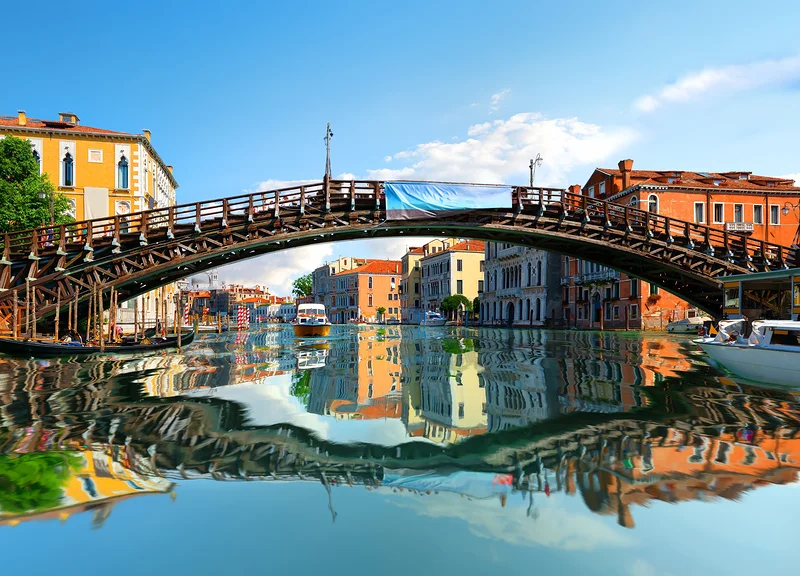
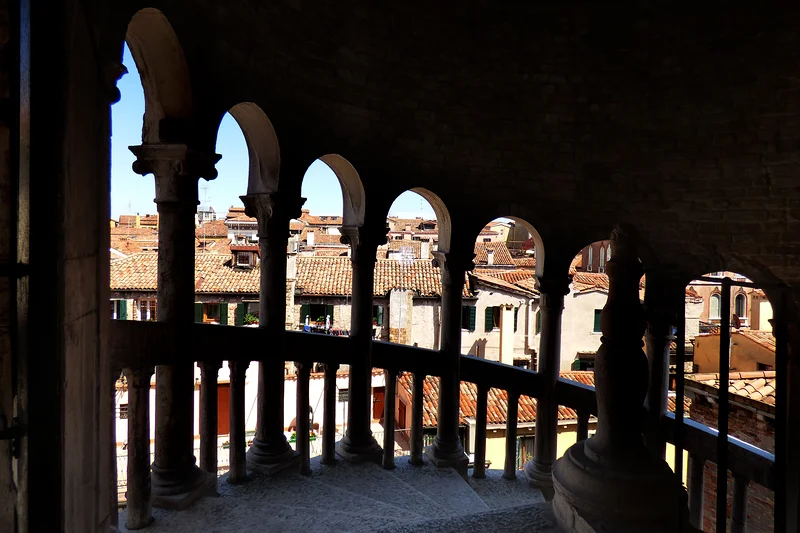
Venice, the city that never should have existed
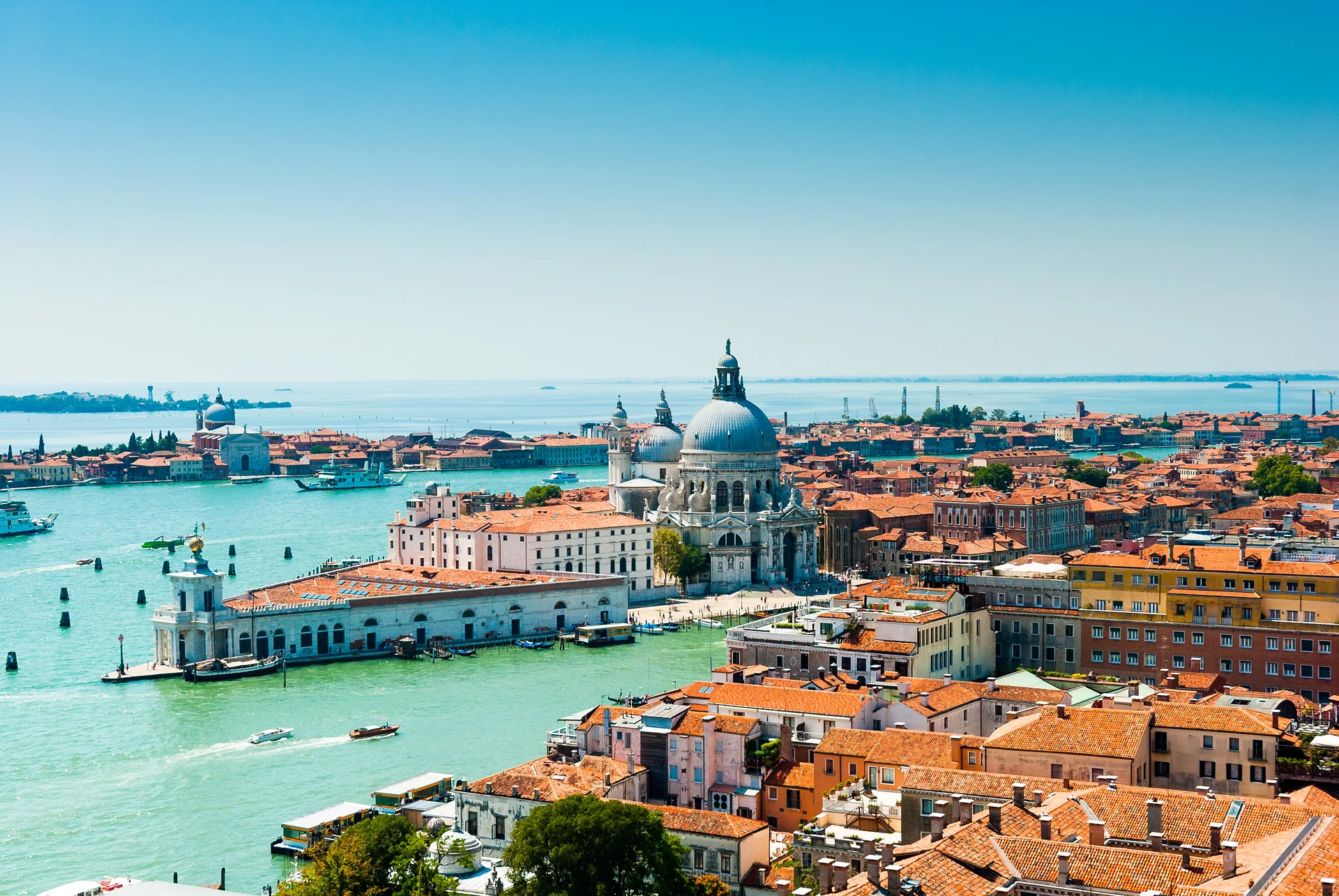
120 islands connected by more than 400 bridges, built right on a lagoon, without a single car. It is the sheer audacity of a civilization that defied the laws of nature. Today, the City of Water fights against the acqua alta that regularly floods its squares, and against the hordes of day-trippers who sweep through without truly seeing the place. Yet Venice remains Venice: unique, fragile, magnificent.
Is Venice actually right for you?
If you dream of wandering deserted alleyways in total quiet, you might find a rude awakening, especially during peak season. Venice welcomes 30 million visitors a year for just 50,000 residents. The areas around San Marco and the Rialto can occasionally feel like a theme park.
Here is the paradox: you just need to turn down a perpendicular calle, walk 10 minutes toward Cannaregio or Dorsoduro, and you stumble into an entirely different city. This is where real Venetians buy their bread, kids play on small neighborhood squares, and cats nap on windowsills. That Venice still exists, and it is worth every penny.
The city is explored strictly on foot or by boat. Pack good walking shoes because you will be climbing steps over bridges and getting lost in dead ends. It is both exhausting and incredible. If you have mobility issues, know that vaporetti are accessible, but bridges without ramps are everywhere.
Daily budget: plan to spend
Venice is expensive, plain and simple. Expect $113-$169* a day on a budget (hostel dorm, cicchetti in bacari, no paid museums), $230-$340* for comfort (3-star hotel, decent sit-down meals, a few sights), and $450* and up if you want to splurge. Lodging is by far the biggest expense: $68-$113* for a dorm bed or a hotel in Mestre, $169-$290* for a solid hotel right in Venice proper, and $340* plus for a room overlooking the Grand Canal.
San Marco and its landmarks: do it right
The St. Mark's Square is non-negotiable. Go at sunrise, around 6:30 to 7:00 AM in the summer. You will have the St. Mark's Basilica and its golden mosaics catching the morning light almost entirely to yourself. The pigeons are already there, but the selfie sticks are not.
The Doge's Palace earns its reputation. Skip the standard tour and book the secret itineraries tour, which takes you through the torture chambers, the cells of the Piombi prisons where Casanova made his escape, and the private corridors of the magistrates. It costs twice as much as a regular ticket, but it is a hundred times more fascinating.
Friendly tip: high tides regularly submerge the square between October and January. Download the Hi!Tide Venice app, which gives you 48 hours of warning. Bring rubber boots instead of sneakers that will end up soaked through.
Cannaregio, where locals still live
The Jewish Ghetto, established in 1516, was the first in the world. It carries a different atmosphere here: quieter and almost melancholic. The apartment buildings reach up to seven stories, unheard of elsewhere in Venice because the Jewish community was not allowed to expand beyond the perimeter walls. Visit the Jewish Museum and one of the five synagogues for a moving look into local history.
Along the Fondamenta della Misericordia, wine bars line up their tables right against the canal. This is where locals actually grab an afternoon spritz at 5:00 PM, rather than paying tourist prices near the Rialto. You will pay half as much and soak up genuine neighborhood life.
Do not miss the Libreria Acqua Alta, a delightfully eccentric bookstore where books are piled inside gondolas and bathtubs to protect them from floods. At the back, a staircase built entirely out of old books leads up to a small terrace overlooking the canal. It is kitsch, it is brilliant, it is completely photogenic, and nobody cares.
Dorsoduro and its quieter museums
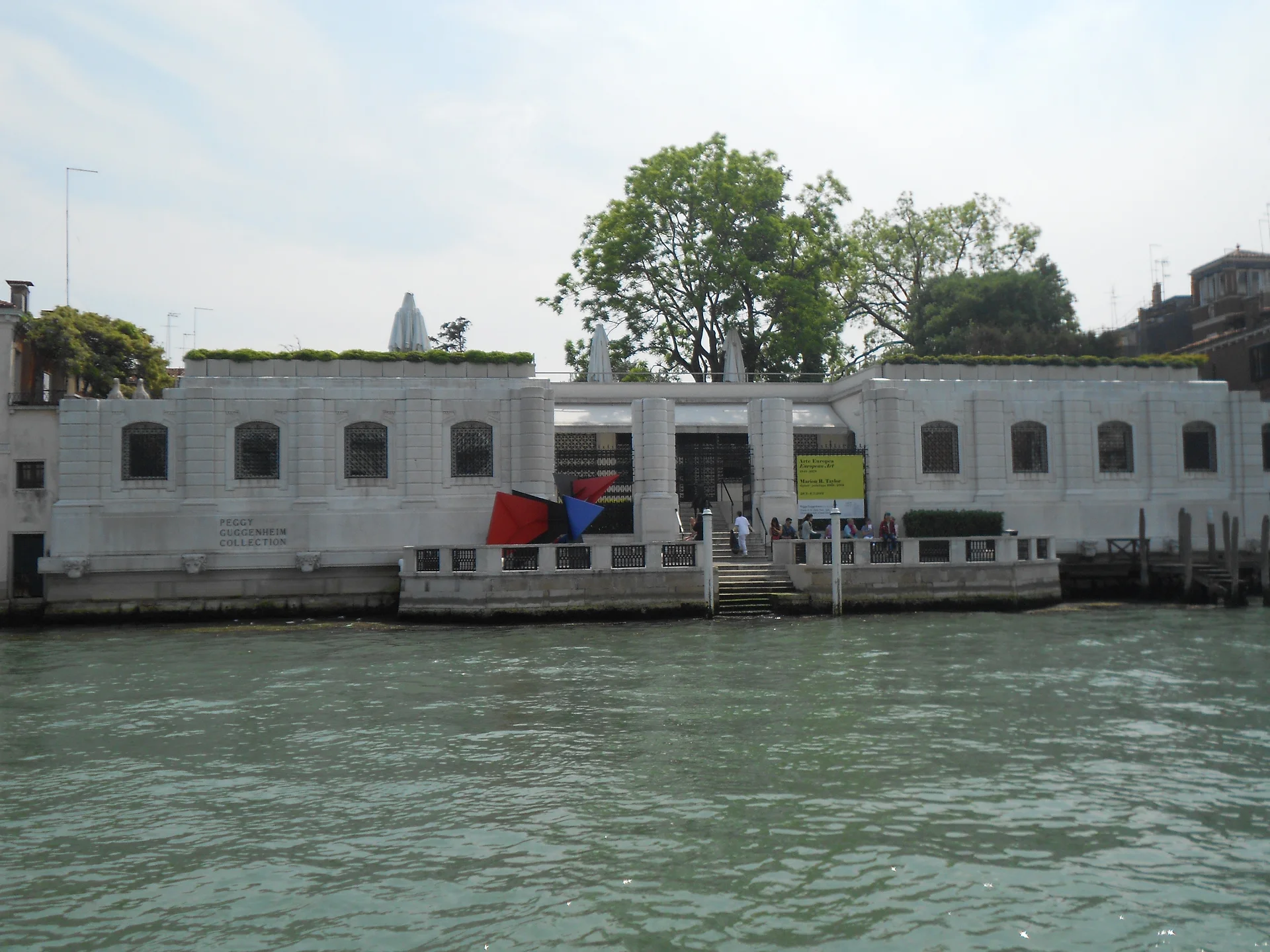
The Accademia Gallery remains a must for viewing Venetian masters like Veronese, Tintoretto, Titian, and Bellini. Right next door, however, the Peggy Guggenheim Collection draws smaller crowds and offers an incredible survey of 20th-century modern art. Its sculpture garden facing the Grand Canal is a true sanctuary.
Walk out to the Squero di San Trovaso, one of the last remaining boatyards where traditional gondolas are still built and repaired by hand. You cannot go inside, but from across the canal on Fondamente Nani, you get a front-row view of the craftsmen at work. In the late afternoon, grab a spritz and some crostini from the Osteria Al Squero right across the water.
Friendly tip: Campo Santa Margherita is the main hangout for Venetian university students. Affordable bars, a laid-back vibe, and zero cruise-ship tourists. Perfect for an evening out that will not break the bank.
The lagoon islands: look beyond the classic trio
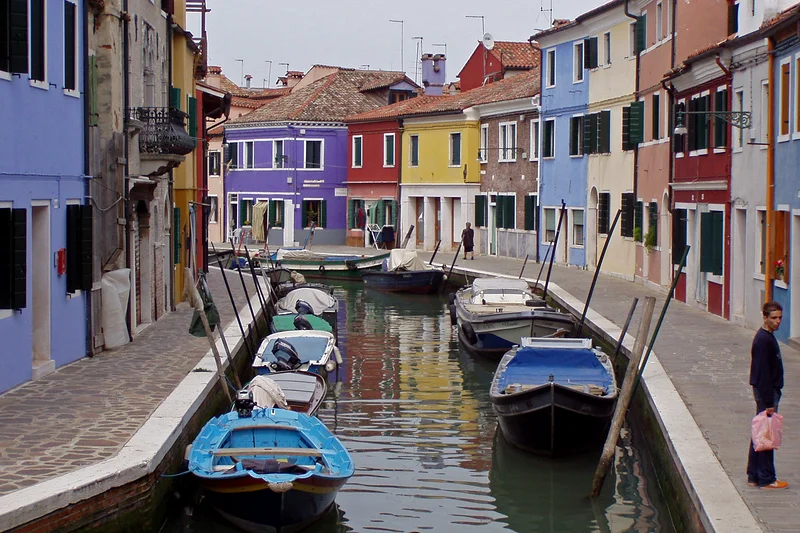
Everyone heads to Murano for blown glass and Burano for brightly painted houses and lace. It is gorgeous, but it is also packed. If you have extra time, take the vaporetto to Torcello, a nearly deserted island that was nonetheless the first settled spot in the lagoon.
The 7th-century Basilica of Santa Maria Assunta houses staggering Byzantine mosaics. The rest of the island is green, peaceful, and dotted with old farmhouses. Hemingway and Salvador Dalí both stayed here, and you will immediately understand why: it feels completely suspended in time.
The island of Giudecca, sitting right across the water from Dorsoduro, offers stellar views of Venice without the tourist crush. It is a working-class neighborhood featuring public housing and old factories converted into artist lofts. On Sundays, take a stroll along the waterfront facing the historic center. It is entirely free and completely stunning.
Where to eat and drink in Venice?
Skip the restaurants around San Marco with laminated menus in six languages. You will pay $90* for two people and leave disappointed. In Venice, the real food scene lives in the bacari, traditional neighborhood bars where locals stand at the counter eating cicchetti (the local answer to tapas) alongside a glass of local white wine known as an ombra.
Be sure to try risotto al nero di seppia tinted with cuttlefish ink, sarde in saor (sweet and sour marinated sardines), or moeche (small soft-shell green crabs, available only in April and May). For dessert, grab a frittella during Carnival or a baicoli, a crisp Venetian biscuit meant for dipping in coffee.
Our favorite addresses
- Osteria Alla Staffa (Castello): tiny, authentic, with honest pricing. Their spaghetti alle vongole is phenomenal.
- Cantina Do Spade (San Polo): a historic tavern frequented by locals. Excellent cicchetti and a loud, welcoming atmosphere.
- Vino Vero (Cannaregio): a modern natural wine bar with canal-side seating, refined cicchetti, and an immaculate bottle list.
- Il Ridotto (San Marco): if your budget allows for fine dining, this Michelin-starred spot puts a contemporary spin on Venetian cuisine.
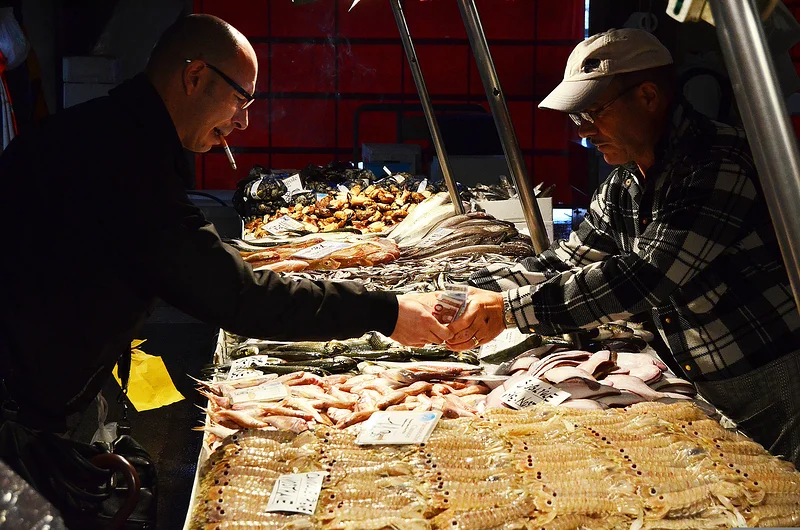
Friendly tip: the Rialto market opens early in the morning. Pick up fresh fruit, local cheese, and crusty bread, then find a quiet square to picnic. You will save $34* and eat better than you would at most sit-down restaurants.
How to get to and around Venice
Marco Polo Airport sits 13 km from the center. The Alilaguna boat (blue or orange line) drops you right into Venice in an hour for $17*, making it the most scenic arrival option. ACTV bus #5 costs $9* and reaches Piazzale Roma in 30 minutes, though you will need to walk or catch a vaporetto from there.
If you are flying in from France, direct flights take about 1 hour and 40 minutes from Paris ($79-$290* round trip depending on the season). By train, Venice is 2.5 hours from Milan, 1.5 hours from Bologna, and 2 hours from Florence. Santa Lucia station has a stunning location right on the edge of the Grand Canal.
Once you are in Venice, you will walk a lot. A single vaporetto ticket costs $11* (which is steep), but a 24-hour pass for $29* or a 72-hour pass for $51* pays for itself by your third or fourth ride. Traghetti, the large gondolas used to cross the Grand Canal at specific points without bridges, cost $2.30* and let you experience a gondola ride without the steep price tag. A standard private gondola rental runs $102* for 30 minutes during the day and $113* at night for up to 6 people.
When to go?
Avoid July and August if you can manage it: the heat is stifling, the crowds are overwhelming, and prices peak. Spring (April through June) and fall (September and October) strike the best balance between pleasant weather and manageable foot traffic. From November through March, you will have the city mostly to yourself, but the weather turns cold and damp, and acqua alta threats increase.
Carnival in February turns Venice into an open-air theater, but prices skyrocket and you need to book months ahead. The Venice Film Festival in late August and the Biennale (art in odd years, architecture in even years) running from June to November draw dedicated enthusiasts. Christmas and New Year's are magical, but freezing.
Merci pour l'astuce sur l'hébergement. Effectivement, je trouvais chères toutes les offres d'hôtels sur Venise, mais 15€ / nuit c'est inespéré !