
Visiting the Bridge of Sighs
Construction
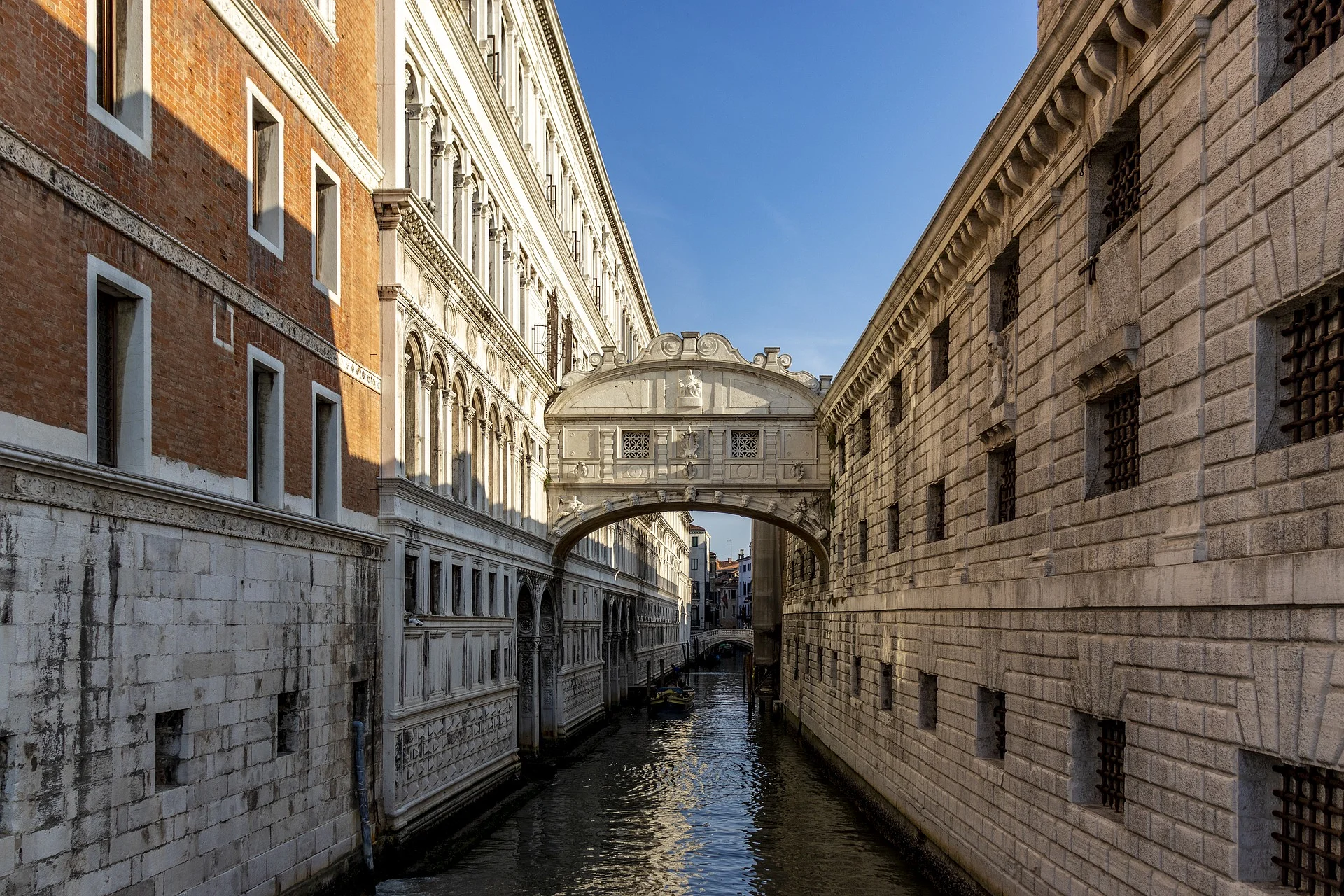
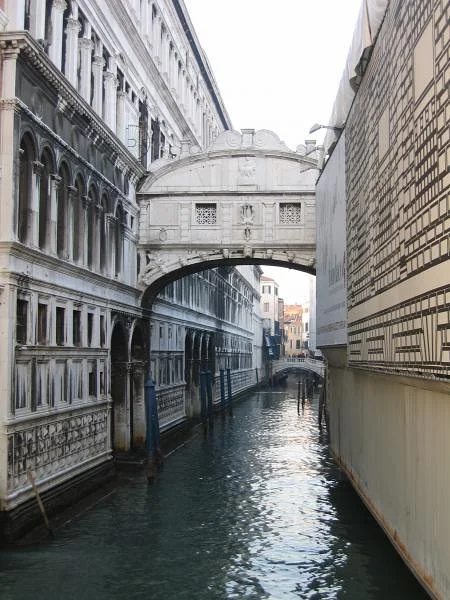
Located in Venice, spanning the Rio de Palazzo o de Canonica (Palace or Canonica Creek), the Bridge of Sighs is a fixture of the city. Built in 1602 to connect the Doge's Palace to the new prison, the Ponte dei sospiri is entirely enclosed. This design ensured that prisoners could neither be seen nor heard while being led to their cells. The bridge features a double corridor and two grilled windows, serving to prevent detainees from attempting suicide while en route to the lower dungeons or the cells beneath the lead roof.
The elegant Baroque architecture, crafted from Istrian stone and intricate marble, is the work of Antonio Contin. He was the nephew of Antonio Da Ponte, a chief official at the Salt Office of Venice who is also responsible for the Rialto Bridge.
A lasting architectural standard
When the Ponte della Costituzione (Constitution Bridge), the fourth bridge to span the Grand Canal after the Rialto, Accademia, and Scalzi bridges, opened in 2008, it suffered by comparison to the ornate Bridge of Sighs. The modern design, made of glass, steel, and reinforced concrete, faced intense controversy due to its many steps that proved difficult for elderly visitors and those with limited mobility. It highlights the ongoing challenge for the city to balance its historic traditions with contemporary design and architectural innovation.
The origin of the name
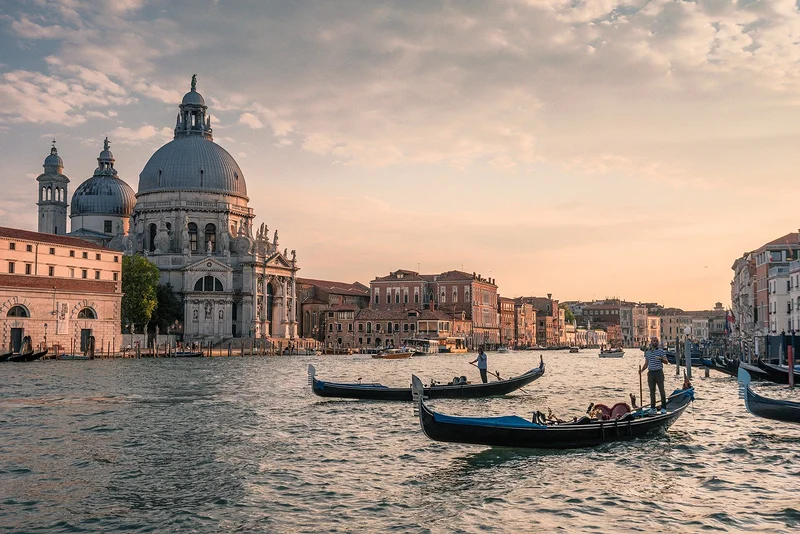
Today, the name Sighs evokes romance. Couples often share a kiss under the bridge during gondola rides. Just past the Bridge of Sighs, you will find the Hotel Danieli, which was frequented by Alfred de Musset and George Sand.
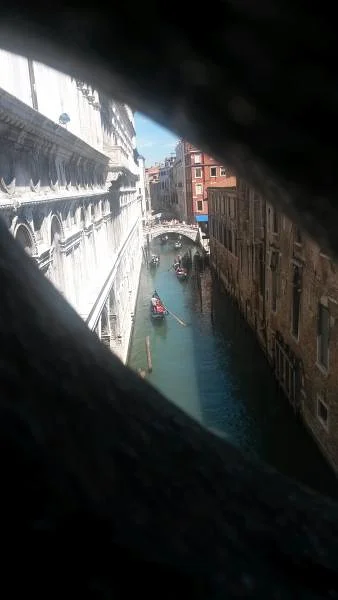
However, the name originally stems from a darker legend. It is said the sighs were those of condemned prisoners who crossed the bridge and caught their final glimpse of the city before descending into the depths of the cells.

J'ai vu le pont de l'extérieur, mais en lisant ton avis, je comprends que l'on peut visiter le pont de l'intérieur ? Est-ce bien cela ?
En tout cas, ça ferait bizarre, car ce pont tient son nom des soupirs poussés par les prisonniers qui l'empruntaient pour se rendre à la prison des plombs et qui y voyaient le monde extérieur pour la dernière fois.