
Budapest, the capital where you can soak in the heat mid-winter
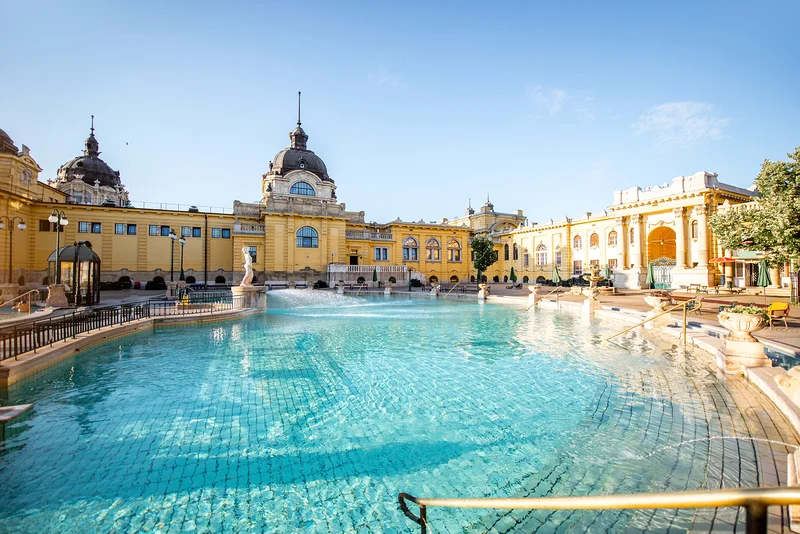
It is 8:00 AM, the air is a biting 23°F (-5°C), and yet a dozen locals are playing chess, shoulders submerged in a steaming open-air pool. Pale yellow neo-baroque columns rise above, the scent of sulfur swirling into the vapor. This is the Hungarian capital: a place of extreme contrasts, balancing imperial grandeur with a laid-back pace, and majestic facades with graffiti-lined interior courtyards.
Is this for you?
If you like mixing cultural sightseeing in the morning with afternoon relaxation in thermal waters and lively evenings in offbeat, tucked-away bars, this city is for you. Three days are enough to cover the essentials, while five days allow you to really settle into the rhythm of the place.
Best for:
- Architecture and history buffs, ranging from Art Nouveau to Neo-Gothic styles
- Thermal bath and wellness enthusiasts, with over 120 natural springs to choose from
- Night owls and fans of creative, unconventional nightlife
- Travelers on a moderate budget looking for a major European capital that remains accessible
Not for:
- Travelers who dislike crowds, as the baths and the city center get very busy, especially in summer
- Fans of beach vacations or deep wilderness, as this is firmly an urban destination
A soft budget for a European capital
The local currency is the Hungarian forint. Credit cards are accepted almost everywhere, but always choose to pay in forint rather than euros to avoid poor exchange rates. Avoid Euronet ATMs, which are notorious for high fees.
| Expense | Estimated Range |
|---|---|
| Hostel bed | 4,000 to 8,000 HUF (about $10-20) |
| 3-star hotel, central | 23,500 to 43,000 HUF (about $60-110) |
| Quick bite | 1,200 to 2,350 HUF (about $3-6) |
| Restaurant meal | 3,900 to 7,800 HUF (about $10-20) |
| Transport + one activity | 3,900 to 9,750 HUF (about $10-25) |
| Daily budget for backpackers | 11,700 to 19,500 HUF (about $30-50) |
| Daily budget for comfort | 31,000 to 50,500 HUF (about $80-130) |
Practical tips and what to expect
The public transportation is excellent, featuring four metro lines, 40 tram lines, and over 200 bus routes. The Pest side is very walkable. The city is safe, provided you follow the standard precautions you would use in any major European capital. Just watch out for classic bar scams where locals invite men inside, only to present a grossly inflated bill afterwards.
Hungarian is a complex language with no relation to its neighbors, but English is widely spoken in tourist areas and by younger generations.
Buda, the royal bank and its views
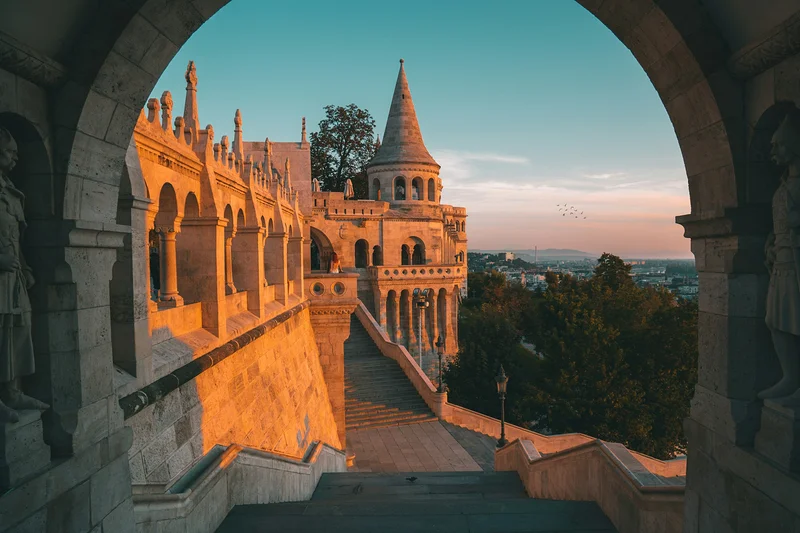
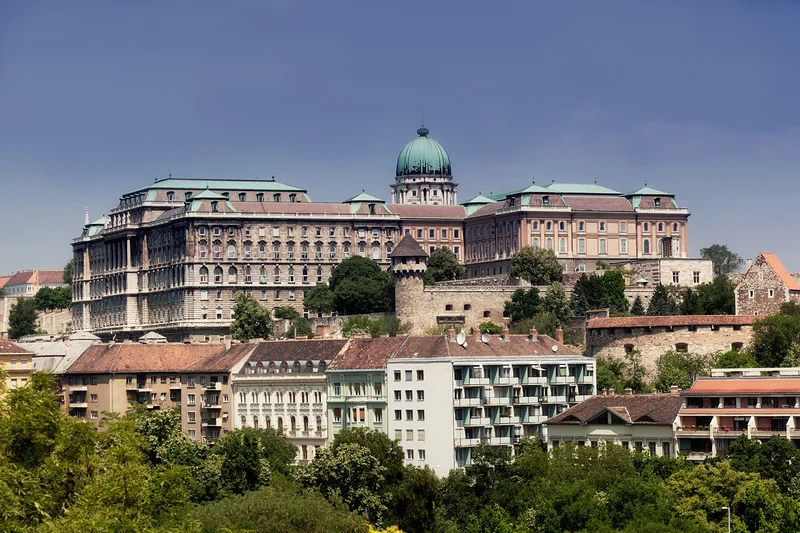
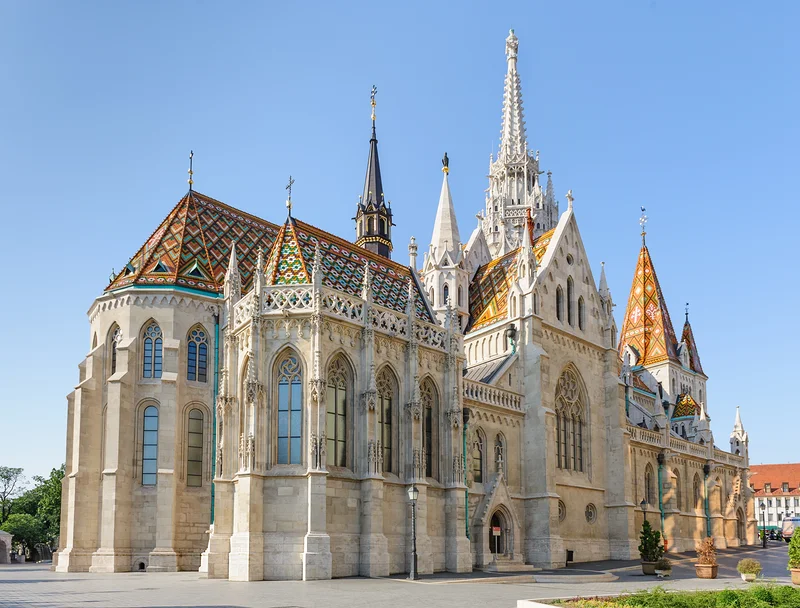
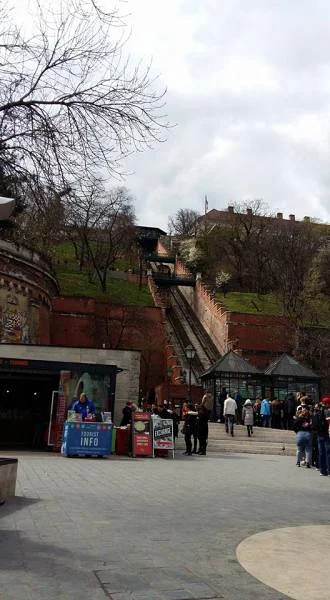
On the west bank, the castle district holds the city's imperial heritage. The funicular climbs to Várhegy, where cobblestone alleys lead to the royal palace and the Matthias Church, instantly recognizable by its colorful glazed tile roof. Right next door, the Fisherman's Bastion offers the most photographed panorama in the city.
Local tip: arrive before 8:00 AM to enjoy the Bastion almost entirely to yourself. By 9:30 AM, the tour groups arrive in full force.
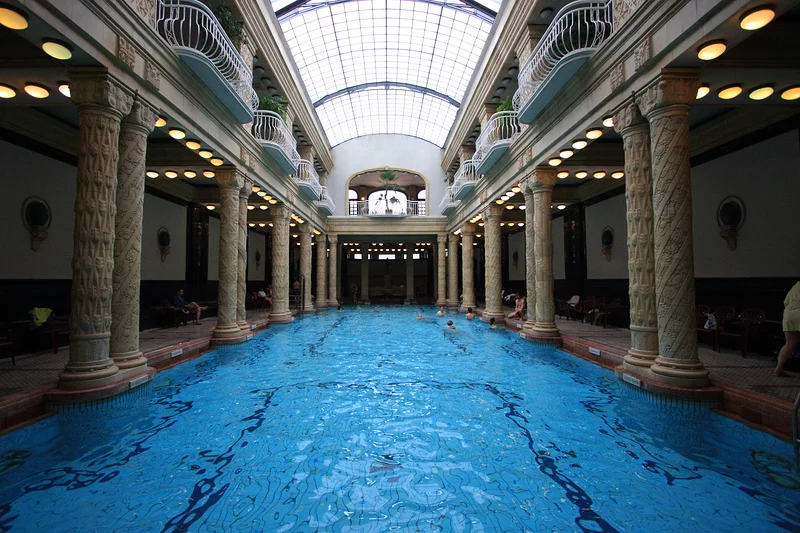
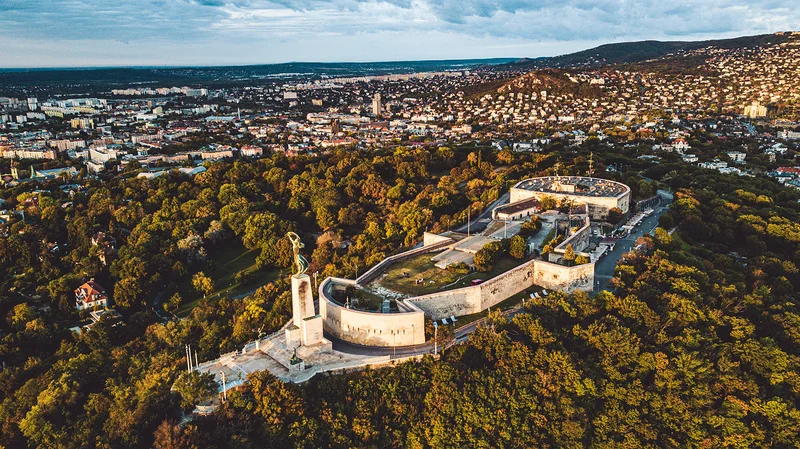
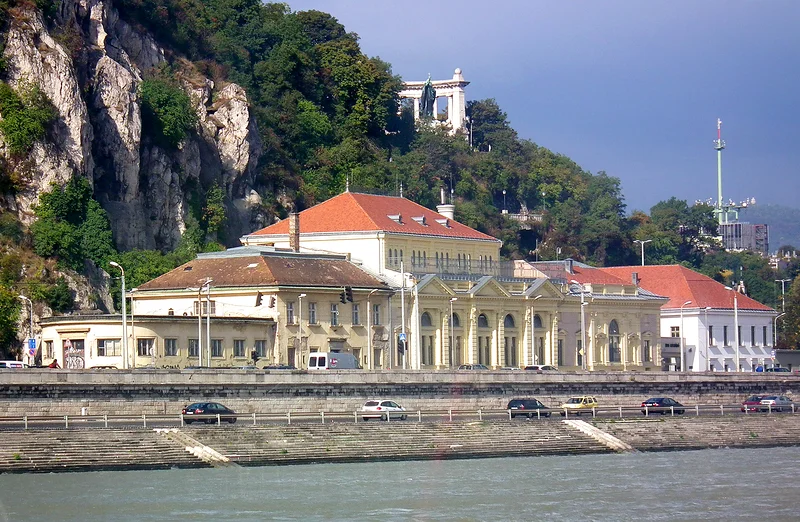
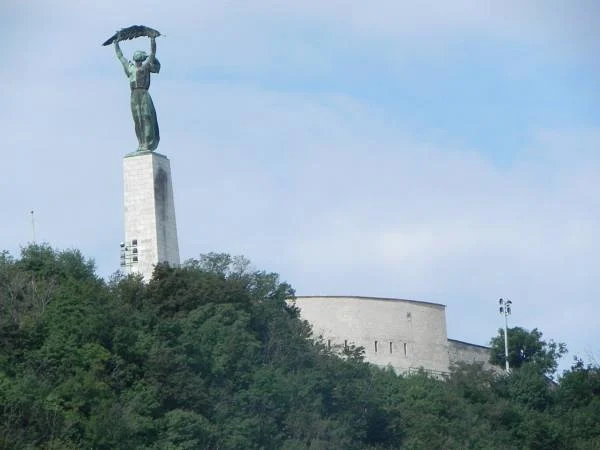
Further south, Gellért Hill looms over the river. At its base, the Gellért Baths are an Art Nouveau masterpiece filled with mosaics and stained glass. For a more intimate experience, the Rudas Turkish baths and their 16th-century Ottoman dome offer late-night sessions with views of the Danube.
Pest, from grand boulevards to ruin bars
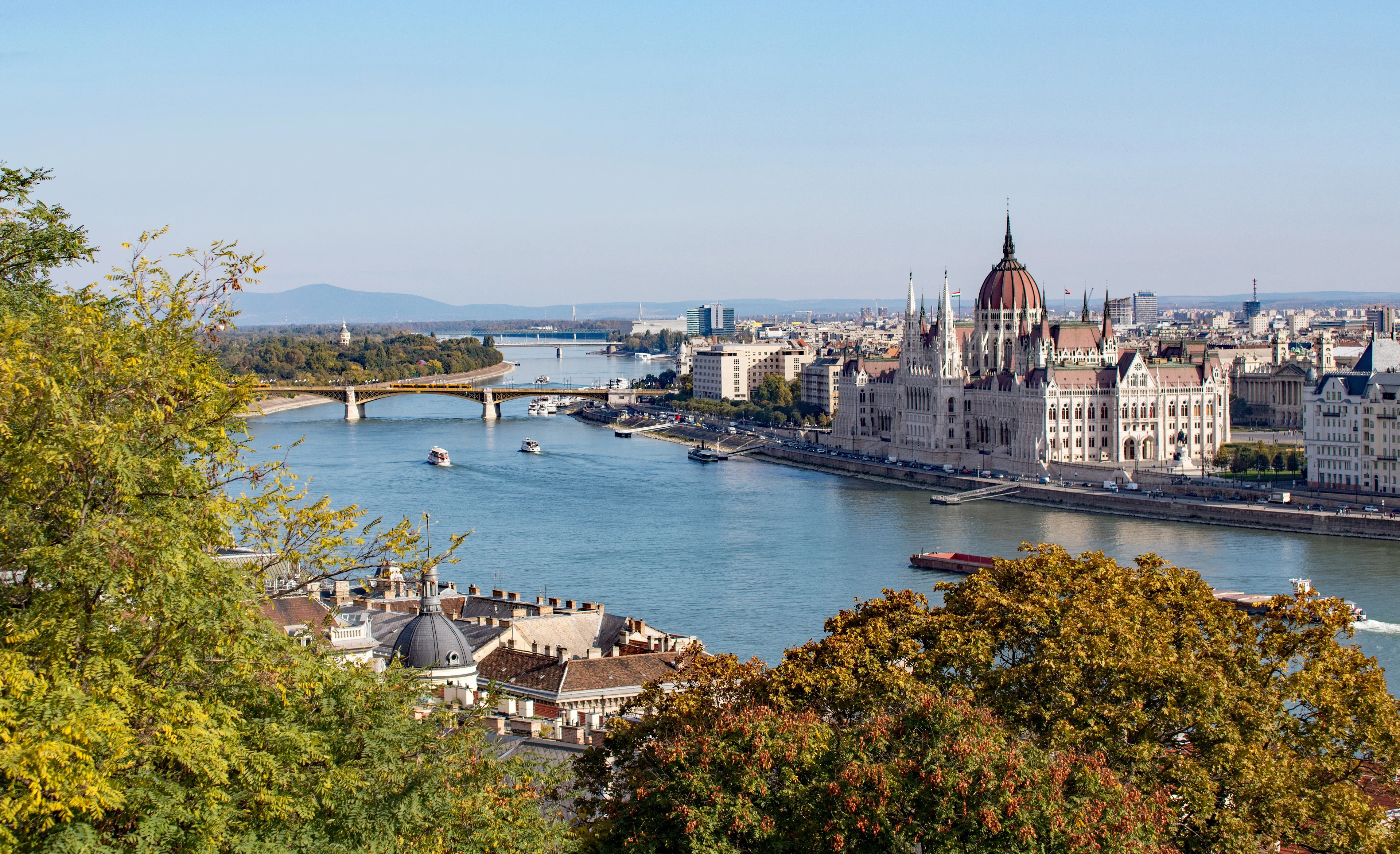
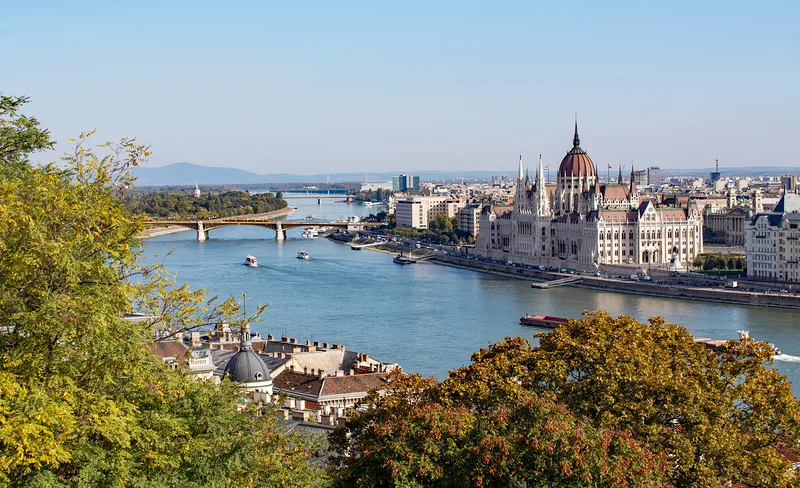
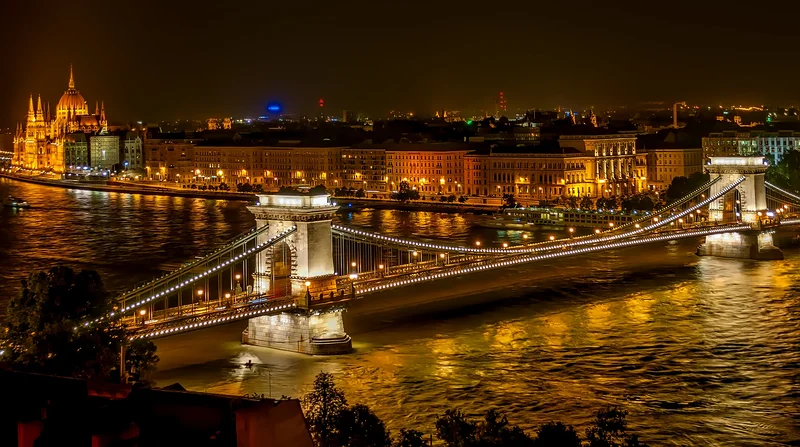
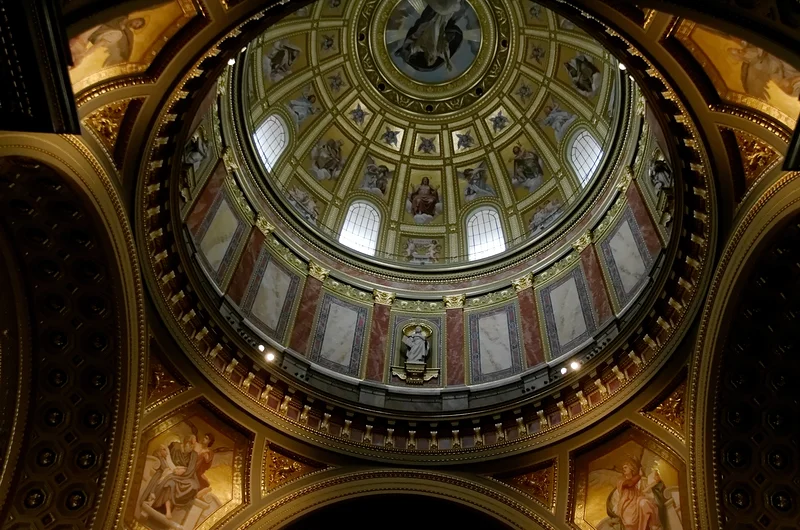
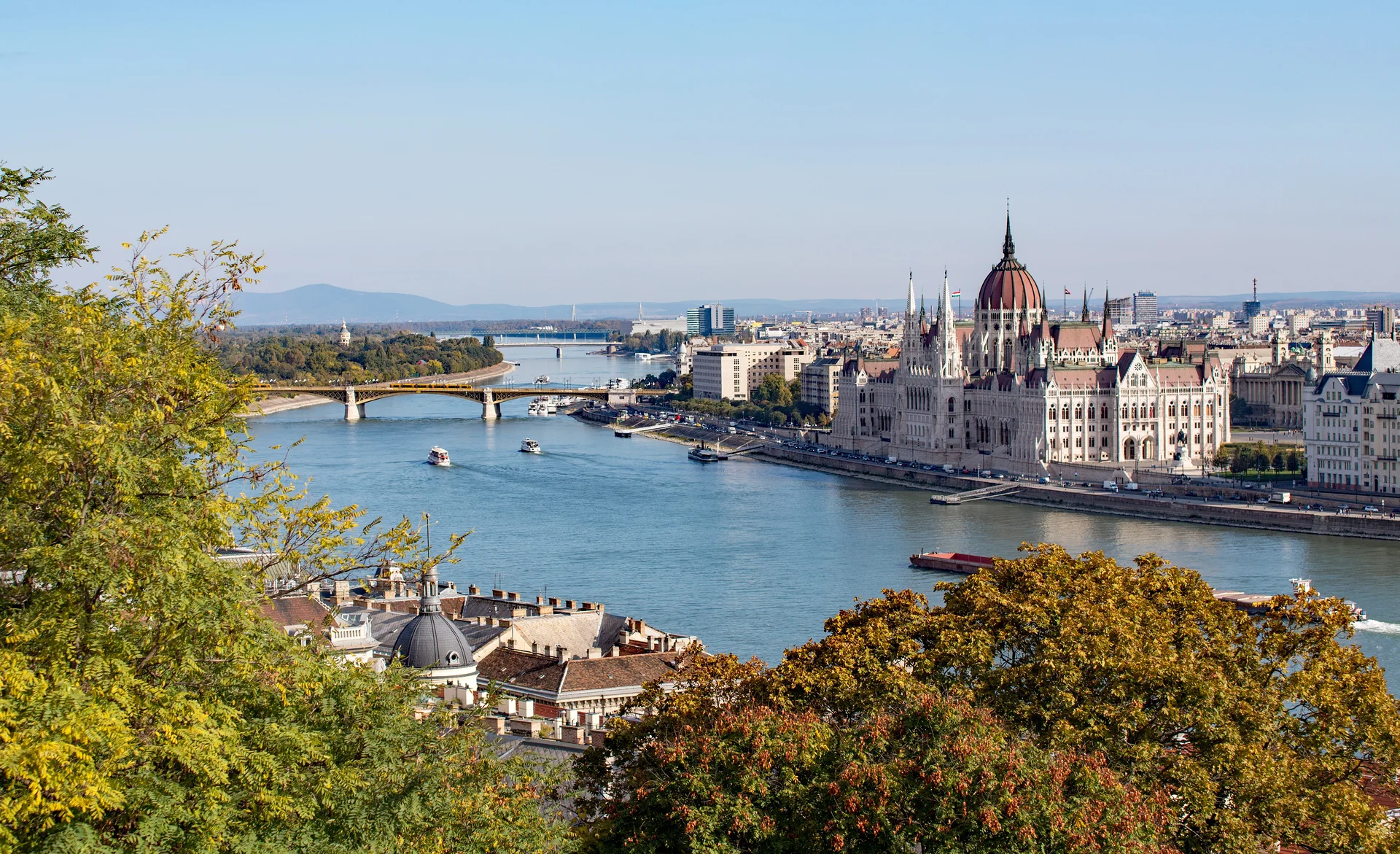
The Number 2 tram line, which runs along the river, offers one of the most spectacular urban transit routes in Europe for the price of a standard ticket. The St. Stephen's Basilica impresses with a 360-degree view from its dome. The Parliament, with its soaring Neo-Gothic spires, embodies the sheer scale of the former Austro-Hungarian Empire.
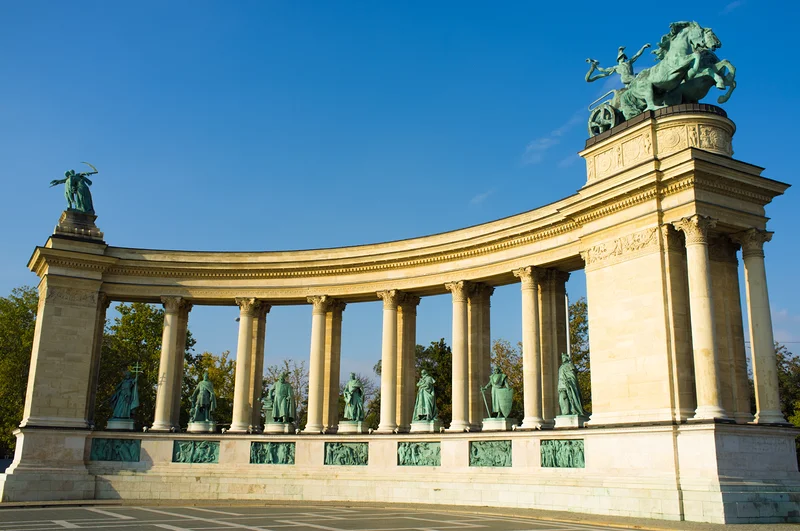
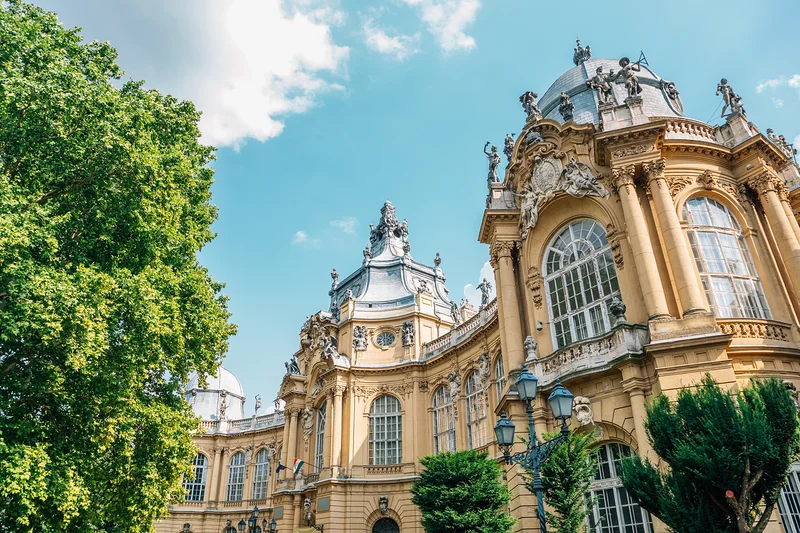
Andrássy út, a World Heritage site, leads to Heroes' Square and then to Városliget park, where the Széchenyi Baths, Europe's largest thermal complex, wait for you in a lemon-yellow palace setting.
Local tip: book your skip-the-line tickets for Széchenyi online, especially between May and September. Without a reservation, you can easily expect an hour wait.
Erzsébetváros, memory and energy
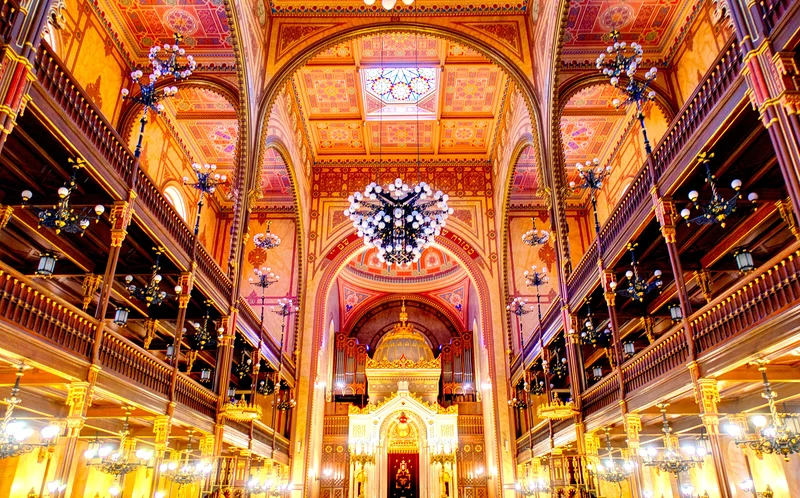
The 7th district is home to the Dohány Street Great Synagogue, one of the largest in the world. All around it, the interior courtyards of dilapidated buildings have been transformed into bars and galleries known as ruin pubs. The most famous, Szimpla Kert, draws massive crowds every night, but the adjacent side streets hide much quieter spots.
Local tip: stop by Szimpla Kert on a Sunday morning instead of at night. The space hosts a local farmers' market with honey, jams, and artisanal cheeses. The vibe is entirely different.
Where to eat and drink in Budapest?
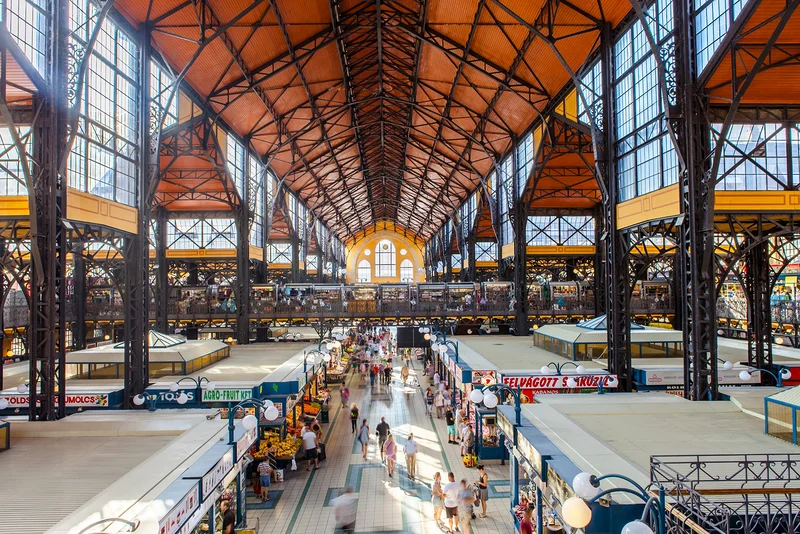
Hungarian cuisine is hearty and aromatic. Gulyás, a thick beef and paprika soup, is the national dish. Also try pörkölt (stew) and lángos, a deep-fried flatbread topped with garlic cream and cheese that is a market staple. Kürtőskalács, cinnamon-dusted chimney cakes cooked on a spit, scent the streets as soon as autumn arrives.
As for drinks, the whites from Tokaj and the reds from Eger are worth seeking out. The cafe scene balances between historic literary cafes and third-wave independent roasters.
Where to sleep in Budapest and the surrounding area?
Belváros is the most central choice. Erzsébetváros is better suited for nightlife lovers. On the Buda side, the atmosphere is residential and quiet, which is ideal for families. Rental apartments remain a great value for stays longer than three nights.
How to get to Budapest?
From Paris, the direct flight takes about 2 hours and 15 minutes. Air France, Wizz Air, Ryanair, and easyJet operate the route, with round trips starting as low as 15,500 HUF (about $40) when booked early. From Vienna or Bratislava, the FlixBus or the RegioJet train take between 2.5 and 3 hours.
From Ferenc Liszt Airport, the 100E express bus reaches the center in 35 minutes for about 2,200 HUF (about $6). This bus is not included in standard transport passes. Uber and Bolt are also available.
How to get around Budapest?
Pest is very pleasant to explore on foot. For longer distances, the network of metro, trams, and buses is dense and reliable. A single ticket costs about 450 HUF (about $1.20), while a daily pass is 2,500 HUF (about $6.50). The Budapest GO app allows you to buy tickets, sometimes at a reduced rate.
Uber and Bolt work well and remain inexpensive. Avoid hailing a taxi on the street; always prefer ordering through an app. A car is completely unnecessary in the city.
When to go?
Spring and autumn are the best times to visit, offering mild weather, beautiful colors, and manageable crowds. Winter provides a unique atmosphere with Christmas markets and steaming baths under the snow. The heatwaves of July and August, which often push temperatures over 95°F (35°C), are best avoided if possible.
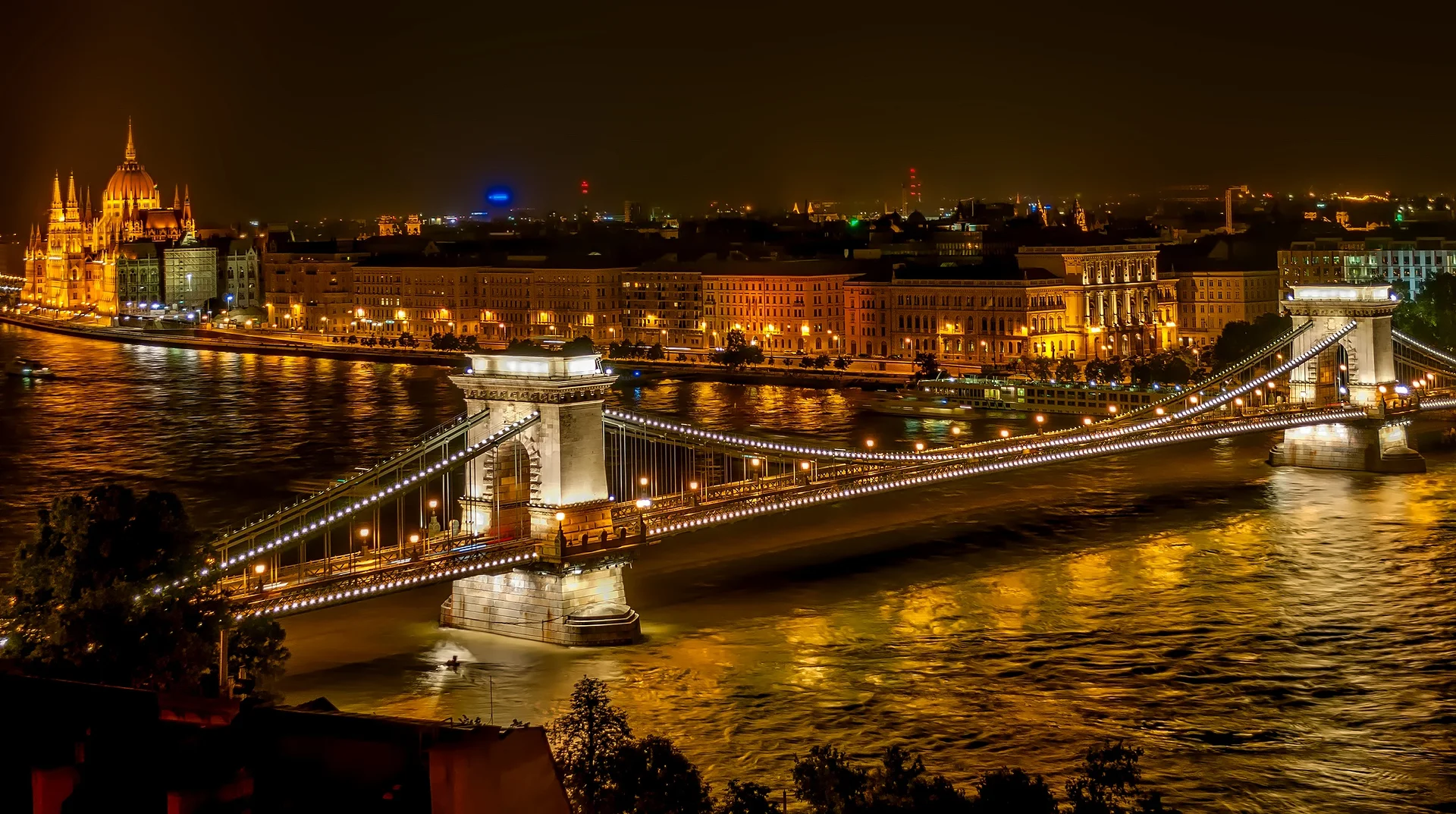
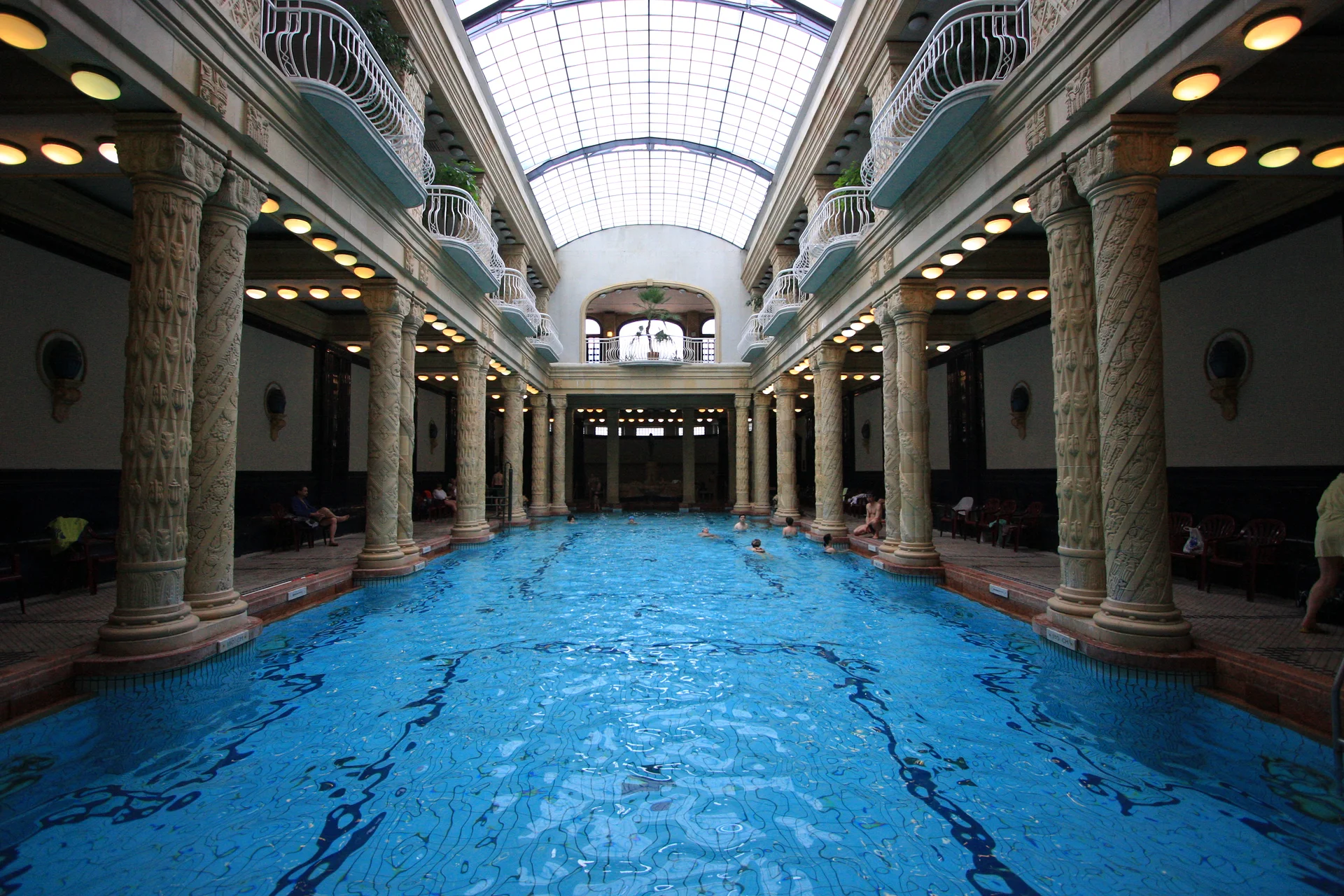
Since I had been hearing so many good things about this city for a while, I wanted to see it for myself.
It is not bad, and it is a really interesting city. I will not comment on the current political direction of the country (it is not really my side, there, I said it!), but the country's history is really interesting. By the way, Mate, a local guide who organizes free walking tours (you pay by tip) via Civitatis, summed things up well for us: a fairly tragic succession of invaders, chased out by other "liberators/invaders" who raze the city every time to take possession of the place. I found that fascinating, and it explains why the oldest buildings only date back to the 19th century. For example, the old Habsburg Palace is a reconstruction, and not quite finished either.
So:
- A city whose architecture will surprise you with sumptuous Art Nouveau and Art Deco buildings sitting right next to Soviet-era eyesores.
- Nice thermal baths to relax in, even outdoors in April because the pools are heated (heads up, the large outdoor pool at Széchenyi is under renovation until June).
- Food that is not very varied, but it fills you up (I am thinking in particular of goulash and langos).
- The concept of ruin bars, which have popped up elsewhere in Europe, but are truly surprising: a mix of beer garden, nightclub, and artist loft.