Visiting Hungary, between imperial heritage and thermal baths
Right in the center of Central Europe, Hungary invites you to explore its remarkable heritage, varied landscapes, and unique thermal culture. From elegant Budapest to picturesque villages and sweeping plains, this country offers a fascinating mix of history, nature, and tradition. Whether you are into architecture, relaxation, or food, Hungary has plenty to spark your curiosity.
Budapest: Pearl of the Danube
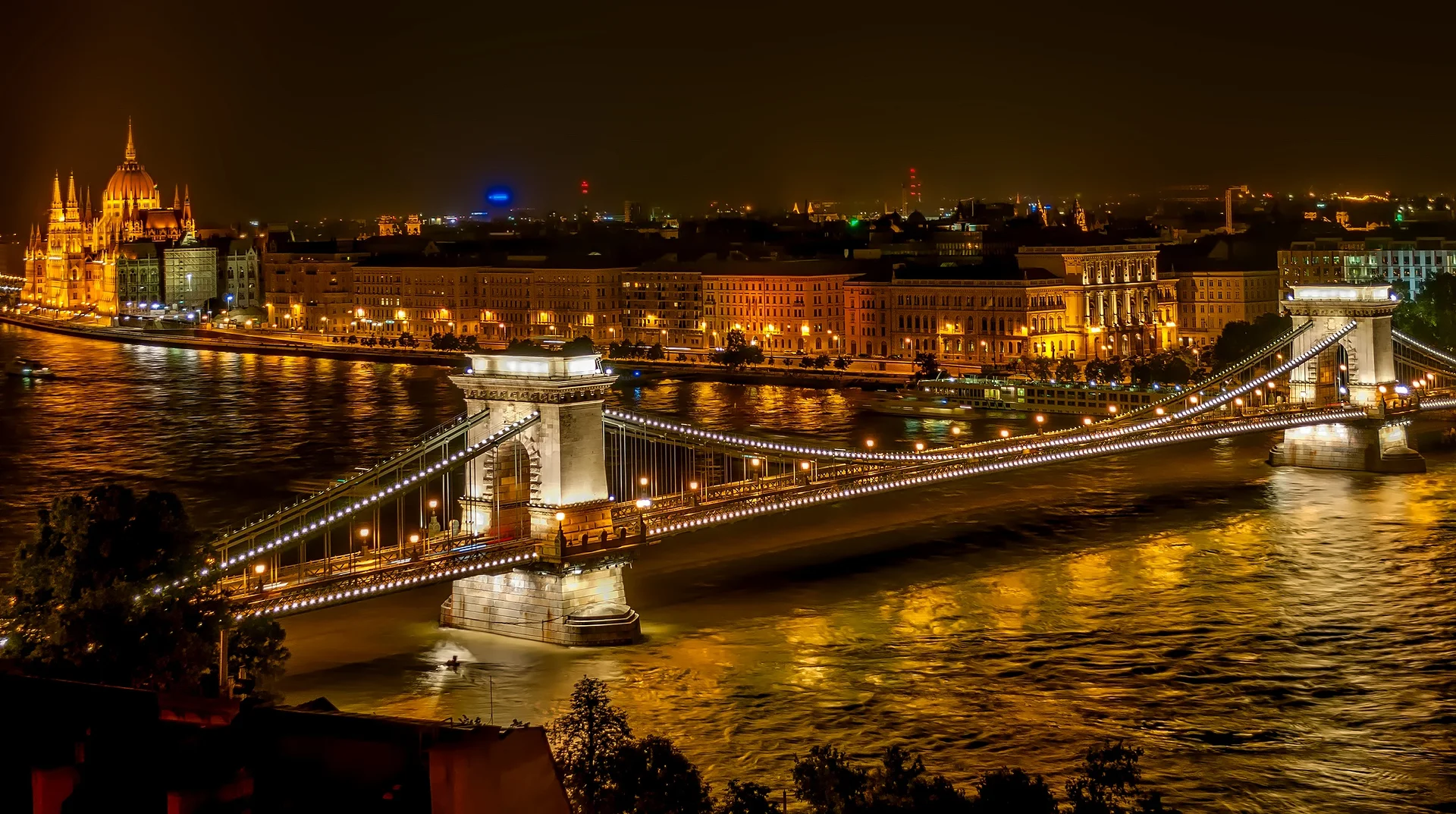
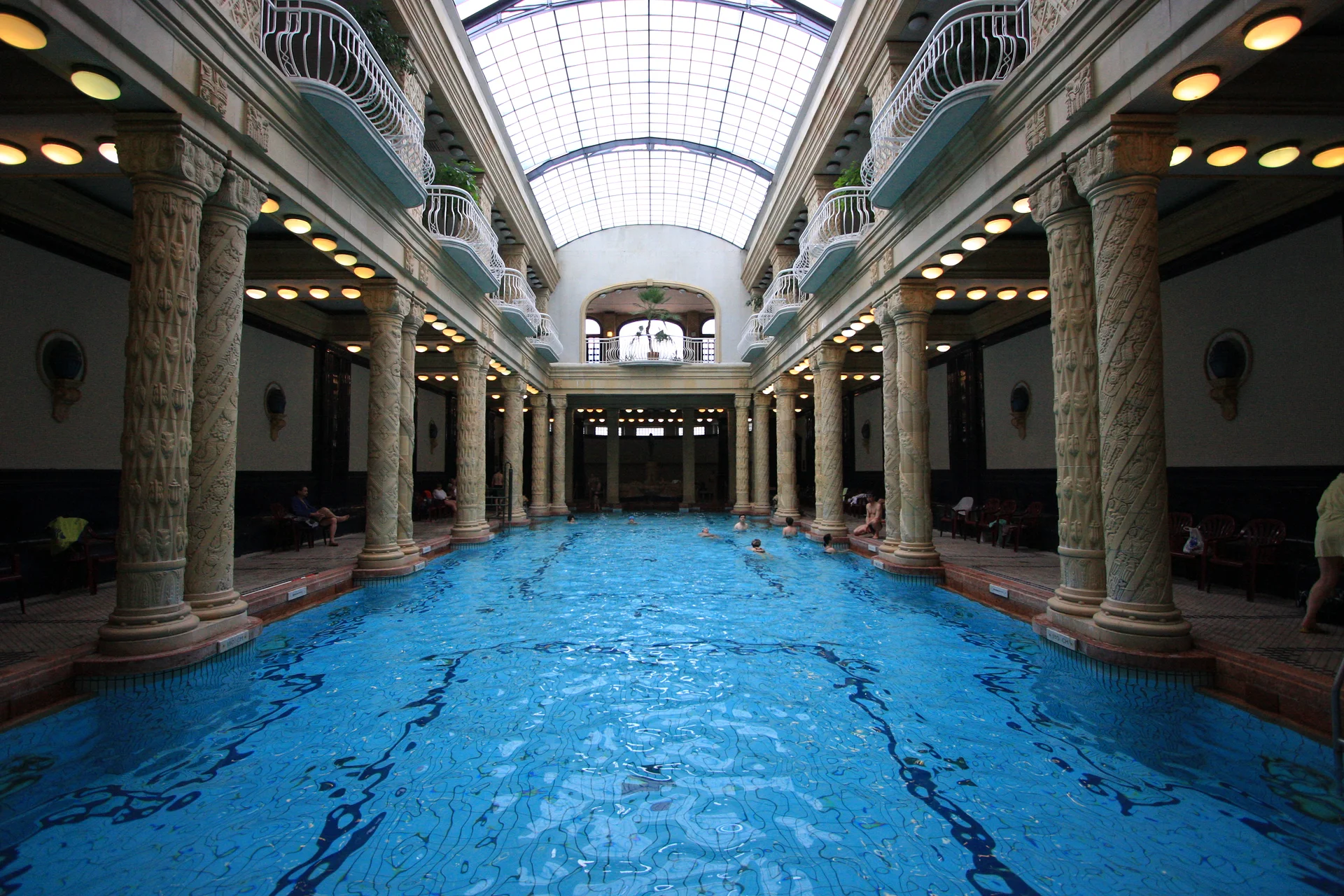
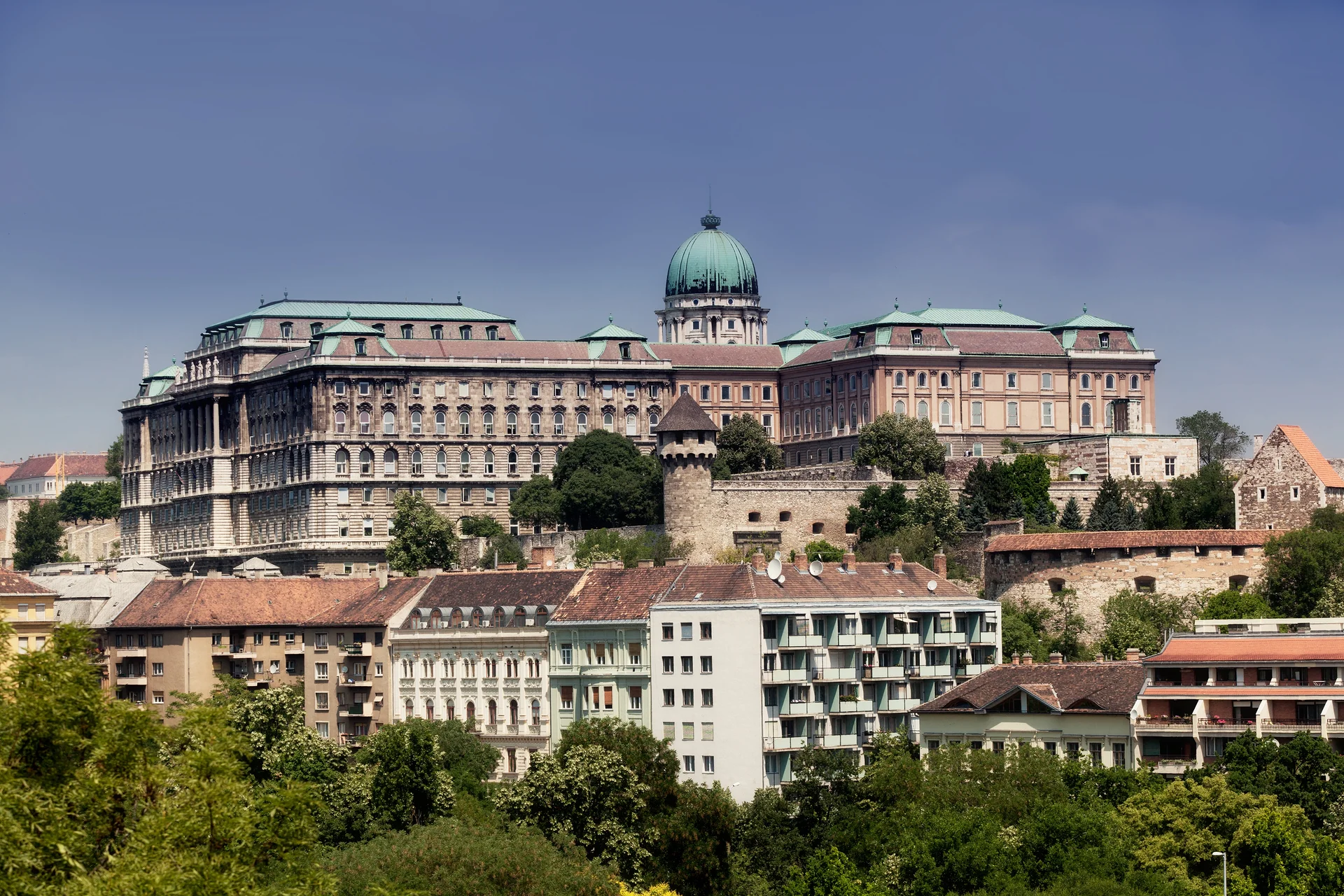
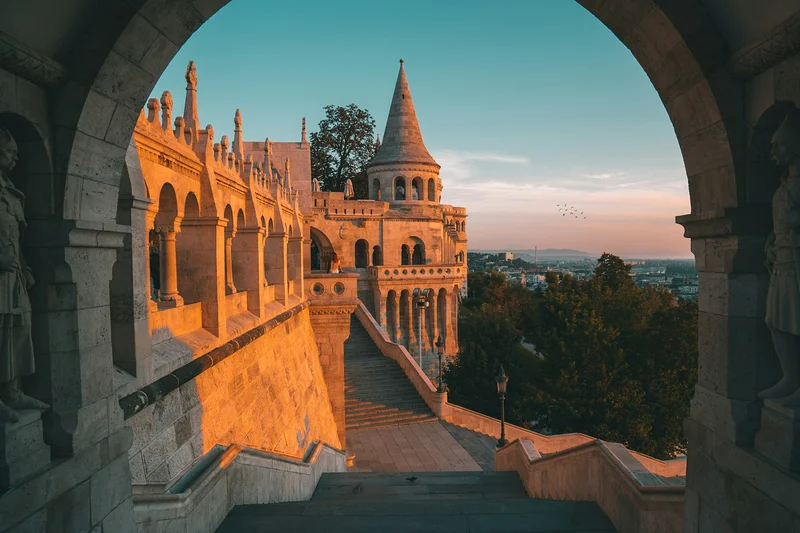
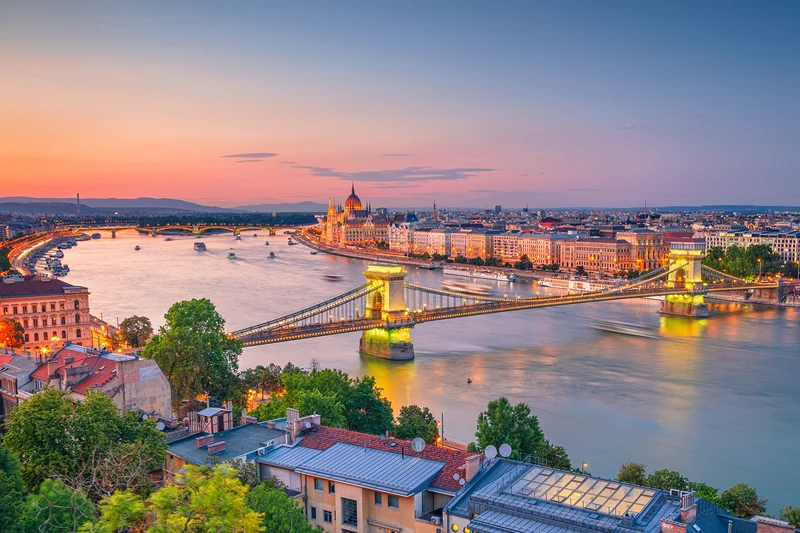
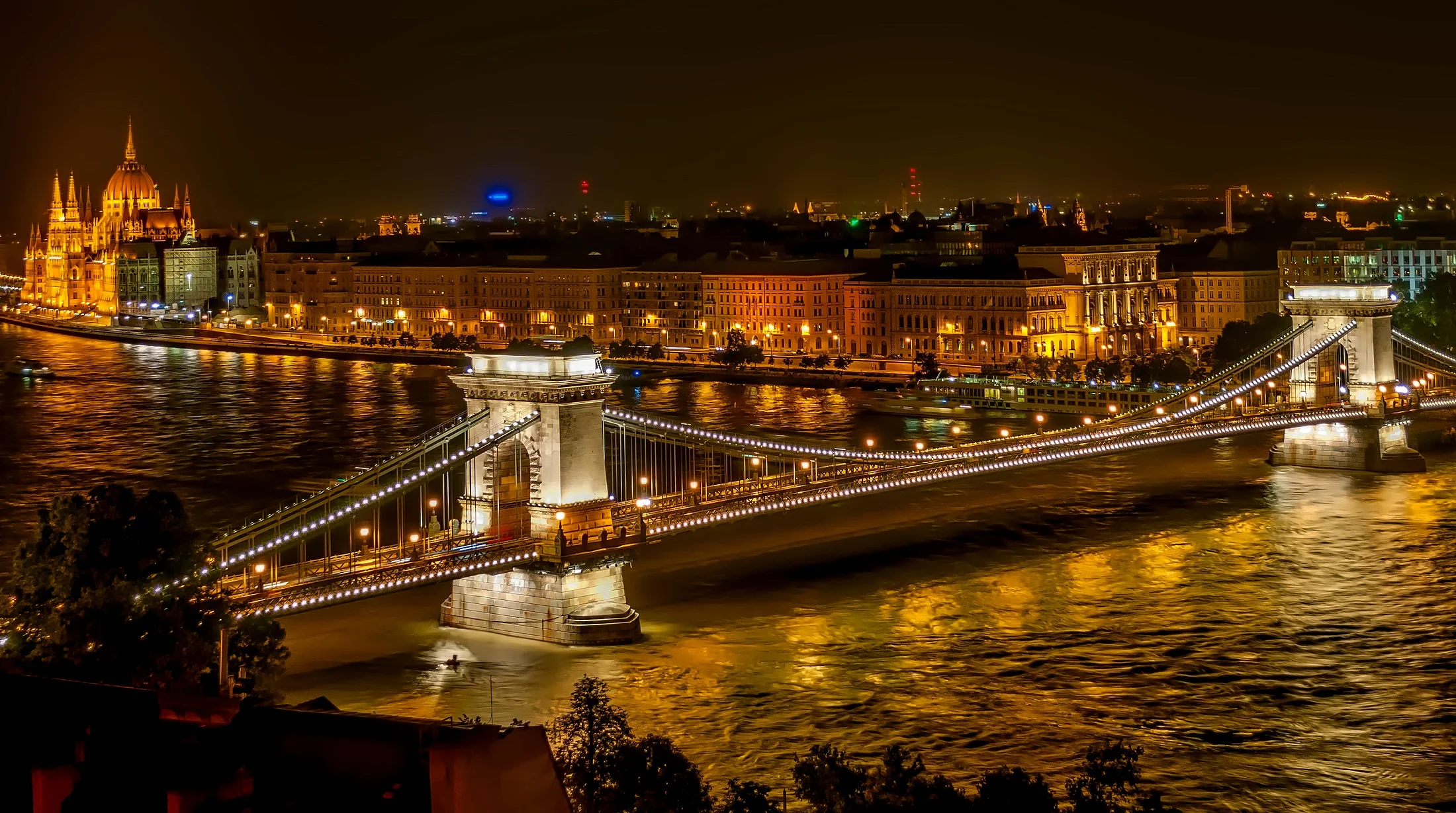
You cannot visit Hungary without exploring Budapest, its majestic capital. Split in two by the Danube River, it consists of Buda, its historic district with cobblestone alleys, and Pest, which is more dynamic and modern. Highlights include the Hungarian Parliament Building, the Fisherman's Bastion, and the famous Széchenyi thermal baths, a unique spot to unwind in naturally warm waters. The city is also known for historic coffeehouses and a lively nightlife scene.
The treasures of Lake Balaton
In the western part of the country, Lake Balaton is the go-to summer getaway for locals. This vast body of water, one of the largest in Europe, draws swimmers, sailors, and hikers. The towns of Tihany and Keszthely are especially worth a detour: the former for its thousand-year-old abbey overlooking the lake, the latter for its baroque palace. It is also a wine region where you can taste renowned local vintages.
The charm of villages and plains
Hungary goes far beyond Budapest and Balaton, with a countryside full of preserved villages where time seems to stand still.
In Hollókő, a UNESCO World Heritage site, you will find traditional architecture and living customs. Further south, the Puszta region reveals vast plains where herders keep centuries-old traditions alive. Equestrian shows are regularly hosted here to dive into the history of Hungarian horsemen.
Cultural Hungary: museums and festivals
Art and culture lovers will find plenty to do in Hungary. Budapest houses major museums like the Museum of Fine Arts and the Hungarian National Gallery.
On the festival side, the Sziget Festival brings thousands of concertgoers to a Danube island every summer. Outside the capital, the Miskolc Opera Festival and folk events in Kecskemét showcase the country's artistic range.
Comforting and spiced flavors
Hungarian cuisine is hearty and bold, featuring heavy use of paprika. The signature dish is undoubtedly goulash, a beef stew simmered with vegetables and spices. Another staple is pörkölt, a thicker variation of goulash.
For dessert, rétes, a local take on strudel, is a must. To wash it all down, try a glass of Tokaji, a sweet dessert wine celebrated for centuries, or pálinka, a regional fruit brandy.
When to go?
Spring and fall are the ideal seasons to visit Hungary, with pleasant temperatures and fewer crowds. Summer, while warm, is perfect for enjoying Lake Balaton and the festival lineup. Winter brings a fairytale atmosphere, especially in Budapest with outdoor thermal baths and holiday markets.
How to get there?
Budapest is served by numerous airlines from major international hubs. A flight from Western Europe takes around 2 hours 15 minutes and costs between $57 and $169* depending on the season. You can also reach Hungary by train or bus from neighboring countries, particularly Vienna or Bratislava.
How to get around?
The Hungarian rail network is efficient and connects major cities affordably. Renting a car is a good option for exploring the countryside. In Budapest, public transit including the metro, trams, and buses is well-developed and cheap. Taxis are reasonable, though it is best to use a ride app to avoid overcharges.