
Visiting Buda Castle
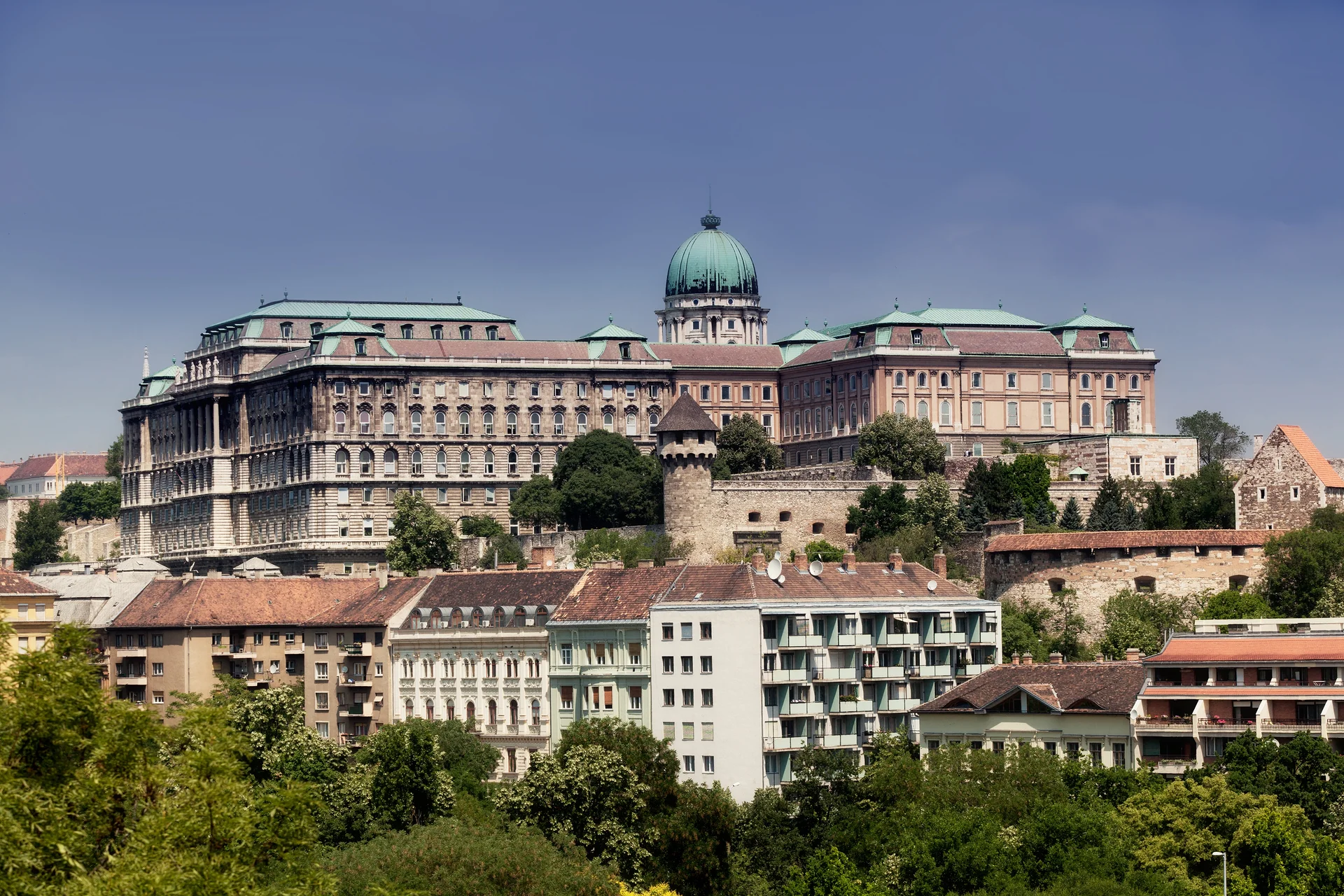
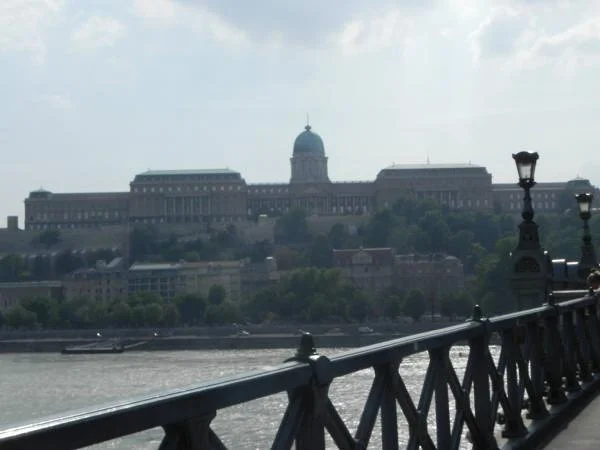
You cannot miss it when looking at the Budapest skyline. Watching over the Hungarian capital, Buda Castle looms above the Danube. While time has inflicted significant damage, its presence remains unmatched. Once a Gothic palace and the seat of power during the Middle Ages, it now houses the Hungarian National Gallery and the Budapest History Museum. Listed as a UNESCO World Heritage site alongside the Buda Castle District, it serves as a primary cultural landmark where restoration efforts continue today.
A grand palace with a turbulent history
Perched on its hill, the site retains the rugged character of its original fortifications. Buda Castle is no longer the same structure envisioned by the Angevin kings in the 14th century. The Ottoman conquest marked its decline, and the 1686 siege that took the city back from them left it almost entirely destroyed. Rebuilt during the reign of Maria Theresa, it was not until the era of Franz Joseph I and his wife Sisi that the palace regained its splendor in 1904. After transforming into a magnificent neo-Baroque residence, the site was severely damaged again by bombing raids during World War II. Renovated in 1980 with a focus on simplicity, its sheer scale remains impressive. Its history of hardship is written into every stone, and its halls now house artwork spanning from the Middle Ages to the present day within the Hungarian National Gallery. Along with canvases by Pál Szinyei Merse and Bertalan Székely, you can find a fine collection of late Gothic altarpieces in the Throne Room. This cultural shift echoes the intellectual and artistic life that flourished within these walls under King Matthias I. The Budapest History Museum, which chronicles the city from its medieval origins, fits perfectly here alongside the National Széchényi Library.
Opening hours
| Monday | Closed |
|---|---|
| Tuesday | 10:00-18:00 |
| Wednesday | 10:00-18:00 |
| Thursday | 10:00-18:00 |
| Friday | 10:00-18:00 |
| Saturday | 10:00-18:00 |
| Sunday | 10:00-18:00 |
*Information subject to change

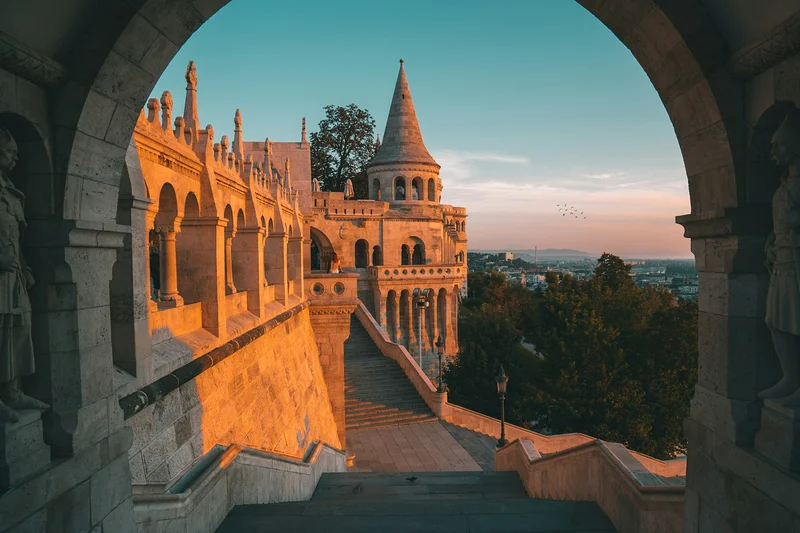
Visited this area with an excellent guide, Mate (Civitatis free tour). Destroyed and then rebuilt several times. The "liberation" by the Soviets at the end of World War II destroyed a good portion of the buildings and the Habsburg palace.
So, most of what you see has been rebuilt. The facades of the old palace hide an interior that is apparently a bit empty and not at all original to the period.
In short, an interesting area, but one that deserves a guided tour to really understand its complex history.