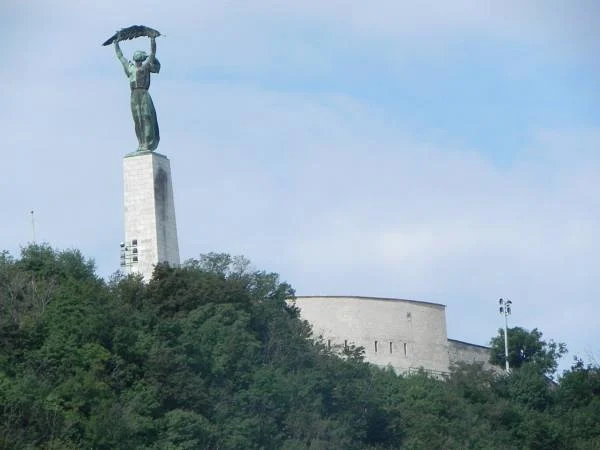
Budapest et le Parlement

Things to do in Budapest: top 10 must-see attractions 2026

Looking for inspiration to visit Budapest? Browse the attractions our traveler community loves most — historic sites, cultural visits, scenic walks and laid-back spots...

Top 10 attractions our members recommend

Fisherman's Bastion

#1 Fisherman's Bastion +26 4.8

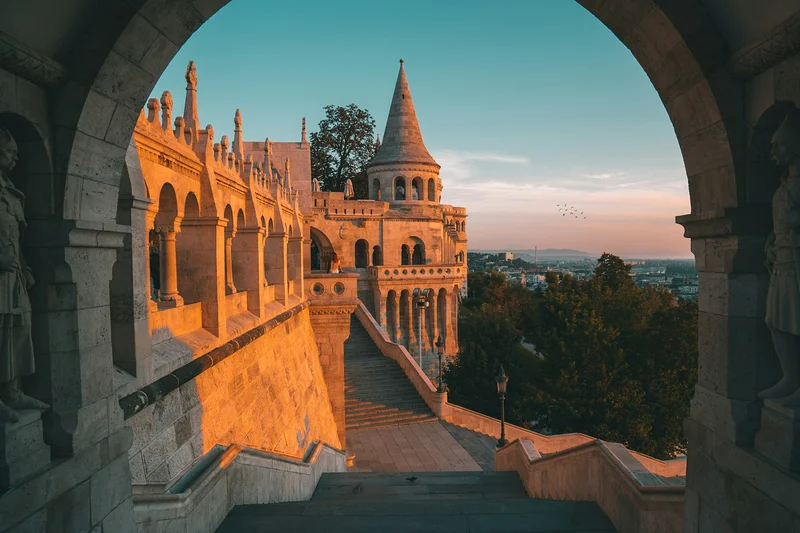
Sur la colline de Buda, sept tours coniques en pierre blanche dominent le Danube depuis 1902. Ce belvédère néo-roman, conçu par Frigyes Schulek pour le millénaire de la Hongrie, offre la vue la plus célèbre de Budapest sur le Parlement et le fleuve. Inscription UNESCO, accès partiel gratuit : un passage obligé à l'agenda budapestois.

Voir le guide View offers
Buda Castle

#2 Buda Castle +24 4.2

Impérial sur sa colline, le Budai var surplombe le Danube et veille sur Budapest depuis le XIIIe siècle. Château gothique des souverains d'Anjou, sa puissante architecture n'aura été qu'une succession de destructions et de renaissances. Conquête ottomane, incendie, bombardements de la Seconde Guerre mondiale, ce palais grandiose a traversé l'histoire dans ce qu'elle a de plus terrible. Si sa restauration se poursuit, ses salles désormais vouées à la culture accueillent la Galerie Nationale Hongroise dédiée à l'art, le Musée d'Histoire de Budapest et la Bibliothèque Nationale Széchényi. Avec le Quartier du Buda, il est classé au patrimoine mondial de l'UNESCO.

Voir le guide View offers
Gellért Baths

#3 Gellért Baths +23 4.5

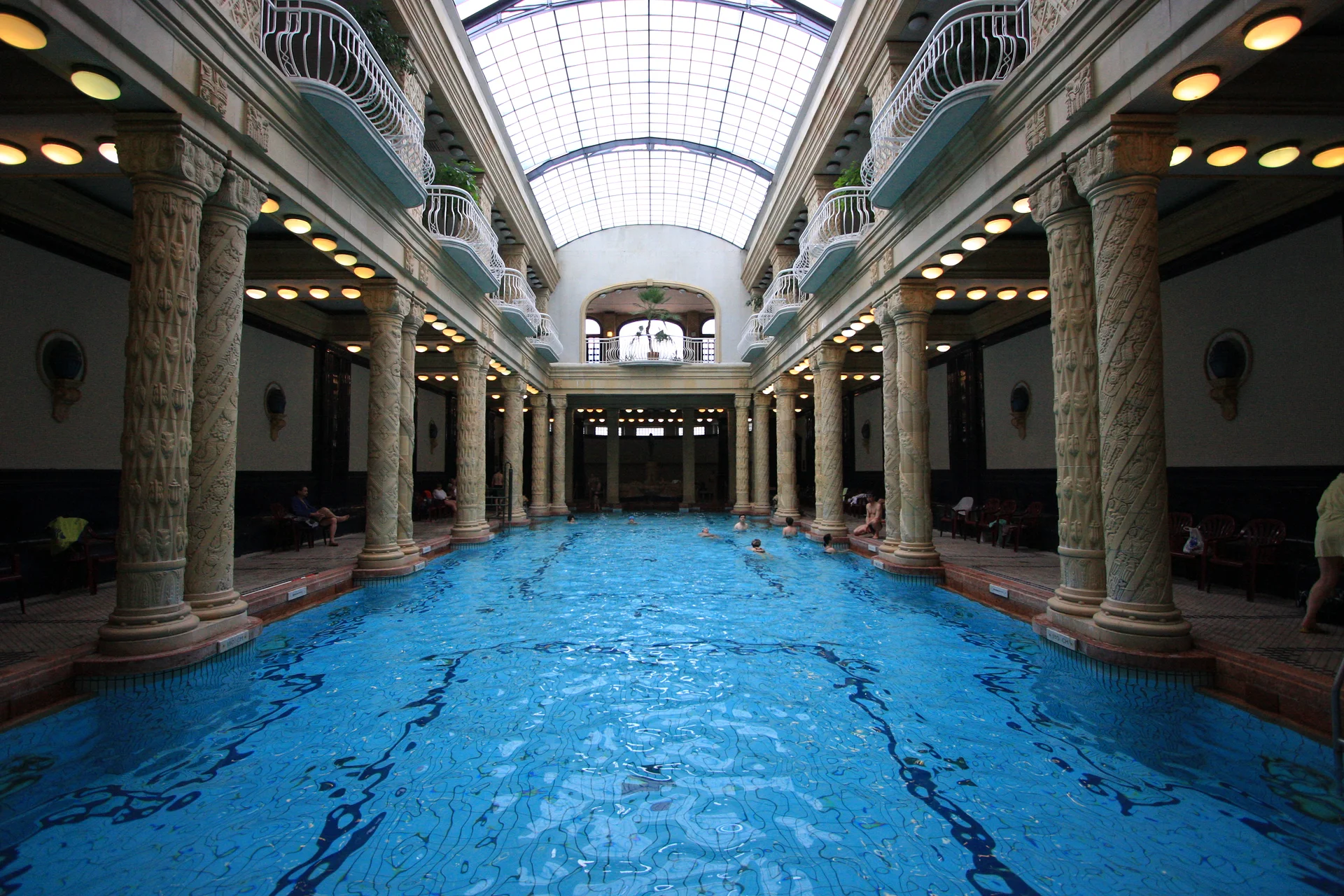
Les thermes de Gellért, à Budapest, offrent une expérience thermale dans un cadre Art nouveau remarquable. Avec des eaux riches en minéraux provenant des sources du mont Gellért, le site propose plusieurs bassins, des saunas et des soins relaxants. La piscine intérieure, entourée de colonnes et mosaïques, reflète l'élégance de l'architecture hongroise. Bien que les tarifs soient élevés, le mélange de bien-être et de culture fait des thermes de Gellért une visite enrichissante.

Voir le guide View offers
Széchenyi Thermal Bath

#4 Széchenyi Thermal Bath +22 4.8

Avec 120 sources recensées à Budapest, l'eau thermale est une véritable institution. Parmi les nombreux sites dédiés aux bains et aux cures, les Thermes Sczéchenyi, ouverts en 1913, sont les plus grandioses. Au cœur du parc Városliget dans le 14eme arrondissement, ils proposent 21 piscines et bassins dont trois en extérieur. Au pied de l'immense édifice à l'architecture néo-Renaissance, l'eau chauffée de 28 à 38 ° permet de s'y baigner été comme hiver. Une expérience unique, à vivre au milieu des coupoles et des sculptures, pour un moment hors du temps. Un SPA complète l'offre d'un complexe thermal élégant et mythique.

Voir le guide View offers
Hungarian Parliament Building

#5 Hungarian Parliament Building +21 4.5

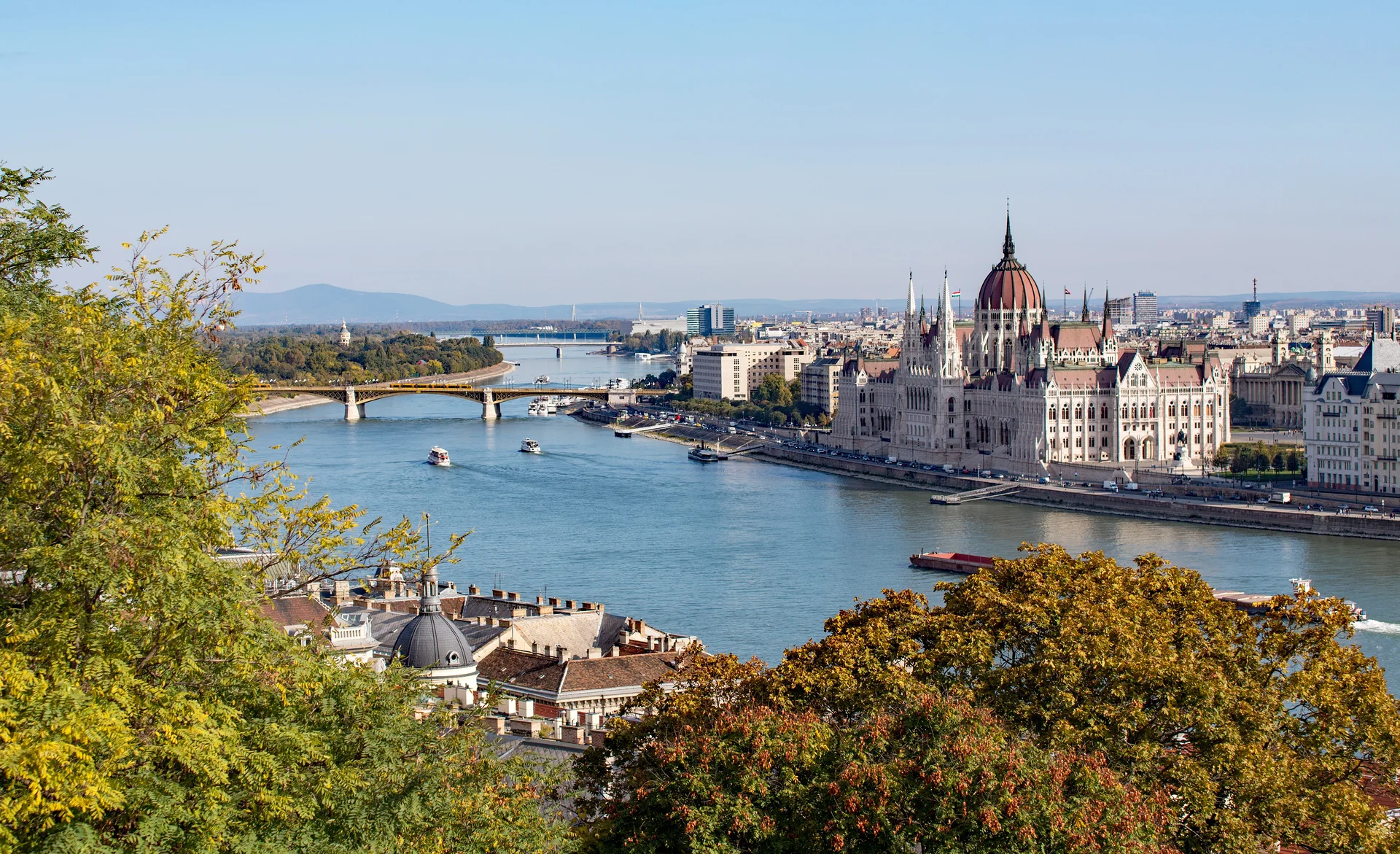
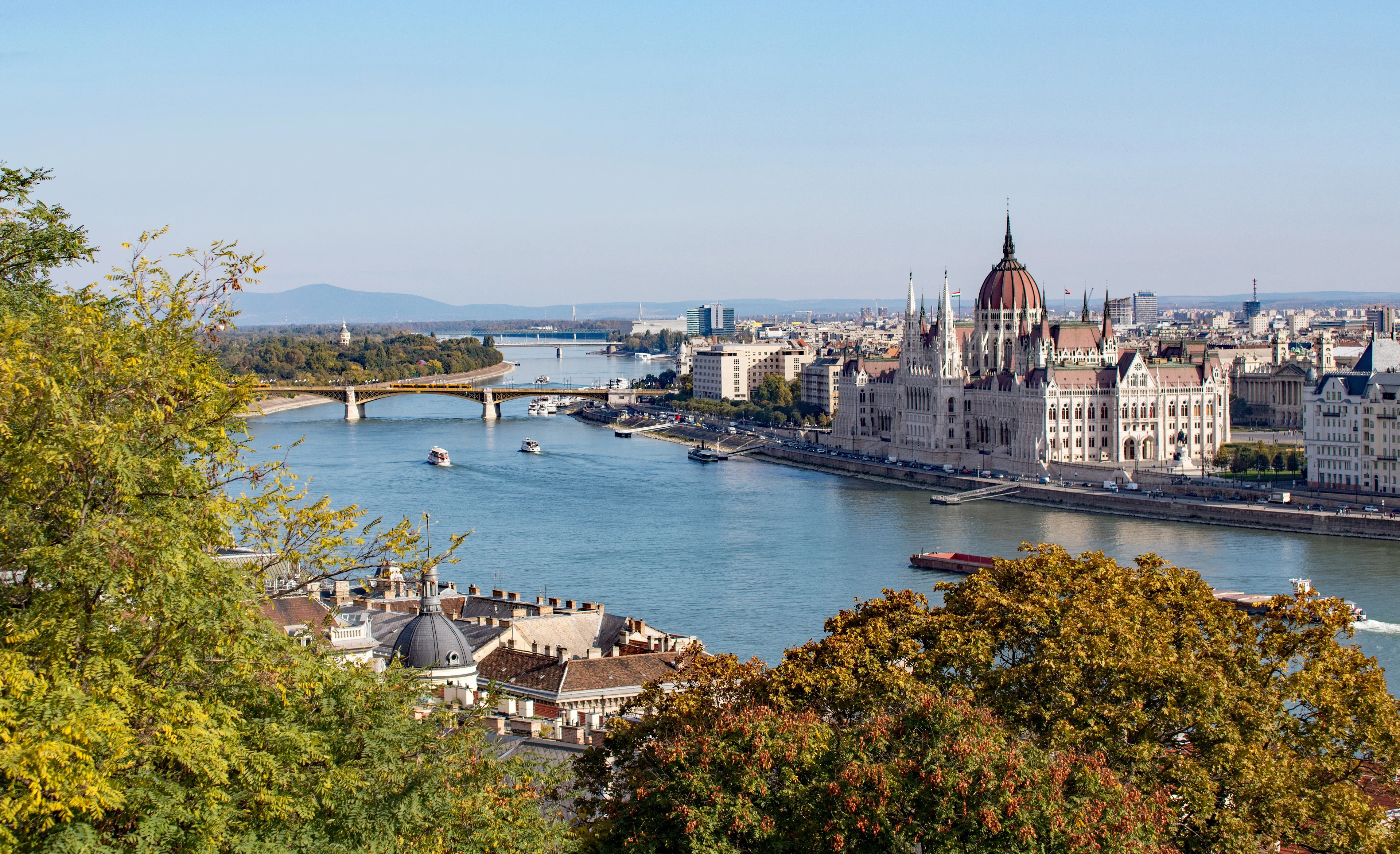
En plein centre de Budapest, le Parlement hongrois est un chef-d’œuvre néogothique bordant le Danube. Son architecture impressionnante, inspirée du Palais de Westminster, attire de nombreux visiteurs. À l’intérieur, on peut admirer la salle de l’Assemblée nationale, la couronne de saint Étienne et des fresques somptueuses. De nuit, son illumination sublime le bâtiment. L’esplanade offre une vue panoramique sur Buda et ses monuments. Des visites guidées permettent de découvrir ce symbole de la grandeur hongroise.

Voir le guide View offers
Széchenyi Chain Bridge

#6 Széchenyi Chain Bridge +20 4

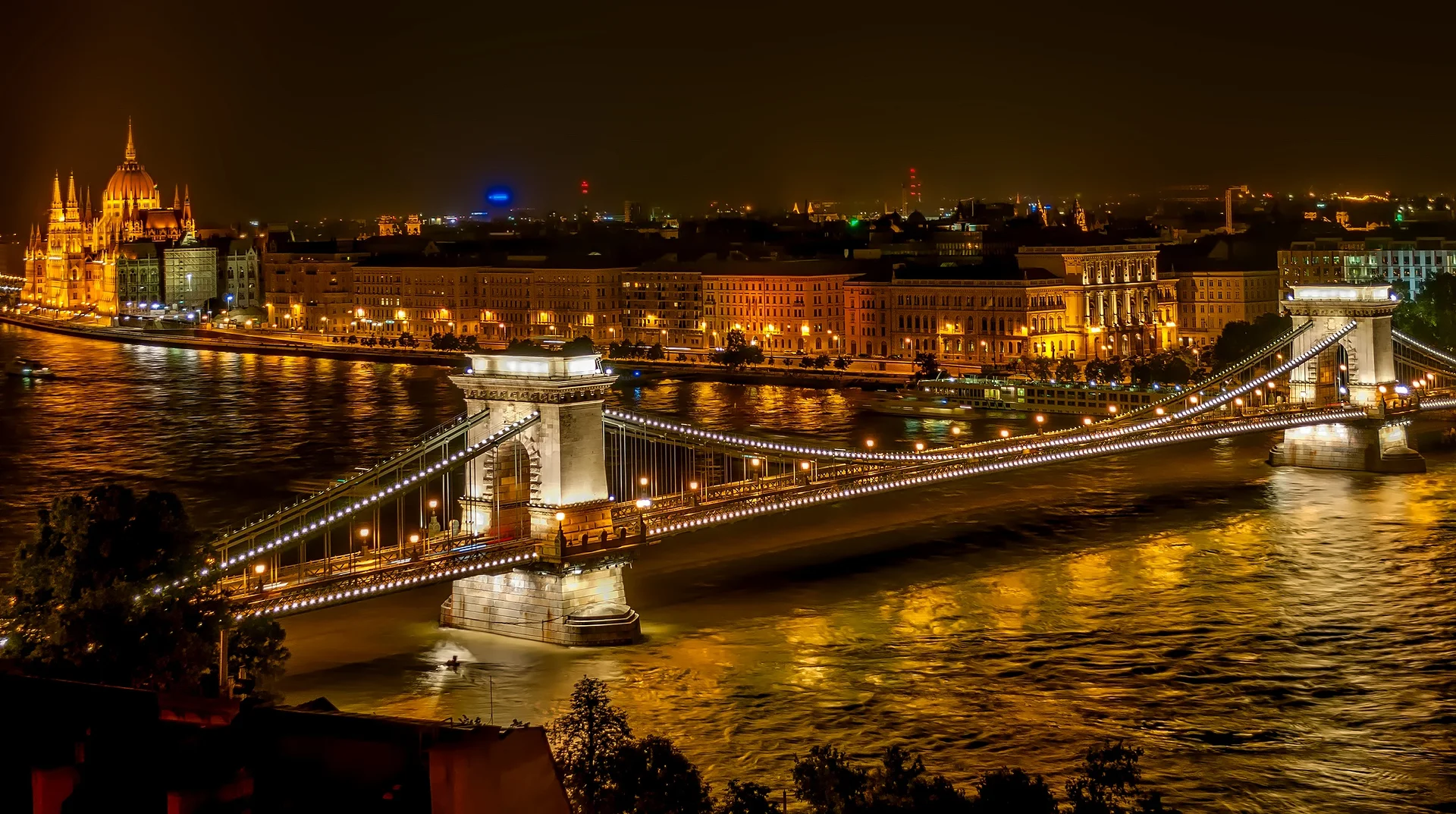
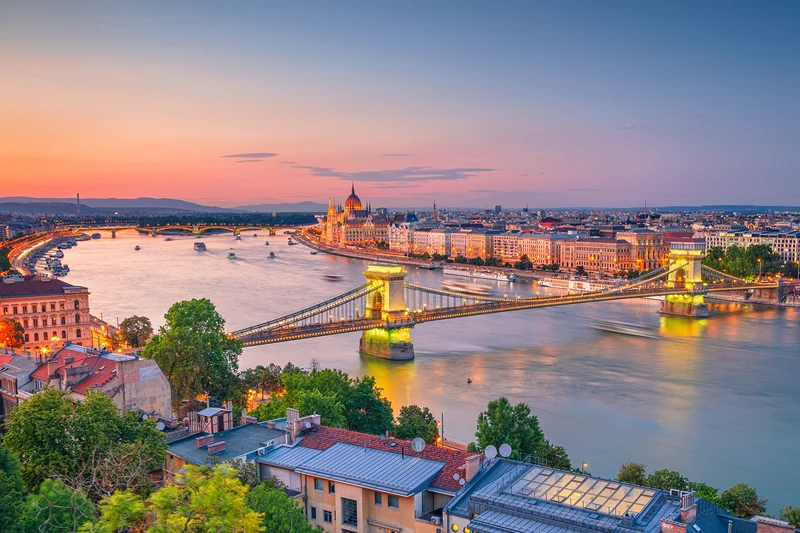
Le pont à chaînes Széchenyi est assurément le plus célèbre de tout le Danube. Situé à Budapest, en Hongrie, il représente un symbole de la ville et même du pays tout entier. Ce pont a été construit de 1839 à 1849 par l’Écossais Adam Clark, d'après les plans de l'Anglais William Tierney Clark. À l’époque, il s’agissait d’une vraie prouesse architecturale, destinée à faciliter les déplacements entre les deux rives de la ville, Buda… et Pest ! Aujourd’hui, le pont à chaînes Széchenyi est un incontournable des photographes et des touristes. Majestueux et richement ornementé, il veille sur Budapest grâce à ses deux statues de lions.

Voir le guide View offers
Matthias Church

#7 Matthias Church +17 5

L’église Mathias, perchée sur la colline de Buda, est l’un des lieux les plus emblématiques de Budapest. Son histoire marquée par les invasions et ses restaurations successives se lit dans ses pierres et ses vitraux. Avec son architecture néogothique, son toit coloré et son cadre panoramique, elle séduit les visiteurs amateurs d’histoire et d’art sacré. À l’intérieur, concerts et expositions prolongent la visite au-delà du simple patrimoine religieux.

Voir le guide View offers
St. Stephen's Basilica

#8 St. Stephen's Basilica +9 5

La Basilique Saint-Étienne, située au cœur de Budapest, est célèbre pour son architecture néo-renaissance impressionnante et sa coupole offrant une vue panoramique sur la ville. Elle abrite la relique sacrée de la main droite momifiée du roi Étienne Ier. Lieu culturel important, la basilique accueille également des concerts réguliers grâce à son acoustique remarquable. Sa place animée est idéale pour flâner dans les cafés et boutiques environnants.

Voir le guide View offers
Liberty Bridge

#9 Liberty Bridge +8 4.5

Reconnaissable à sa couleur verte distinctive et à son architecture Art nouveau, le Pont de la Liberté (Szabadság híd) est l'un des ponts les plus charmants de Budapest. Surplombé de statues du Turul, l'oiseau mythique hongrois, il relie le Grand Marché Central à la colline Gellért. Plus qu'un simple passage, il devient un lieu de vie animé, notamment en été lorsque les habitants s'y installent pour admirer le coucher du soleil sur le Danube.

Great Market Hall

#10 Great Market Hall +7 3.8

Le Grand Marché Central de Budapest, inauguré en 1897, est un lieu emblématique apprécié pour sa gastronomie et son architecture néogothique remarquable. Sous sa halle lumineuse, visiteurs et locaux se mêlent pour découvrir charcuteries, fromages, paprika et pâtisseries traditionnelles. Véritable symbole culturel de la ville, le marché constitue une étape incontournable pour une expérience culinaire authentique en Hongrie.

Voir le guide View offers

Map of must-see attractions in Budapest

Budapest, the capital where you can soak in the heat mid-winter

It is 8:00 AM, the air is a biting 23°F (-5°C), and yet a dozen locals are playing chess, shoulders submerged in a steaming open-air pool. Pale yellow neo-baroque columns rise above, the scent of sulfur swirling into the vapor. This is the Hungarian capital: a place of extreme contrasts, balancing imperial grandeur with a laid-back pace, and majestic facades with graffiti-lined interior courtyards.

Is this for you?

If you like mixing cultural sightseeing in the morning with afternoon relaxation in thermal waters and lively evenings in offbeat, tucked-away bars, this city is for you. Three days are enough to cover the essentials, while five days allow you to really settle into the rhythm of the place.

Best for:

  • Architecture and history buffs, ranging from Art Nouveau to Neo-Gothic styles
  • Thermal bath and wellness enthusiasts, with over 120 natural springs to choose from
  • Night owls and fans of creative, unconventional nightlife
  • Travelers on a moderate budget looking for a major European capital that remains accessible

Not for:

  • Travelers who dislike crowds, as the baths and the city center get very busy, especially in summer
  • Fans of beach vacations or deep wilderness, as this is firmly an urban destination

A soft budget for a European capital

The local currency is the Hungarian forint. Credit cards are accepted almost everywhere, but always choose to pay in forint rather than euros to avoid poor exchange rates. Avoid Euronet ATMs, which are notorious for high fees.

Daily budget estimates per person in Budapest
Expense Estimated Range
Hostel bed 4,000 to 8,000 HUF (about $10-20)
3-star hotel, central 23,500 to 43,000 HUF (about $60-110)
Quick bite 1,200 to 2,350 HUF (about $3-6)
Restaurant meal 3,900 to 7,800 HUF (about $10-20)
Transport + one activity 3,900 to 9,750 HUF (about $10-25)
Daily budget for backpackers 11,700 to 19,500 HUF (about $30-50)
Daily budget for comfort 31,000 to 50,500 HUF (about $80-130)

Practical tips and what to expect

The public transportation is excellent, featuring four metro lines, 40 tram lines, and over 200 bus routes. The Pest side is very walkable. The city is safe, provided you follow the standard precautions you would use in any major European capital. Just watch out for classic bar scams where locals invite men inside, only to present a grossly inflated bill afterwards.

Hungarian is a complex language with no relation to its neighbors, but English is widely spoken in tourist areas and by younger generations.

Buda, the royal bank and its views

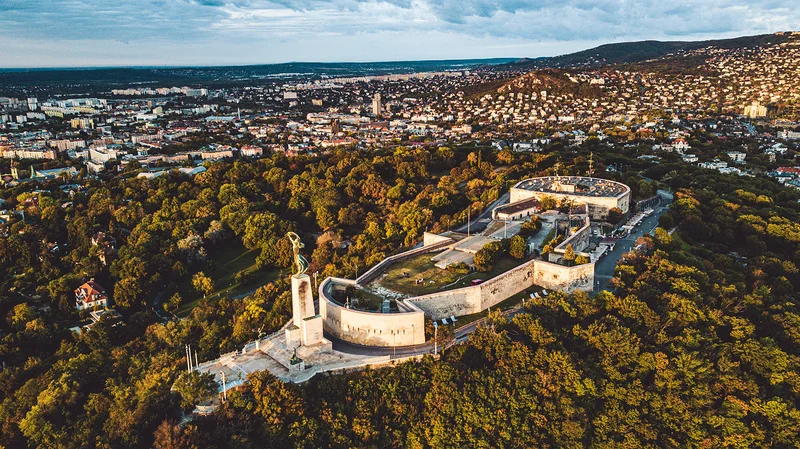
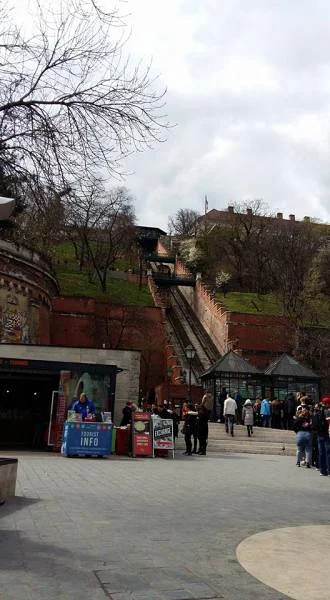
On the west bank, the castle district holds the city's imperial heritage. The funicular climbs to Várhegy, where cobblestone alleys lead to the royal palace and the Matthias Church, instantly recognizable by its colorful glazed tile roof. Right next door, the Fisherman's Bastion offers the most photographed panorama in the city.

Local tip: arrive before 8:00 AM to enjoy the Bastion almost entirely to yourself. By 9:30 AM, the tour groups arrive in full force.

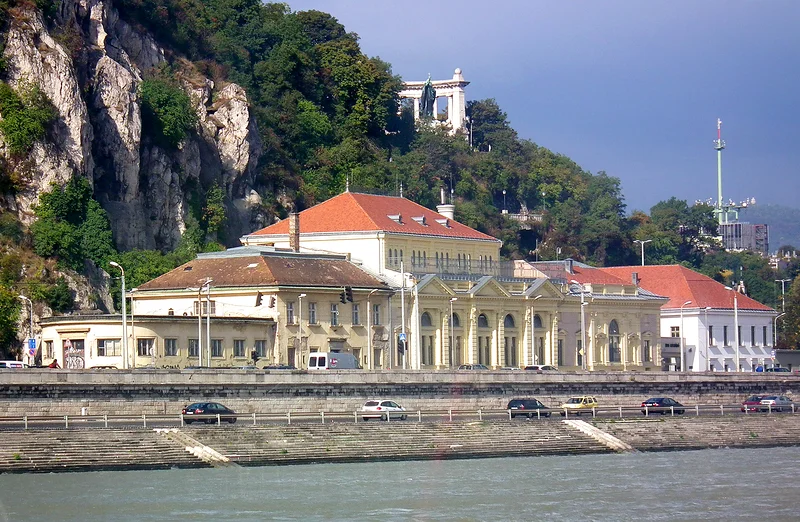
Further south, Gellért Hill looms over the river. At its base, the Gellért Baths are an Art Nouveau masterpiece filled with mosaics and stained glass. For a more intimate experience, the Rudas Turkish baths and their 16th-century Ottoman dome offer late-night sessions with views of the Danube.

Pest, from grand boulevards to ruin bars

The Number 2 tram line, which runs along the river, offers one of the most spectacular urban transit routes in Europe for the price of a standard ticket. The St. Stephen's Basilica impresses with a 360-degree view from its dome. The Parliament, with its soaring Neo-Gothic spires, embodies the sheer scale of the former Austro-Hungarian Empire.

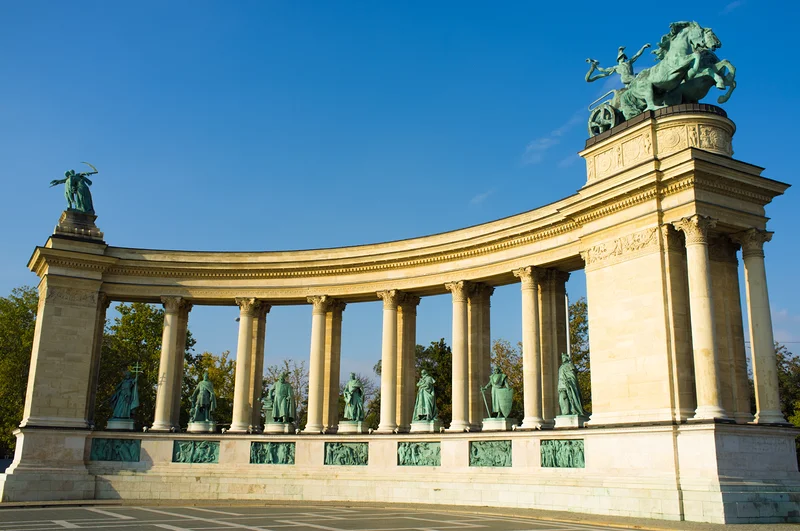
Andrássy út, a World Heritage site, leads to Heroes' Square and then to Városliget park, where the Széchenyi Baths, Europe's largest thermal complex, wait for you in a lemon-yellow palace setting.

Local tip: book your skip-the-line tickets for Széchenyi online, especially between May and September. Without a reservation, you can easily expect an hour wait.

Erzsébetváros, memory and energy

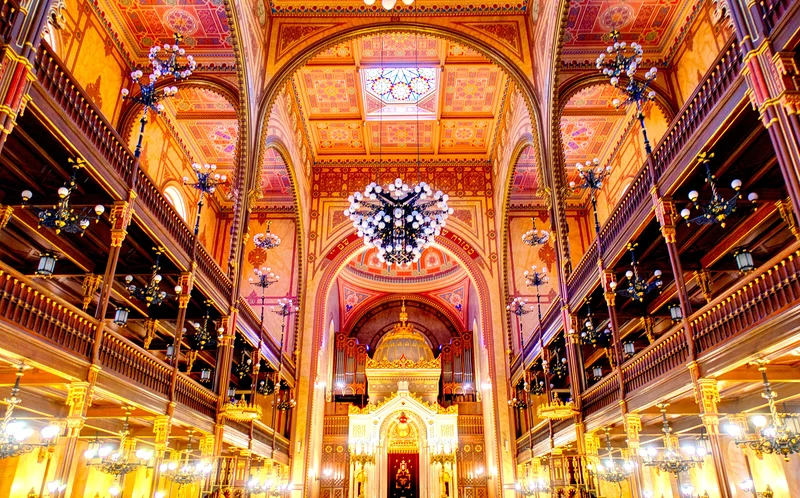
The 7th district is home to the Dohány Street Great Synagogue, one of the largest in the world. All around it, the interior courtyards of dilapidated buildings have been transformed into bars and galleries known as ruin pubs. The most famous, Szimpla Kert, draws massive crowds every night, but the adjacent side streets hide much quieter spots.

Local tip: stop by Szimpla Kert on a Sunday morning instead of at night. The space hosts a local farmers' market with honey, jams, and artisanal cheeses. The vibe is entirely different.

Where to eat and drink in Budapest?

Hungarian cuisine is hearty and aromatic. Gulyás, a thick beef and paprika soup, is the national dish. Also try pörkölt (stew) and lángos, a deep-fried flatbread topped with garlic cream and cheese that is a market staple. Kürtőskalács, cinnamon-dusted chimney cakes cooked on a spit, scent the streets as soon as autumn arrives.

As for drinks, the whites from Tokaj and the reds from Eger are worth seeking out. The cafe scene balances between historic literary cafes and third-wave independent roasters.

Where to sleep in Budapest and the surrounding area?

Belváros is the most central choice. Erzsébetváros is better suited for nightlife lovers. On the Buda side, the atmosphere is residential and quiet, which is ideal for families. Rental apartments remain a great value for stays longer than three nights.

How to get to Budapest?

From Paris, the direct flight takes about 2 hours and 15 minutes. Air France, Wizz Air, Ryanair, and easyJet operate the route, with round trips starting as low as 15,500 HUF (about $40) when booked early. From Vienna or Bratislava, the FlixBus or the RegioJet train take between 2.5 and 3 hours.

From Ferenc Liszt Airport, the 100E express bus reaches the center in 35 minutes for about 2,200 HUF (about $6). This bus is not included in standard transport passes. Uber and Bolt are also available.

How to get around Budapest?

Pest is very pleasant to explore on foot. For longer distances, the network of metro, trams, and buses is dense and reliable. A single ticket costs about 450 HUF (about $1.20), while a daily pass is 2,500 HUF (about $6.50). The Budapest GO app allows you to buy tickets, sometimes at a reduced rate.

Uber and Bolt work well and remain inexpensive. Avoid hailing a taxi on the street; always prefer ordering through an app. A car is completely unnecessary in the city.

When to go?

Spring and autumn are the best times to visit, offering mild weather, beautiful colors, and manageable crowds. Winter provides a unique atmosphere with Christmas markets and steaming baths under the snow. The heatwaves of July and August, which often push temperatures over 95°F (35°C), are best avoided if possible.

Find the best deals to travel to Budapest

Activities and guided tours Hotels and stays Flights Custom trips

When to visit Budapest?

The most favorable period to discover Budapest covers:

March April May June July August November

Favorable months also include:

February September

Check the details below to fine-tune your choice based on your preferences!

Climate and atmosphere in Budapest month by month

January Less Favorable

Temperatures
-3°C to 2°C
Sunshine
2h / day
Rainy days
6 days
Rainfall
35 mm

Winter chill makes the outdoor thermal baths, like Széchenyi, an essential experience. The city is quiet, and you can take advantage of the ice rink in the City Park. It is the perfect time to warm up in a historic café with a traditional Hungarian pastry.

February Less Favorable

Temperatures
-2°C to 5°C
Sunshine
3h / day
Rainy days
6 days
Rainfall
30 mm

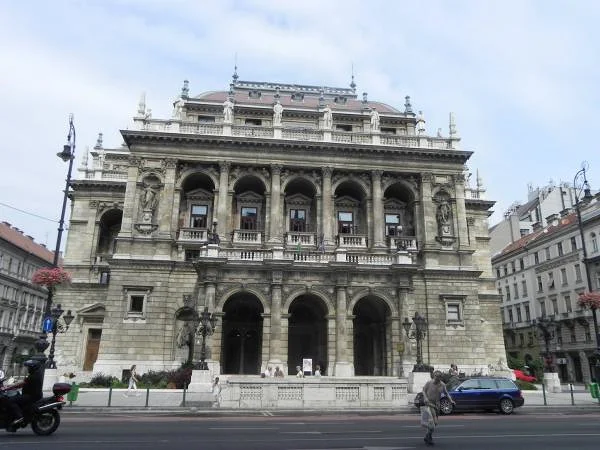
Catch the energy of Farsang, the Hungarian carnival season that brings the city to life. It is an ideal time to explore museums without the summer crowds. In the evenings, the <strong>Hungarian State Opera</strong> offers a full schedule of performances in a grand setting with a refined, intimate atmosphere.

March Favorable

Temperatures
1°C to 11°C
Sunshine
4.5h / day
Rainy days
6 days
Rainfall
30 mm

The first signs of spring emerge as the city celebrates its National Day on the 15th with fervor. The prestigious <strong>Budapest Spring Festival</strong> often kicks off at the end of the month, offering a wide array of concerts and exhibitions. The city is culturally waking up.

April Very Favorable

Temperatures
6°C to 17°C
Sunshine
6.1h / day
Rainy days
6 days
Rainfall
40 mm

April is the perfect time to walk the city and catch the many events of the Spring Festival. The terraces of the <strong>kert</strong> (garden bars) are starting to come alive. It is an ideal time for a cruise on the <strong>Danube</strong> to admire the monuments under mild skies.

May Very Favorable

Temperatures
11°C to 22°C
Sunshine
7.8h / day
Rainy days
8 days
Rainfall
60 mm

The Gourmet Festival showcases the best of Hungarian cuisine at Millenáris Park. The weather is perfect for cycling around Margaret Island, the city's green lung. The atmosphere is energetic, and the days are long and sunny.

June Very Favorable

Temperatures
14°C to 25°C
Sunshine
8.7h / day
Rainy days
8 days
Rainfall
65 mm

Summer settles in with a laid-back vibe, and the ruin bars in the Jewish Quarter are in full swing. Don't miss the Night of Museums, when cultural institutions stay open until the early hours. It is the start of the outdoor festival season.

July Very Favorable

Temperatures
16°C to 28°C
Sunshine
9.3h / day
Rainy days
7 days
Rainfall
50 mm

Expect hot, summer weather that makes outdoor pools like Palatinus on <strong>Margaret Island</strong> the place to be. The city parks come alive with a full schedule of concerts and festivals. Take advantage of the long, warm evenings by grabbing a drink at a rooftop bar for a view of the skyline.

August Very Favorable

Temperatures
15°C to 27°C
Sunshine
8.8h / day
Rainy days
6 days
Rainfall
45 mm

The city hits peak energy in August thanks to the Sziget Festival, one of the largest music events in Europe. On the 20th, make sure to catch the Saint Stephen's Day celebrations, which culminate in a massive fireworks display over the Danube. The atmosphere is intense and high-energy, drawing crowds from across the globe.

September Very Favorable

Temperatures
11°C to 22°C
Sunshine
7h / day
Rainy days
5 days
Rainfall
35 mm

The summer heat fades, making it the perfect time to explore Buda Castle and its wine festival. This is also the season for the Jewish Cultural Festival. The light is exceptional, ideal for photography and long walks around the city.

October Favorable

Temperatures
6°C to 16°C
Sunshine
5h / day
Rainy days
6 days
Rainfall
40 mm

Fall colors transform the Buda hills, providing excellent views from Gellért Hill. The Pálinka and Sausage Festival is a highlight for food lovers. Expect crisp air, which makes for perfect walking weather while exploring the city's grand avenues and architectural landmarks.

November Less Favorable

Temperatures
2°C to 8°C
Sunshine
2.5h / day
Rainy days
8 days
Rainfall
55 mm

The city slows down, and the first Christmas markets open toward the end of the month, adding a bit of sparkle to the streets. It is the perfect time to duck into historic thermal baths like <strong>Gellért</strong>. The weather is well-suited for checking out museums and catching a concert.

December Very Favorable

Temperatures
-1°C to 4°C
Sunshine
2h / day
Rainy days
7 days
Rainfall
40 mm

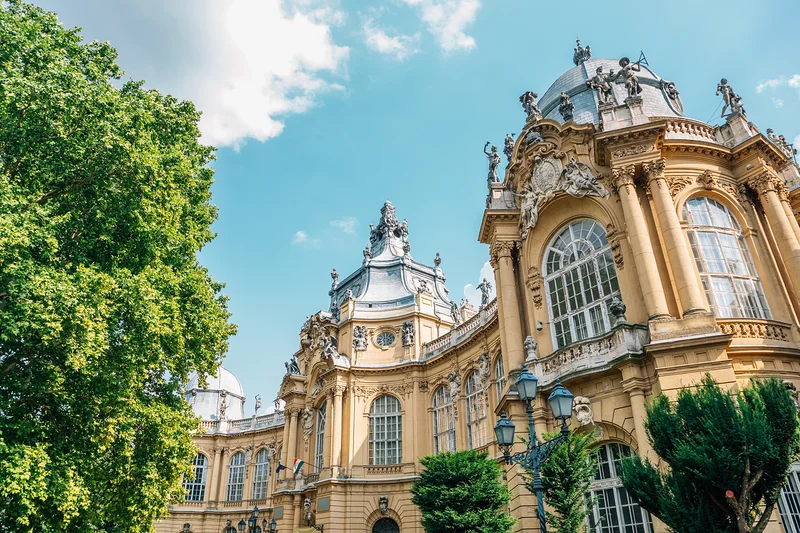
The city turns into a holiday scene with its Christmas markets, especially the one at Vörösmarty tér. Grab a <strong>kürtőskalács</strong> (chimney cake) and some mulled wine to stay warm. Ice skating in front of <strong>Vajdahunyad Castle</strong> is a highlight of the trip.

Weather charts for Budapest

Flight prices to Budapest, month by month

Tip: click the filter icon below to choose your departure city and trip duration.

Top photos posted by members

Budapest et le Parlement
Pont de chaînes de Budapest
Bains Gellert de Budapest

Traveler reviews on Budapest

Write a review

Reviews summary

On the city

8 reviews
+30
recos
  • Overall 4.6/5
  • Family 3.9/5
  • Couple 5/5
  • Friends 4.8/5

On the attractions

92 reviews
+203
recos
  • Castles and palaces +52
  • Spa towns +51
  • Monuments +39
  • Bridges +28

Well, that's not bad

Since I had been hearing so many good things about this city for a while, I wanted to see it for myself.

It is not bad, and it is a really interesting city. I will not comment on the current political direction of the country (it is not really my side, there, I said it!), but the country's history is really interesting. By the way, Mate, a local guide who organizes free walking tours (you pay by tip) via Civitatis, summed things up well for us: a fairly tragic succession of invaders, chased out by other "liberators/invaders" who raze the city every time to take possession of the place. I found that fascinating, and it explains why the oldest buildings only date back to the 19th century. For example, the old Habsburg Palace is a reconstruction, and not quite finished either.

So:
- A city whose architecture will surprise you with sumptuous Art Nouveau and Art Deco buildings sitting right next to Soviet-era eyesores.
- Nice thermal baths to relax in, even outdoors in April because the pools are heated (heads up, the large outdoor pool at Széchenyi is under renovation until June).
- Food that is not very varied, but it fills you up (I am thinking in particular of goulash and langos).
- The concept of ruin bars, which have popped up elsewhere in Europe, but are truly surprising: a mix of beer garden, nightclub, and artist loft.

23
Recommends :
Overall rating :
With family :
As a couple :
With friends :

Pleasant and accessible city

I really loved my stay in the city of Budapest. The center is very easy to explore on foot. The city is clean and you feel safe there. Definitely don't miss the various thermal baths for a relaxing break. In terms of prices, Budapest is very affordable, especially regarding food and restaurants.

22
Recommends :
Overall rating :
With family :
As a couple :
With friends :

An ideal capital for a trip with friends

Having been there recently with friends, I highly recommend it! There is so much to see during the day before you head out to party at night (I recommend checking out the Ruin Bars, you are guaranteed a surprise). Make sure to stop by Fisherman's Bastion, check out the Parliament (heads up, booking in advance is mandatory to be sure you get in), take a tour of the various churches, and visit the magnificent St. Stephen's Basilica in Pest. Finally, don't forget to stop by the thermal baths and the Ferencvaros stadium.

22
Recommends :
Overall rating :
With family :
As a couple :
With friends :

A fun and festive city

Budapest is an ideal city for a romantic getaway or a trip with friends. As a couple, you can enjoy the thermal baths, the Christmas markets in winter, and a bucolic cruise along the Danube.
With friends, we partied in the ruin bars, those alternative pubs set up in abandoned buildings. For New Year's Eve in particular, Budapest is famous for its fireworks throughout the city. But watch out, it gets really cold though.

24
Recommends :
Overall rating :
With family :
As a couple :
With friends :

Good for a few days

I wouldn't necessarily stay for a whole week in this capital, but visiting for a few days is definitely worth it!

19
Recommends :
Overall rating :
With family :
As a couple :
With friends :

Underrated romantic city

I do not know why Budapest is not cited more often as a tourist destination. I can guarantee that you will love going there as a couple, or even with friends for that matter.
The Castle Hill is splendid, with its narrow streets and medieval houses. A walk along the banks of the Danube, crossed by lovely bridges, is magical.
The food is pretty good for reasonable prices, and there are some interesting museums. In short, a very pleasant weekend.

19
Recommends :
Overall rating :
With family :
As a couple :
With friends :

Really nice city

A city with a really warm and lively vibe. There is a lot to see, but it is mostly a place to explore from the outside, so you do not necessarily need to go inside every building. During the winter, the atmosphere is even nicer with markets offering Hungarian food (if you like potatoes and cabbage, you are going to love it). A must-do: the thermal baths, which are a really nice place to relax after a day of sightseeing, before heading to a bar or a restaurant with a local vibe, which you can find just about everywhere.

21
Recommends :
Overall rating :
With family : N/A
As a couple :
With friends :

Incredible!!

Budapest is one of my favorite cities in Europe! A ton of things to do and see: try the thermal baths, climb the hill on the Pest side of the river and go see the view from the Statue of Liberty, and the castle with Matthias Church. On the Buda side, the Jewish Quarter near the synagogue is the place for nightlife: full of ruin bars and cool spots to grab a bite. St. Stephen's Basilica is very pretty and offers a nice view of the city. The quays are a must, from the Chain Bridge all the way to the Parliament! Finally, Elizabeth Square is the central hub with a pool and tons of bars and cafes!

20
Recommends :
Overall rating :
With family :
As a couple :
With friends :

You've seen every review.