Pont de chaînes de Budapest

Things to do in Hungary: 11 must-see attractions

Discover our members' favorite destinations in Hungary, plus reviews, practical info, and traveler photos...

The most beautiful city to visit in Hungary

Budapest

#1 Budapest +233

Split by the Danube, Budapest pairs imperial architecture with gritty ruin bars tucked into abandoned buildings and thermal baths where locals play chess in the dead of winter. The city delivers a revitalized food scene at prices that remain far more accessible than those in Western European capitals, with a casual evening out costing around 8,000, 12,000 HUF (about $22, $33).

Ranking of the 10 activities selected by our editors in Hungary

#1 Fisherman's Bastion (Budapest) +26 4.8

On the Buda hill, seven white stone conical towers have overlooked the Danube since 1902. This neo-Romanesque lookout, designed by Frigyes Schulek for the Hungarian millennium, provides the most famous view in Budapest of the Parliament and the river. A UNESCO site with partial free access, it is a essential stop on your Budapest itinerary.

See the guide See deals

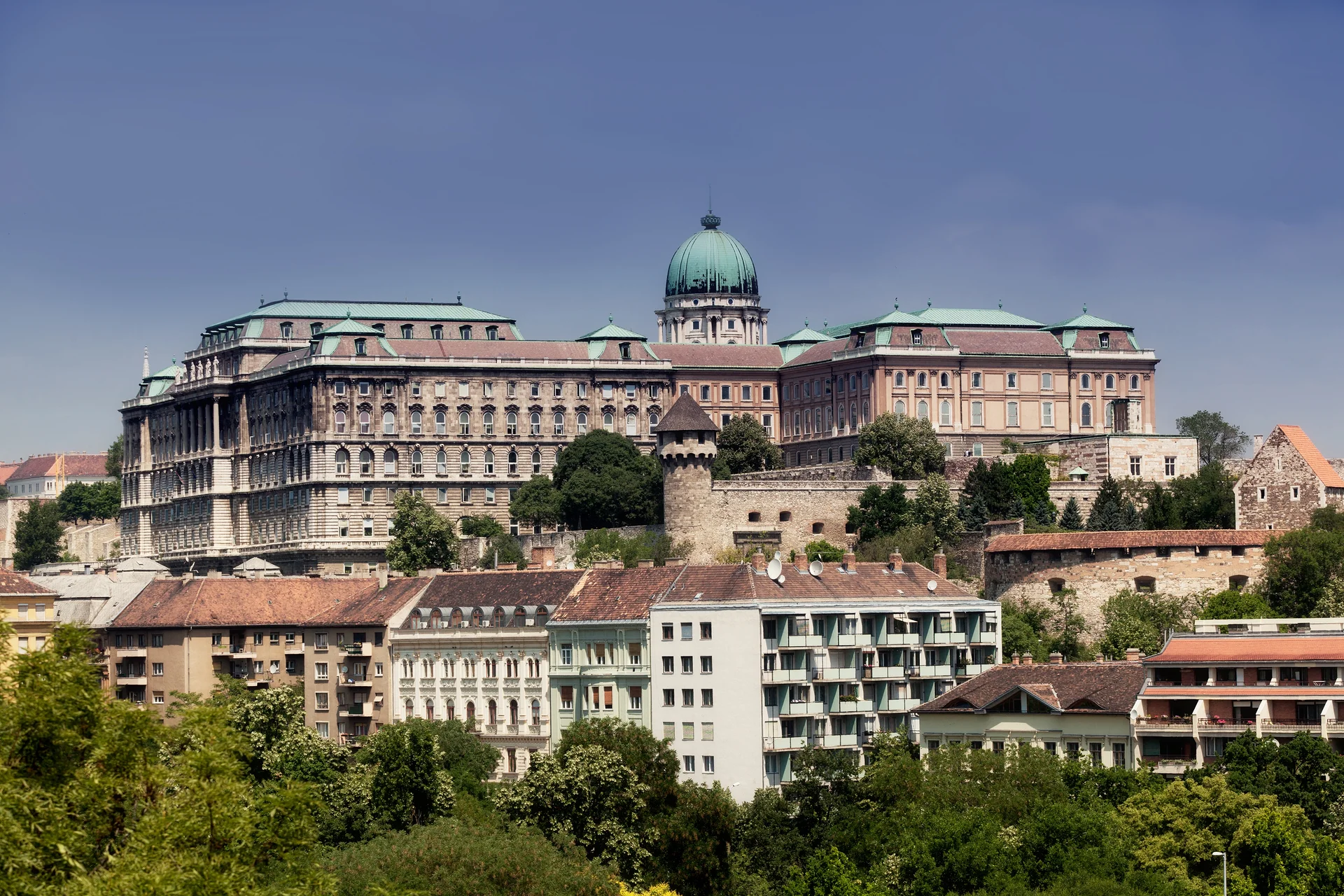
#2 Buda Castle (Budapest) +24 4.2

Perched on its hill, Buda Castle looms over the Danube and has watched over Budapest since the 13th century. Once a Gothic seat for Anjou monarchs, its history is a cycle of destruction and rebirth. Through Ottoman conquests and WWII bombings, this palace survived it all. Today, its halls house the Magyar Nemzeti Galéria (Hungarian National Gallery), the Budapest History Museum, and the Országos Széchényi Könyvtár (National Széchényi Library). It remains a UNESCO World Heritage site.

See the guide See deals

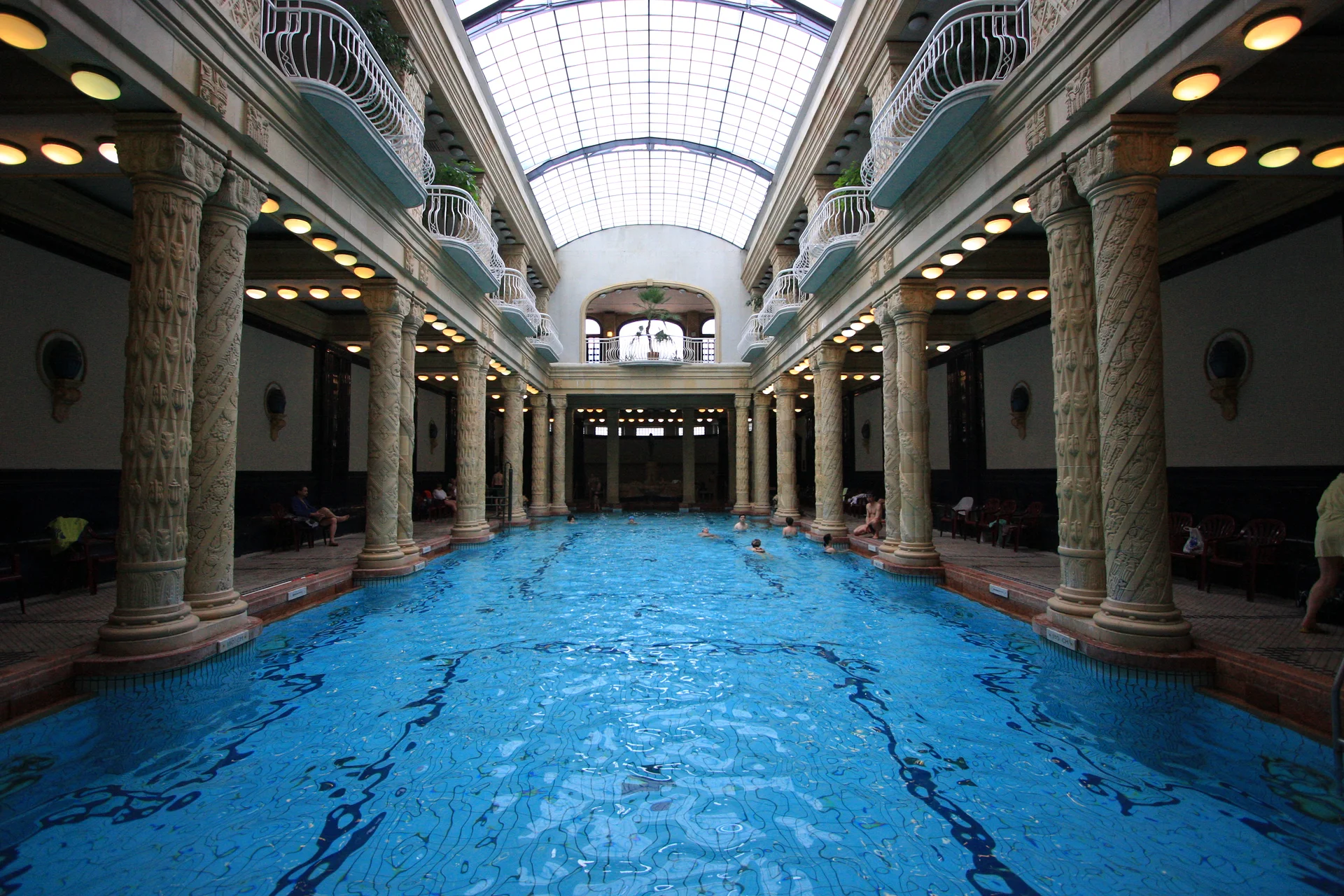
#3 Gellért Baths (Budapest) +23 4.5

Gellért Baths in Budapest offer a thermal experience inside a striking Art Nouveau setting. Fed by mineral-rich springs from Gellért Hill, the site features multiple pools, saunas, and treatments. The indoor pool, framed by columns and mosaics, showcases Hungarian architectural elegance. With entry fees of 9,400-10,900 HUF (about $25-30), this blend of wellness and culture is worth the cost.

See the guide See deals

#4 Széchenyi Thermal Bath (Budapest) +22 4.8

With 120 thermal springs, Budapest treats mineral water as a way of life. Opened in 1913, the Széchenyi Thermal Bath remains the city most grand. Located in the Városliget (City Park), this neo-Renaissance complex features 21 pools. Soak in water between 28 and 38 degrees Celsius, surrounded by ornate sculptures and domes.

See the guide See deals

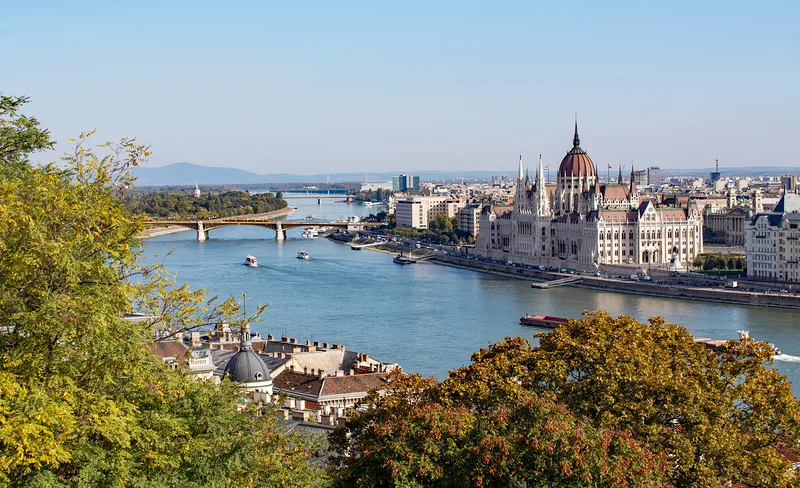
#5 Hungarian Parliament Building (Budapest) +21 4.5

In the heart of Budapest, the Hungarian Parliament Building is a neo-Gothic masterpiece along the Danube. Its design, inspired by the Palace of Westminster, draws massive crowds. Inside, explore the National Assembly hall, the Crown of Saint Stephen, and ornate frescoes. At night, the illuminated facade glows. The esplanade offers panoramic views over Buda.

See the guide See deals

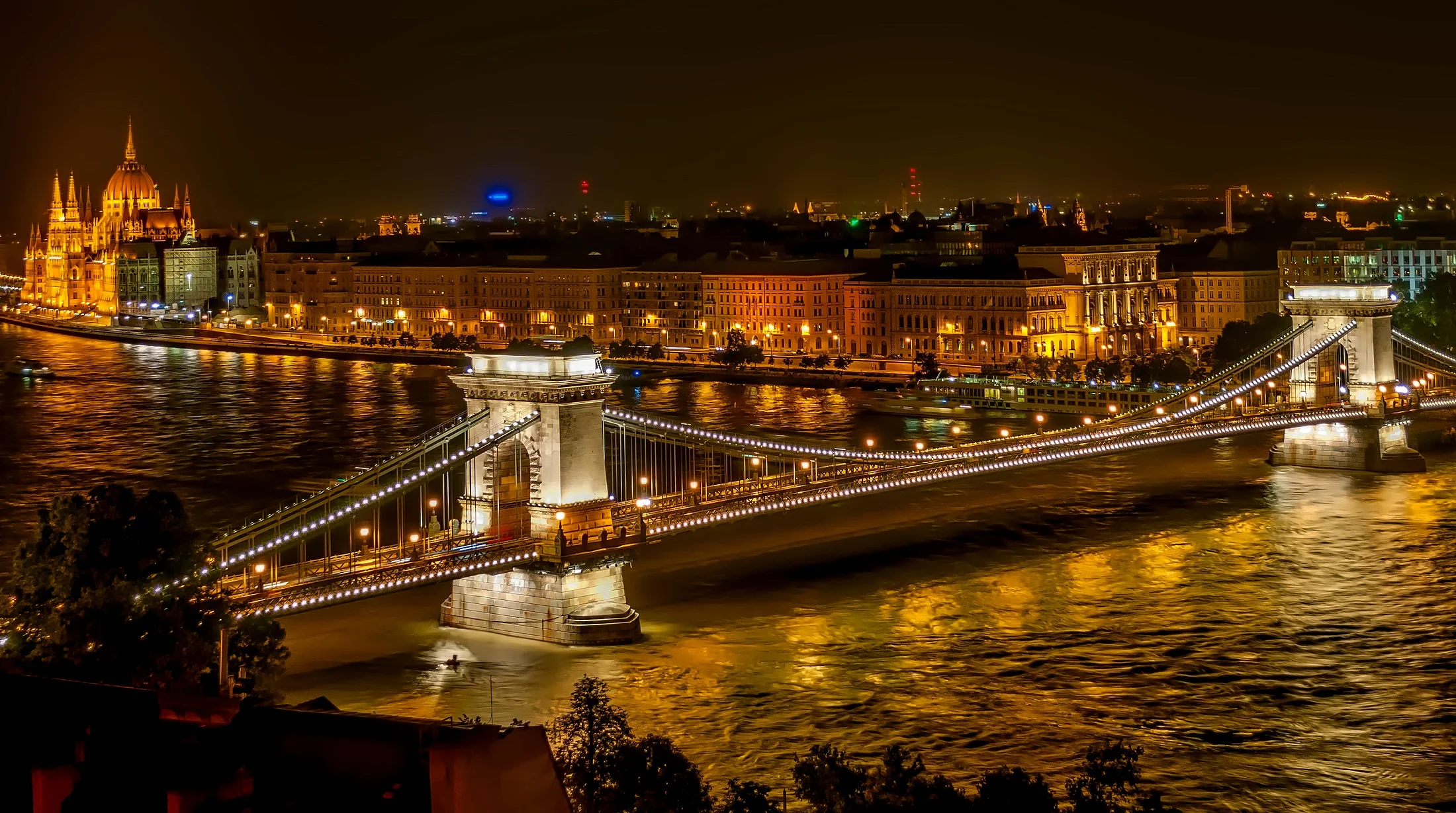
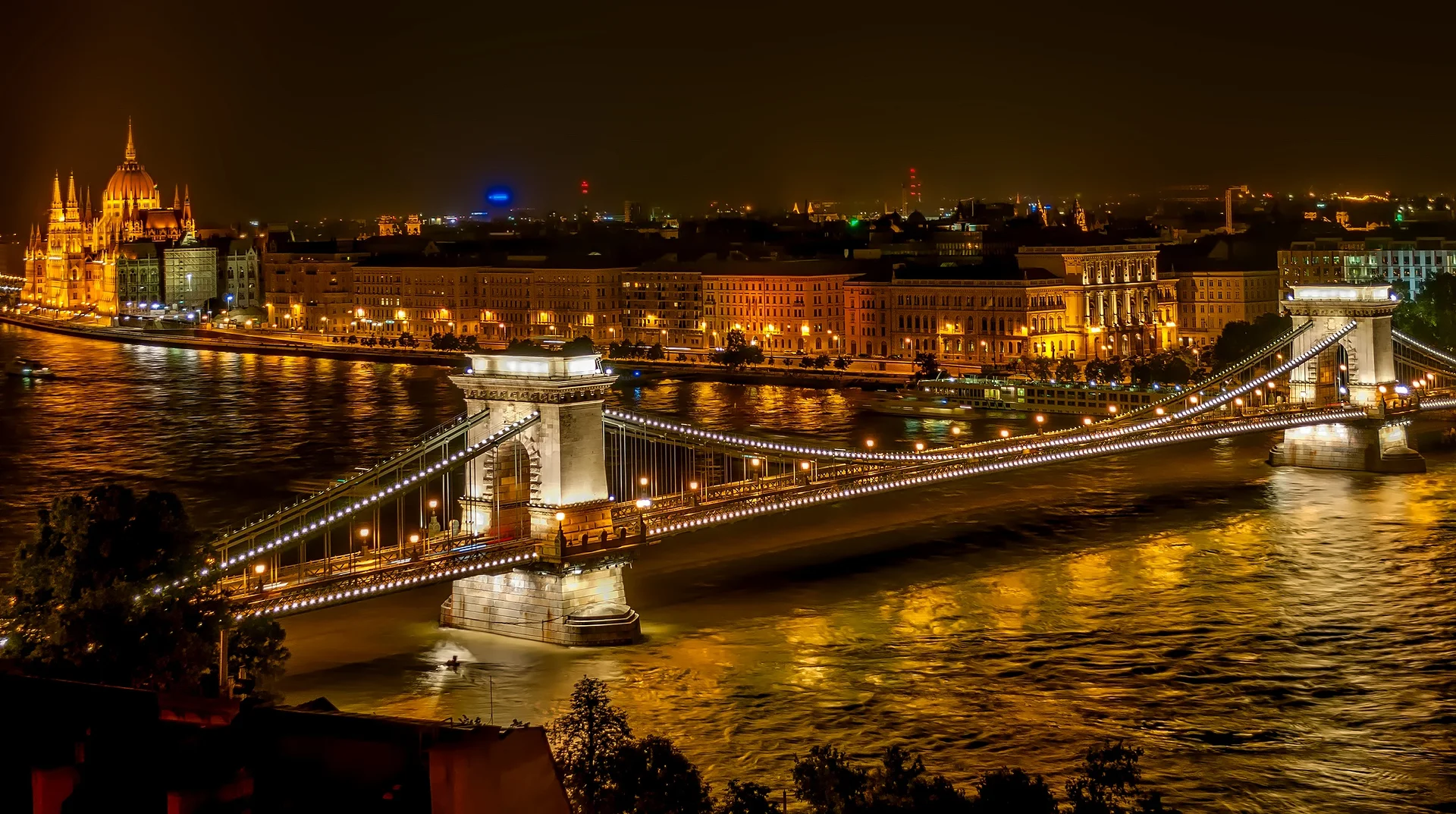
#6 Széchenyi Chain Bridge (Budapest) +20 4

The Széchenyi Chain Bridge is the most iconic span across the Danube. Located in Budapest, Hungary, it stands as a national symbol. Built between 1839 and 1849, this engineering marvel connected the city banks of Buda and Pest. Today, its ornate design and stone lions make it a prime spot for photos.

See the guide See deals

#7 Matthias Church (Budapest) +17 5

Matthias Church, perched on Buda Hill, stands as a primary landmark in Budapest. Its history of invasions and restorations reveals itself through intricate stonework and stained glass. With its neo-Gothic architecture, colorful roof, and panoramic views, it attracts history and religious art enthusiasts. Inside, concerts and exhibits offer a deep cultural experience.

See the guide See deals

#8 St. Stephen's Basilica (Budapest) +9 5

St. Stephen's Basilica sits in the heart of Budapest, drawing visitors with its neo-Renaissance architecture and a dome providing panoramic city views. Inside, you will find the mummified right hand of King Stephen I. The basilica also hosts regular concerts, utilizing its exceptional acoustics. The surrounding square is perfect for visiting local cafes and shops.

See the guide See deals

#9 Liberty Bridge (Budapest) +8 4.5

Recognizable by its distinct green hue and Art Nouveau design, the Liberty Bridge is among the most charming crossings in Budapest. Topped with statues of the Turul, a mythical Hungarian bird, it links the Great Market Hall to Gellért Hill. It is a local hangout, especially in summer when residents gather here to watch the sunset over the Danube.

#10 Great Market Hall (Budapest) +7 3.8

The Great Market Hall in Budapest, opened in 1897, is a landmark celebrated for its neo-Gothic architecture. Under its bright roof, locals and travelers browse for cured meats, cheeses, paprika, and traditional pastries. As a cultural fixture of the city, this market is essential for an authentic culinary experience in Hungary.

See the guide See deals

Hungary: Imperial Grandeur and Thermal Baths

Budapest alone is worth the flight, but Hungary has a lot more going on than its capital. The country packs in thermal spa culture, medieval villages, a massive inland lake, and some of the best paprika-driven cooking in Europe, all at prices that feel like a deal compared to Western Europe. History buffs, food lovers, and anyone who just wants to soak in a 100-year-old bathhouse will find plenty to work with here.

Budapest: Split by the Danube

No trip to Hungary skips Budapest. The Danube cuts the city in two: Buda on the west side, with cobblestone streets and hilltop views, and Pest on the east, where most of the nightlife, cafes, and commercial energy lives. The big landmarks are the Hungarian Parliament (one of the largest parliament buildings in the world), the Fisherman's Bastion with its panoramic views over the river, and the Széchenyi Thermal Baths, a grand 1913 complex where you can soak in naturally heated pools for around 7,000, 8,500 HUF (about $19, 23). The city also has a serious café culture and a nightlife scene that draws a younger European crowd, especially to its famous ruin bars.

Lake Balaton

Head west from Budapest and you hit Lake Balaton, one of the largest lakes in Central Europe and the go-to summer spot for Hungarians. Think swimming, sailing, and cycling along the shore. Two towns worth stopping in: Tihany, a peninsula village with an 11th-century abbey perched above the water, and Keszthely, home to a well-preserved Baroque palace. The surrounding hills also produce some well-regarded local wines, so plan to linger over a glass or two.

Villages and the Great Plain

Hungary beyond the cities is genuinely worth exploring. Hollókő, a UNESCO World Heritage village, looks almost unchanged from centuries ago, with traditional whitewashed architecture and folk customs that are still actively practiced. Further south, the Puszta (Hungary's Great Plain) is flat, open grassland where shepherds and horsemen have worked the land for generations. Equestrian shows are regularly staged here, giving you a real look at Hungarian horsemanship traditions.

Museums and Festivals

Budapest's cultural calendar is solid. The Museum of Fine Arts and the Hungarian National Gallery are both worth a few hours. On the festival side, the Sziget Festival, held each August on an island in the Danube, is one of Europe's biggest music events and draws huge international headliners. Outside the capital, the Miskolc Opera Festival and the folk events in Kecskemét round out a genuinely varied arts scene.

The Food: Hearty, Paprika-Forward, and Worth the Calories

Hungarian cooking leans heavily on paprika, and it works. The dish most Americans already know is goulash, a slow-simmered beef stew with vegetables and spices that tastes nothing like the canned version back home. Pörkölt is a thicker, richer close cousin. For dessert, order rétes, the Hungarian take on strudel, filled with apple, cherry, or poppy seed. To drink: tokaji, a sweet dessert wine that's been famous across Europe for centuries, or pálinka, a strong fruit brandy that locals treat as both a welcome drink and a digestif.

When to Go

Spring (April to May) and fall (September to October) are the sweet spots. Temperatures are comfortable, crowds are manageable, and prices dip compared to peak summer. Summer is hot but ideal if you want Lake Balaton and outdoor festivals. Winter in Budapest has its own appeal: Christmas markets run through December, and soaking in an outdoor thermal bath while snow falls around you is a genuinely memorable experience.

Getting There

US travelers fly into Budapest Ferenc Liszt International Airport, typically with one connection through a major European hub (London, Amsterdam, Frankfurt, Vienna). No visa is required for US passport holders for stays under 90 days. Once in Europe, Budapest is well connected by train and bus from neighboring cities. Vienna is about 2.5 hours by train, and Bratislava is even closer at around an hour.

Getting Around

Budapest's public transit system (metro, tram, and bus) covers the city well and costs a fraction of what you'd pay in Western European capitals. A single metro ticket runs around 350 HUF (about $1). For getting around the rest of Hungary, trains connect most major cities affordably, and renting a car is the practical choice for exploring the countryside. In Budapest, use a ride-hailing app rather than hailing a cab off the street to avoid inflated fares.
Find the best deals to travel to Hungary

Hotels and stays Flights Car rentals Custom trips

Top photos posted by members

Pont de chaînes de Budapest
Bains Gellert de Budapest
Château de Budapest