Visiting Czechia
Czechia draws travelers in with dense architectural history and rolling countryside. Between the medieval alleys of Prague, the castles of Bohemia, and the mountains of Moravia, the country delivers a layered trip.
Prague: A Capital with Timeless Character
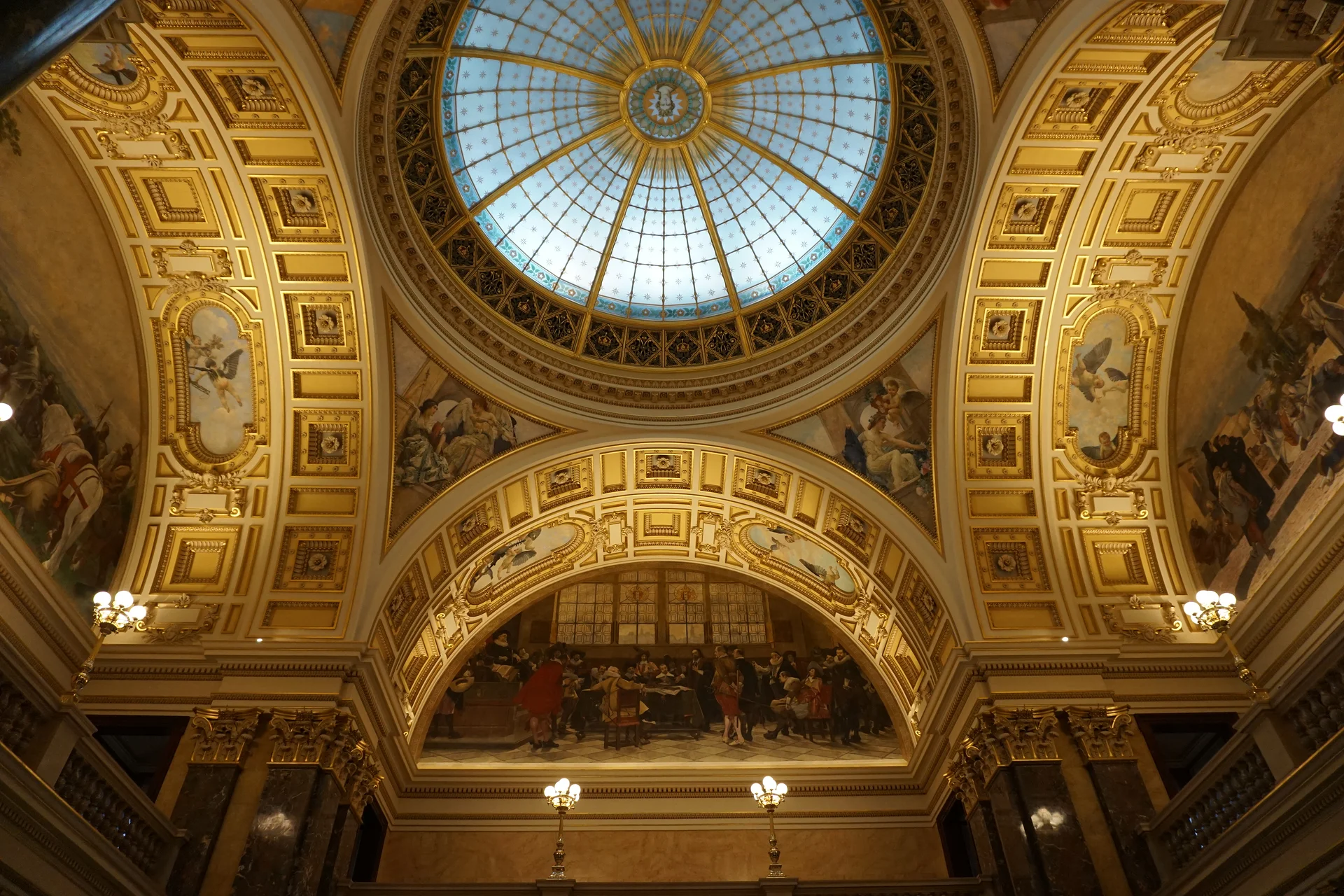
Prague, often called the city of a hundred spires, operates as an open-air museum. Its historic center holds a UNESCO designation and packs in landmarks like the Charles Bridge, the Old Town Square, and its famous astronomical clock. Across the Vltava River, Prague Castle looms over the city and encloses Saint Vitus Cathedral. For a quieter pace, the Malá Strana neighborhood features cobblestone alleys and baroque palaces.
Bohemian Castles and Villages
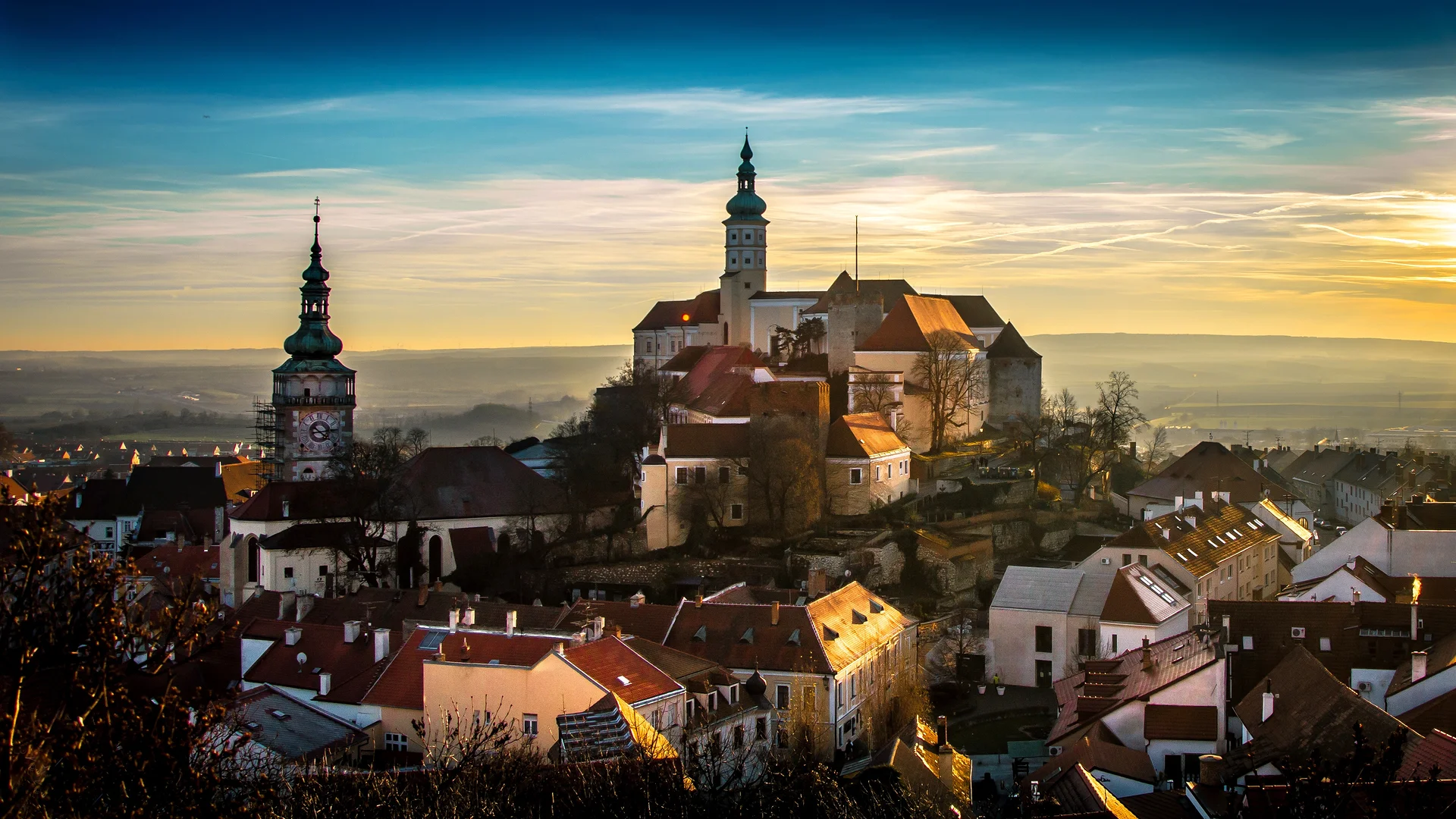
Bohemia holds heavy-hitting fortresses, including the romantic Karlštejn Castle, founded by Charles IV in the 14th century. Further south, Český Krumlov stands out as one of the country's best-preserved medieval towns, complete with a castle perched above a loop of the Vltava River. Off the main tourist grid, Telč draws visitors with its colorful gabled houses and Renaissance square.
Moravian Mountains and Forests
To the east, Moravia features rolling terrain suited for hiking and cycling. Podyjí National Park, hugging the Austrian border, maps out trails through wooded gorges and vineyards. To the northwest, in Bohemia along the Polish border, the Giant Mountains pull in nature enthusiasts with peaks reaching past 1,600 meters and active ski resorts in the winter months.
Spa Towns and Wellness Culture
Czechia is known for its historic spa towns, notably Karlovy Vary, famous for its hot springs and Belle Époque architecture. The smaller town of Františkovy Lázně maintains a slower rhythm geared toward unwinding. The baths at Luhačovice in Moravia offer another option, featuring mineral-rich waters and early 20th-century spa architecture.
Hearty Cooking with Germanic and Slavic Roots
Czech comfort food leans heavy and rich, usually paired with local beer. Standard orders include svíčková, a beef roast served with a cream sauce and bread dumplings. The national dish, vepřo knedlo zelo, combines roast pork, sauerkraut, and dumplings. For something sweet, trdelník, a spit-roasted rolled dough coated in caramelized sugar, fills the street food stands.
When to go
The right time to visit Czechia depends on what you want to do. Spring and autumn work best for exploring Prague and historic towns without peak crowds. Winter brings holiday markets and a festive atmosphere, while summer opens up hiking trails and events like the Karlovy Vary International Film Festival in July.
How to get there
Direct flights connect major European hubs to Prague, with airfares shifting between $90 and $290* depending on the season. Trains and long-distance buses also run frequent routes into the country from Germany, Austria, and Poland.
How to get around
The Czech rail network connects major cities efficiently. Regional buses step in as a practical option for reaching more remote castles and outlying villages. Within Prague, the transit system links the metro, trams, and buses, with multi-day passes available for visitors.