
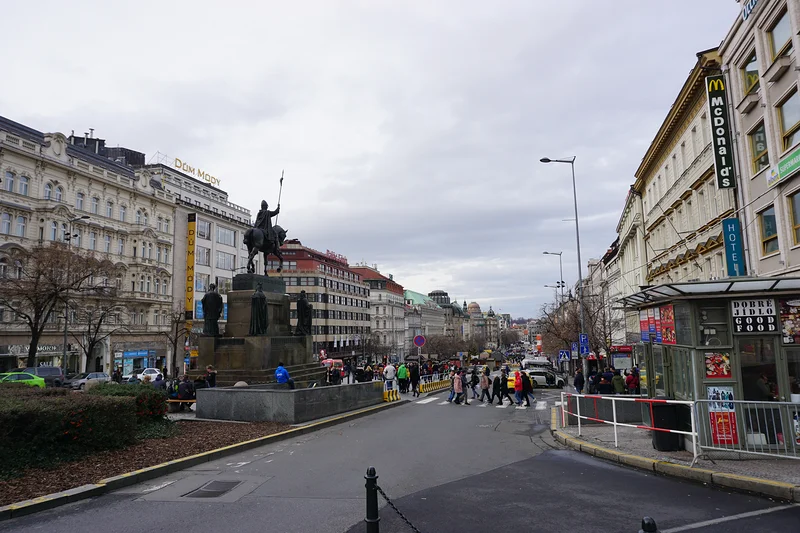
Prague, a city that rewards those who linger
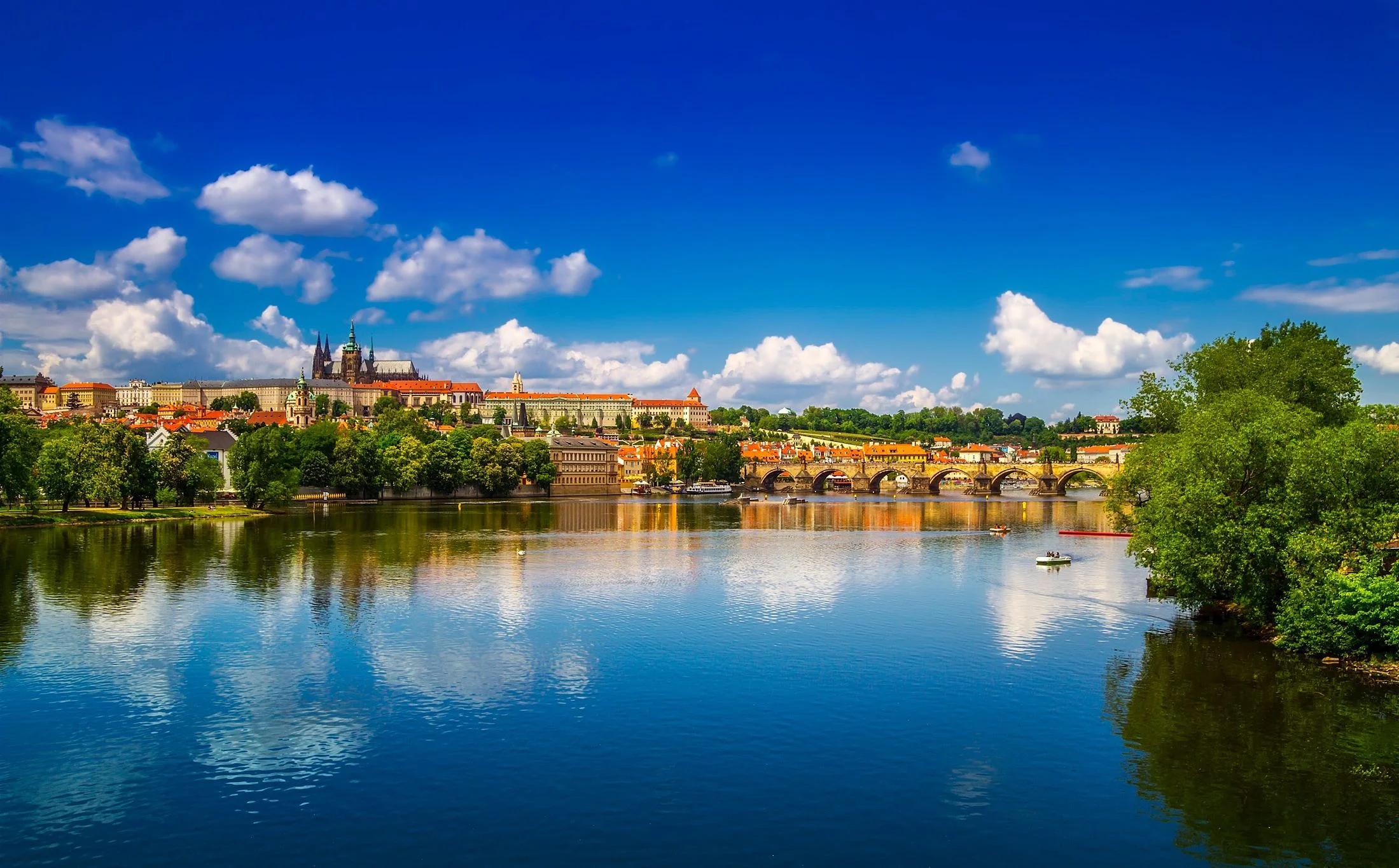
It is 6 a.m. on the Charles Bridge, and you are nearly alone. Mist rises from the Vltava, the baroque statues cut sharp silhouettes against the gray light, and the silence is so heavy you can hear your own footsteps echoing off the cobblestones. Five hours later, this same bridge will be a sea of humanity, street caricaturists, and souvenir hawkers.
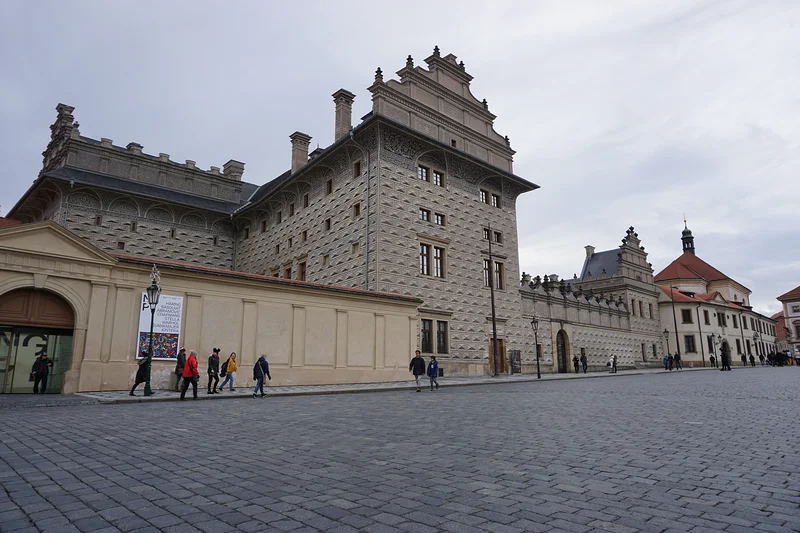
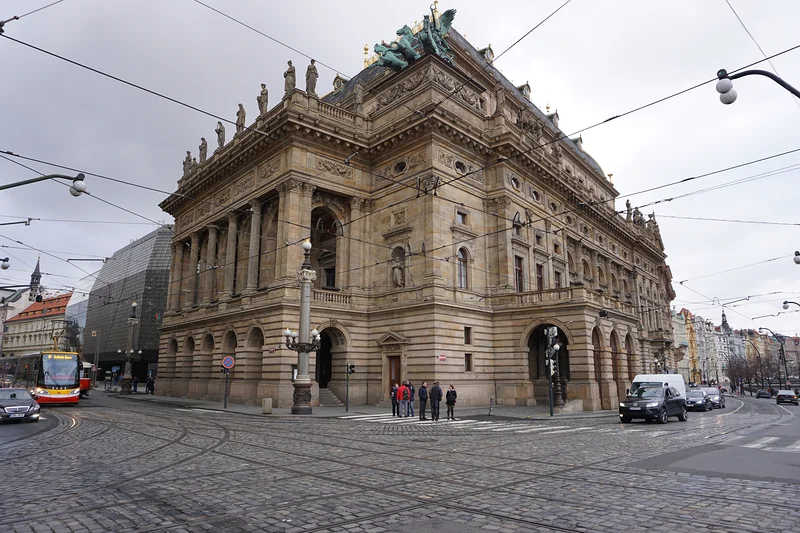
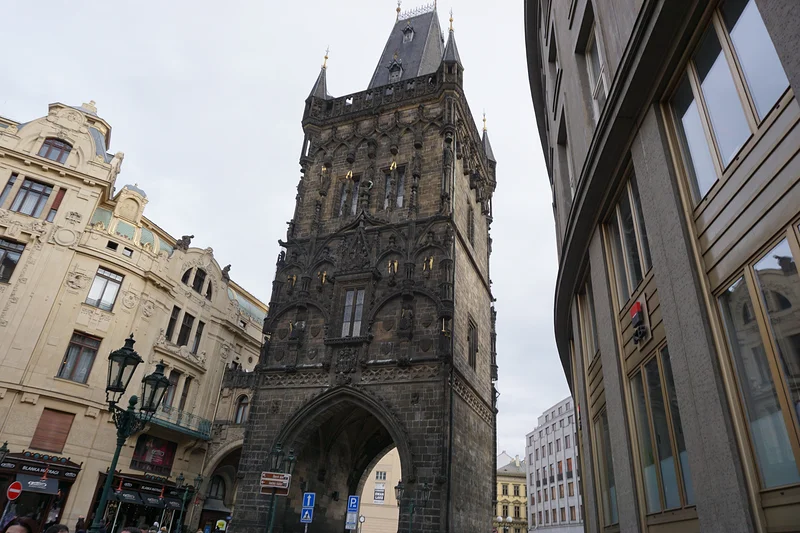
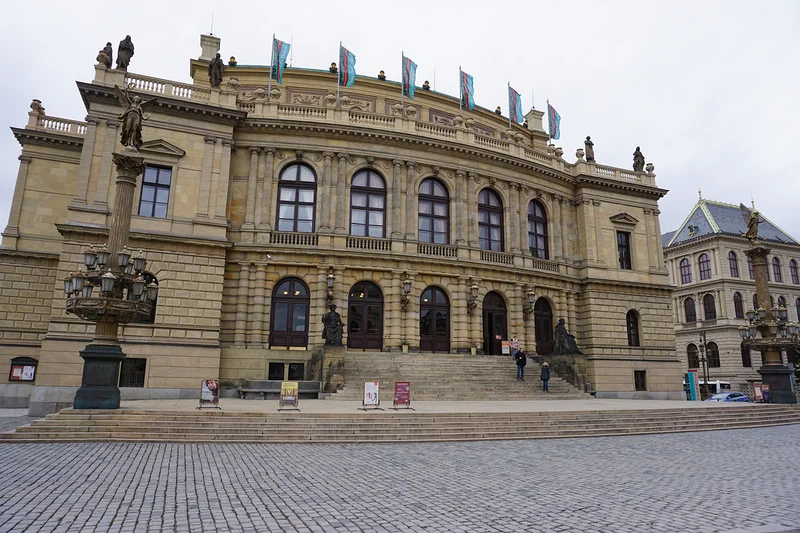
Prague operates on this rhythm. It rewards those who get up early, those who turn down the right side street, and those who know how to look past the postcard. Founded in the 9th century and largely spared from World War II bombing, the Czech capital retains a city center with a density of architecture rare in Europe. Gothic, baroque, Renaissance, Art Nouveau, and cubism all coexist here over a few square miles, like an open-air art history textbook.
Much more than a beer-fueled getaway
Prague is often reduced to bachelor parties and cheap pints. That is a disservice to the city. It also draws architecture buffs, 20th-century history enthusiasts, music lovers, and urban explorers. The local dining scene has seen a significant evolution in recent years, led by neighborhoods like Karlín or Vinohrady where chefs are creatively reimagining Bohemian cuisine.
Be aware, however, that Prague is a major tourist destination. In peak season, the Old Town and the Castle District are usually packed. Know this before you go, and plan your itinerary accordingly.
Best for:
- Architecture and European history buffs
- Couples or friends looking for a 3-4 day city break
- Fans of craft beer and Central European cuisine
- Travelers looking for a value-conscious European capital
- Music lovers, as Prague is a major hub for classical and jazz concerts
Not for:
- Those looking to avoid crowds and mass tourism
- Travelers seeking beaches or wilderness
- Groups looking strictly for nightlife (the city is already dealing with the impact of this)
- Travelers with limited mobility: the cobblestones and hills can be difficult to navigate
A budget that remains reasonable for a European capital
Prague is no longer the budget destination it was in the early 2000s, but it remains significantly more accessible than Paris, Vienna, or Amsterdam. The local currency is the Czech koruna (CZK). Credit cards are widely accepted, though some smaller establishments remain cash-only.
| Expense | Price Range |
|---|---|
| Hostel bed (dorm) | 250 to 630 CZK (about $12-$29*) |
| 3-star hotel in a central location | 1,260 to 2,270 CZK (about $58-$105*) |
| Quick meal (street food, local pub) | 125 to 250 CZK (about $5.80-$12*) |
| Restaurant meal (entree + drink) | 300 to 500 CZK (about $14-$23*) |
| Daily transport + activities | 200 to 450 CZK (about $9.20-$21*) |
| Total daily budget (budget traveler) | 1,000 to 1,500 CZK (about $46-$69*) |
| Total daily budget (comfortable) | 2,000 to 3,250 CZK (about $92-$150*) |
Easy to navigate, easy to understand
Prague is compact and well-served by public transit. You can easily walk the historic center in a day. The language barrier is not a major issue as English is widely spoken in tourist areas and restaurants. That said, locals appreciate a simple Děkuji (thank you) and it will earn you a smile.
As for safety, Prague is one of the safest capitals in Europe. Violent crime against tourists is nearly nonexistent. However, you should stay vigilant against pickpockets, who are active on the Charles Bridge, on the metro, and around Old Town Square. Another point of caution is taxi scams. Stick to Bolt or Uber rather than hailing a cab on the street.
Staré Město and Josefov: The historic heart
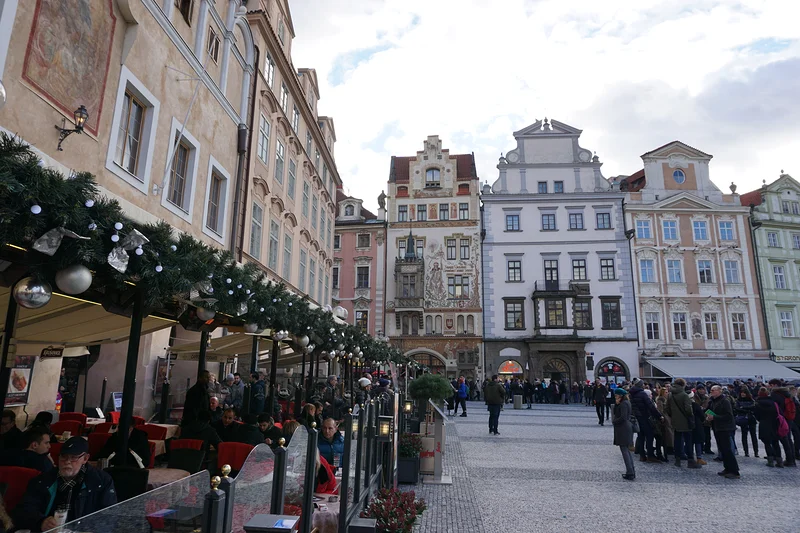
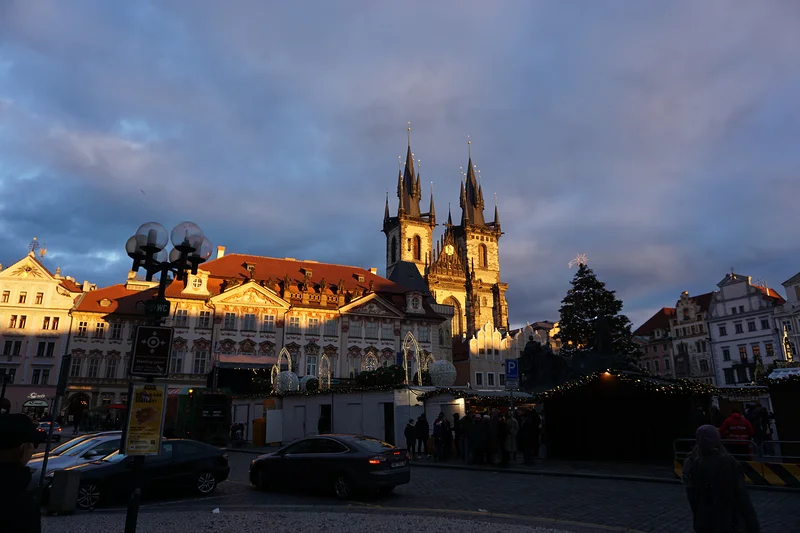
Starting at the Old Town Square is mandatory, if only for the 1410 astronomical clock. It is the oldest operating astronomical clock in the world. Look up at the spires of the Church of Our Lady before Týn and the rococo facade of the Kinský Palace.
Friendly tip: Visit the square before 9 a.m. or after 6 p.m. Between those hours, the density of tourists makes the experience much less pleasant. The same applies to the Charles Bridge: early morning is magic.
The Jewish Quarter of Josefov, just to the north, is worth a solid two hours. The Old Jewish Cemetery, with its tombstones layered twelve deep, is one of the most moving sites in the city. The Old-New Synagogue, dating back to 1270, is among the oldest active synagogues in Europe.
Malá Strana and Hradčany: The monumental Left Bank
After crossing the Charles Bridge, you enter Malá Strana, the "Little Quarter." The side streets are quieter than you might expect, as long as you steer clear of Mostecká and Nerudova streets. The Lennon Wall, constantly repainted by visitors, has been a symbol of free expression since the 1980s. The Church of Saint Nicholas, a baroque masterpiece, hosts classical music concerts almost every night.
Higher up, the Prague Castle dominates the skyline. It is the largest ancient castle in the world by area. The outer courtyards are free to access, which is enough to enjoy the spectacular view. To visit the St. Vitus Cathedral, Golden Lane, and St. George's Basilica, you will need a ticket.
Friendly tip: Walk back down through the terrace gardens below the castle rather than taking Nerudova street. It is quieter, greener, and the view over the Malá Strana rooftops is well worth it.
Vinohrady, Žižkov and Karlín: The local side of Prague
We will be frank: these are the neighborhoods where we found the real pulse of the city. Far from the hordes of the Old Town, Vinohrady, a former royal vineyard district, is lined with Art Nouveau buildings and rolling parks. Riegrovy sady park offers the best free view of the castle at sunset, beer in hand at its massive beer garden.
Žižkov, right next door, has long been a working-class neighborhood. You can spot it from afar thanks to the television tower and its giant crawling babies sculpted by artist David Černý. The area is packed with old-school pubs and trendy cafes. Franz Kafka is buried in the New Jewish Cemetery in Žižkov.
Karlín, devastated by the 2002 floods, has undergone a spectacular renaissance. This neighborhood was ranked among the 50 coolest in the world by Time Out. You will find some of Prague's best tables here, including Eska, recommended by the Michelin guide for its revisited Czech cuisine and excellent sourdough bread.
Petřín, Vyšehrad and green escapes
Petřín Hill, accessible on foot from Malá Strana, is the green lung of the center. At the top, a miniature replica of the Eiffel Tower offers a 360-degree panorama of the city. In the spring, the cherry blossoms turn the climb into a Japanese-inspired stroll.
To the south, the Vyšehrad fortress is the city's best-kept secret. Much less crowded than the castle, it offers ramparts with a plunging view of the Vltava, a cemetery where Dvořák and Smetana are laid to rest, and the magnificent Basilica of St. Peter and St. Paul. It is the perfect place to catch your breath after the bustle of the Old Town.
Where to eat and drink in Prague?
Czech cuisine is hearty. It is a product of a continental climate: generous portions, thick sauces, and slow-braised meats. The national dish, svíčková na smetaně, pairs beef sirloin with a creamy root vegetable sauce, brightened with a touch of cranberry jam. It is served with knedlíky, the boiled bread dumplings you will find everywhere.
Three must-try specialties
- Guláš: The Czech version of goulash, often served in a hollowed-out bread bowl for street food. Head to Mlejnice for an excellent version.
- Vepřo-knedlo-zelo: Roasted pork with dumplings and sauerkraut. The essential pub trio. Lokál Dlouhááá serves it at a fair price in a local atmosphere.
- Smažený sýr: Fried breaded cheese, a popular snack found in most pubs. Simple, effective, and perfect with a beer.
As for beer, Prague is a paradise. Pilsner Urquell is the local king, but microbreweries are popping up everywhere. The Prague Beer Museum offers dozens of craft beers on tap. For wine, neighboring Moravia produces excellent whites, best tasted at Vinograf.
Friendly tip: Avoid restaurants in the immediate vicinity of the Charles Bridge and Old Town Square. Prices are inflated and quality is rarely up to par. Walk two blocks away and the difference is obvious.
How to get to Prague?
Václav Havel Airport is connected to numerous international cities by direct flights. From London or Paris, expect a flight of about two hours. Connections also exist from many other European hubs, often via low-cost carriers. Prices vary from 750 to 3,750 CZK (about $35-$173*) one-way depending on the season and booking time.
By train or bus from Europe
Prague is well-connected to the European rail network. A night train from Vienna costs about 750 CZK (about $35*) and saves you a hotel night. From Berlin, the trip takes about 4 hours and 30 minutes. FlixBus and RegioJet buses connect Prague to most nearby capitals for fares often under 500 CZK (about $23*).
How to get around Prague?
The public transit network is excellent and inexpensive. Three metro lines, a vast tram network, and buses cover the entire city. A 24-hour ticket costs 150 CZK (about $6.90*) and a 72-hour pass is 350 CZK (about $17*), valid on all transport. The PID Lítačka app lets you buy tickets directly on your phone with a small discount.
For taxis, stick to Bolt and Uber, which are reliable and affordable. An airport-to-city center trip costs about 385 CZK (about $18*) via Bolt. Driving in Prague is pointless: one-way streets, parking reserved for residents, and constant traffic jams are the norm.
When to go?
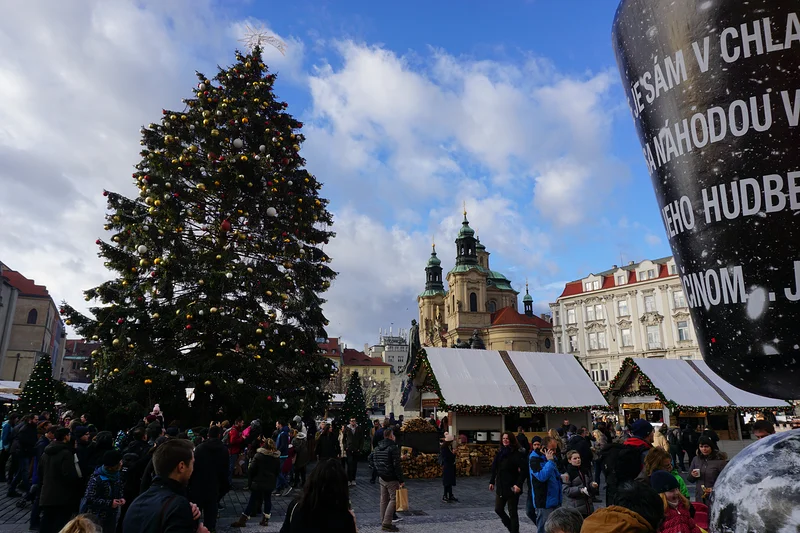
The best times are spring (April-May) and early autumn (September-October): temperatures are pleasant between 57 and 72°F (14-22°C), crowds are manageable, and the light is ideal for photography. Summer can be stifling, peaks of 95°F (35°C), and the city is overwhelmed. Winter has its charm with Christmas markets and snow on baroque rooftops, but days are short and temperatures often drop below freezing.
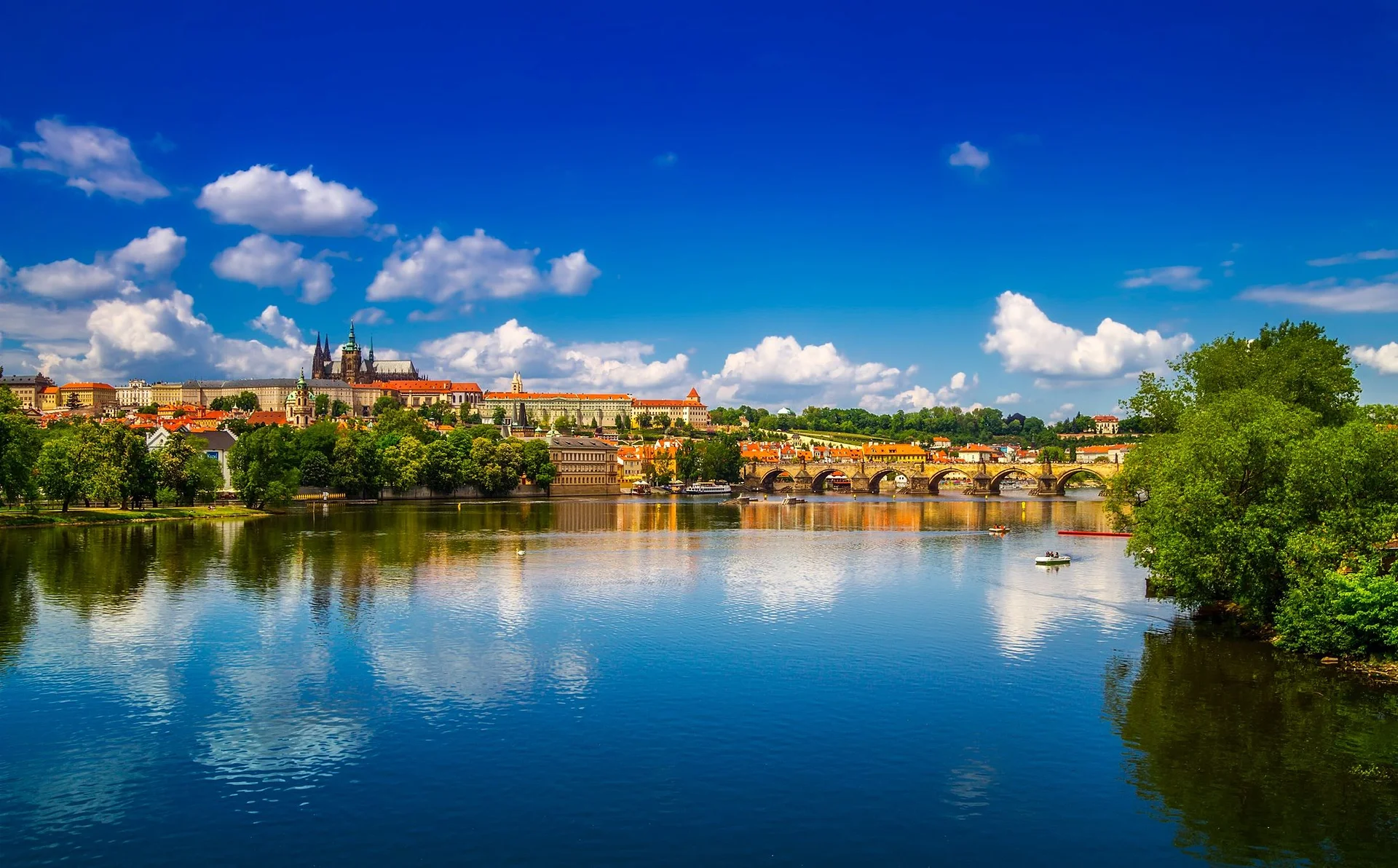
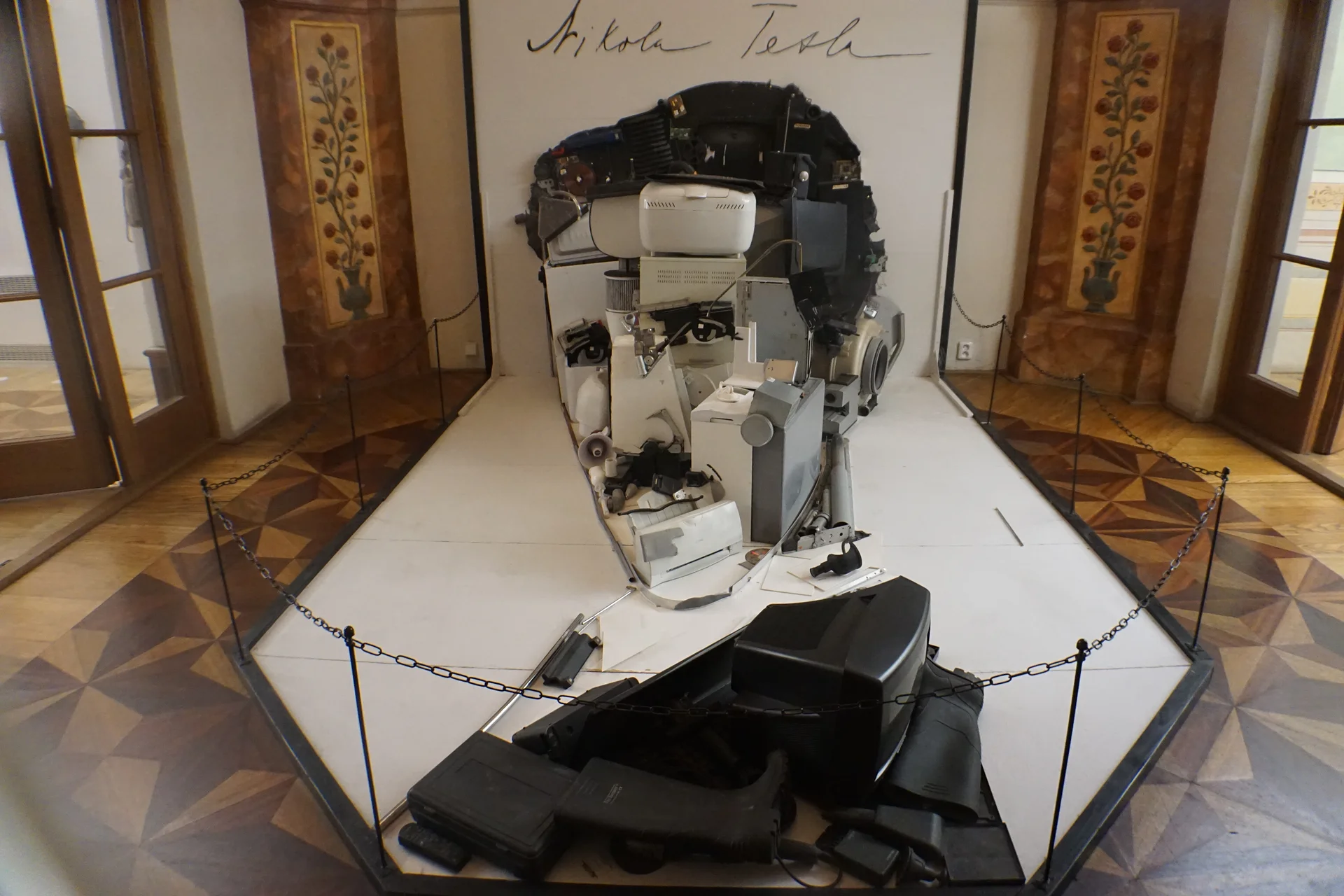
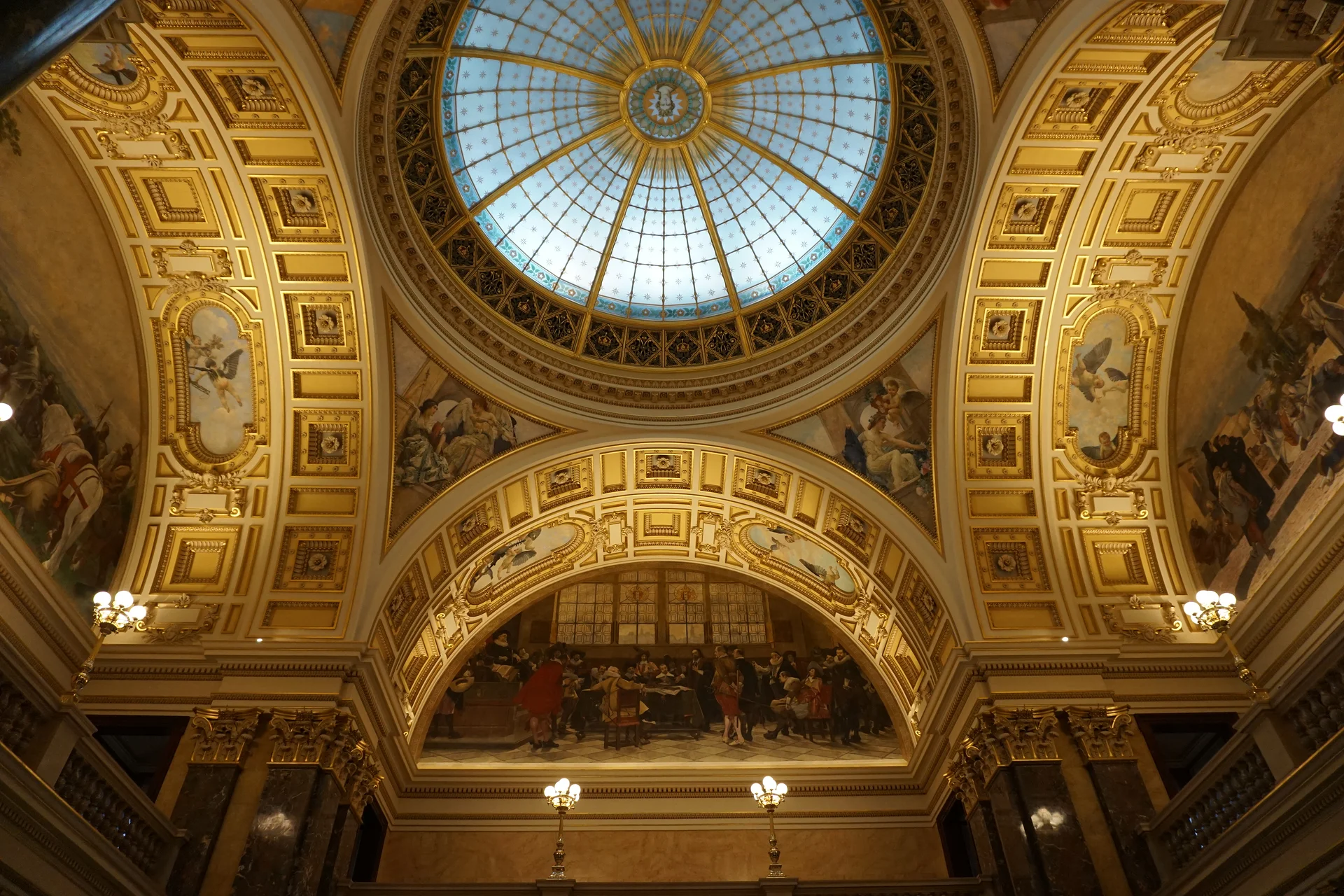
Prague is a beautiful museum city in the Czech Republic. Its city center is compact, which makes for some great walks on foot. In winter, the city is famous for its Christmas markets. All year round, tourists from all over the world crowd in to see its astronomical clock in the Old Town Square. The facades of its colorful houses are all elegant and original. I recommend hiring a guide to discover the secrets of the city.