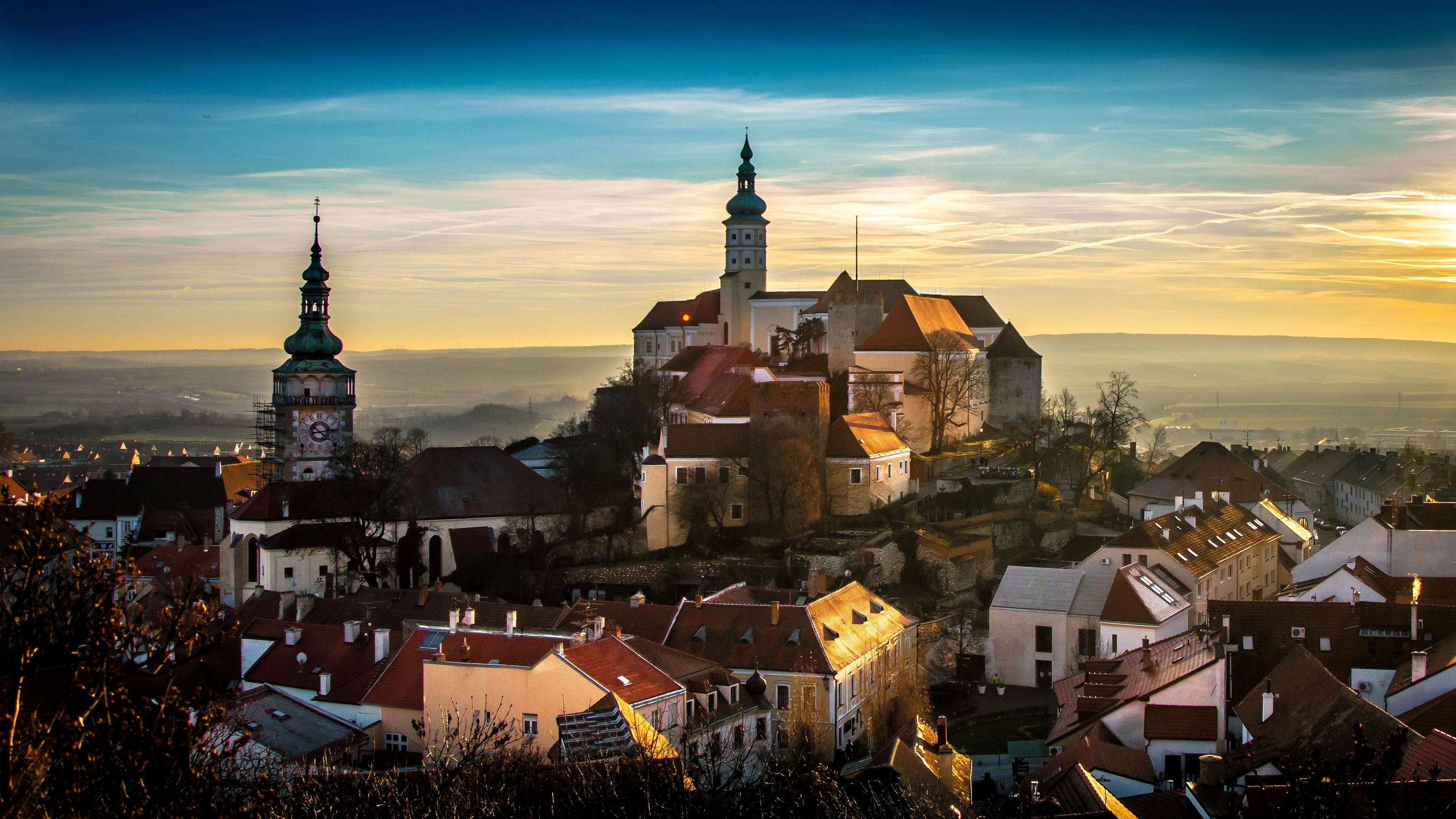
Mikulov

Things to do in Czechia: 11 must-see attractions

Discover our members' favorite destinations in Czechia, plus reviews, practical info, and traveler photos...

The 2 most beautiful cities to visit in Czechia

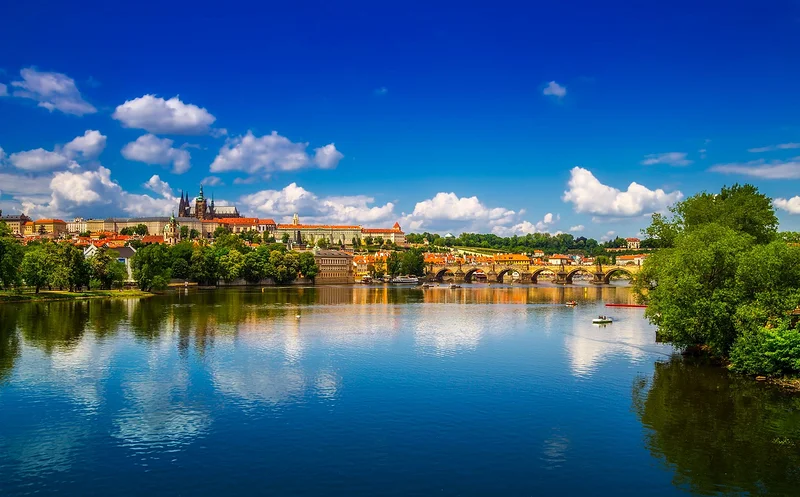
Prague

#1 Prague +202

Prague stacks centuries of history effortlessly, where Gothic, Baroque, and Art Nouveau architecture collide across a few square miles of cobblestone streets that miraculously survived the wars. Beyond the historic center, the city hides neighborhoods with serious culinary momentum like Karlín and Vinohrady. You can grab a beer for 50-70 CZK (about $2-3) and catch nightly classical concerts in local churches, all while keeping your daily costs significantly lower than in Vienna or Paris.

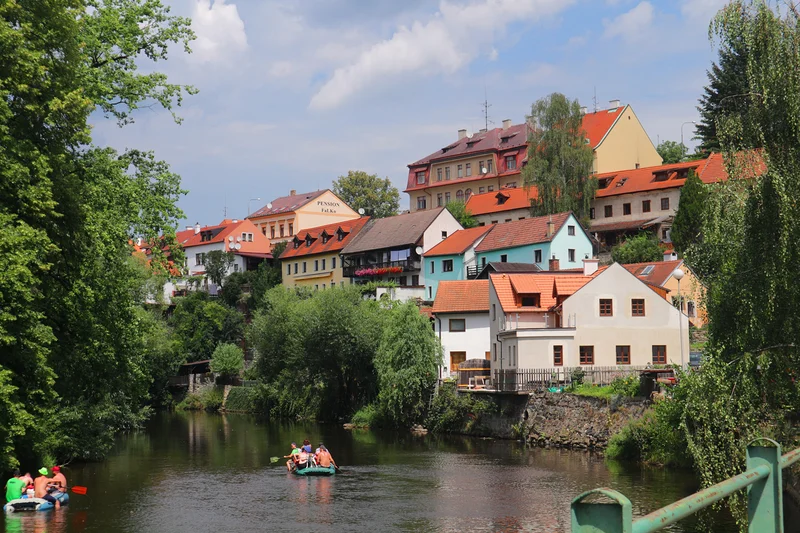
Cesky Krumlov

#2 Cesky Krumlov +5

People often call this place "Little Prague." While it is a hundred times smaller than the Czech capital, Český Krumlov holds its own in terms of elegance and charm. The high spire of the St. Vitus Cathedral is enough to remind you of the city of a hundred spires. Tucked into a loop of the Vltava river, the town has preserved deep roots from the medieval era alongside stunning Renaissance architecture. The Rosenberg Castle, which looms over the city, is its most iconic landmark. Inside, the Masked Hall features elaborate trompe-l'oeil paintings depicting scenes from the commedia dell'arte.

A lively small town

Start your visit by exploring the castle grounds. You can reach the entrance via Latrán, a narrow street that dates back to the Middle Ages. You will cross a bridge over the castle moat, where you might spot the bears kept on the grounds. The castle complex is massive, spanning forty buildings, five courtyards, and about seven hectares (nearly 17 acres) of gardens. Feel free to wander at your own pace, as access to the grounds is free unless you book a guided tour. You only pay a few Czech koruna (typically 100-200 CZK, or about $4-9) to enter and climb the central tower. From the top, you get a clear view of the town and the surrounding countryside.

During your walk, do not miss the Cloak Bridge, a massive stone structure supported by high pillars with three levels of corridors. It leads directly to the well-preserved Eggenberg Theater. Český Krumlov often feels like a storybook setting. The medieval city center, a UNESCO World Heritage site, is packed with old baroque buildings. Head to the central square, or Náměstí Svornosti, which serves as the heart of the town and features a 16th-century town hall. In the middle of the square stands the Plague Column, topped with statues of the Immaculate Virgin and the city's patron saints.

The natural setting of South Bohemia

Beyond the local museums, such as the Regional Museum which details the history of the area, the surroundings are ideal for outdoor excursions. You can kayak or raft down the Vltava river. For a longer trip, head to the Cistercian Monastery of Vyšší Brod, only a 30-minute drive away. Also founded by the Rosenberg dynasty, the abbey is still home to a small community of monks.

The Šumava National Park, located at the western edge of the Czech Republic, is also worth a visit. It is part of the largest forested region in Europe. You can find protected species here like lynx and elk. You can even see traces of the Iron Curtain, which once separated Eastern and Western Europe during the Cold War.

When to go

To enjoy the pleasant weather and the many local festivals, the best months to visit Český Krumlov are during the warmer season, from May to September.

How to get there

From Prague, Flixbus operates direct routes to Český Krumlov that take about three hours. You can also take a train from Prague to the nearby city of Cesky Budějovice. From there, transfer to a local train that will take you directly into Český Krumlov.

Ranking of the 9 activities selected by our editors in Czechia

#1 Prague Castle (Prague) +39 5

Prague Castle stands as the ultimate symbol of the city. Perched on a hill overlooking the Czechia capital, it ranks among the largest castles globally, spanning over 70,000 square meters. Founded in the 9th century, this sprawling complex of palaces, gardens, and museums, including Saint Vitus Cathedral, defines the city skyline.

See the guide See deals-7%AVYGEO7

#2 Charles Bridge (Prague) +30 4.6

Connecting the Old Town of Prague, Staré Město, to the Malá Strana district at the foot of the Castle, the Charles Bridge is a centerpiece of the capital of Czechia and a national icon featured on the 50 CZK coin.

Built in the 14th century, it served for years as the only bridge spanning the Vltava and is named after Charles IV, who was instrumental in the city's development. This architectural landmark is protected by two imposing towers and features around 30 baroque statues facing each other along its length, similar in style to the Sant'Angelo Bridge in Rome. Local lore surrounds its construction, including the persistent legend that the mortar was strengthened with tons of eggs.

Take a look at the statue of Saint John of Nepomuk, identifiable by his golden halo. A priest in Prague during the reign of Wenceslas IV, he was thrown into the Vltava because he refused to reveal the queen's confessions to the king. A cross marks the spot where he was thrown. You will likely see visitors touching the statue of the dog nearby, as the gesture is said to bring good luck.

Sculpted after a painting by Petr Brandl, the statue of Saint Luitgarde, located on the 12th pier on the south side when walking from the Old Town toward Malá Strana, is arguably the most valuable. While the most curious figure remains the legendary Bruncvík with his golden sword positioned off the main bridge structure, the least visible is the statue of the tower guard, which is enclosed.

Often captured under veils of mist, the bridge feels most atmospheric at sunrise or sunset when it is quiet, though this is rare. The Charles Bridge is perpetually filled with musicians, painters, and vendors who provide a sense of local color and entertainment for travelers walking across.

See the guide See deals

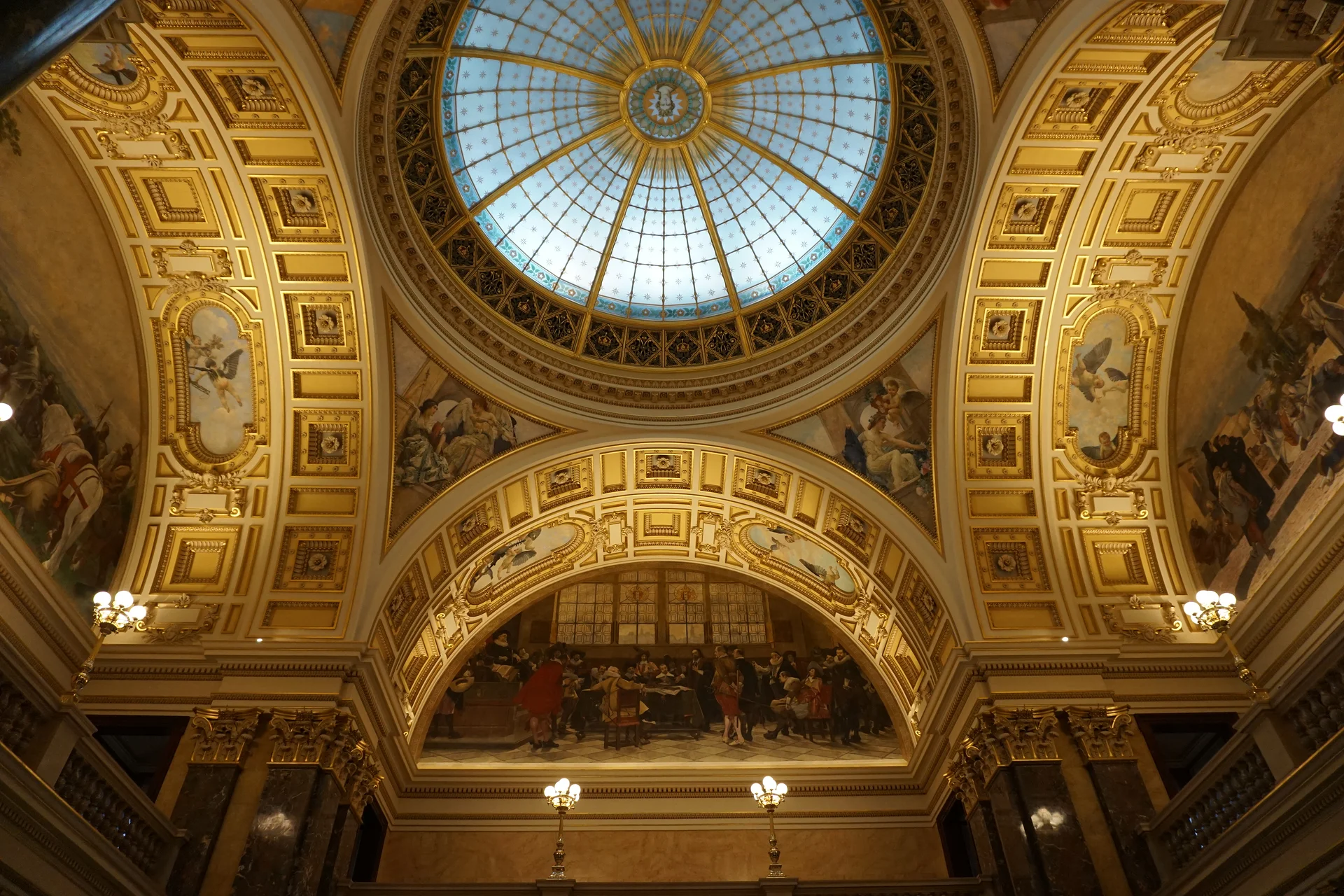
#3 National Museum (Prague) +29 5

The National Museum in Prague is one of the most significant institutions in Czechia. Established in 1818, it holds vast collections spanning from prehistory to the present day. Explore archaeological finds, European art, natural history, and music archives. The building itself is an architectural landmark on Václavské náměstí (Wenceslas Square), right in the city center.

See the guide See deals-7%AVYGEO7

#4 Illusion Art Museum (Prague) +27 3.8

The Illusion Art Museum in Prague is an interactive space where visitors challenge their own perception. Located in the city center, the collection features optical illusions, trompe-l'œil, and interactive art. Visitors engage directly with exhibits to create photos with surreal backdrops. The museum also hosts workshops for children and special events for all ages.

See the guide See deals

#5 St. Vitus Cathedral (Prague) +17 4

Svaty Vit, or St. Vitus Cathedral, sits at the heart of the Prague Castle complex. It stands as one of the finest examples of Gothic religious architecture in Europe, serving as the largest church in the country and the seat of the Prague archbishop. You can spot its 82-meter spire from across the city. The sheer scale of the interior is striking, measuring 124 meters long by 60 meters wide, and it houses intricate Secession-style stained glass along with the silver tomb of Nepomuk.

In the 10th century, the Duke of Bohemia gifted the relics of St. Vitus to his counterpart in Saxony. To house them, he sought to build a cathedral on the site of an earlier Romanesque rotunda, a project finally realized by his descendant Charles IV in 1344. Construction spanned six centuries, involving a succession of international architects. While the original plans were drafted by the Frenchman Mathieu d'Arras, the south tower is the work of the German Bonifac Wohlmut and the Austrian Nicolo Pacassi. The nave and west facade were designed by the Czech architect Joseph Mocker.

The cathedral is divided into two distinct sections. The older eastern portion includes the choir, various chapels, and the great bell tower. The second, more complex section features three aisles and a transept with towers.

Start your visit by examining the facade. Among the 14 statues adorning it is one of Charles IV, whose bust you will also find in the triforium, a gallery built to honor royals, archbishops, and the builders of the cathedral. Do not miss the square St. Wenceslas chapel, recognizable by its star-studded vaults, or the Coronation Chamber, which holds the Crown Jewels, designated as National Cultural Treasures. Take time to appreciate the stained glass windows created by renowned artists like Alphonse Mucha. If your schedule allows, visit the underground level, which contains the tombs of the Bohemian kings.

#6 Prague National Theatre (Prague) +12 4.5

The Prague National Theatre, a neo-Renaissance masterpiece built in 1888, stands as a major cultural icon in the capital of Czechia. With its ornate architecture and lavish interiors, the venue hosts a rotating schedule of operas, ballets, and concerts. Performances by Mozart, Smetana, and Dvořák are staples. Tickets start at 200 CZK (about $9).

#7 Prague Zoo (Prague) +11 4.7

Founded in 1931, Prague Zoo is a standout destination for nature lovers, housing over 5,000 animals from 700 species across 150 acres. Renowned for its conservation work, it protects rare species like Przewalski horses and Siberian tigers. Its themed habitats, educational programs, and expansive views make this Czechia landmark a top family trip.

See the guide See deals

#8 Prague Astronomical Clock (Prague) no ratings yet 3.7

The Prague Astronomical Clock is a required stop during your time in the capital of Czechia. This mechanism tracks eight temporal dimensions, monitoring the sun, moon, stars, and zodiac signs. Every hour, allegorical figures animate for an outdoor show. Climb the Old Town Hall Tower to see the view over Prague.

#9 Dancing House (Prague) -1 3

Located on the right bank of the Vltava, the Dancing House is a striking landmark designed by architect Frank Gehry. Its curved glass tower, leaning against a concrete structure, symbolizes the return of democracy to Czechia. Visit the rooftop to dine at the Ginger & Fred restaurant, where you can enjoy views over Prague.

Visiting Czechia

Czechia punches well above its weight for a country roughly the size of South Carolina. Medieval streetscapes, hilltop castles, rolling Moravian countryside, and a spa culture that goes back centuries, there's a lot packed into this landlocked Central European country, and most Americans barely scratch the surface beyond Prague.

Prague: a capital that earns the hype

Prague is one of those rare European capitals where the old city center survived the 20th century largely intact. The UNESCO-listed historic core delivers: Charles Bridge, lined with Baroque statues; Old Town Square with its medieval Astronomical Clock that draws a crowd every hour on the hour; and across the Vltava River, Prague Castle looming over everything, with St. Vitus Cathedral inside its walls. For a quieter side of Prague, the cobblestoned Malá Strana neighborhood, tucked below the castle, has Baroque palaces and garden courtyards that most day-trippers miss entirely.

Bohemian castles and villages

Outside Prague, Bohemia has a serious density of castles. Karlštejn Castle, built by Holy Roman Emperor Charles IV in the 14th century, sits about 30 kilometers southwest of Prague and is one of the most recognizable in the country. Further south, Český Krumlov is arguably the most beautiful small town in Czechia, its medieval center wraps around a bend in the Vltava, with a massive castle perched above. It's compact enough to cover in a day trip from Prague, though staying overnight is worth it once the tour groups leave. The village of Telč, less visited, rewards the detour with a perfectly preserved Renaissance square and colorful gabled townhouses that look almost too photogenic to be real.

Moravia: hills, forests, and wine country

Eastern Czechia belongs to Moravia, a region that gets a fraction of the tourist traffic but offers solid hiking and cycling through rolling hills and river gorges. Podyjí National Park, running along the Austrian border, has wooded canyon trails and vineyard-dotted slopes, Moravia is actually Czech wine country, which surprises most visitors. Further north, the Krkonoše (Giant Mountains) top out above 5,200 feet and pull in skiers in winter and hikers in summer.

Spa towns and the wellness tradition

Czechia has a long tradition of spa culture that predates the modern wellness industry by centuries. Karlovy Vary is the most famous of the spa towns, built around a cluster of hot mineral springs and lined with ornate Belle Époque colonnades, the Karlovy Vary International Film Festival (held every July) adds a cultural layer if your timing works out. For something quieter, Františkovy Lázně is a smaller, more low-key alternative nearby. In Moravia, Luhačovice offers mineral-rich thermal baths in an early-20th-century architectural setting that feels like it's barely changed since it was built.

The food: hearty, meaty, and built for cold weather

Czech cooking draws from Germanic and Slavic traditions and leans heavily toward slow-cooked meat, bread dumplings, and dark beer. Svíčková is the dish to order, beef sirloin in a creamy root-vegetable sauce, served with knedlíky (soft bread dumplings that soak up the sauce). The national dish, vepřo knedlo zelo, is roast pork with sauerkraut and more dumplings. On the street food side, trdelník is a spiral pastry grilled on a spit and rolled in cinnamon sugar, you'll smell it at every market. And the beer: Czech lagers like Pilsner Urquell and Kozel are genuinely excellent, and a half-liter in a local pub typically runs 40-60 CZK (about $2-3).

When to go

Spring (April-May) and fall (September-October) are the sweet spots for Prague and the historic towns, comfortable temperatures, manageable crowds, and lower prices than peak summer. Summer is fine for hiking Moravia and Bohemia, and the Karlovy Vary Film Festival in July is worth planning around if that's your thing. Winter is genuinely atmospheric, especially during the Christmas markets in Prague and Český Krumlov (late November through December), though expect cold and shorter daylight hours.

Getting there

From the US, there are no nonstop flights to Prague from most American cities, so expect one connection through a European hub, total travel time from the East Coast runs roughly 10-12 hours. Round-trip fares typically range from about 600 to 1,200 CZK equivalent... actually, transatlantic fares vary widely: budget around $700-1,400 depending on season and departure city. Once in Europe, Prague is well-connected by train and bus from Germany, Austria, and Poland if you're combining countries.

Getting around

The Czech rail network covers the country well and is the easiest way to move between major cities. Buses fill the gaps for smaller towns, castles, and villages that trains don't reach, they're cheaper and often faster on certain routes. In Prague, the public transit system (metro, trams, and buses) is efficient and easy to navigate. A 24-hour pass runs around 120 CZK (about $5.50), which covers unlimited rides and is genuinely the best way to get around the city.
Find the best deals to travel to Czechia

Hotels and stays Flights Car rentals Custom trips

Top photos posted by members

Mikulov
Musée des illusions
Fresque historique