Visiting Czechia
Czechia punches well above its weight for a country roughly the size of South Carolina. Medieval streetscapes, hilltop castles, rolling Moravian countryside, and a spa culture that goes back centuries, there's a lot packed into this landlocked Central European country, and most Americans barely scratch the surface beyond Prague.
Prague: a capital that earns the hype
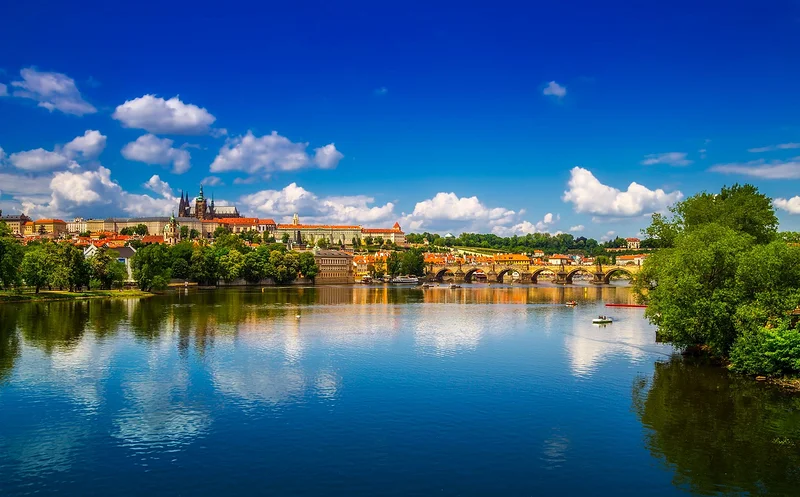
Prague is one of those rare European capitals where the old city center survived the 20th century largely intact. The UNESCO-listed historic core delivers: Charles Bridge, lined with Baroque statues; Old Town Square with its medieval Astronomical Clock that draws a crowd every hour on the hour; and across the Vltava River, Prague Castle looming over everything, with St. Vitus Cathedral inside its walls. For a quieter side of Prague, the cobblestoned Malá Strana neighborhood, tucked below the castle, has Baroque palaces and garden courtyards that most day-trippers miss entirely.
Bohemian castles and villages
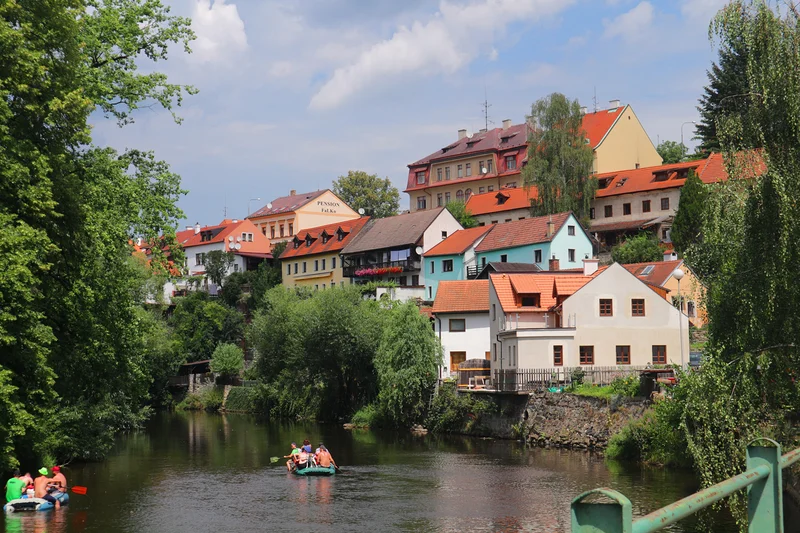
Outside Prague, Bohemia has a serious density of castles. Karlštejn Castle, built by Holy Roman Emperor Charles IV in the 14th century, sits about 30 kilometers southwest of Prague and is one of the most recognizable in the country. Further south, Český Krumlov is arguably the most beautiful small town in Czechia, its medieval center wraps around a bend in the Vltava, with a massive castle perched above. It's compact enough to cover in a day trip from Prague, though staying overnight is worth it once the tour groups leave. The village of Telč, less visited, rewards the detour with a perfectly preserved Renaissance square and colorful gabled townhouses that look almost too photogenic to be real.
Moravia: hills, forests, and wine country
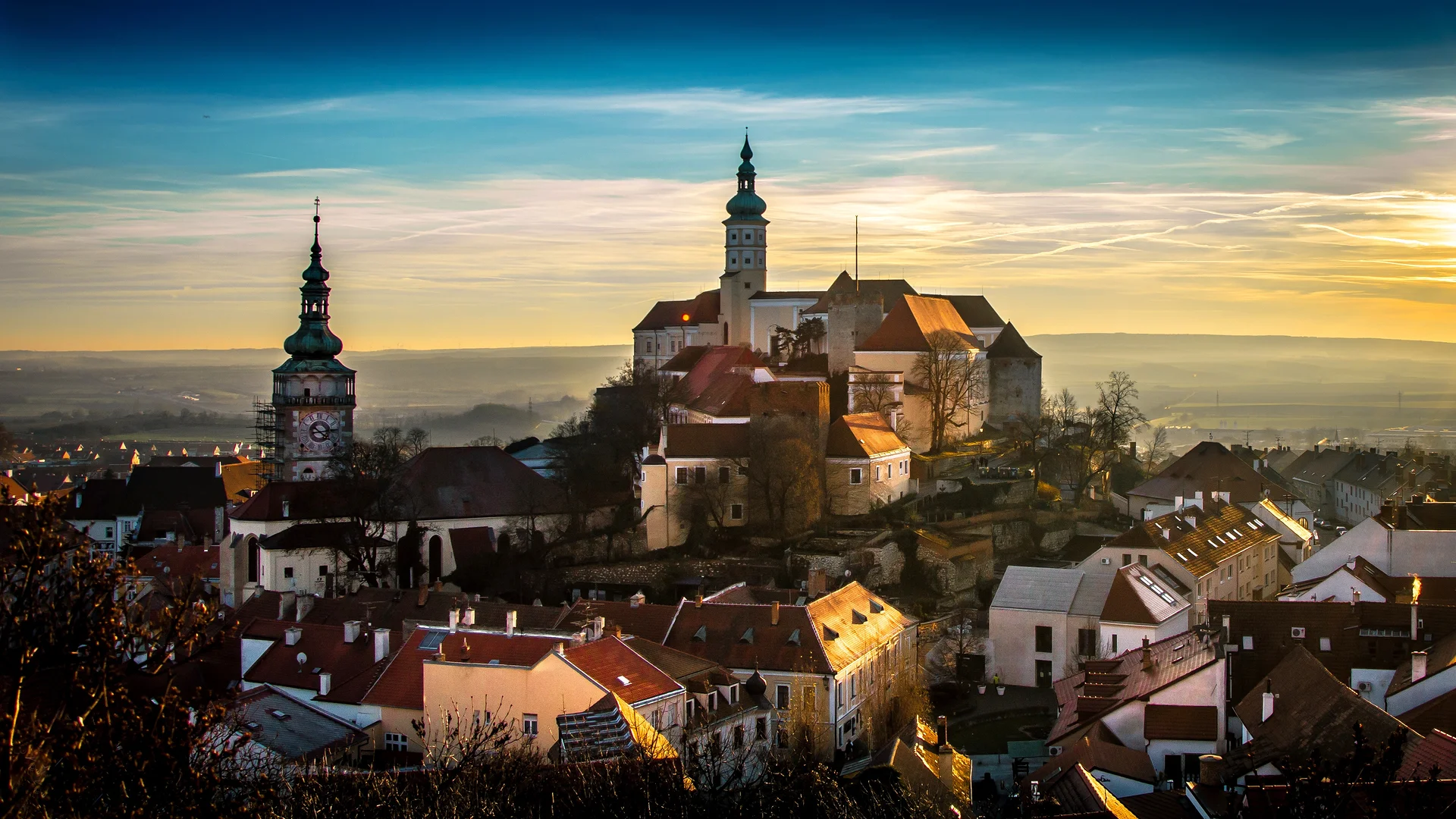
Eastern Czechia belongs to Moravia, a region that gets a fraction of the tourist traffic but offers solid hiking and cycling through rolling hills and river gorges. Podyjí National Park, running along the Austrian border, has wooded canyon trails and vineyard-dotted slopes, Moravia is actually Czech wine country, which surprises most visitors. Further north, the Krkonoše (Giant Mountains) top out above 5,200 feet and pull in skiers in winter and hikers in summer.
Spa towns and the wellness tradition
Czechia has a long tradition of spa culture that predates the modern wellness industry by centuries. Karlovy Vary is the most famous of the spa towns, built around a cluster of hot mineral springs and lined with ornate Belle Époque colonnades, the Karlovy Vary International Film Festival (held every July) adds a cultural layer if your timing works out. For something quieter, Františkovy Lázně is a smaller, more low-key alternative nearby. In Moravia, Luhačovice offers mineral-rich thermal baths in an early-20th-century architectural setting that feels like it's barely changed since it was built.
The food: hearty, meaty, and built for cold weather
Czech cooking draws from Germanic and Slavic traditions and leans heavily toward slow-cooked meat, bread dumplings, and dark beer. Svíčková is the dish to order, beef sirloin in a creamy root-vegetable sauce, served with knedlíky (soft bread dumplings that soak up the sauce). The national dish, vepřo knedlo zelo, is roast pork with sauerkraut and more dumplings. On the street food side, trdelník is a spiral pastry grilled on a spit and rolled in cinnamon sugar, you'll smell it at every market. And the beer: Czech lagers like Pilsner Urquell and Kozel are genuinely excellent, and a half-liter in a local pub typically runs 40-60 CZK (about $2-3).
When to go
Spring (April-May) and fall (September-October) are the sweet spots for Prague and the historic towns, comfortable temperatures, manageable crowds, and lower prices than peak summer. Summer is fine for hiking Moravia and Bohemia, and the Karlovy Vary Film Festival in July is worth planning around if that's your thing. Winter is genuinely atmospheric, especially during the Christmas markets in Prague and Český Krumlov (late November through December), though expect cold and shorter daylight hours.
Getting there
From the US, there are no nonstop flights to Prague from most American cities, so expect one connection through a European hub, total travel time from the East Coast runs roughly 10-12 hours. Round-trip fares typically range from about 600 to 1,200 CZK equivalent... actually, transatlantic fares vary widely: budget around $700-1,400 depending on season and departure city. Once in Europe, Prague is well-connected by train and bus from Germany, Austria, and Poland if you're combining countries.
Getting around
The Czech rail network covers the country well and is the easiest way to move between major cities. Buses fill the gaps for smaller towns, castles, and villages that trains don't reach, they're cheaper and often faster on certain routes. In Prague, the public transit system (metro, trams, and buses) is efficient and easy to navigate. A 24-hour pass runs around 120 CZK (about $5.50), which covers unlimited rides and is genuinely the best way to get around the city.