
Phnom Penh at a Glance
Phnom Penh was once known as the pearl of Southeast Asia for good reason. The French colonial administration laid out wide avenues that highlight magnificent Khmer architecture. The result is a city that is remarkably walkable while harboring true architectural treasures.
Khmer Culture at Its Peak
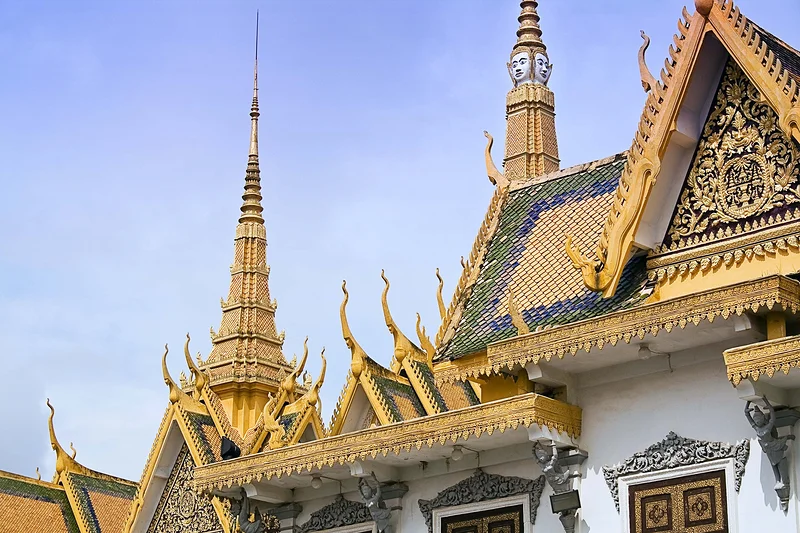
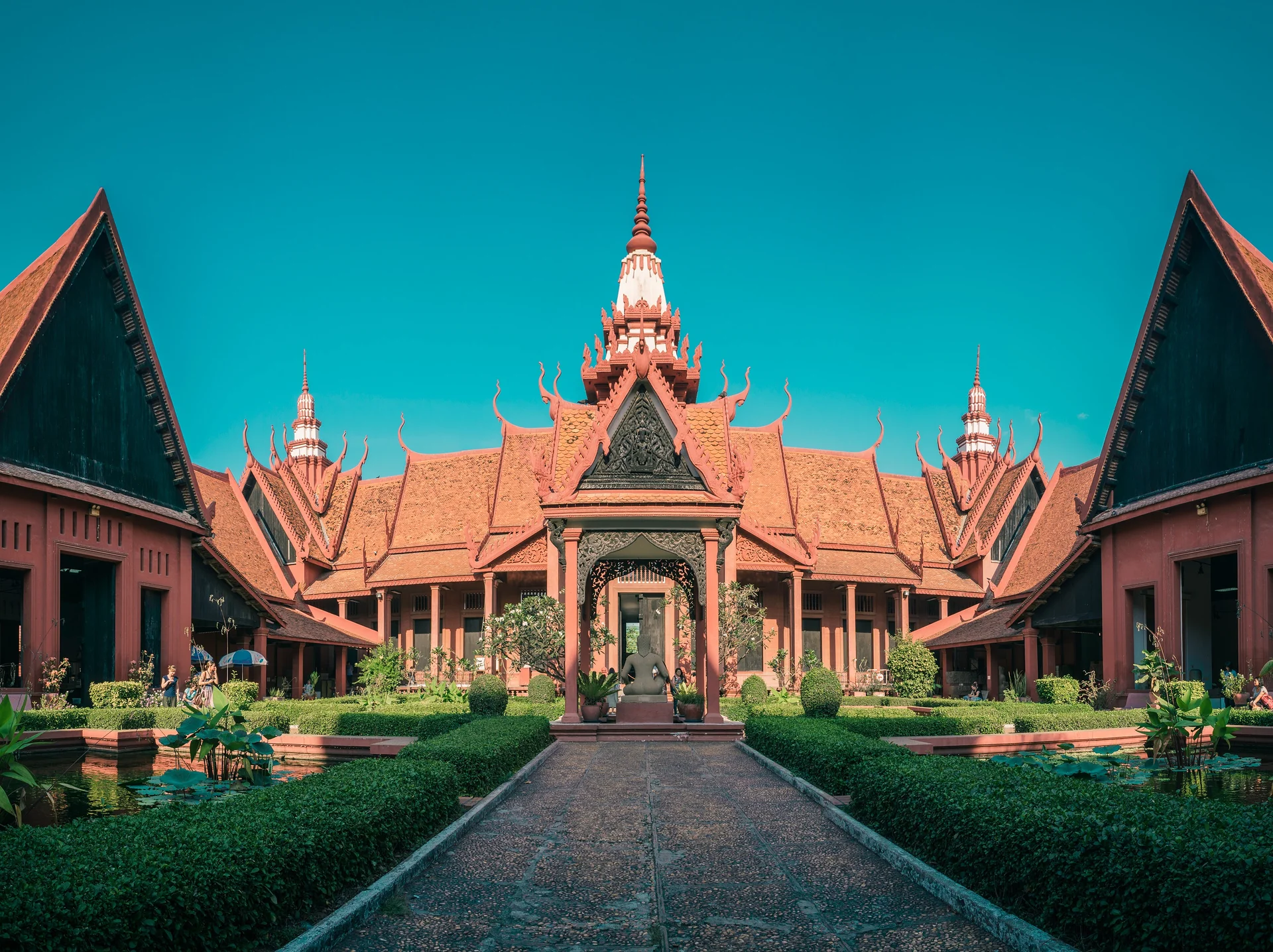
The royal palace is easily the city's signature landmark. Built in traditional Khmer style, its striking gold spires gleam down on pedestrians strolling along the waterfront. Take a look at the massive mural lining the outer wall of the Silver Pagoda, which depicts scenes from the Ramayana epic of Hindu mythology. Right next door, the national museum sits inside a handsome red terracotta building complete with a courtyard garden. It holds the finest collection of Khmer sculpture on the planet. Hiring a guide is a smart move here so you do not get overwhelmed by the sheer volume of artifacts. After the museum, stretch your legs at one of the city's bustling markets. The massive central market occupies a striking Art Deco dome, while the maze of stalls at the russian market yields plenty of unexpected souvenirs.
A Capital of Daily Life and Devotion
Phnom Penh also moves at a slower, deeply lived-in pace. Join locals for a late afternoon walk along Sisowath Quay. Right on the banks of the Tonle Sap River, the atmosphere is lively yet relaxed. The Wat Ounalom Buddhist temple stands just off the riverfront. Functioning almost like a village unto itself, it houses numerous monks who occasionally put on musical performances. Continue exploring by heading up the hill to Wat Phnom. This prominent temple sanctuary draws Cambodgiens praying for exam success or good fortune. Keep an eye out for the bold troop of resident monkeys that hang around the temple grounds.
A Place Marked by History
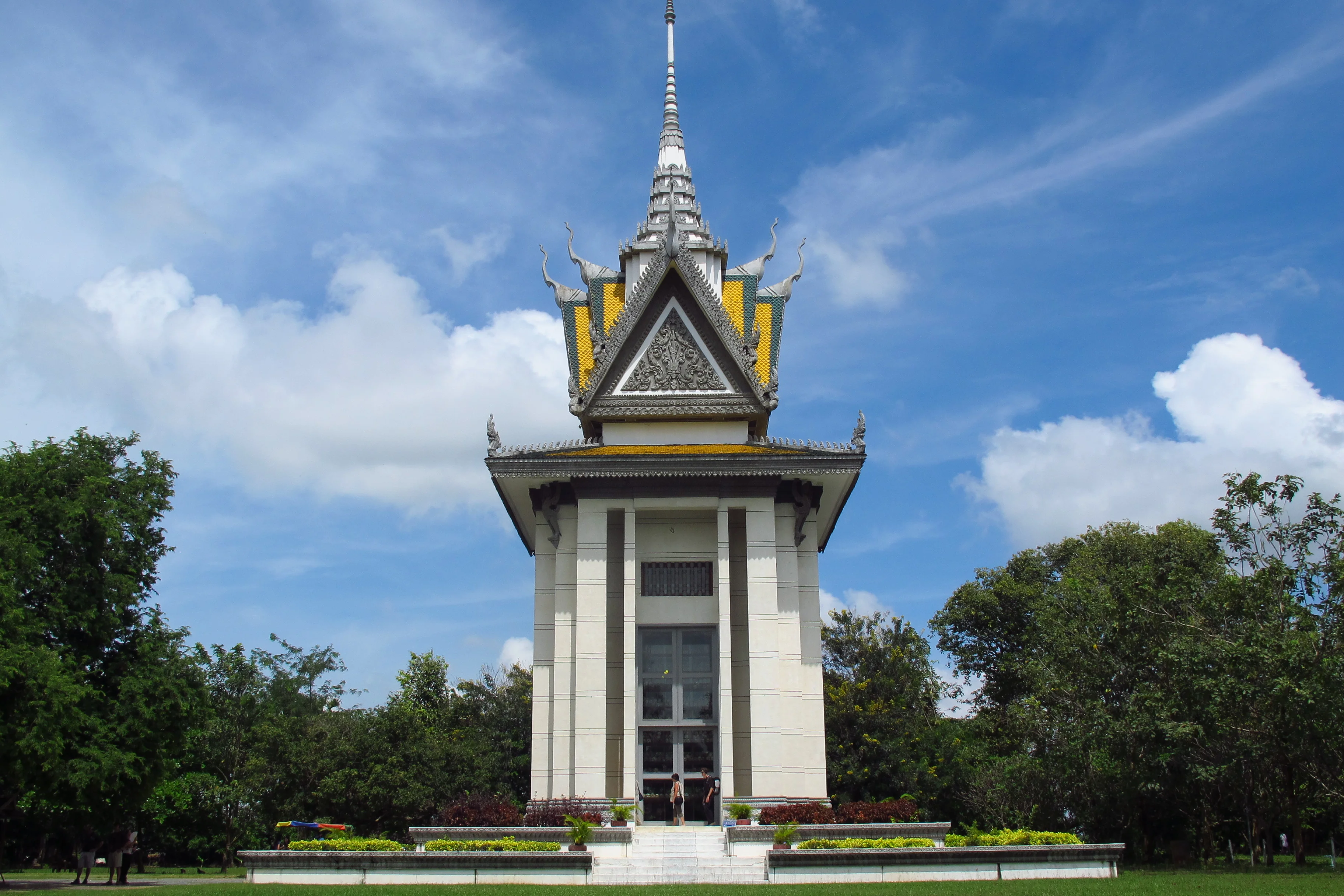
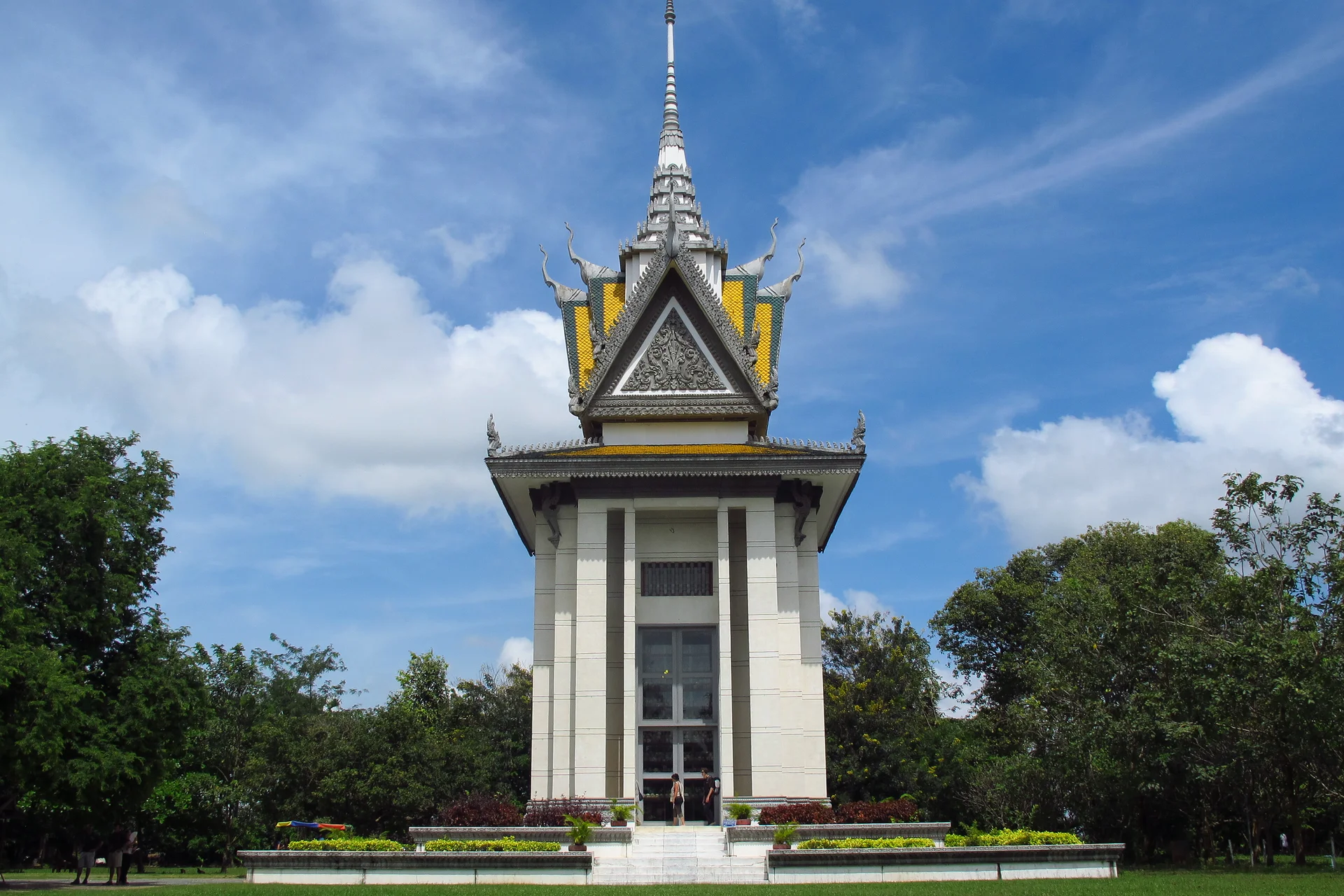
Tragically, Phnom Penh also bears the scars of a much darker era. To understand the atrocities committed under the Khmer Rouge regime, a visit to the Tuol Sleng Museum is essential. This former high school was turned into a notorious interrogation and torture center by Pol Pot between 1975 and 1979. Today, it serves as a solemn memorial dedicated to the estimated 1.5 to 2 million people who perished during those years, amounting to a quarter of the country's population. You can also visit the Choeung Ek killing fields.
When to Go
Phnom Penh stays hot and humid year-round, with temperatures consistently ranging from 25 to 35 degrees. The monsoon season runs from May through October, making the dry season from November to March the most comfortable window for a visit.
Getting There
There is no nonstop service from North America: you connect through a Gulf or East Asian hub, and the trip runs 22 to 26 hours from the East Coast. Once you arrive, get around on foot to bypass the heavy city traffic.
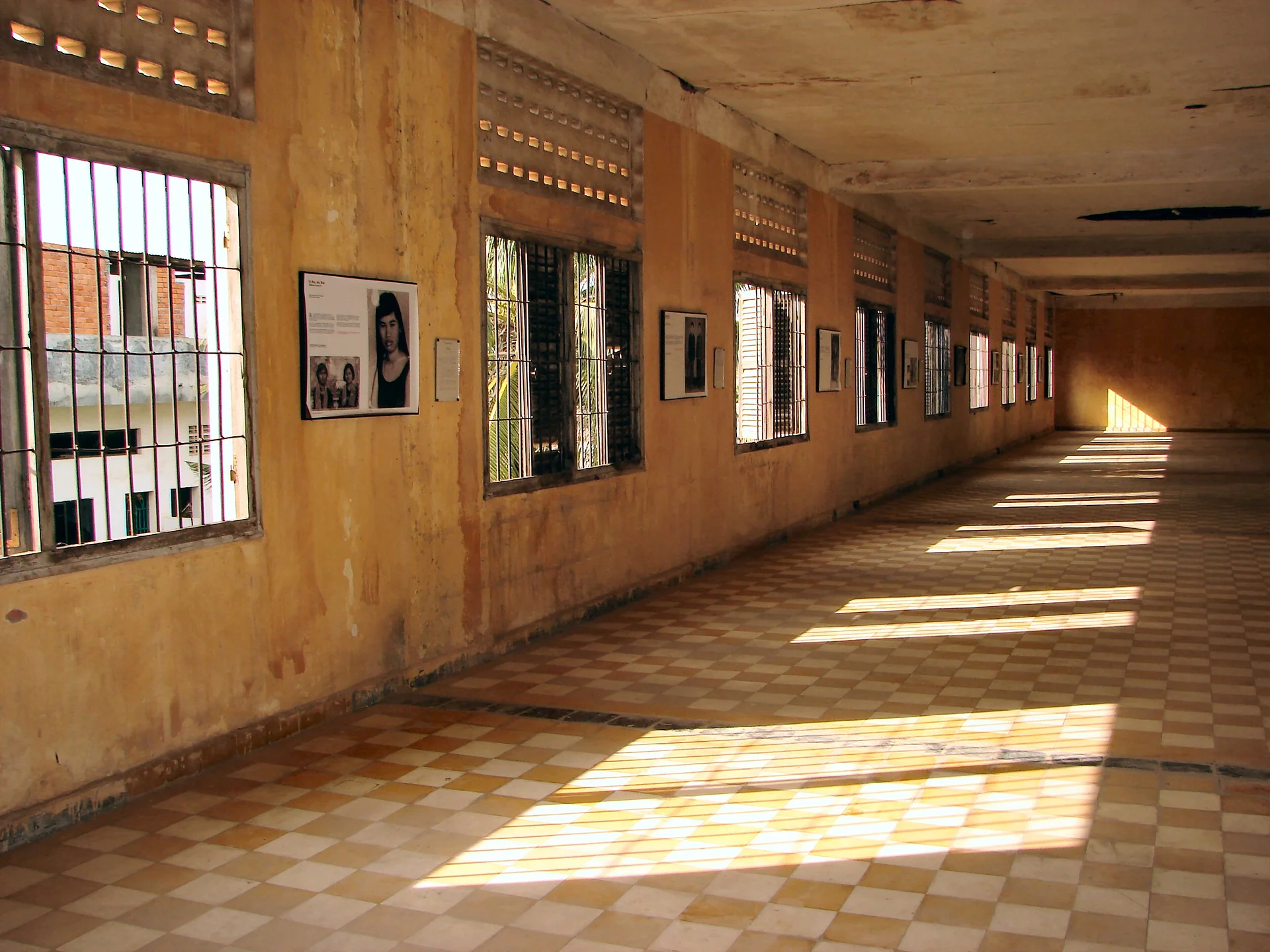
Phnom Penh is often the city you arrive in when flying into Cambodia. In my opinion, the capital itself is not exactly exceptional, but it is still worth a short visit. You can check out the Central Market, stroll along the river, or visit the security prison, which serves as a memorial to the genocide perpetrated by the Khmer Rouge.