






























Visiting Rio de Janeiro, where the ocean meets the mountains
Imagine a city where granite peaks rise straight out of the Atlantic, where the rainforest spills down to golden beaches, and where every sunset feels like a large-scale work of art. Rio de Janeiro is not just a destination. It is a geographic love at first sight that permanently shifts your perspective on what is possible.
Rio, a city that awakens all your senses
This Brazilian metropolis is for those who love sharp contrasts and raw energy. If you are looking for a place that cradles you in soft, muted comfort, look elsewhere. Rio requires an open mind. Here, beauty often sits right next to poverty, luxury dialogues with simplicity, and the momentum never truly stops.
Budget-wise, plan on at least 450 BRL per day (about $80) to enjoy the city properly, including transportation and meals. Those who enjoy intelligent leisure will find their groove here, as will fans of urban culture and untamed nature. Conversely, travelers seeking absolute silence or those who dislike constant stimulation may find themselves unsettled by the permanent symphony of car horns, music, and animated chatter.
The mythical heights of the bay
The Corcovado and its famous Christ the Redeemer statue are the mandatory pilgrimage for every visitor. This 38-meter Art Deco colossus has been overlooking the bay since 1931, and the rack railway ride through the Tijuca National Park is worth the trip on its own. Arrive early in the morning to avoid the crush and enjoy softer light over the city.
The Sugarloaf Mountain offers a different but equally striking perspective. Its 396-meter height is reached via a two-stage cable car ride, with an intermediate stop on the hill of Urca. The sunset panorama is particularly magical here, as the city lights begin to twinkle.
A local tip: Book your tickets for the Christ statue online and choose a late afternoon slot. You will avoid the cruise ship crowds and benefit from optimal lighting for your photos.
The Carioca lifestyle between Copacabana and Ipanema
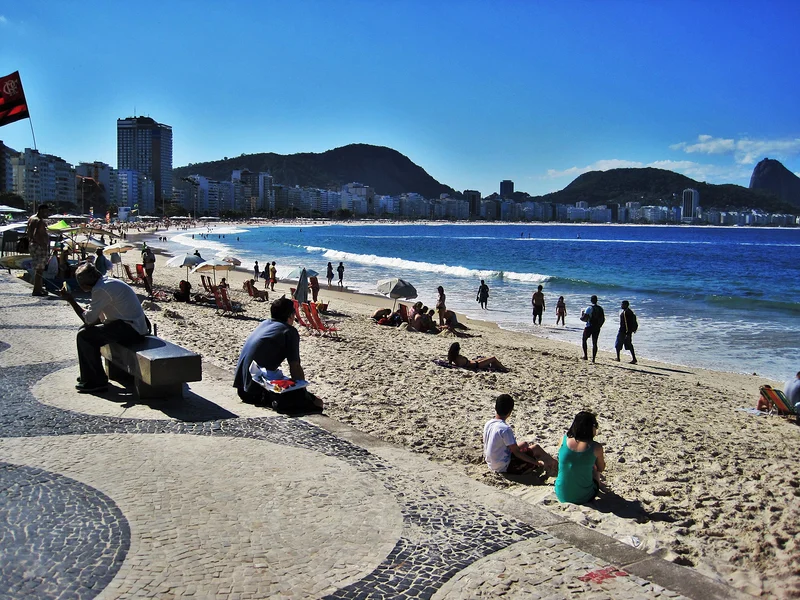
These two legendary beaches are more than postcards. They are the true open-air living rooms of Rio. Copacabana pulses to the rhythm of its 4 kilometers of fine sand, punctuated by its famous numbered lifeguard stations that serve as meeting points. The vibe is popular and electric, filled with impromptu beach volleyball matches and vendors selling ice-cold caipirinhas.
Ipanema cultivates a more refined elegance. This is where Rio's beautiful people come to perfect their tan, specifically near Posto 9, a temple for the local jet-set. The famous song was not lying. The girls of Ipanema really do have something special.
A local tip: Rent a chair and umbrella directly on the beach instead of bringing your own. It is cheaper than you might expect, you support the local economy, and you avoid hauling equipment around.
Santa Teresa and Lapa, the bohemian soul of Rio
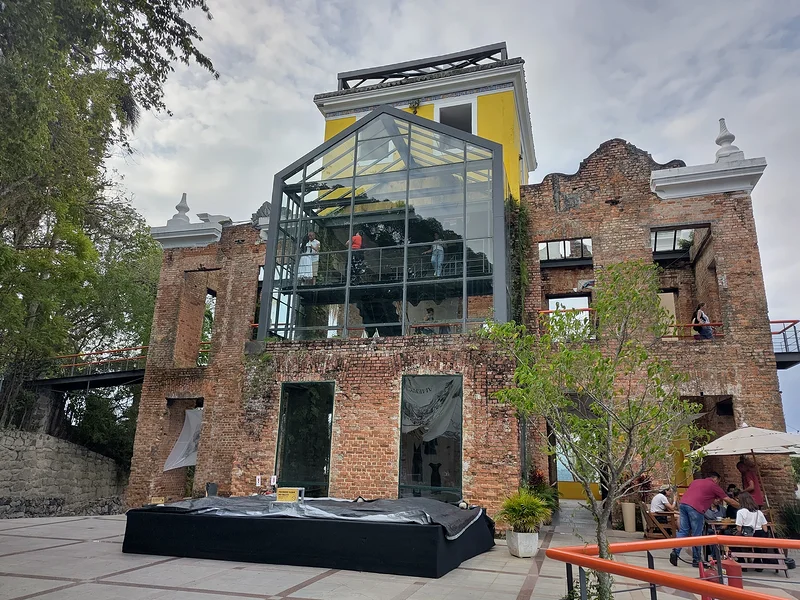
Perched on the hills, Santa Teresa charms visitors with its cobblestone alleys lined with colorful colonial mansions. For decades, this neighborhood has attracted artists and intellectuals drawn to its relaxed atmosphere and studios tucked away in old fazendas. Art galleries sit alongside fusion restaurants, creating a striking blend of tradition and modernity.
Lapa takes over when night falls. Its iconic arches, the remains of an old aqueduct, now frame the city's most frenetic nightlife. Samba bars line up under the arcades, and the Escadaria Selarón, the staircase covered in multicolored tiles, becomes the perfect backdrop for a night that never seems to end.
A local tip: Explore Santa Teresa in the late afternoon, then walk down to Lapa via the Escadaria Selarón to naturally transition from day to night in these two complementary neighborhoods.
Where to eat and drink in Rio?
Carioca gastronomy blends African, Portuguese, and indigenous influences with expert skill. Do not leave Rio without tasting a feijoada completa, the stew of black beans and smoked meats that serves as the national dish, traditionally served on Wednesdays and Saturdays. Pastéis de camarão (shrimp fritters) are best enjoyed beachside, accompanied by a freshly cut água de coco (coconut water).
In terms of drinks, the caipirinha reigns supreme, but treat yourself to a cerveja gelada, the ultra-chilled beer that Cariocas drink at all hours. Local markets are overflowing with exotic fruits. Açaí, cupuaçu, or caju will introduce you to flavors you have likely never encountered before.
Where to stay in Rio and its surroundings?
Ipanema and Copacabana have the most varied hotel selection, ranging from hostels to oceanfront palaces. For more authenticity, Santa Teresa offers charming pousadas in restored colonial houses with panoramic views of the bay. The Flamengo neighborhood is a good compromise. It is more affordable than the beach zones while remaining perfectly connected to the rest of the city by metro.
Travelers seeking quiet might opt for Barra da Tijuca, a modern neighborhood with less crowded beaches, though it is further from the historic center. Book several months in advance if you plan to visit Rio during Carnival, as prices can triple during that time.
How to get to and around Rio?
Galeão International Airport receives direct flights from major hubs (roughly 11 hours of flight time from Europe). Expect to pay between 4,500 and 6,800 BRL ($800-$1,200) depending on the season. From the airport, prioritize official taxis or the Uber app to reach your accommodation safely.
Within Rio, the metro efficiently serves the main tourist areas, supplemented by a dense bus network that can sometimes be difficult to decipher for the uninitiated. For short distances, walking remains the most enjoyable way to discover the city, especially along the waterfront where a well-maintained bike path invites leisurely strolls.
When to go?
The period from December to February coincides with the austral summer and the pre-Carnival energy. Expect high temperatures, short but intense tropical rains, and a permanent festive atmosphere. To avoid the crowds and enjoy a more temperate climate, prefer May to September, during the Brazilian winter when temperatures hover around 77°F (25°C). Avoid July if possible, as it is the month for Brazilian school vacations and Rio overflows with families on holiday.



Ce premier commentaire est parfait, merci beaucoup. Il donne en quelques lignes des infos très importantes pour toute personne voulant visiter Rio (bon, pas tout de suite à priori étant donné la crise sanitaire mondiale). Bienvenue :)