
Coffee, that staple most of us enjoy with breakfast, after a good meal, or at any hour of the day, grows in every corner of the globe, provided the altitude and temperature are just right.
In Colombia, the coffee region (known as the Eje Cafetero) is tucked away halfway between the country's three largest cities: Bogota, Medellin, and Cali. It spans three departments and has become a must-visit destination for anyone stepping foot in the country, right up there with the Caribbean coast.

Colombia travel guides are packed with anecdotes and tips for the coffee region, but today let’s focus on a small village in the south of Quindío called Pijao, which doesn't appear in any guidebooks (I checked!).
Pijao gets its name from the Spanish colonial era, when settlers called the local inhabitants "Pinaos" because they were completely unclothed, showing off their most prized attribute ("Pinao" comes from the word "pene," or "penis"). Historically, the Pinao Indians were warriors, considered terrifying by anyone who faced them. More recently, during the 20th century, the village was in a "red zone" occupied by guerrillas. Today, following the peace agreement between the Colombian government and the FARC, the village is much more peaceful, though it has become a target for transnational corporations looking to develop mining projects, as the land is rich in gold, silver, copper, and cobalt (24 projects in total, according to the locals). The residents successfully opposed these projects through a popular referendum where "No to Mining" won by over 95%... In short, the Pijao region has always been a place people have vied for.
That said, the village breathes tranquility! You’ll find all the authenticity of the eje cafetero here, in the architecture, the food, the atmosphere, and the local agriculture, without the mass tourism or the endless souvenir shops. In fact, the villagers are actively developing a conscious form of tourism that follows a few key rules:
- Travelers passing through Pijao are encouraged to stay at least one night to connect with the locals and support the local economy. The residents aren't fond of people arriving by bus, snapping two or three photos, and leaving ten minutes later.
- Houses cannot be sold to foreigners, which helps preserve the village's authentic character and prevents the proliferation of hostels and tourist shops on every corner.
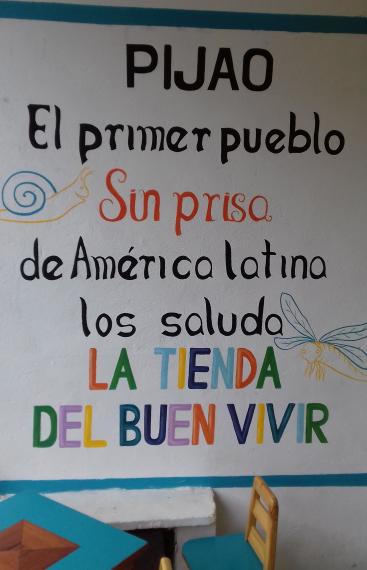
- The village was the first in Latin America to join the international CittaSlow movement, which aims to apply the concepts of eco-gastronomy to daily life. You'll be encouraged to get around by bike, eat local, avoid chemicals, and so on.
To reach the village, you’ll need to climb for about fifteen minutes from the main Calarcá - Caicedonia road (if you're planning to arrive by bus, it's best to take transport from the Armenia bus terminal; expect a forty-minute ride).
Upon arrival, head straight for the main square. There is a hostel facing the church called Plaza Hostal, run by Doña Consuelo. If she’s your first encounter in the village, don't be surprised if you fall in love with the place immediately. Consuelo can explain the history of the village, point you toward the best little local restaurants and bars, and, most importantly, give you a room with an unbeatable view of the square. From the Plaza Hostal, you’ll have a front-row seat to the evening atmosphere in the square or the market that takes place every Saturday.

A few meters from the hotel, on one of the four corners of the square, you can grab breakfast at Café Luqman, where the tables are giant chessboards, feel free to challenge a local to a game.
Consuelo can suggest several excursions, and there’s something for everyone:
- A horseback or motorcycle ride through the hills above Pijao. You can head out with a guide and a mount that suits your experience level.
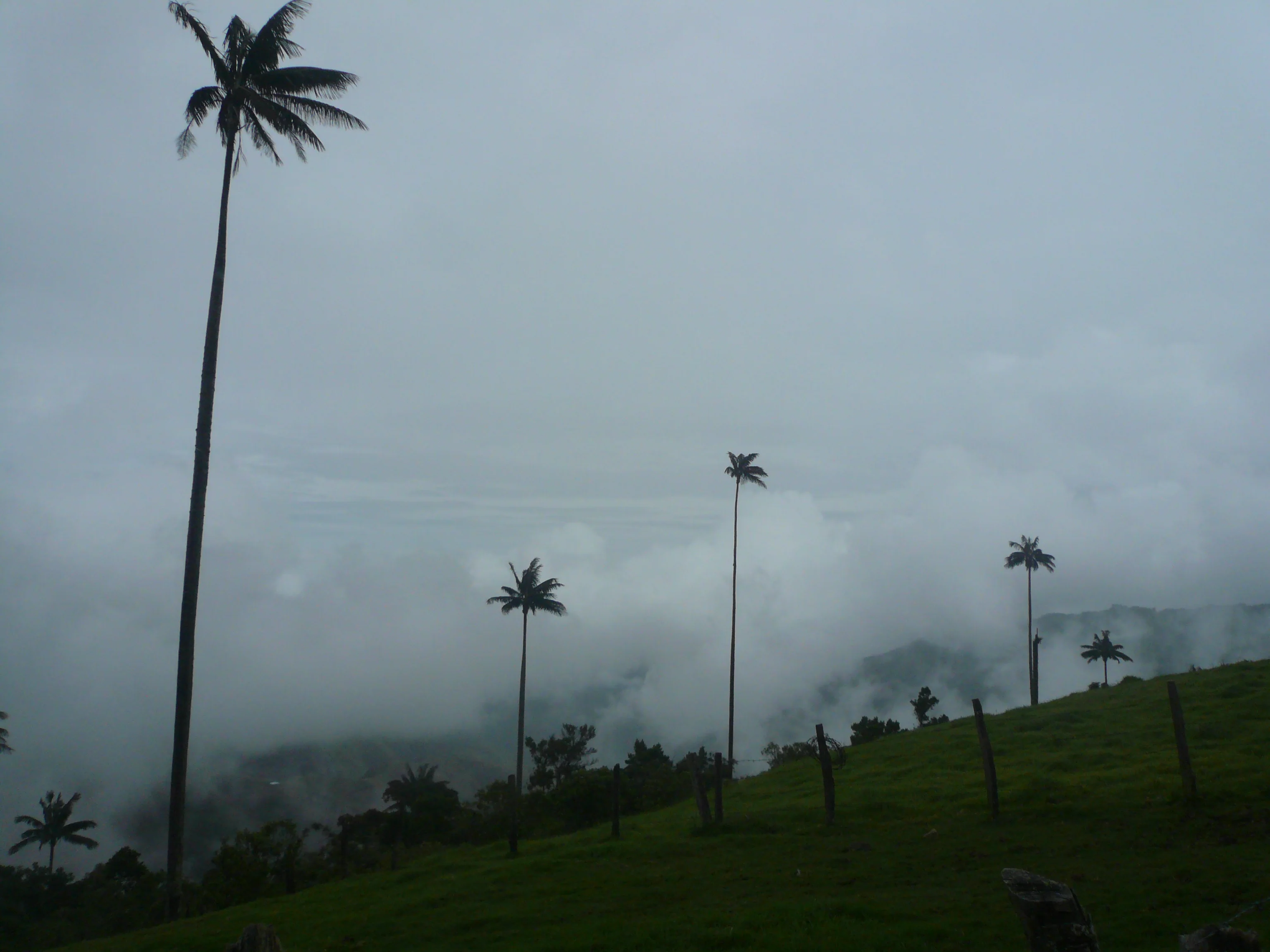
- A trip in a Willys (the classic Jeeps) to the Paramo overlooking Pijao (where you can see wax palms, similar to those found in the famous Valle de Cocora further north). Plan for 8 hours for the Jeep trip (round trip), with a driver who will share the region's little secrets.

- A visit to a coffee-producing finca to discover the coffee-making process. Check out finca La Granada, run by Don Jesus and Doña Luz Marina, where organic coffee is grown alongside bananas (Plan for a four-hour excursion, with the option to eat on-site).

It’s hard to choose, for sure, which is often why people decide to stay in Pijao for several days! The people are adorable and the architecture has been beautifully preserved. In 1999, the region suffered a terrible earthquake and half the village was destroyed. The residents of Pijao rolled up their sleeves and rebuilt the village while respecting the traditional architecture.

A few good addresses for your stay in Pijao:
Where to sleep? Hostal Plaza (Main square of the village) - Expect to pay 35,000 COP/person.
Where to eat? Around the square or along the river - Expect to pay 20,000 COP/person including a good beer.
Where to drink coffee? At Luqman Café (on the square) or directly at the producing fincas.
Where to discover typical local crafts? At the Casa de los Recuerdos (Corner of Carrera 6 / Calle 8).
Where to learn about the history of the Pinao Indians? At the Town Hall, on the village square.


Comments (0)
No comments yet. Be the first!