Visiting Colombia: Between Urban Chaos and Hidden Paradise
Picture a place where the skyscrapers of Bogotá sit blocks away from pristine beaches, and local coffee shops in colonial mountain towns serve world-class brews while newspapers still run headlines about cartel history.
Colombia challenges preconceptions and leaves a mark on anyone who visits. Behind the stereotypes lies a country of striking contrasts: breathtaking landscapes and incredible warmth from locals, alongside deep inequality and areas that remain unsafe.
Is this destination right for you?
If you are looking for the predictability of an all-inclusive resort, look elsewhere. Colombia is built for curious travelers who can roll with the punches when bus schedules slip or comfort takes a backseat. It is an ideal playground for soft adventure fans, Latin culture enthusiasts, and lovers of rugged nature.
Be aware that some regions remain off-limits, tourist infrastructure varies wildly by region, and the language barrier will test you if your Spanish is rusty.
Prepare to have your assumptions challenged. Colombia does not reveal itself overnight, but those who take the time to understand it return home changed.
Is it safe to travel in Colombia?
Colombia has made massive strides in safety over recent years, but standard street smarts remain essential. Major tourist hubs like Cartagena, Medellín, and Bogotá are generally safe as long as you steer clear of sketchy neighborhoods and stick to basic rules: keep valuables out of sight, use official taxis or rideshares, and do not wander alone late at night.
Certain rural pockets are still flagged by government travel warnings, particularly border regions and former FARC strongholds, but standard tourist routes present no unusual danger. The main threat is everyday petty theft in cities, which is easy to avoid with basic situational awareness.
Bogotá and Medellín: The Urban Pulse of Colombia
Perched at an elevation of 8,600 feet, Bogotá grabs your attention the moment you land. This metropolis of 8 million people balances modernity and tradition, swinging from the upscale towers of the Zona Rosa to hillside neighborhoods. The historic center of La Candelaria pairs colonial architecture with striking street art murals. Keep in mind that the altitude can trigger headaches during your first couple of days, and smog is a daily reality here.
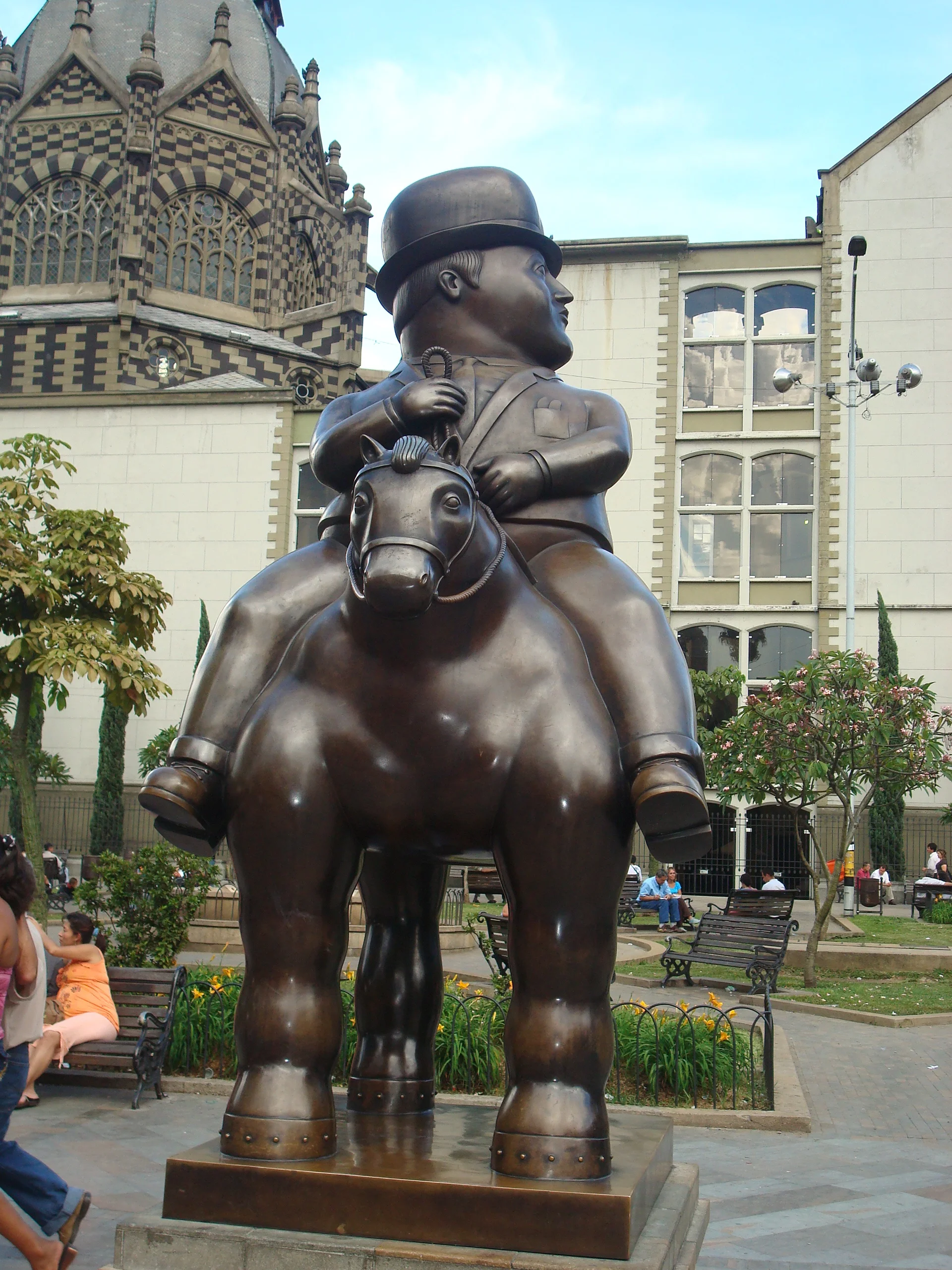
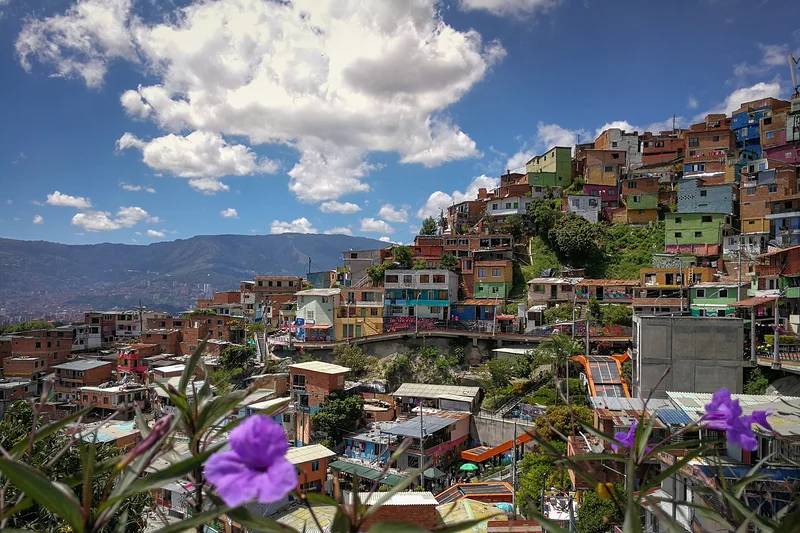
Medellín, once known as the global capital of the drug trade, has pulled off a remarkable transformation. Cable cars now connect hillside neighborhoods to the valley floor, turning public transit into a sightseeing ride with sweeping views. The El Poblado district packs in trendy dining and nightlife, while Comuna 13 tells its harrowing history through powerful outdoor murals.
Friendly tip: In Bogotá, avoid wearing expensive jewelry or flashy watches. Pickpockets are active in public transit and around crowded tourist spots.
Cartagena and the Caribbean Coast: Between Leisure and Authenticity
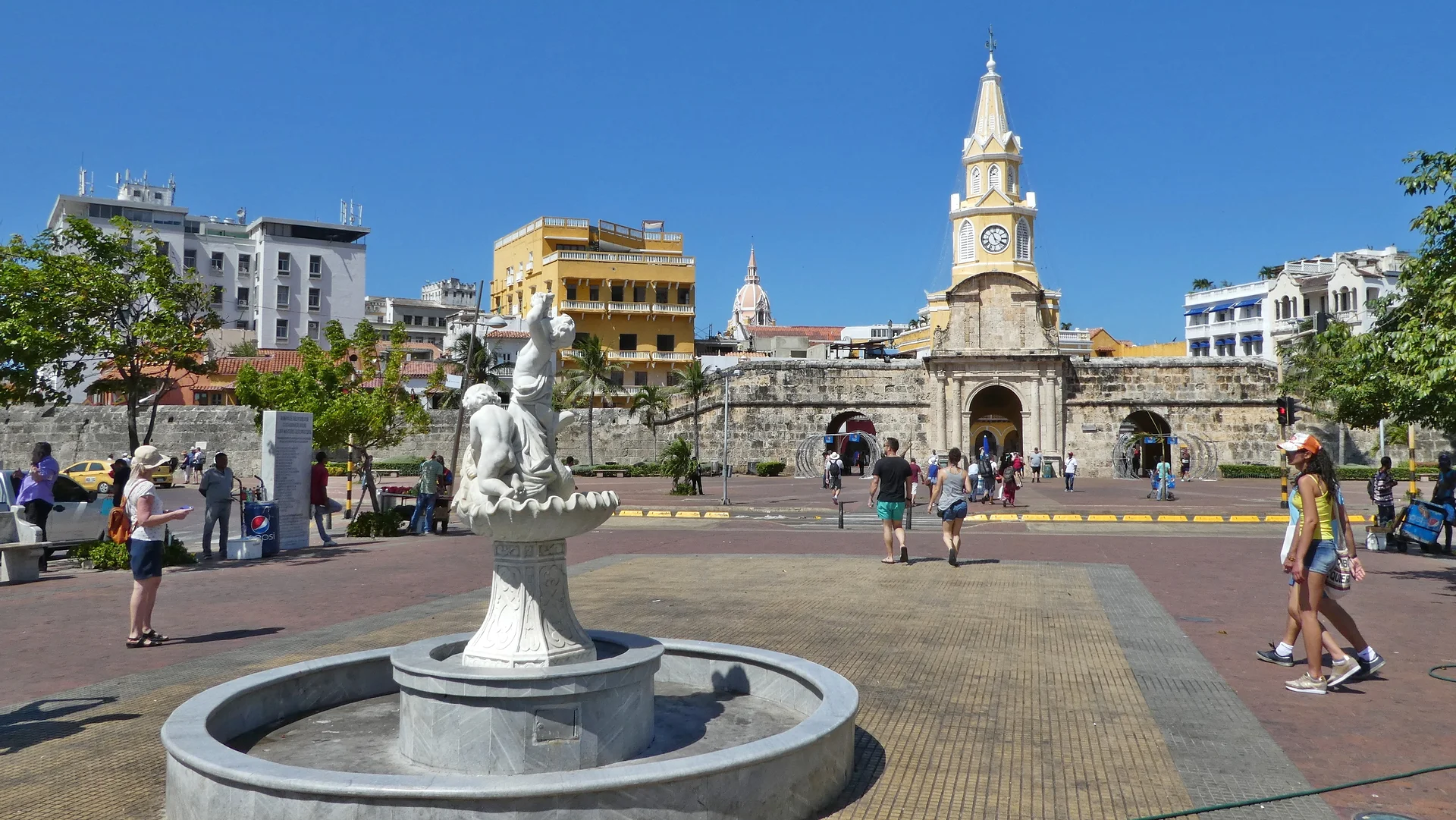
It is hard to resist the pull of Cartagena. Massive stone ramparts, flower-draped balconies, and cobblestone lanes form a postcard-ready setting. The walled old town pulses with salsa spilling out of corner bars while fruit vendors navigate the shaded plazas.
That charm comes with a price tag. Tourism has driven up costs, and certain parts of the center can feel overly manicured. For a more genuine local feel, head to the Getsemaní neighborhood, which is gentrifying fast but still holds onto its working-class roots.
Farther north, Santa Marta acts as the gateway to Tayrona National Park, a coastal sanctuary where thick jungle meets turquoise water. The beaches at Cabo San Juan and La Piscina rank among the best in South America, though getting there requires a sweaty hike through humid trails.
Rosario Islands: Paradise or Tourist Trap?
These coral islets off the coast of Cartagena promise crystal-clear water and white sand. The reality on the ground is more mixed, featuring crowded day boats, steep markups, and heavy ecological strain. Opt for a small-group tour or check out Isla Barú instead for a slightly quieter vibe.
The Coffee Triangle: Inside Colombia's Green Gold
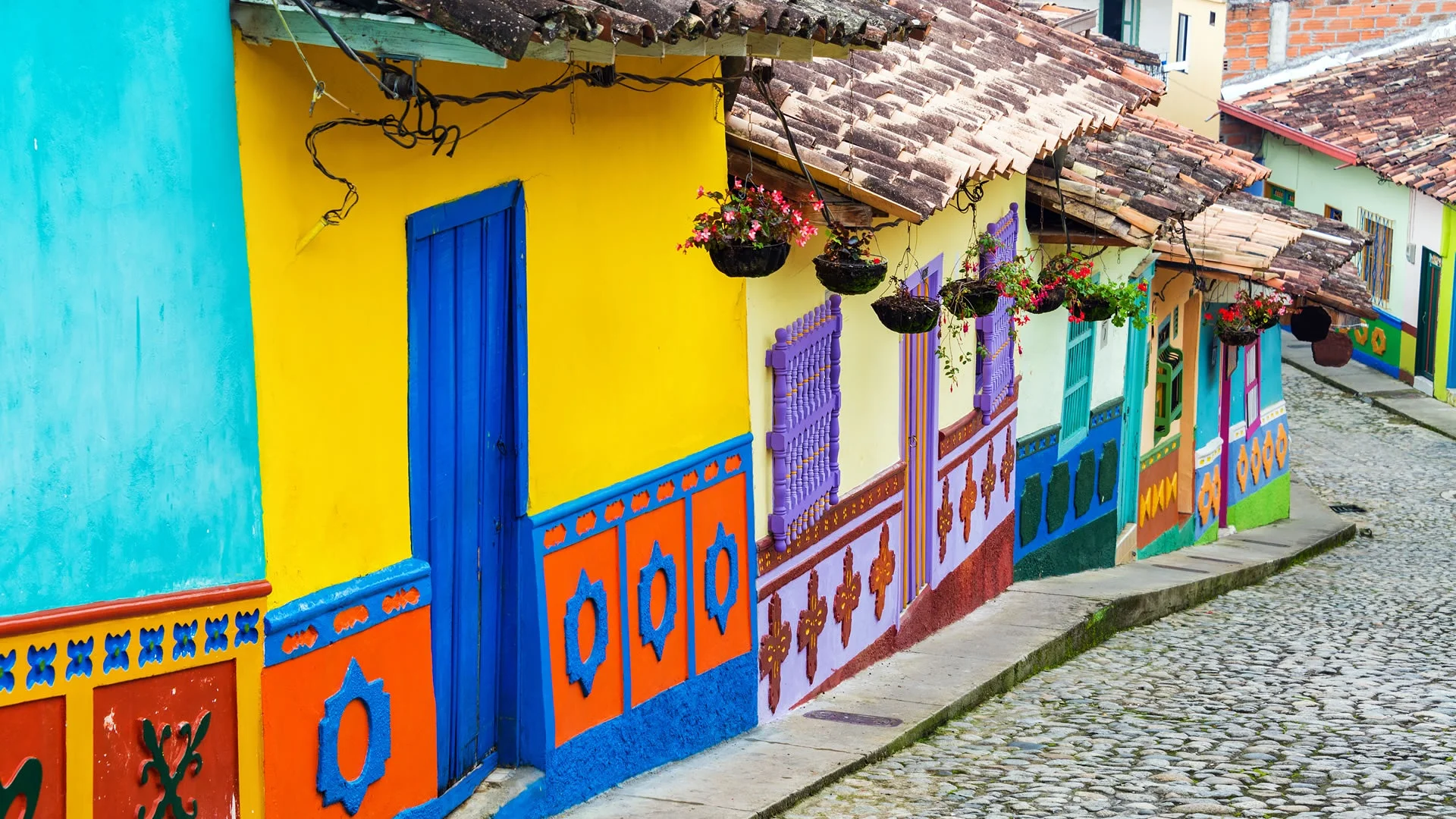
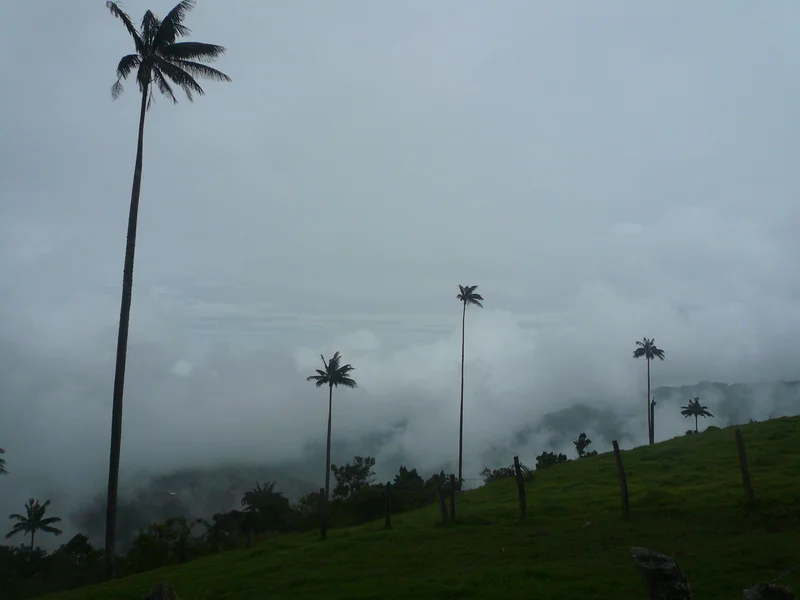
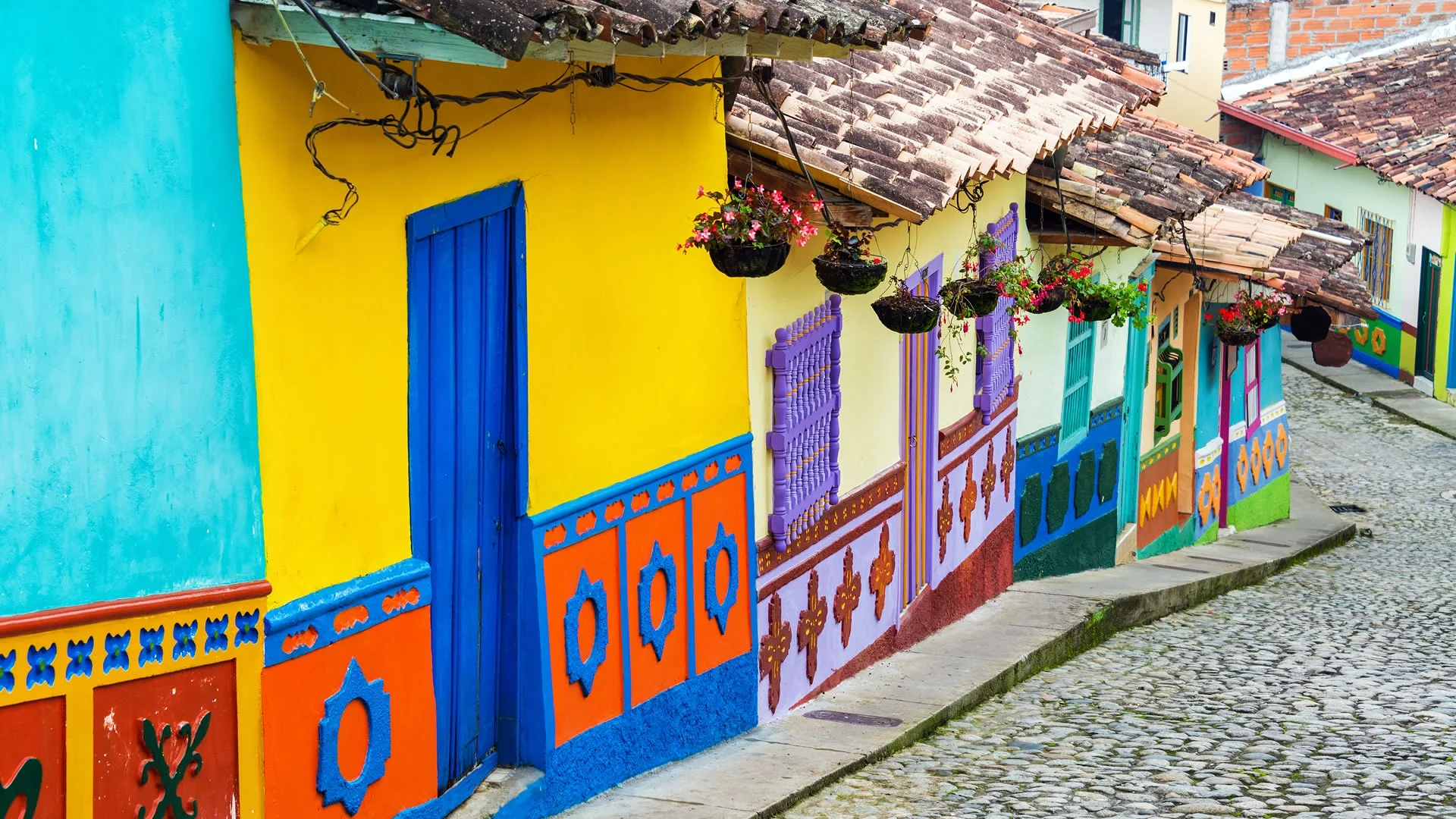
The green mountain slopes of central Colombia hold the country's legendary coffee region, a holy land for java lovers. Salento, a small town lined with brightly painted wooden houses, makes an ideal base camp for touring nearby plantations. The Cocora Valley features towering wax palms shooting up to 200 feet high across a surreal high-altitude pasture.
Armenia and Pereira offer deep dives into traditional working fincas where growers share their roasting techniques. Skip the cookie-cutter group tours and look for small family-run farms if you want an authentic look at production.
Friendly tip: Book your lodging in Salento well ahead of time, especially during peak travel periods. This small town fills up fast, and room rates shoot up.
Nature Adventures: From Deserts to Andean Peaks
The Guajira peninsula in the far north disorients visitors with lunar landscapes and traditional Wayuu culture. Cabo de la Vela and Punta Gallinas, the northernmost point of South America, deliver unforgettable sunsets over wind-swept ochre dunes. Getting there is tough going, requiring rough dirt roads, brutal heat, and basic accommodations.
On the flip side, the snowy peaks of the Sierra Nevada de Santa Marta climb past 18,000 feet, sheltering pre-Columbian sites like the mysterious Ciudad Perdida (Lost City). This 4 to 6 day trek through dense rainforest rewards experienced hikers with ancient stone terraces and encounters with the indigenous Kogi community.
Easier to reach, the Tatacoa Desert surprises travelers with eroded rock formations and remarkably clear night skies. The astronomical observatory in Villavieja runs incredible stargazing sessions after dark.
Colombian Cuisine: A Tropical Flavor Explosion
Colombian cooking goes way beyond the standard arepa. Every region boasts distinct specialties, like ajiaco bogotano, a thick soup made with three types of potatoes that warms up chilly nights in the capital. Along the coast, sancocho combines fish, root vegetables, and plantain in a cilantro-infused broth.
Tropical fruits steal the show with incredible variety. Lulo, guanábana, and maracuyá are served fresh or blended into juice on nearly every street corner. And the coffee, naturally, hits a level of quality rarely matched anywhere else.
For street snacks, fried empanadas vary by region, while patacones (flattened, twice-fried green plantains) accompany almost every meal. Use common sense with tap water and raw vegetables at casual street stands to keep your stomach happy.
When to Visit Colombia?
Straddling the equator, Colombia does not experience traditional four-season changes, instead splitting into alternating dry and wet periods. The dry season runs from December to March and July to August, bringing the best weather for outdoor excursions. Temperatures depend heavily on elevation: hot and humid on the coasts, spring-like in the high valleys, and cold up in the peaks.
Avoid April-May and October-November if you can, as these months see the heaviest rains. That said, the country's varied microclimates mean you can almost always find sunshine somewhere; when the Pacific coast gets hammered with rain, the Caribbean shore often stays dry.
If you plan to tackle the Ciudad Perdida trek, stick firmly to the dry months. The muddy trails during the rainy season turn a tough hike into a risky slog.
How Much Time Do You Need?
A two- to three-week trip works well to cover several key regions without rushing. For a deeper dive into rural or Amazonian zones, plan on at least a month. Slow travelers can easily spend a month or more without running out of things to do.
How to Get to Colombia
Nonstop flights reach Bogotá from Miami, New York, Houston, Atlanta, and Fort Lauderdale in roughly five to six hours. Airlines like Avianca, Copa, and United run frequent routes down to Colombia.
Bogotá serves as the primary international entry point, but Cartagena can be more practical if you want to focus entirely on the Caribbean coast. Medellín also handles a solid volume of incoming international flights.
US citizens need a passport valid for at least six months beyond arrival for stays under 90 days. No tourist visa is required.
Getting Around Colombia
A network of long-distance bus companies like Copetran and Berlinas connects the entire country. Overnight routes use sleeper buses that offer decent comfort for long hauls, like the 8-hour stretch between Bogotá and Medellín or the roughly 20 hours from Bogotá to Cartagena.
Flying remains the most practical choice for covering long distances quickly. Avianca, LATAM, and budget carriers serve major cities with cheap fares if you book early. A quick hop from Bogotá to Cartagena costs between $91 and $171*.
Renting a car is best left to experienced drivers due to chaotic traffic, variable road conditions, and frequent police checkpoints. In major cities, rideshare apps like Uber make getting around straightforward and safer than flagging down random cabs on the street.