

Bogotá, an Andean Capital of Culture and Elevation
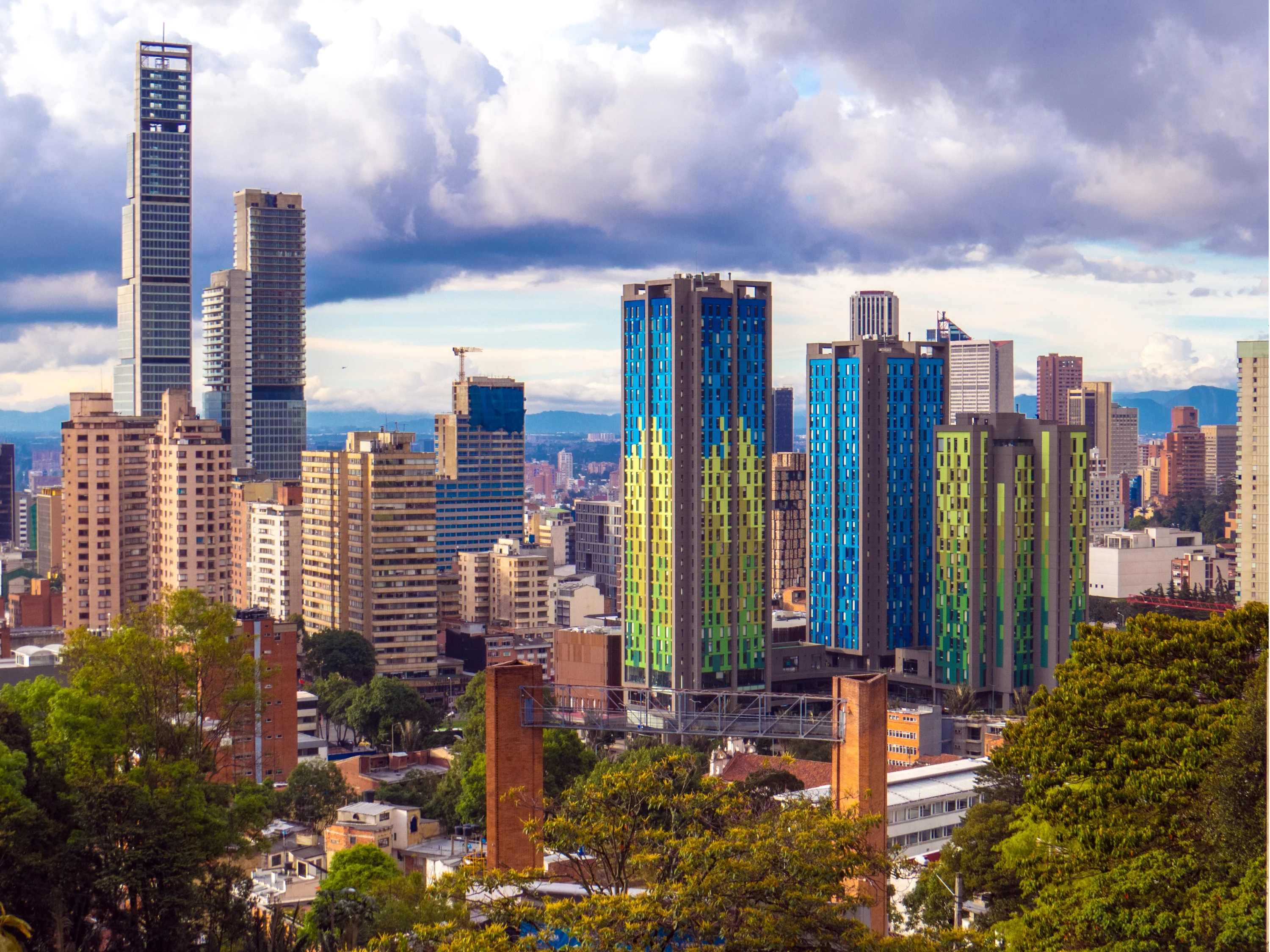
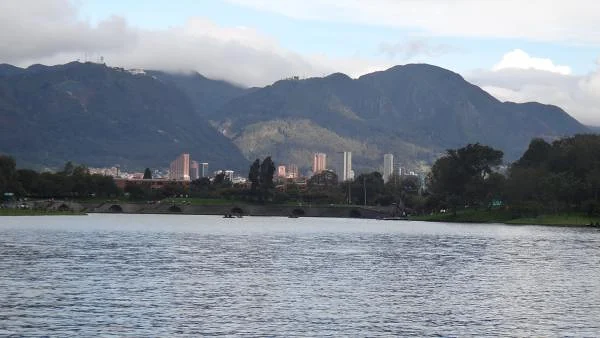
As the capital of Colombia, Bogotá is a city of distinct contrasts, blending colonial heritage, urban energy, and deep cultural roots. Sitting at 8,660 feet above sea level on a vast Andean plateau, it delivers a high-altitude climate alongside a mix of sleek modern districts and a historic old town. It takes a little time to settle in, but curious travelers find plenty of rewards here.
La Candelaria: The Historic and Cultural Core
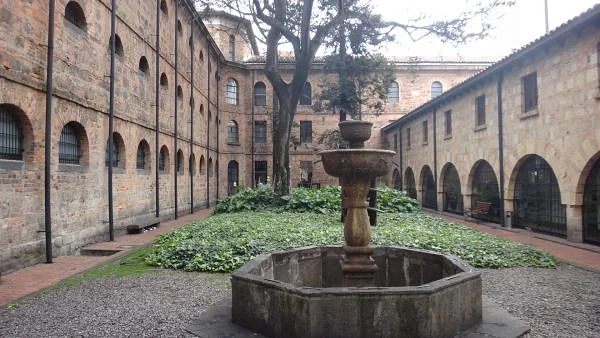
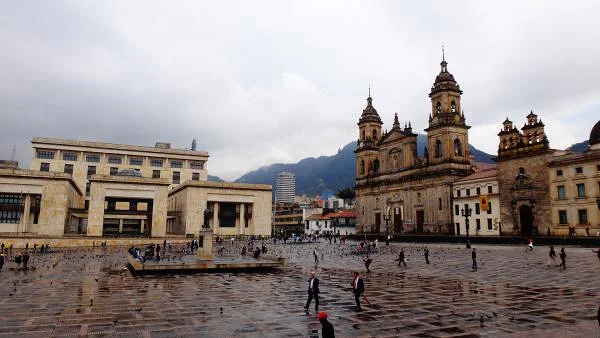
The La Candelaria neighborhood serves as the natural launchpad for exploring the city. Cobblestone alleys, colorful houses, and colonial architecture give this district an authentic atmosphere. Key landmarks line the area, including the sprawling Plaza Bolívar, the Primate Cathedral of Colombia, and the Palace of Justice. Galleries and museums cluster throughout the neighborhood, anchoring its role as a cultural hub.
The Gold Museum: A Pre-Columbian Treasure
If you only visit one museum in Bogotá, make it the Gold Museum (Museo del Oro). It houses one of the world's most extensive collections of pre-Columbian gold artifacts. The exhibits trace the history and daily life of the indigenous cultures that thrived in the region before the arrival of the Spanish. The standout piece, the famous El Dorado Raft, brings to life the legend of the golden city that lured so many conquistadors to South America.
Monserrate: Panoramic Views From Above
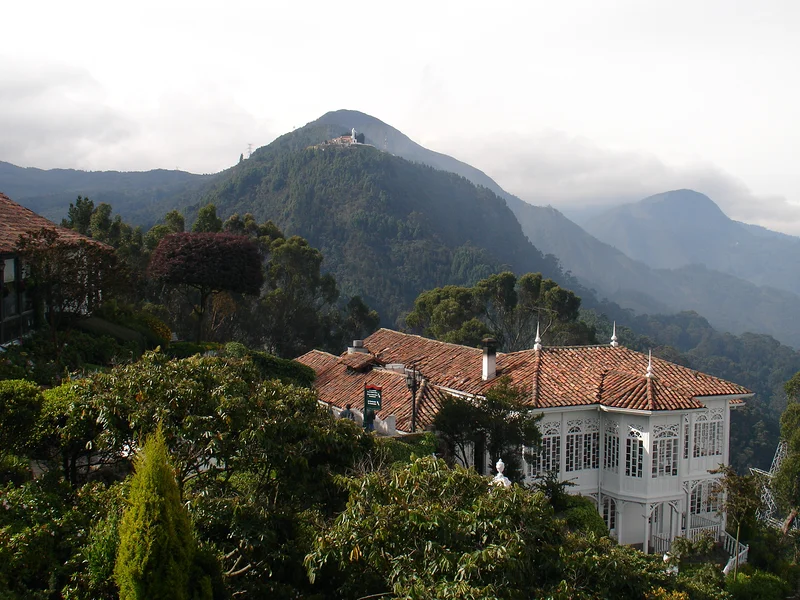
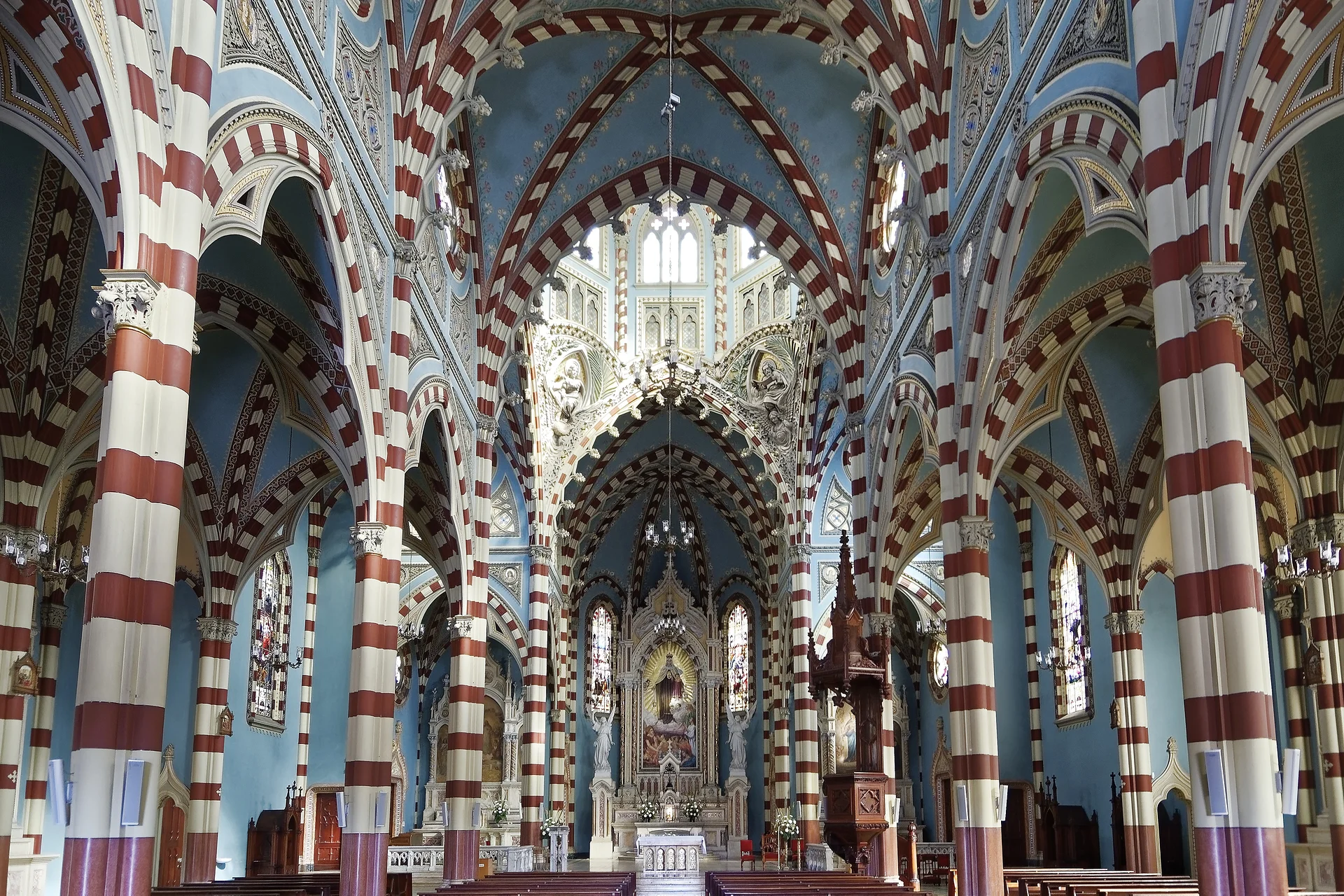
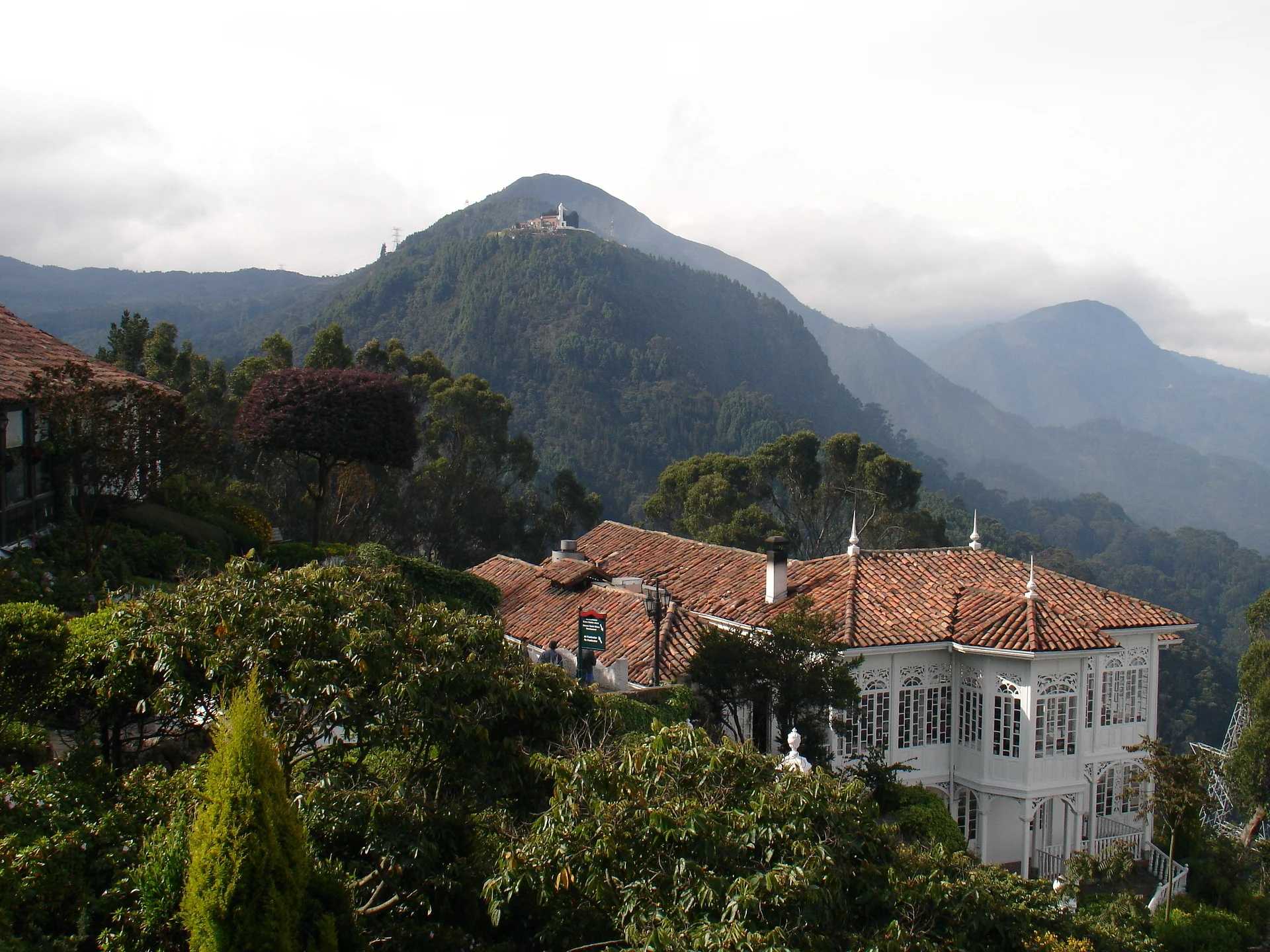
Towering over the city at nearly 10,000 feet, Monserrate provides sweeping views across Bogotá and the surrounding savanna. Visitors reach the summit on foot, via a funicular, or by cable car. A historic church sits at the top, though the main draw remains the vantage point, particularly as the sun goes down.
Modern Neighborhoods: Zona T and Chapinero
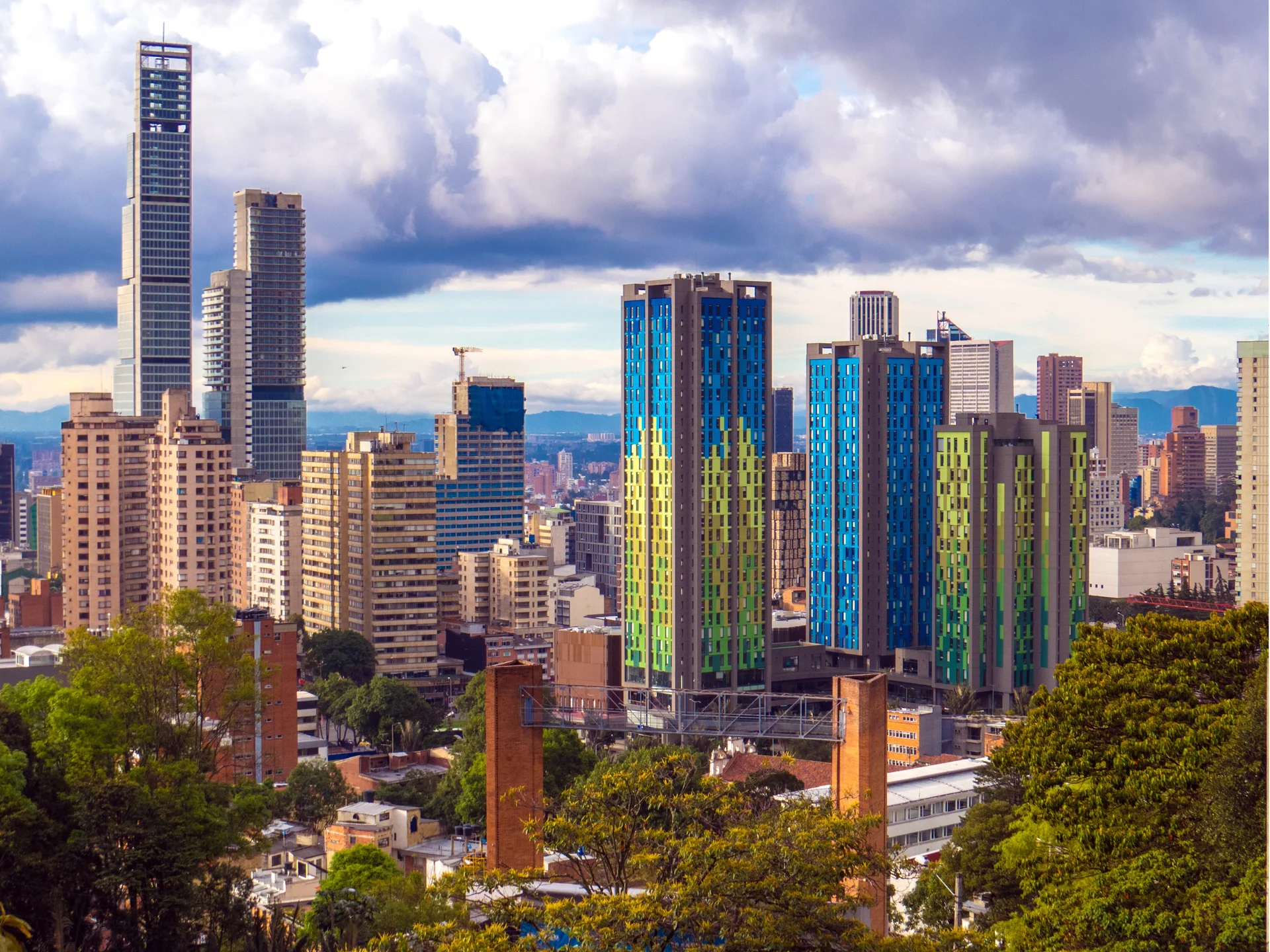
For a contemporary side of Bogotá, head north to the Zona T and Chapinero districts. These energetic zones pack in top-tier restaurants, bars, and shopping malls. Chapinero also functions as the city's alternative cultural center and the heart of the local LGBTQ+ scene. Daytime brings relaxed cafe-hopping, while nights draw crowds to the bustling nightlife venues.
Hearty and Comforting Cuisine
Traditional Andean ingredients shape the culinary identity of Bogotá. The definitive local dish is ajiaco, a thick potato soup loaded with three varieties of local potatoes, chicken, and corn, finished with heavy cream and capers. Another staple is changua, a milky egg and scallion broth traditionally eaten for breakfast.
To drink, order a chocolate santafereño, a rich hot chocolate served with a slice of fresh cheese meant to be dropped right into the mug.
Where to eat?
- Andrés Carne de Res (Chía): A sprawling, carnival-like institution known for grilled steaks, wild decor, and a festive atmosphere.
- El Cielo (Zona G): A high-end tasting menu experience that reimagines traditional Colombian ingredients with modern techniques.
- La Puerta Falsa (La Candelaria): A tiny historic spot operating since the colonial era, ideal for a traditional ajiaco or hot chocolate.
- Criterión (Zona G): A refined dining room run by local celebrity chefs, focusing on upscale French-Colombian cuisine.
Where to stay?
- Hotel de la Opera (La Candelaria): An elegant property situated right in the historic center, making it easy to walk the old town.
- Casa Legado (Chapinero): A design-forward boutique hotel offering personalized hospitality and a residential feel.
- Grand Hyatt Bogotá (Salitre): A sleek modern high-rise featuring sweeping views, a massive indoor pool, and a luxury spa.
- Chapinero hostels: The district is where digital nomads and travelers find co-working spaces and a lively community.
When to go?
Because of its equatorial elevation, Bogotá maintains a mild, spring-like climate year-round. Rain can happen any month, but the drier periods run from December to February and July to September. The calendar fills up with major cultural happenings, including the biennial Ibero-American Theater Festival and Rock al Parque, one of the largest free rock festivals in Latin America.
How to get there?
Flights land at El Dorado International Airport, the country's main aviation gateway. Travelers coming from the US can catch direct flights from hubs like Miami, Fort Lauderdale, Houston, Atlanta, New York, and Los Angeles, with flight times ranging from 3 to 6 hours depending on the departure city.
How to get around?
The city relies on the TransMilenio bus rapid transit system, which covers most major corridors, though cars and buses deal with heavy rush-hour gridlock. For greater comfort and safety after dark, rideshare apps like Uber and Cabify work reliably across the city.
Un bon ami à moi m'a dit avoir été très gêné par la pollution et la circulation omniprésente de Bogota. Nous avons été ensemble à Mexico City, et pour lui, Bogota est bien pire à ce niveau là.
Un vrai frein pour le développement du tourisme