Visiting Salento, the Colorful Epicenter of Colombia's Coffee Triangle
Have you ever caught the aroma of freshly roasted coffee beans while standing beneath towering, 60-meter wax palms? In the cobbled streets of this traditional Paisa town, every brightly painted facade stands out while coffee growers walk down from their hillside fincas to sell their exceptional harvests.
The crisp mountain air of the Andes tempers the tropical heat, creating the ideal microclimate for the plantations that put Colombian coffee on the map worldwide.
Salento: A Haven for True Nature Lovers
This mountain town of 7,000 residents caters to travelers who value authenticity over flashy luxury. If you are looking for five-star spas or air-conditioned shopping malls, keep walking. Salento suits specialty coffee enthusiasts, casual hikers, and photographers searching for striking landscapes.
Be ready for a few realities, however. Heavy tourist crowds can turn this quiet town into a busy hub, especially on weekends. Prices have climbed significantly over recent years, and quality lodgings book up weeks ahead of time during peak season. Plan for a minimum daily budget of $33 to $55* to travel comfortably.
Cocora Valley: The Andean Plant Cathedral
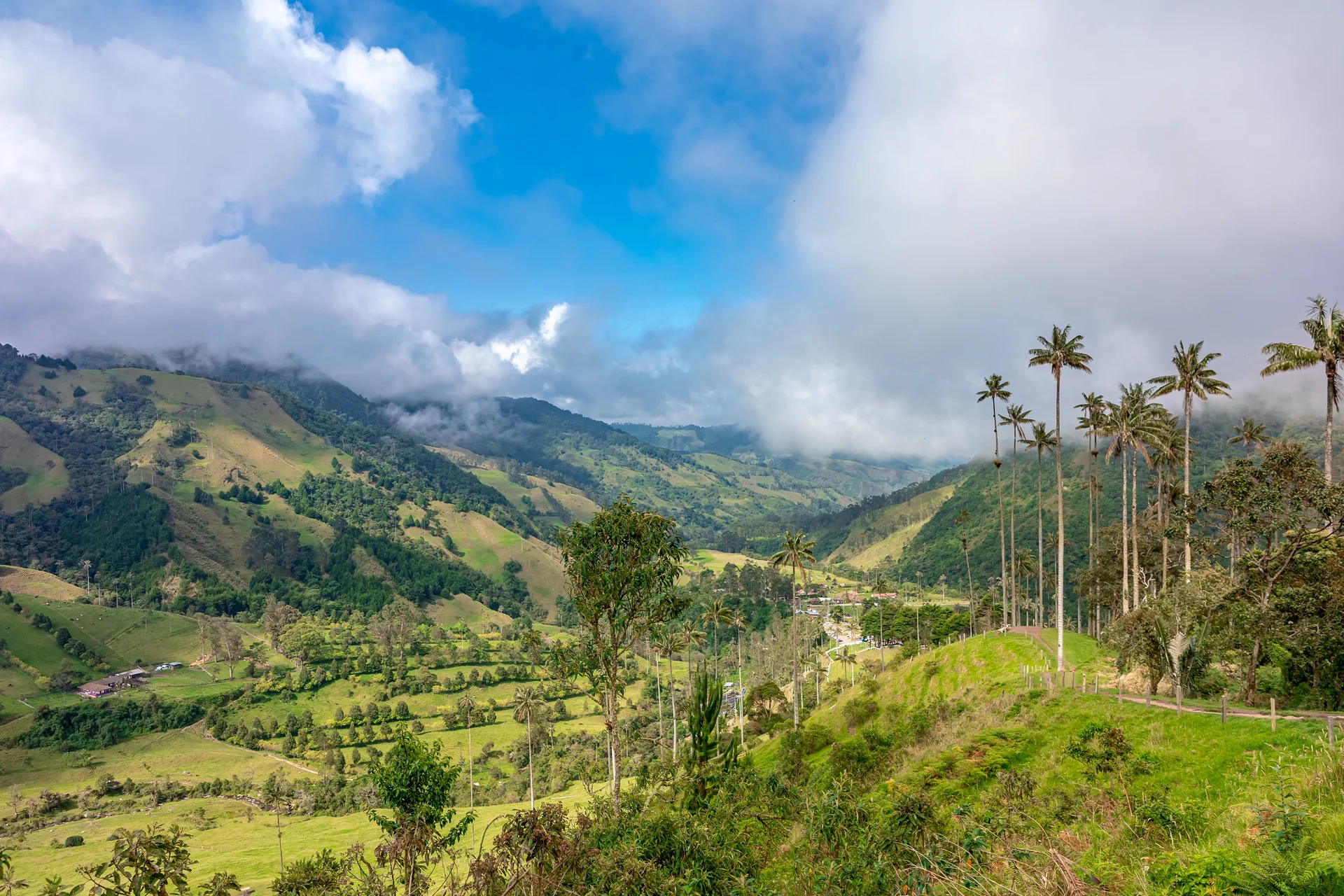
This surreal valley is home to the wax palms, Colombia's national tree, which can live for more than 200 years. These solitary giants rise above high-altitude meadows like botanical totems in a postcard-worthy setting. The hiking trail winds through several ecosystems, including humid pastureland, cloud forest, and high-altitude páramo.
The full 5-kilometre loop takes 3 to 4 hours of walking on terrain that gets muddy in spots. The most dramatic stretches appear in the first half of the hike, which remains accessible even to casual walkers. Watch out for sudden weather shifts, as bright sun and thick fog can swap places in minutes.
Friendly tip: Head out early in the morning around 7am to beat the crowds and catch the best light for photography. Clouds tend to roll over the valley by the afternoon.
Immersing Yourself in Coffee Culture
The fincas cafeteras dot the green hills surrounding the town, offering immersive looks into the cultivation of golden beans. Finca Don Elías and Finca El Ocaso run complete tours from plant to cup, explaining the details of bean selection, roasting, and tasting. These family-run operations share their craft with remarkable warmth.
The experience goes well beyond a standard tour. You will learn to pick out the fruity notes of high-altitude arabicas, spot roasting flaws, and brew coffee the traditional Paisa way. Some fincas even offer multi-day stays for travelers who want a deeper look at the daily life of coffee farmers.
Friendly tip: Book your finca tours directly in town rather than online. Prices tend to be better, and your money goes straight to the local growers.
Exploring the Colonial Town and Around
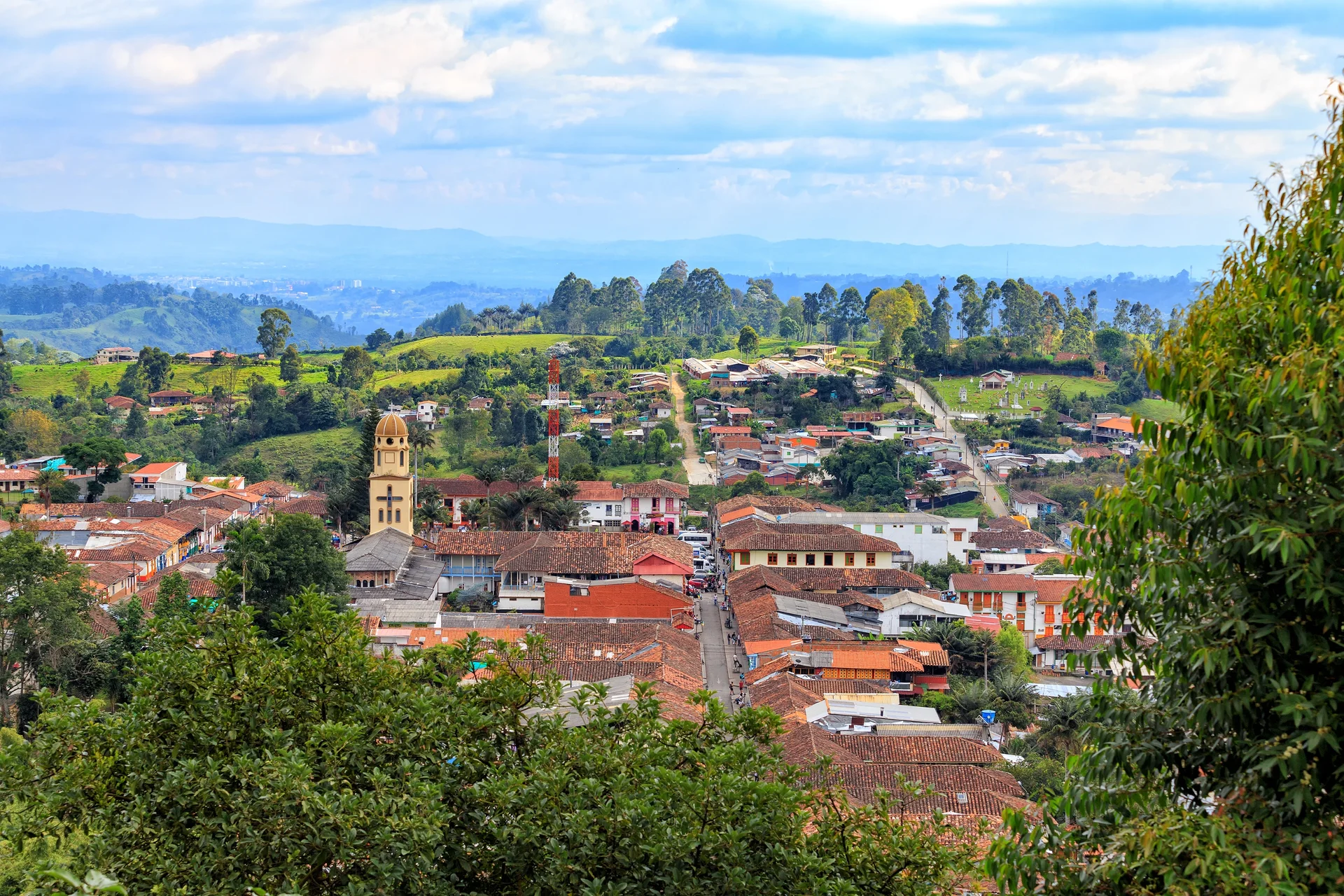
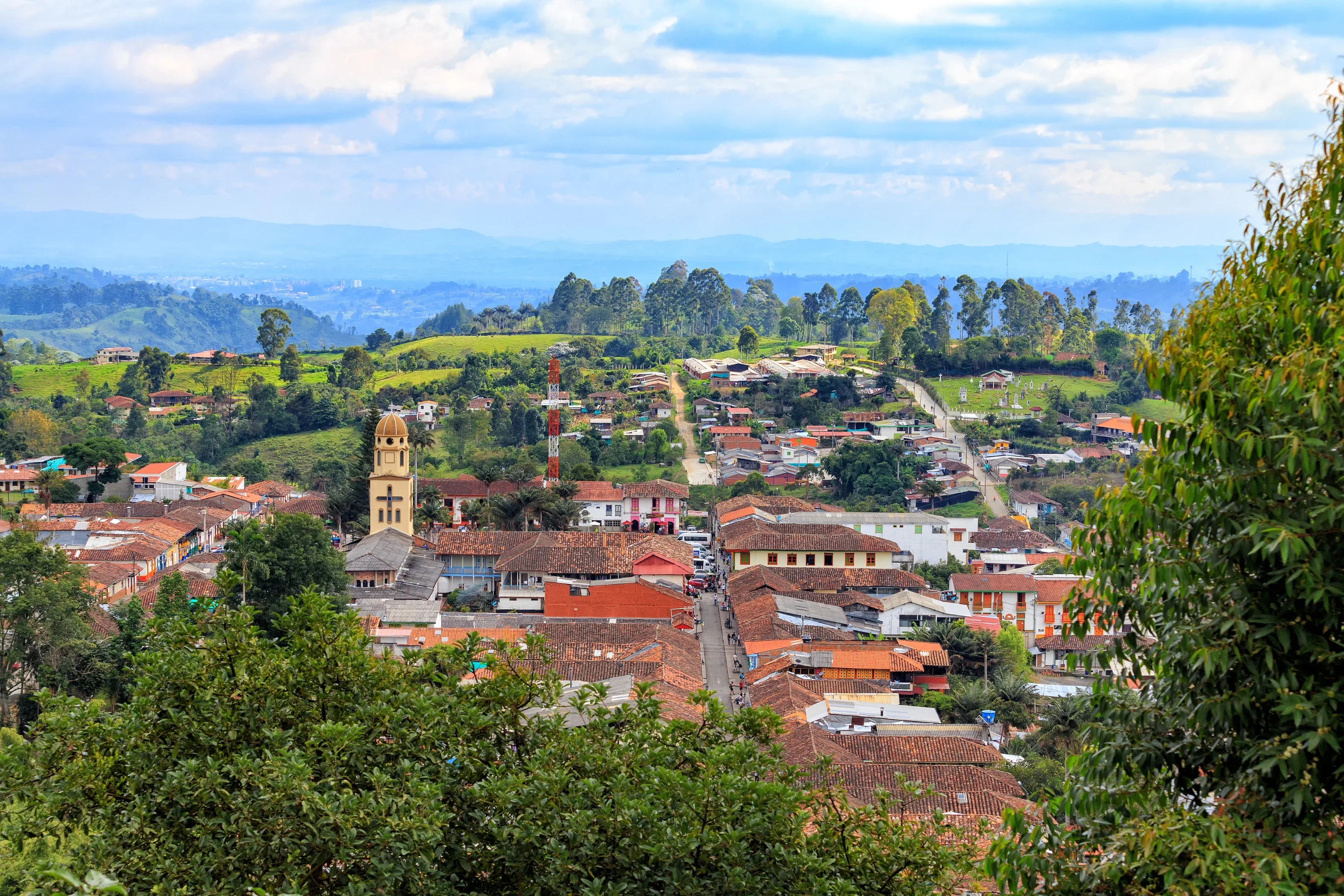
Calle Real forms the social hub of the town with its multicolored facades and flower-laden Paisa balconies. Every house seems to try outdoing its neighbors in vivid color, with vermilion red, azure blue, and canary yellow lining the street. The Our Lady of Mount Carmel Church overlooks the main square with its whitewashed bell tower.
The mirador, reached via a 200-step staircase, provides sweeping views over the valley of the río Quindío and the terraced plantations. Sunsets from this viewpoint turn the scenery into an impressionist painting of golden hues. Local artisans sell bamboo and coffee-based crafts from colorful stalls around the main square.
Excursions Nearby
The small town of Filandia, a 30-minute bus ride away, keeps an architectural style that has escaped heavy tourism. Its cobbled streets and homes with carved wooden balconies offer a look at traditional Paisa life. The mirador de Filandia opens up a 360-degree panorama across the coffee triangle.
Regional hubs Armenia and Pereira let you dive deeper into coffee history via specialized museums and agronomic research centers. These larger cities also give you more lodging and dining choices if you are watching your spending.
Where to Eat and Drink in Salento
Local cooking highlights regional ingredients in simple, flavorful dishes. Grilled trucha (trout) served with patacones (fried green plantains) and rice is a must-try classic, found in most family-run spots in the center. Arepas paisas stuffed with local fresh cheese make for an easy snack on a budget for just a few thousand pesos.
When it comes to coffee, every shop tries to pour the region's top beans. Café Jesús Martín roasts its own varieties right in front of customers, while Brunch Salento puts a modern spin on comfort food in a laid-back setting. Be sure to try café cherry, a drink made from the coffee fruit pulp that growers traditionally enjoy.
Where to Stay in Salento and the Surrounding Area
The downtown area packs most of its lodging into old colonial houses turned into family-run posadas. These spots usually feature 6 to 12 rooms, focusing on character over luxury, complete with flowered interior courtyards and hosts who know the region inside out. Expect to pay $28 to $50* for a double room with breakfast included.
For a distinct stay, pick a finca cafetera out in the surrounding hills. These rural properties let you live alongside growers while enjoying an impressive natural setting. Finca Villa Nora and Plantation House offer cozy rooms with wide views over the growing fields.
How to Get to and Around Salento
From the airport in Armenia, direct buses run to Salento in 45 minutes for 3500 pesos. The Expreso Alcalá and Taxis Verdes lines run regular departures every 30 minutes. A taxi from the airport costs around 45,000 pesos, giving you views of the coffee landscapes along the drive.
The town itself is compact enough to explore entirely on foot within 15 minutes. To reach the Cocora Valley, colorful open-air jeeps leave every hour from the main square (4000 pesos round trip). These vintage vehicles are an attraction in their own right, thanks to their bright paint jobs and lively driving style on the mountain tracks.
When to Go?
The dry seasons from December to March and July to August bring the best conditions for hiking through the Cocora Valley and touring the farms. Avoid October and November, which are the wettest months when trails turn slick and muddy. The coffee harvest season running from October to January lets you watch traditional picking firsthand, though it unfortunately overlaps with the rainy months.