
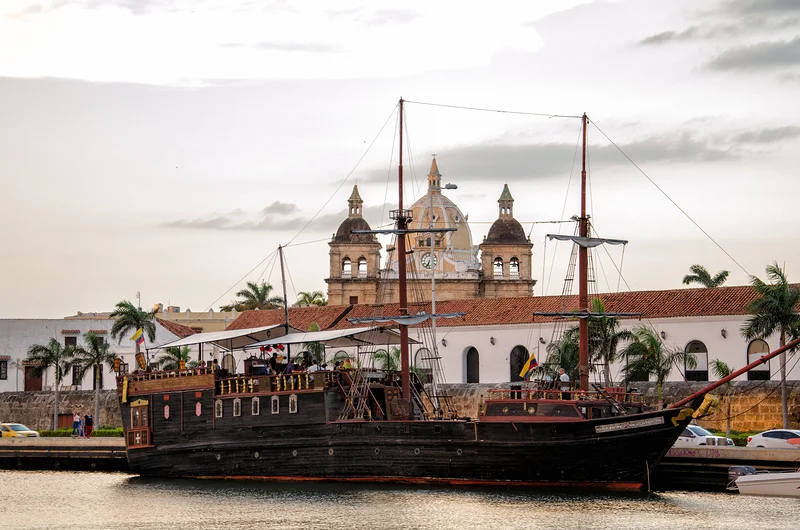
Visiting Cartagena: Colonial Charm and Caribbean Breezes
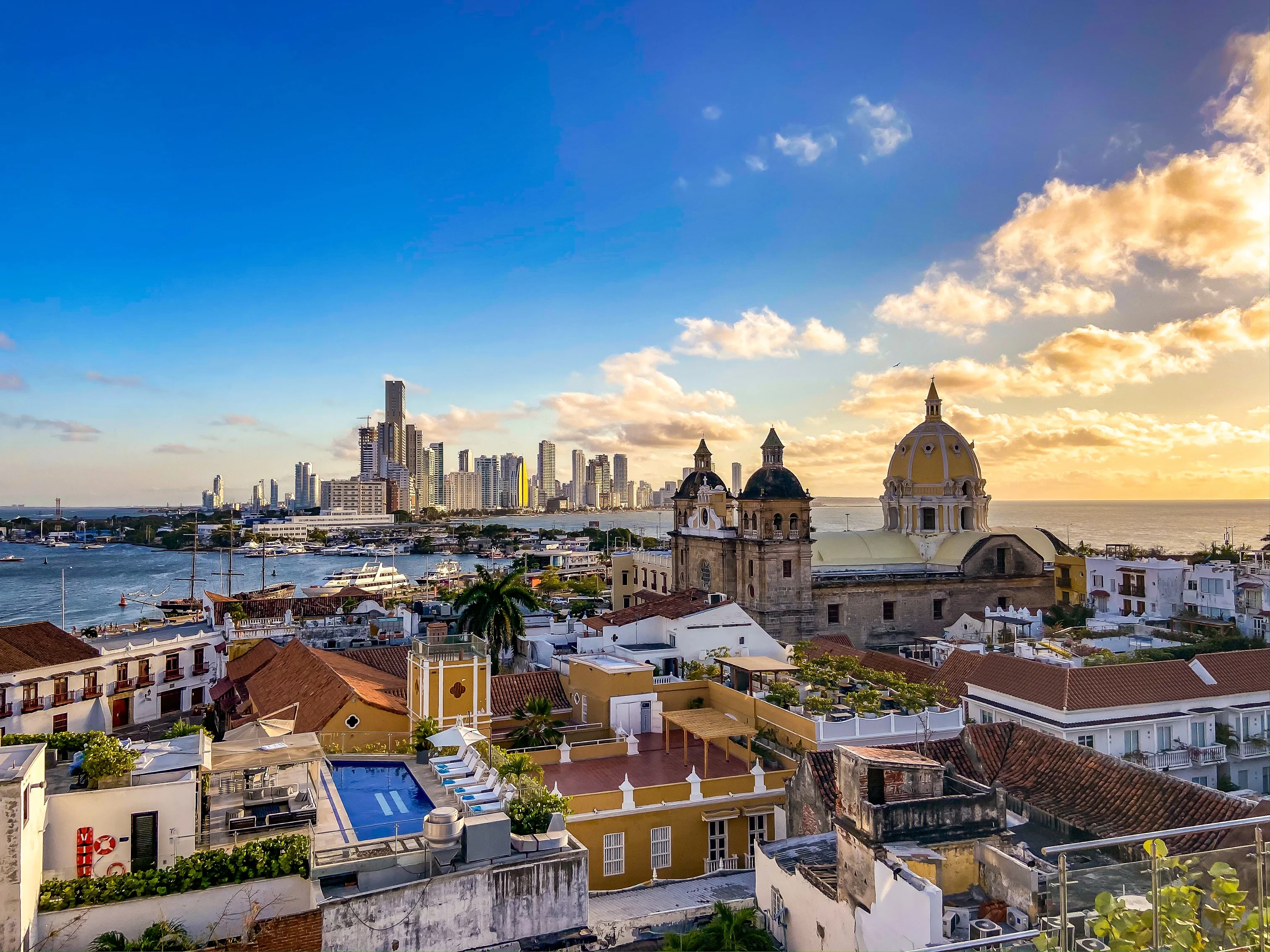
Set along the northern coast of Colombia, Cartagena is known for its heavy historical roots and tropical energy. Between centuries-old stone ramparts, colorful alleys, and nearby islands, the city pulls in both history buffs and travelers looking for sun and local flavor.
Exploring the Historic Center
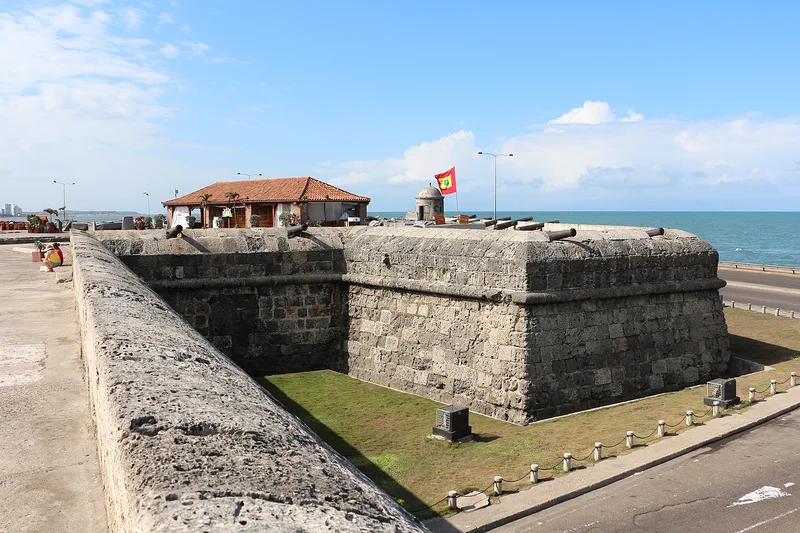
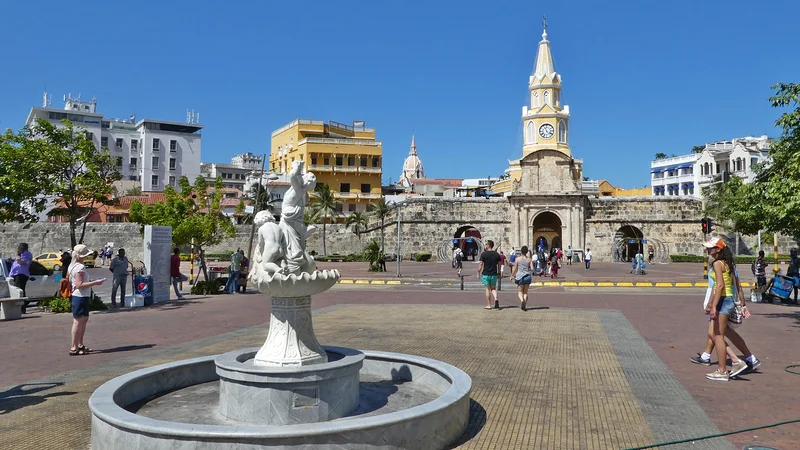
Listed as a UNESCO World Heritage site, the old town, known as the Ciudad Amurallada, sits behind thick defensive walls raised between the sixteenth and eighteenth centuries. Wander through cobblestone streets lined with brightly painted colonial buildings and stop in lively squares like Plaza Santo Domingo or Plaza Bolivar. The Cathedral of Saint Catherine of Alexandria is worth a look, along with the Zenu Gold Museum, which displays notable pre-Columbian metalwork.
Discovering Spanish Fortifications
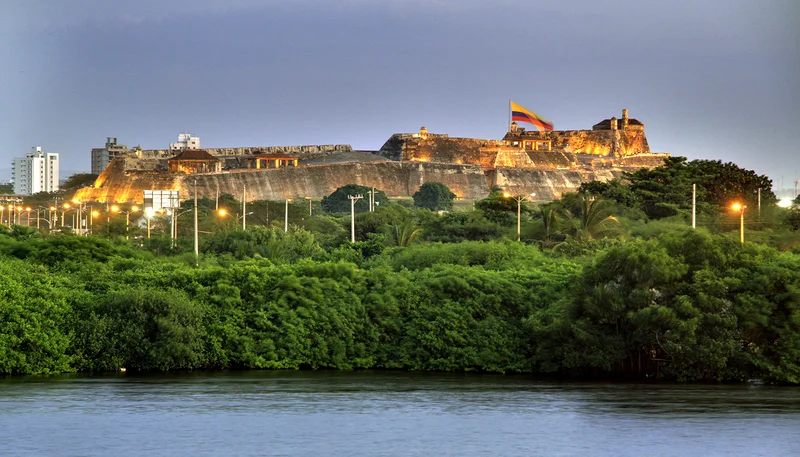
Perched on a hill overlooking the streets, the San Felipe de Barajas castle is a massive fortress built in the seventeenth century to protect Cartagena from pirate raids. The site gives you sweeping views over the city and the surrounding water. Nearby, the La Popa convent offers another high vantage point and a look into the region's religious and colonial past.
Hitting the Nearby Beaches
While urban stretches like Bocagrande are easy to reach, they tend to feel crowded and commercial. For clear turquoise water and a quieter setup, take a boat trip out to the Rosario Islands, about an hour offshore. Closer in, Playa Blanca on Barú Island features wide white sand, though it gets packed during peak travel months.
Immersing Yourself in Local Culture
To feel the pulse of the city, head over to the Getsemaní neighborhood. Once a rougher working-class area, this bohemian zone is now packed with street art, independent coffee shops, and open-air spots playing live salsa. Nights here are loud, social, and packed with energy, giving you a less polished alternative to the main tourist zones.
Afro-Caribbean and Colombian Flavors
Cartagena’s food scene relies heavily on Afro-Caribbean traditions. Try a plate of ceviche de camarón (shrimp cured in lime juice), an arepa de huevo (fried corn dough stuffed with an egg), or a hearty bowl of sancocho de pescado (fish soup). Wash it down with fresh tropical fruit juice or Colombian rum served neat or in a cocktail.
Where to eat?
- La Cevicheria (Centro Historico): Known for fresh, inventive seafood dishes.
- Carmen (Centro Historico): Upscale modern dining with strong Colombian ingredients.
- Bazurto Social Club (Getsemaní): Traditional plates paired with loud live music.
- El Boliche Cebicheria (Getsemaní): A small, neighborhood spot focused on classic prep.
Where to stay?
- Casa San Agustin (Centro Historico): A high-end boutique hotel set inside historic colonial quarters.
- Selina Cartagena (Getsemaní): A social, high-energy hostel setup suited for tighter budgets.
- Hyatt Regency Cartagena (Bocagrande): A contemporary high-rise option with ocean views.
When to go?
The best window to visit Cartagena runs from December to April during the dry season. The city hosts major events during this stretch, including the International Film Festival in March and the Cartagena Independence celebrations in November, which bring out street parades and music.
How to get there?
Rafael Núñez International Airport sits just fifteen minutes away from downtown. If you are flying in from the US, direct flights run from major hubs like Miami or Fort Lauderdale, taking about 3 to 4 hours. Fares vary depending on the season.
How to get around?
You can easily cover the historic center on foot. For trips out to other neighborhoods or nearby beaches, taxis are inexpensive and plentiful, while local buses are cheap but run crowded and hot.
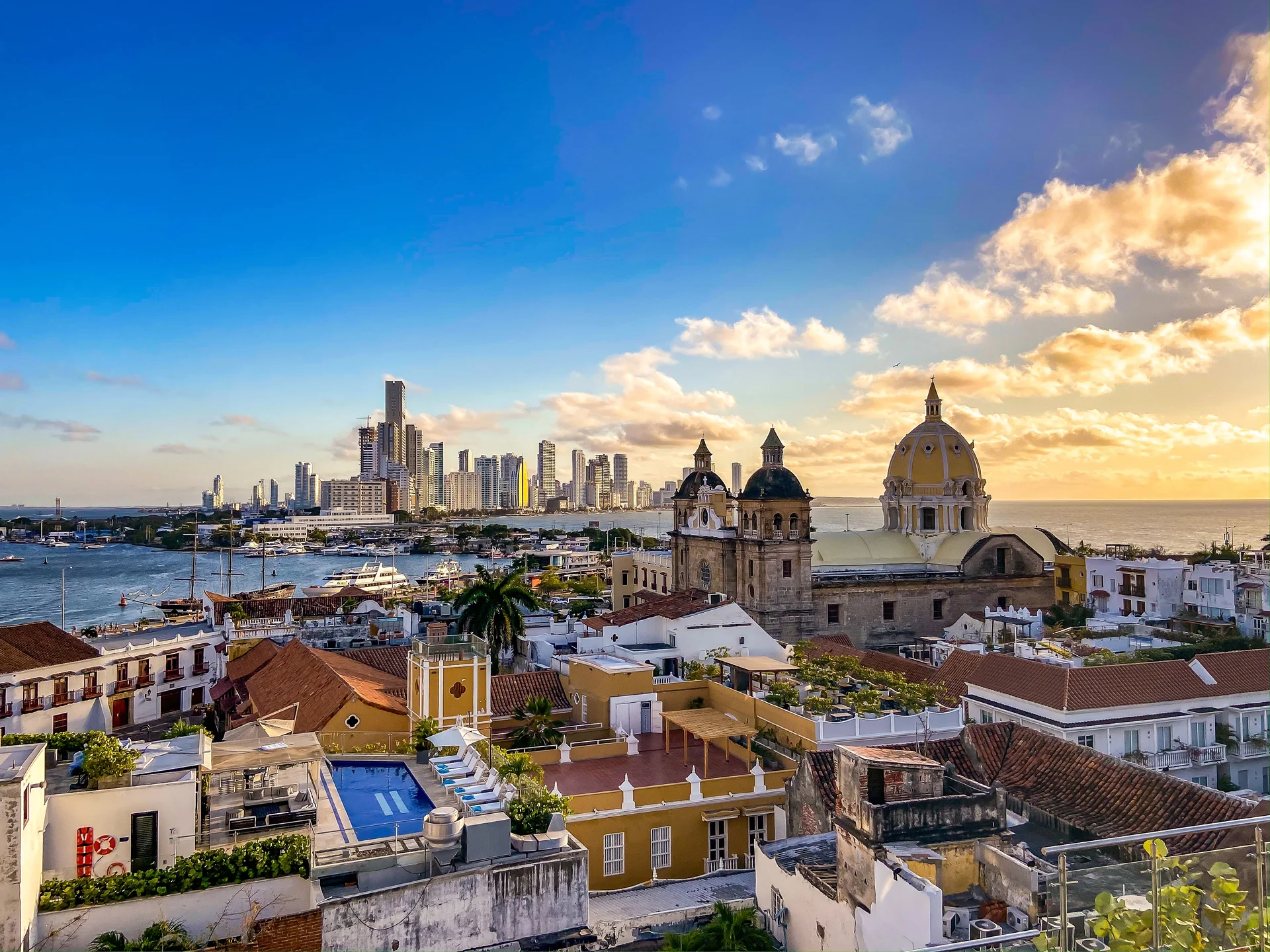
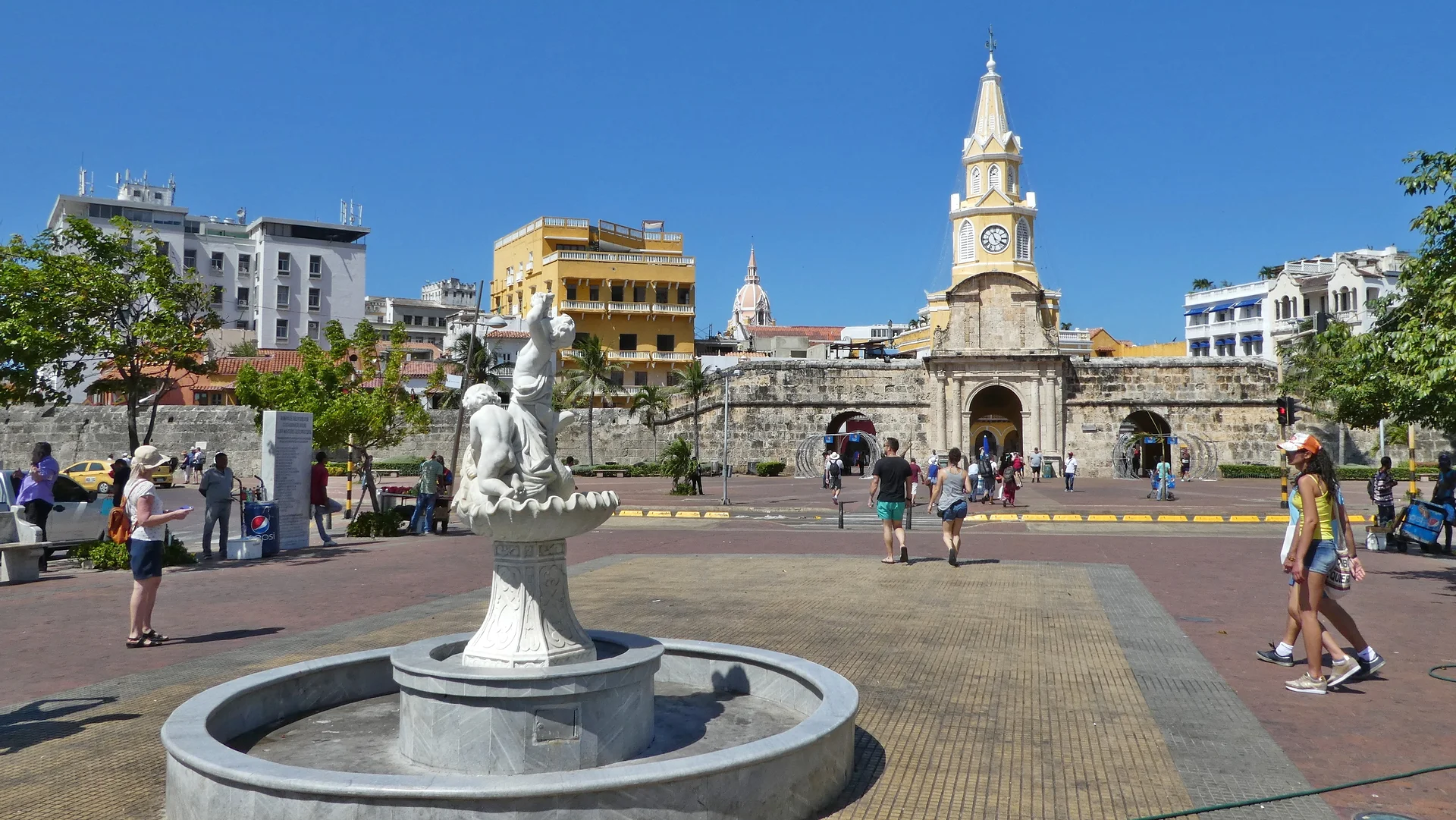
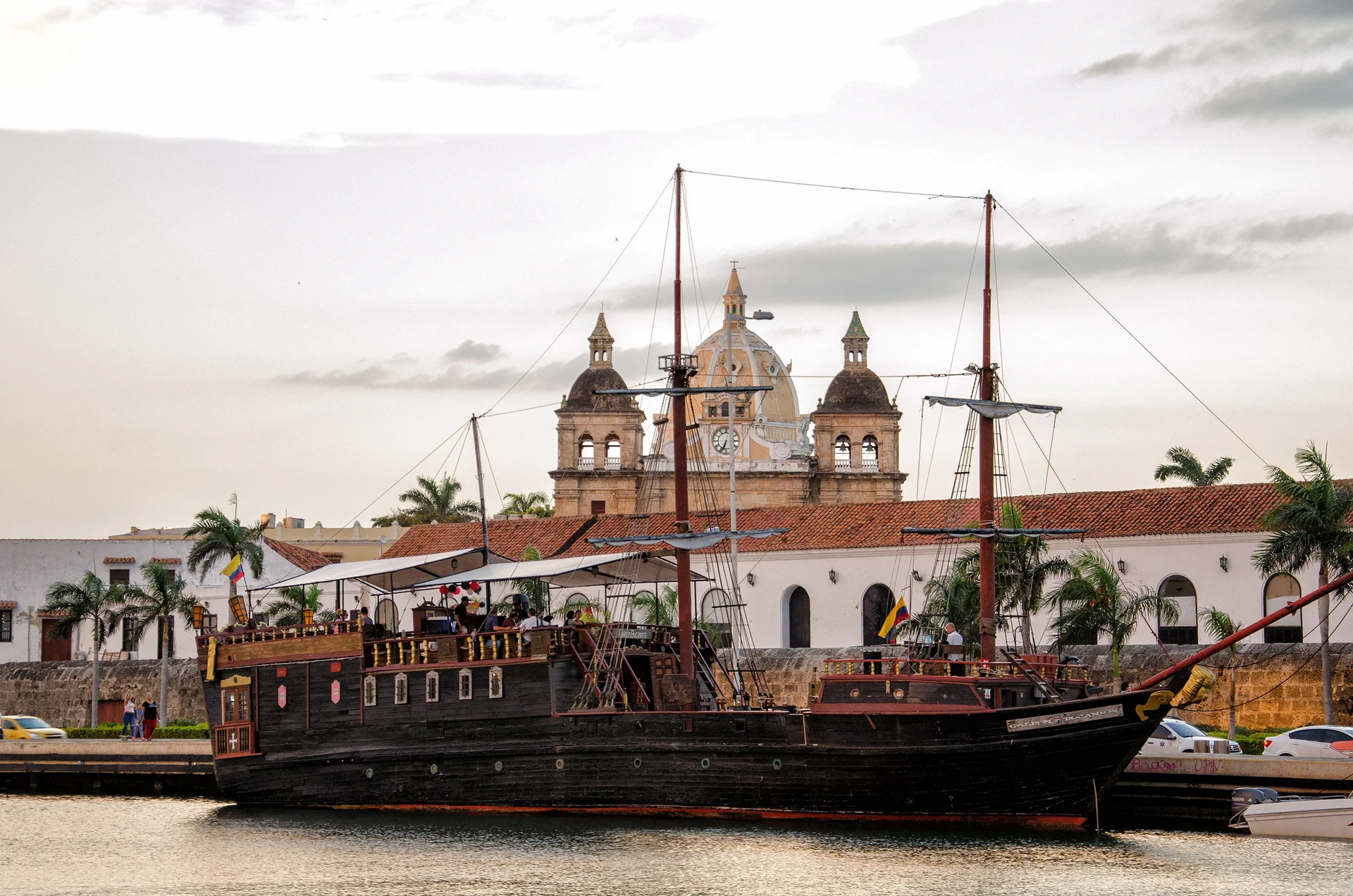
Cartagena de Indias is THE quintessential Colombian tourist destination. It is a city with a tropical climate (very hot) that feels halfway between the craziness of Miami and the historical beauty of Avignon with its ramparts. Full of color and life, it also offers quick access to plenty of splendid Caribbean islands. The nights there are wild, and its little alleyways are easy to explore on foot.
Must do: the flight of birds at sunset in the fishing community, east of the city center.