Visiting Santa Marta: Where the Mountains Meet the Caribbean Sea
Few cities on earth can boast paradise beaches just fifteen minutes away and snow-capped peaks a few hours up the road. Santa Marta carries that distinct energy of Caribbean ports where salt air mixes with the scent of freshly roasted coffee, where fishermen haul in their nets while hikers gear up for the climb toward Lost City.
This elder stateswoman of Colombian cities hides natural wonders behind her peeling colonial facade that defy imagination.
The Gateway for Adventurers
This destination speaks to travelers who look past the postcard. If you want pristine beaches you can reach in flip-flops from your hotel lobby, head to the Maldives instead. Santa Marta demands a bit of physical effort and an adventurous spirit to reveal its rewards: jungle treks, multi-day hikes, and occasional rough transport.
It suits wilderness lovers, pre-Columbian history buffs, and travelers willing to trade temporary discomfort for one-of-a-kind experiences. Budgets range from moderate to high depending on your goals: a day trip to Tayrona Park runs about $17*, but a trek to the Ciudad Perdida can hit $390* per person.
The Historic Center: Between Past Grandeur and Rebirth
The cobblestone streets of the centro histórico tell five centuries of turbulent history. The cathedral, where the remains of Simón Bolívar rested before their transfer to Venezuela, overlooks the Plaza de Armas shaded by royal palms. Pastel colonial facades faded by sea spray often conceal flower-filled courtyards where time seems to stand still.
The Museo del Oro Tairona showcases the goldwork masterpieces of the pre-Columbian civilizations that once inhabited the region. These unique pieces reveal the artistic sophistication of indigenous peoples long before the Spanish arrival. Do not miss the Casa de la Aduana, one of the oldest surviving structures in South America.
Friendly tip: Explore the historic center early in the morning or late in the afternoon to dodge the crushing heat. The cobblestone alleys turn into baking ovens between 11am and 3pm.
Tayrona National Park: A Coastal Sanctuary
Thirty-four kilometers of wild coastline where the Sierra Nevada plunges straight into the Caribbean. The beaches of Cabo San Juan and La Piscina justify the trip entirely: golden sand framed by coconut palms, turquoise water, and granite boulders sculpted by waves. Keep in mind that swimming remains dangerous on several beaches due to strong currents.
Getting there requires a hike lasting 45 minutes to 2 hours depending on your final stop, under a punishing tropical sun. Trails wind through dry tropical forest, home to howler monkeys and giant iguanas. Pack water, sunscreen, and closed-toe shoes: snakes are not uncommon.
Lodging inside the park is limited to spartan ecohabs and basic campsites. Book well ahead during peak season, as visitor numbers are intentionally capped to protect the ecosystem.
Friendly tip: Arrive right at park opening at 8am to beat the crowds and the heat. The last return buses leave around 3pm, so plan accordingly.
Ciudad Perdida: A Legendary Jungle Trek
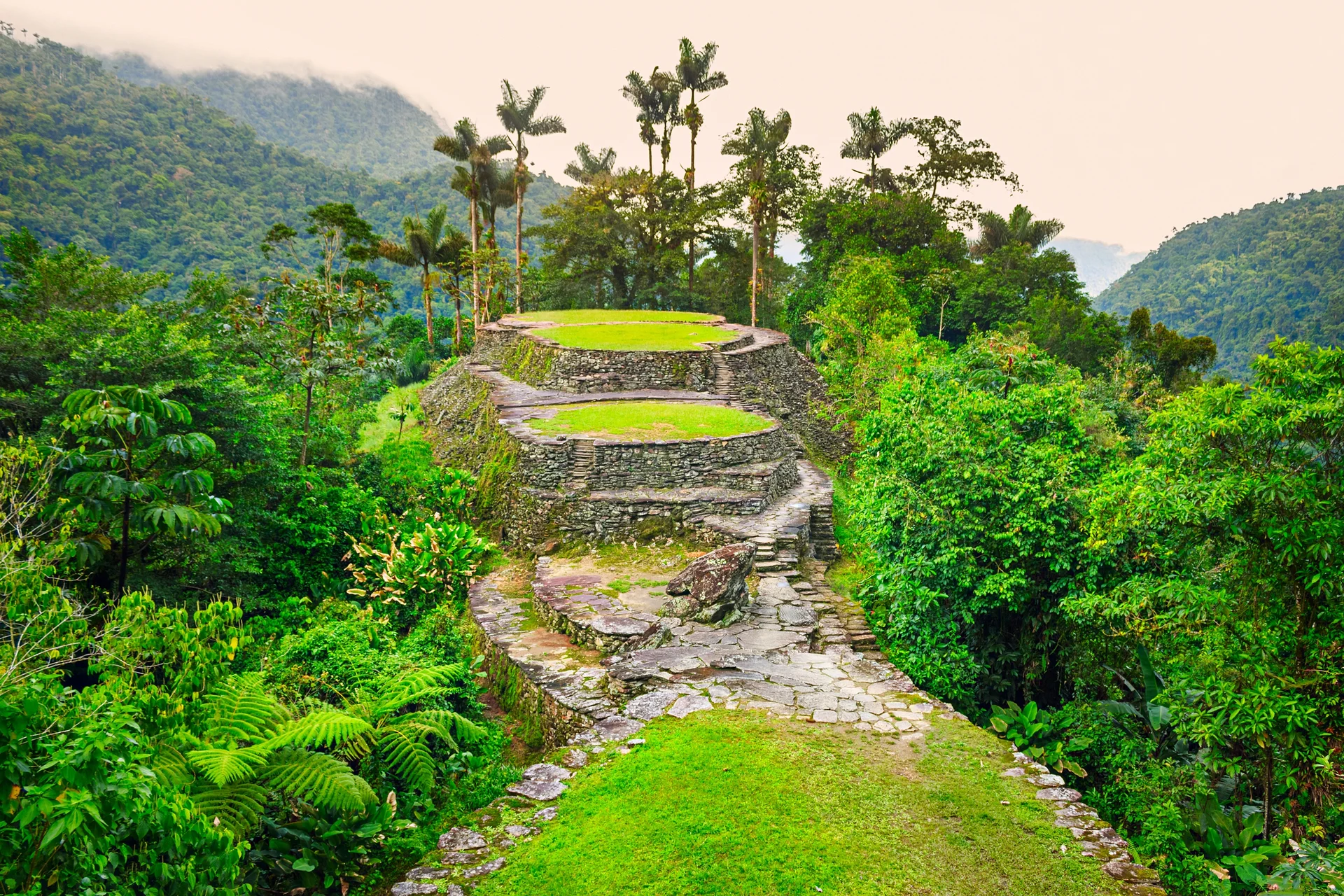
Tucked high in the Sierra Nevada, this pre-Columbian city discovered in 1972 rivals Machu Picchu in beauty and mystery. The 4 to 6 day trek through dense jungle provides an intense physical and spiritual test. Ancient stone terraces, clear rivers, and encounters with the Kogis indigenous communities shape this unforgettable journey.
Do not underestimate the physical toll: 46 kilometers of hiking over rugged terrain, with temperatures frequently topping 35 degrees Celsius and 90 percent humidity. Nights are spent in basic camps without hot water or electricity. Reaching the archaeological site makes all those temporary hardships worth it.
Friendly tip: Book your trek at least a week ahead with a licensed agency. Authorities limit entries to 200 people a day to preserve the site.
Taganga: A Fishing Village in Transition
Tucked between two arid hills, this small fishing port keeps its edge-of-the-world feel despite the growing wave of backpackers drawn by rock-bottom prices. Colorful wooden skiffs bob in the bay while fishermen mend nets on the pebble beach. The laid-back vibe draws budget-conscious travelers.
Taganga serves as a jumping-off point for more secluded beaches like Playa Grande, reachable only by boat. The local waters draw novice scuba divers with training shops offering introductory dives starting at $28*. Water quality and visibility swing widely depending on the season.
Where to Eat and Drink in Santa Marta
Costeña cooking blends African, indigenous, and Spanish roots into hearty, spiced dishes. Pescado frito (fried fish) served with patacones (smashed green plantains) is the signature plate at seaside spots. Street-vendor arepas de huevo make for a filling, authentic breakfast.
The mercado público overflows with tropical fruits: corozo, níspero, and guanábana are served up as fresh juices for pocket change. The bars along the callejón del correo pour local rum cocktails in a relaxed Caribbean setting. Be sure to try the cóctel de camarones, shrimp marinated in key lime juice and local spices.
Where to Stay in Santa Marta and Around
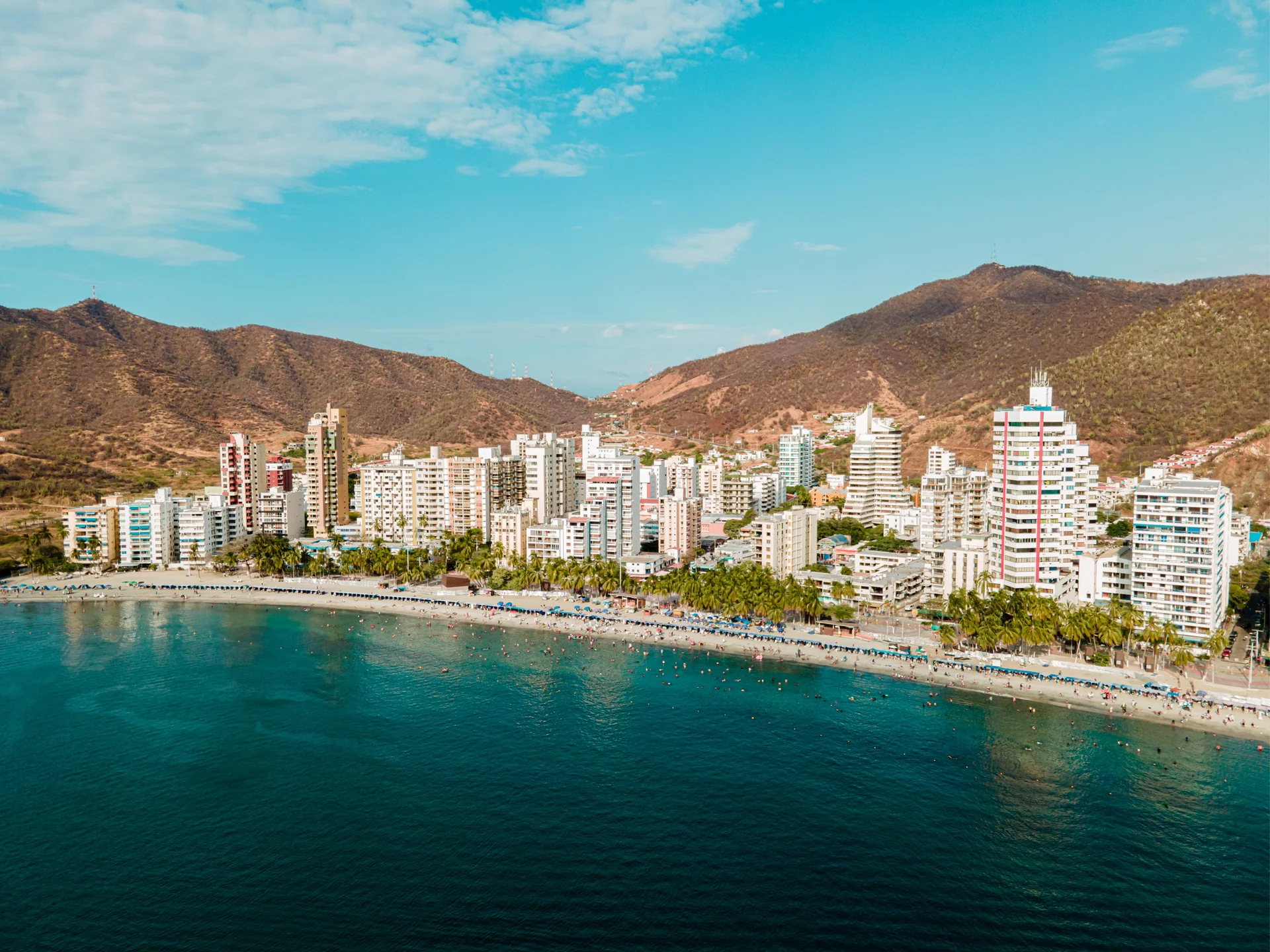
The centro histórico hits the sweet spot between old-world character and walkability to restaurants and shops. Boutique hotels carved out of former colonial mansions pair historic charm with modern comforts, running $44 to $88* a night. The Rodadero neighborhood packs in predictable, chain-style beach hotels.
Taganga pulls in backpackers with cheap hostels ($8.80 to $17* for a dorm bed) and a breezy party scene. For a unique stay, look into the ecohabs inside Tayrona Park: eco-bungalows built right into the coastal rainforest, though reservations are required months in advance.
How to Get to and Around Santa Marta
The Simón Bolívar airport sits 20 minutes from downtown. Direct flights connect Santa Marta to Bogotá (1.5 hours), Medellín (1.25 hours), and Cartagena (45 minutes). A cab from the airport runs about 25,000 pesos, while local buses cost 2,000 pesos with multiple stops along the way.
From Cartagena, expect a 4-hour bus ride along a scenic coastal highway for 25,000 pesos. Carriers like Berlinas and Copetran run reliable, air-conditioned coaches. Around town, taxis are the easiest way to get about (with a base fare of 6,000 pesos), but always agree on the price before getting in.
When to go
The dry season from December to April brings the best weather with lower rainfall and more manageable temperatures. Avoid September and October completely; they are the wettest months when certain trails in Tayrona Park temporarily close. January and February pull the biggest crowds, so lock down your lodging early and expect higher rates.