Visiting Egypt: A Country with Thousands of Years of History
You've seen the pyramids on TV your whole life. Standing next to one hits different. Egypt delivers that kind of reality check repeatedly, whether you're walking through a pharaoh's tomb in Luxor, getting lost in a Cairo spice market, or floating above a coral reef in the Red Sea. Few countries pack this much into one trip.
The Pyramids and Ancient Sites
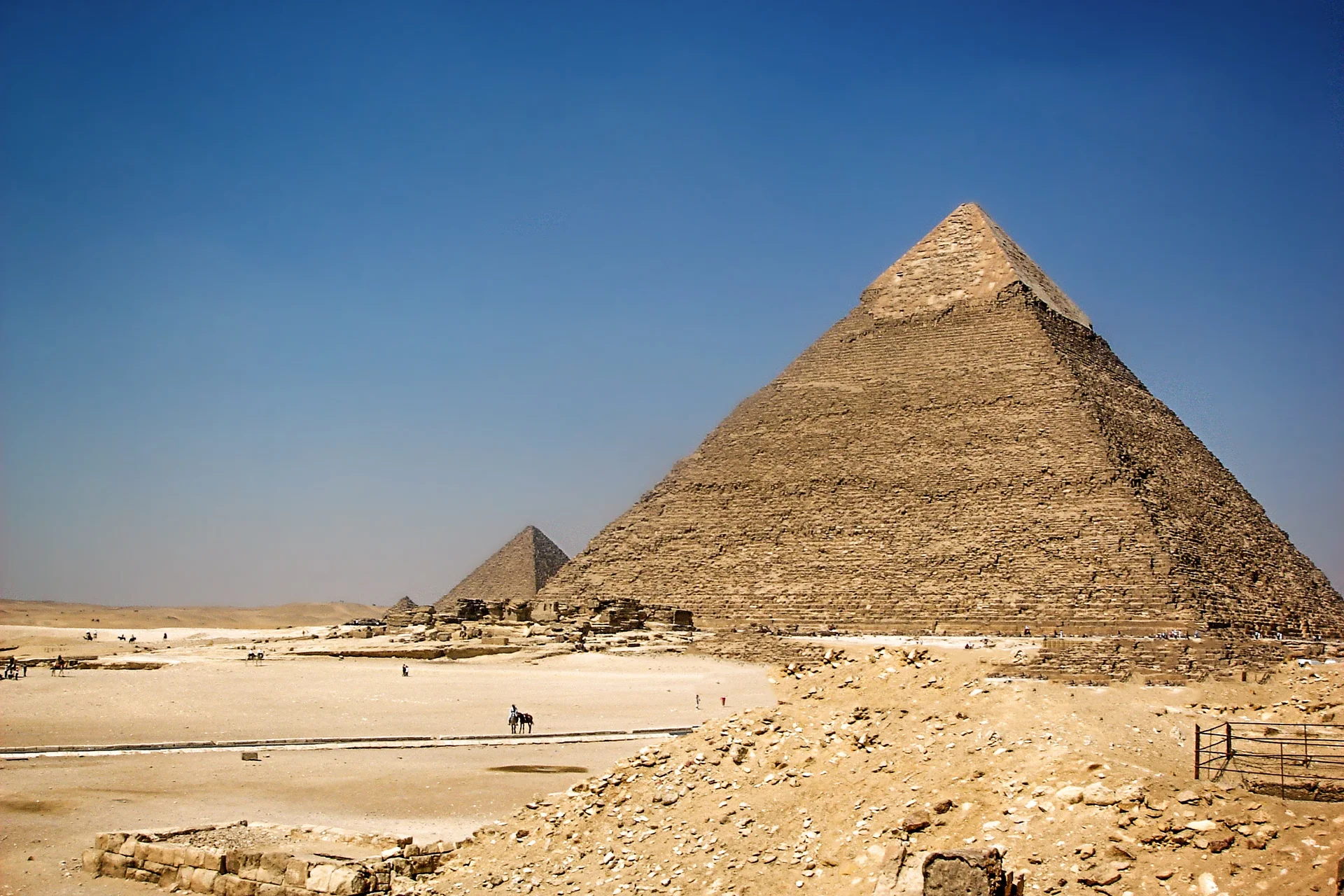
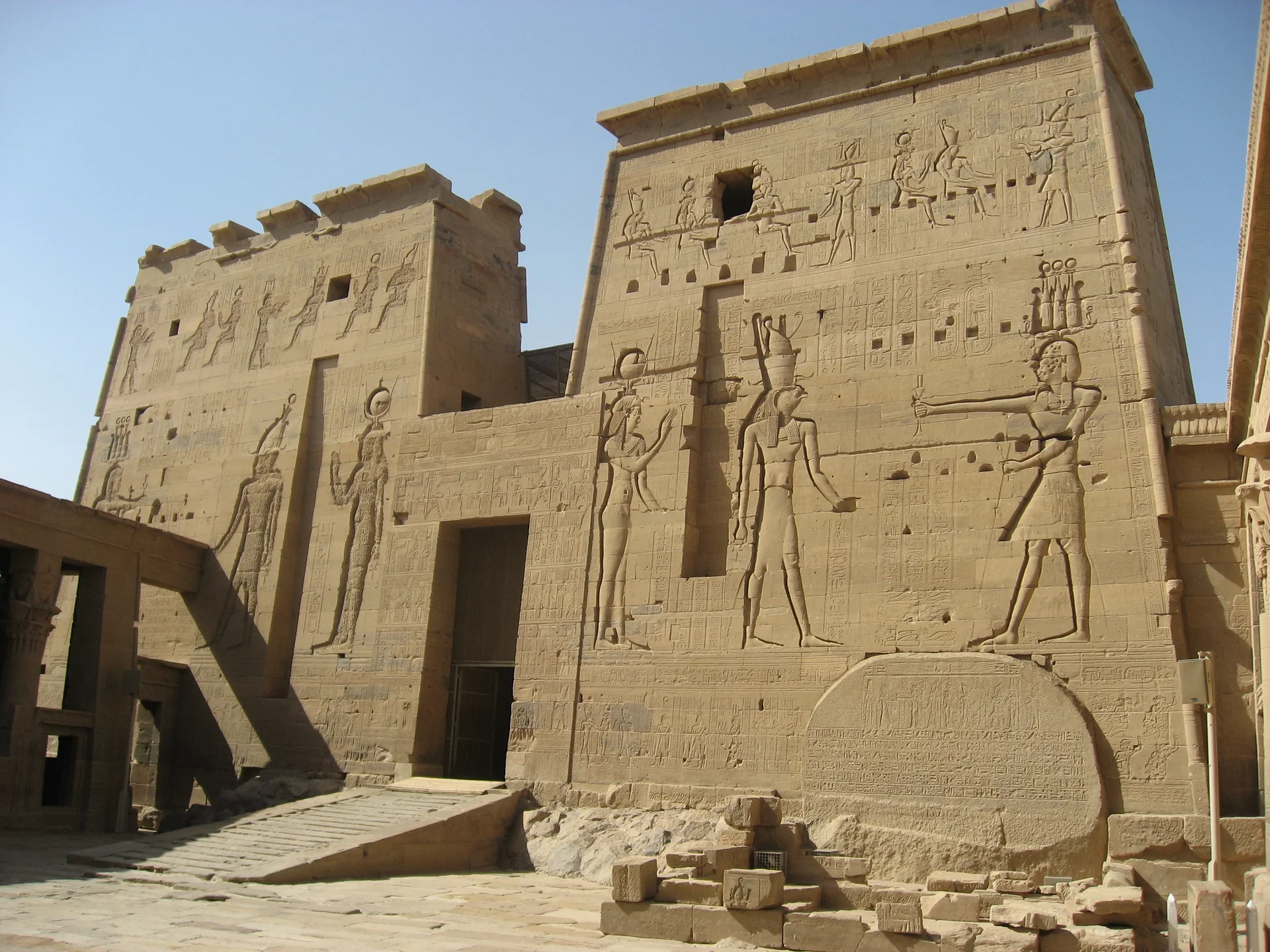
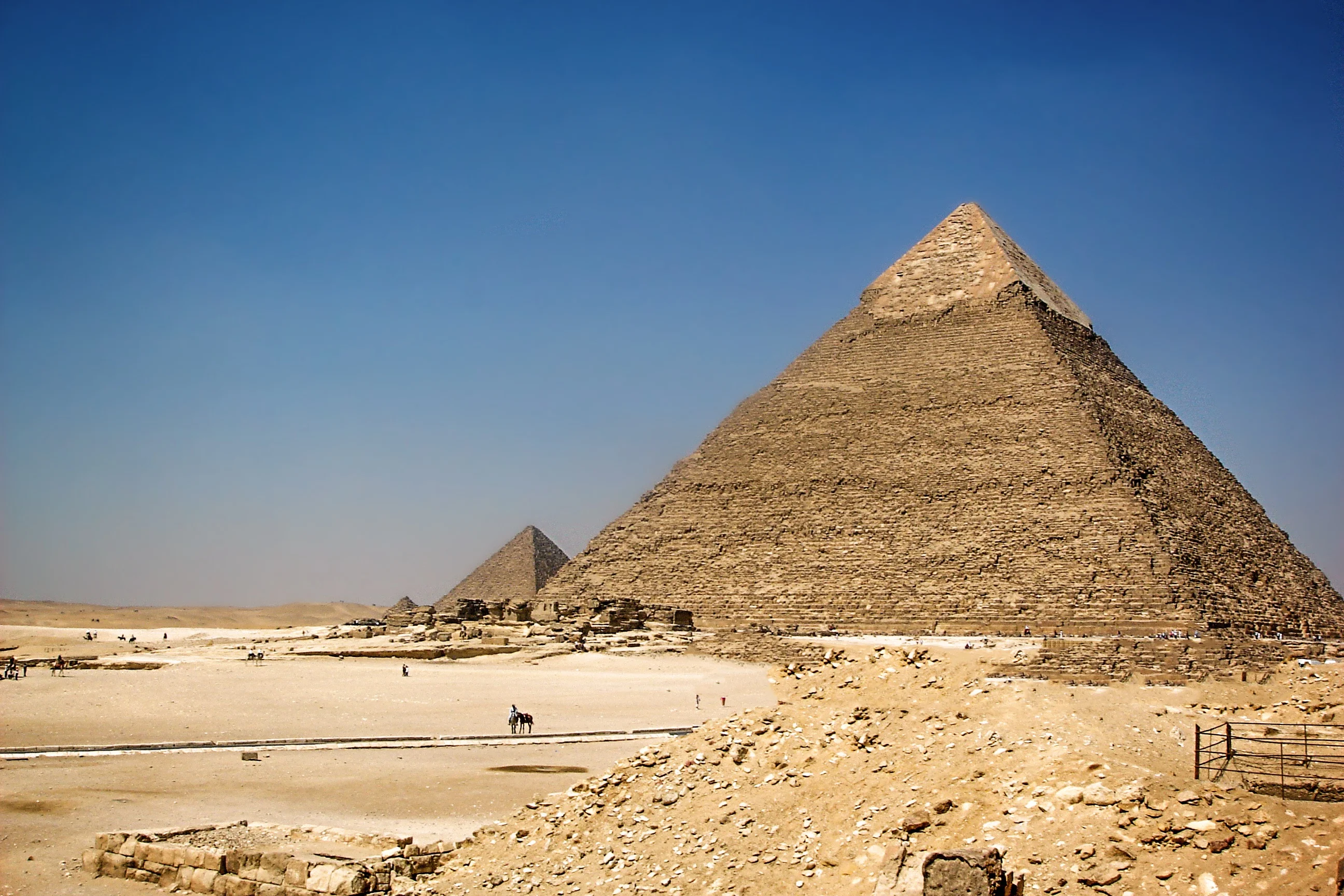
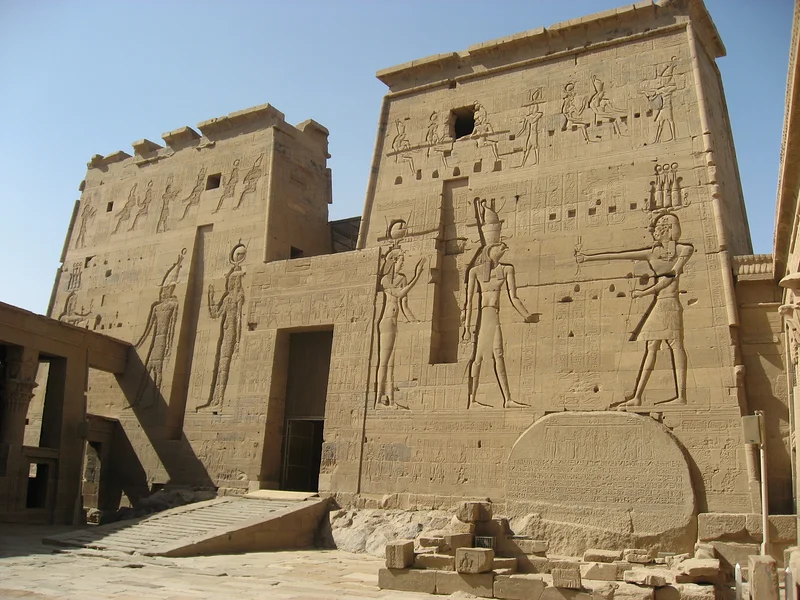
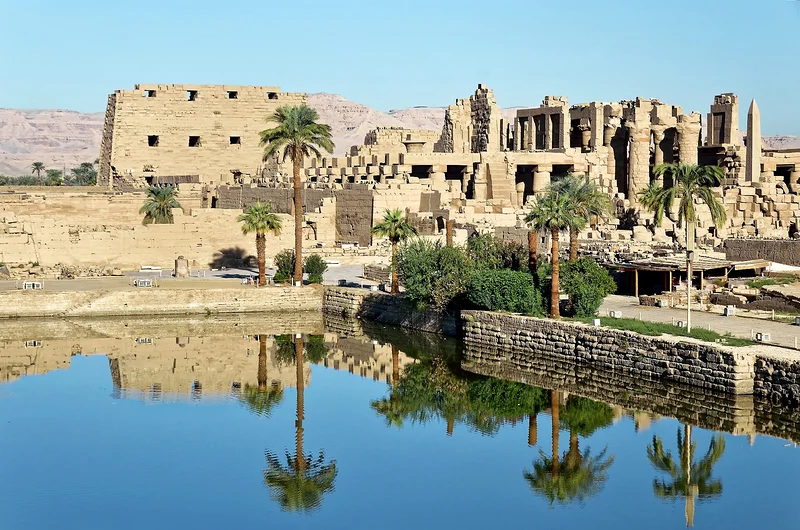
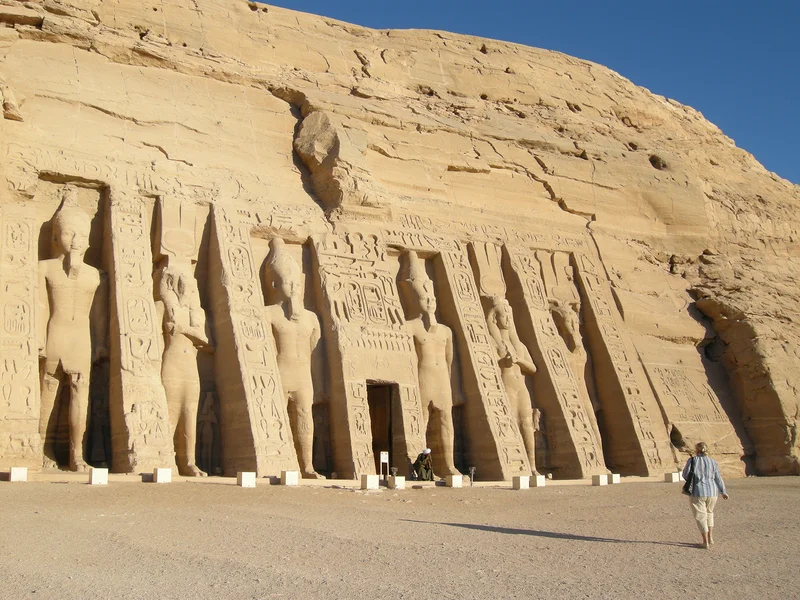
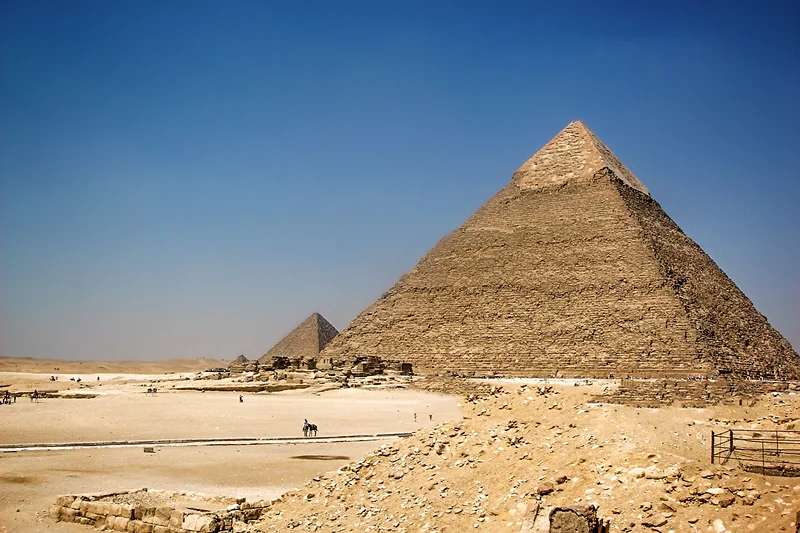
The Pyramids of Giza are the only surviving wonder of the ancient world, and the Great Pyramid of Khufu still dominates the skyline in a way no photo prepares you for. A few miles away, the Egyptian Museum in Cairo holds Tutankhamun's gold burial mask along with thousands of other artifacts pulled from tombs across the country. Head south and Luxor opens up an entirely different scale of ancient Egypt: the Valley of the Kings, the temple complex at Karnak, and the rock-cut temples at Abu Simbel, carved directly into a sandstone cliff face around 1264 BCE.
Cairo: Chaos, History, and Energy
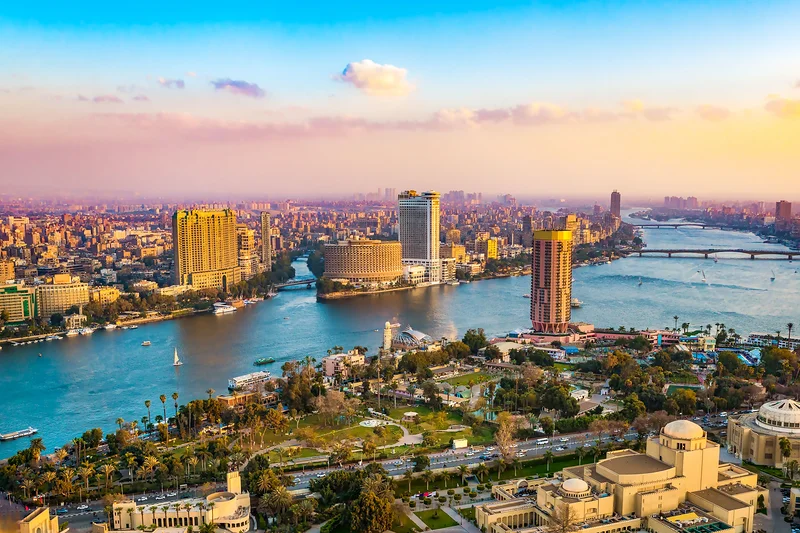
Cairo is one of Africa's largest cities, and it shows. The historic center holds the Ibn Tulun Mosque, one of the oldest in the city, and the Khan el-Khalili bazaar, a sprawling market where you can spend hours wandering through stalls selling copper goods, spices, textiles, and jewelry. Up on the hill above the city, the Saladin Citadel and the Mosque of Muhammad Ali give you a sweeping view over the entire metro area.
The Red Sea: Reefs and Beach Resorts
The Red Sea coast is Egypt's other major draw. Hurghada and Sharm el-Sheikh are the main resort towns, both with clear water and coral reefs that rival anything in the Caribbean, with consistently excellent visibility and a wider variety of marine life. Further south, Marsa Alam is the spot for encounters with sea turtles and dolphins in less crowded conditions.
The Desert and Its Oases
Western Egypt is a completely different world. The Siwa Oasis, deep in the dunes near the Libyan border, is remote but rewarding, with natural hot springs and ruins from the ancient Greek period. The Bahariya and Dakhla oases are easier to reach from Cairo and serve as jumping-off points for 4x4 trips into the White Desert, where chalk rock formations create a landscape that looks genuinely otherworldly.
Egyptian Food: Spices, Legumes, and Mediterranean Influence
Egyptian cooking pulls from both Middle Eastern and Mediterranean traditions. Koshari is the national street food: a bowl of rice, pasta, lentils, and tomato sauce topped with crispy onions, sold for around 20-40 EGP (under $1) from carts all over Cairo. Ful medames, a slow-cooked fava bean mash with olive oil and lemon, is the standard breakfast. For something sweet, basbousa is a dense semolina cake soaked in syrup, usually served alongside mint tea. If you drink, Stella is the local Egyptian beer and widely available at licensed restaurants and hotels.
When to Go
The sweet spots are fall (October and November) and spring (March and April), when temperatures in Cairo hover in the 70s°F and the desert is manageable. Summer is brutal, especially in Upper Egypt and the desert interior, where daytime highs regularly exceed 100°F. Winter sees fewer crowds and mild daytime temps, though desert nights get genuinely cold. If you're going in February, the Abu Simbel Sun Festival is worth timing your trip around: twice a year, the rising sun aligns perfectly to illuminate the statues inside the temple.
Getting There
From the US, you'll almost always connect through a European or Middle Eastern hub to reach Cairo International Airport. Total travel time from the East Coast typically runs 12 to 16 hours depending on your layover. Round-trip fares generally fall between $700 and $1,200 depending on season and routing. For Red Sea beach trips, some international carriers fly directly into Hurghada or Sharm el-Sheikh. There's also an overland option: a ferry runs from Aqaba, Jordan to Nuweiba on Egypt's Sinai coast, which works well if you're doing a broader Middle East trip. US citizens can get a visa on arrival at Egyptian airports for around $25, or apply in advance through the Egyptian e-visa portal.
Getting Around
The overnight sleeper train from Cairo to Luxor or Alexandria is comfortable and a genuinely good value, think Amtrak sleeper quality but cheaper. Long-distance buses connect most major cities and cost very little, though comfort varies. In Cairo, Uber works well and is far easier than negotiating with taxis. For the desert oases, plan on hiring a 4x4 with a driver, there's no practical way to explore Siwa or the White Desert otherwise.