
Visiting Luxor, the Heart of Ancient Thebes
Ochre dust kicks up under your boots. The sun beats down on giant columns that have been piercing the sky for 3,400 years. A felucca glides silently across the Nile. On one side of the river, modern life pulses through the souks and along the corniche. On the other, the Theban mountains hide sixty-three tombs cut for the pharaohs and their households. Welcome to Luxor, the largest open-air museum on the planet, where every stone tells a story thousands of years old.
Luxor, the essential pilgrimage for history buffs
Let's be clear: if ancient ruins bore you, skip this. But if the idea of walking where Ramses II once reigned gives you goosebumps, then Luxor is your Holy Grail.
This is the ancient city of Thebes, capital of Egypt for a millennium, and today it holds the densest concentration of pharaonic temples and tombs in the world. One-third of the planet's ancient monuments are located here. This destination is built for archaeology lovers, curious families, and travelers looking for a total cultural reset.
Your budget goes a long way here: site entrance fees hover between 250 and 450 EGP (about $4.80-$8.60*), and local restaurants serve full meals for under 300 EGP (about $5.80*). The less patient might find the site-hopping repetitive, and those who avoid heat will need to contend with temperatures that regularly top 104 degrees Fahrenheit (40 degrees Celsius) in the summer. The city relies heavily on tourism, which can result in frequent solicitations in the tourist-heavy areas on the East Bank.
Exploring the East Bank, the modern heartbeat
The East Bank is where the urban life happens, and it houses two major sites you can easily reach on foot. The Luxor Temple emerges right in the middle of town, with its columns illuminated at night for an impressive spectacle. A single obelisk stands guard at the entrance. Its twin has been sitting in the Place de la Concorde in Paris since 1836. Inside, the great courtyard of Ramses II and the colonnade pull you into the atmosphere of ancient religious processions. A 14th-century mosque is built right into the temple, sitting on top of a church that was itself built on the ruins, a perfect example of the historical layers stacked here.
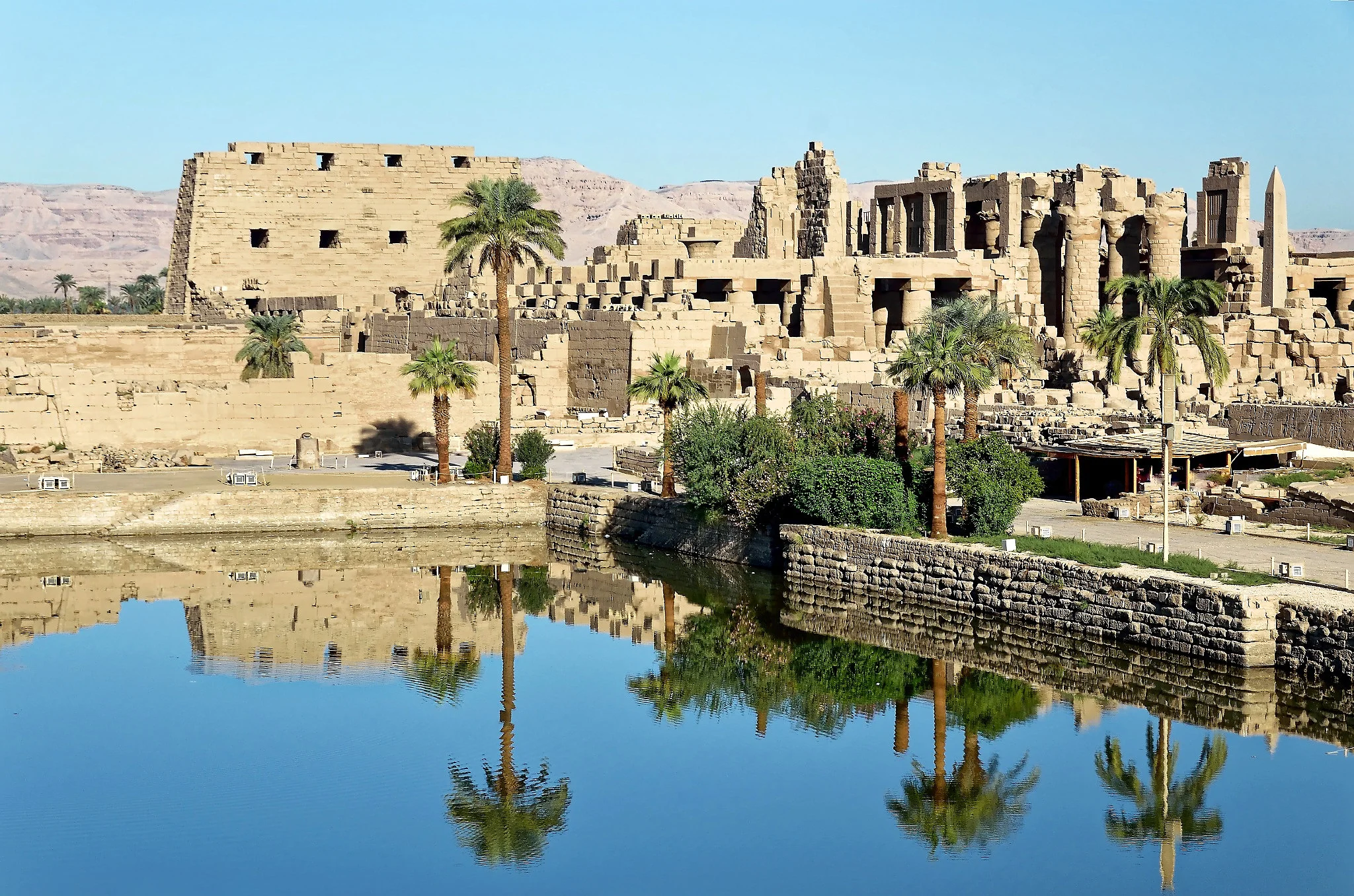
Three kilometers to the north, the Karnak Complex waits. It is the most expansive religious site in Egypt, a maze of pylons, courtyards, and halls that requires at least three hours to see properly. The hypostyle hall is dizzying, featuring 134 columns that are 75 feet (23 meters) high, some still showing remnants of their original vibrant colors. The carved hieroglyphs detail the military exploits of the pharaohs. The ram-headed sphinx avenue that once connected Karnak to the Luxor Temple has been restored along its entire length.
Friendly tip: Visit Karnak in the late afternoon around 3 or 4 p.m. The tour buses have mostly cleared out, the low-angled light highlights the reliefs on the columns, and the heat becomes manageable. The site closes at 5:30 p.m. in the winter, so use this golden hour window.
The West Bank, realm of the dead and wonders
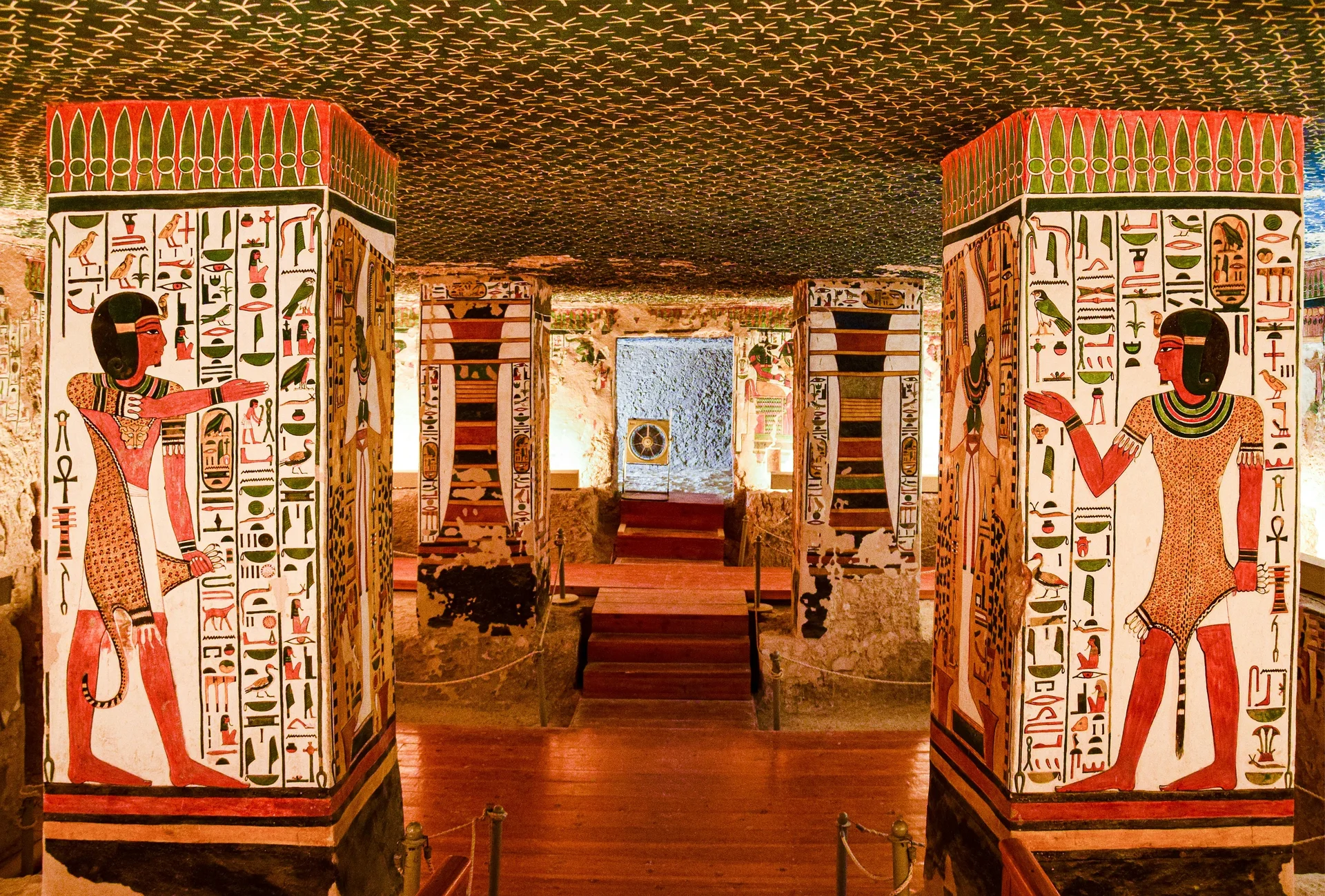
Cross the Nile on the local ferry for 15 EGP or hire a motorboat for a few dollars. The West Bank rolls out the red carpet for the departed pharaohs. The Valley of the Kings hides 63 tombs carved into the Theban mountain between 1500 and 1000 BCE. Your ticket gets you into three tombs of your choice from those open that day. The wall frescoes with their preserved colors defy time, showing scenes from the Book of the Dead, solar barques, and deities with jackal or falcon heads.
The tomb of Tutankhamun requires an extra ticket. The tomb of Ramses VI is more spectacular with its intact astronomical ceiling and is well worth the extra cost. Arrive before 8 a.m. to avoid the crowds and the midday heat that turns the valley into a convection oven.
The Temple of Hatshepsut clings to the cliff at Deir el-Bahari across three levels of terraces. This female pharaoh, one of the few in Egyptian history, commissioned this architectural masterpiece dedicated to Amun. The Colossi of Memnon, two 60-foot (18-meter) statues weighing 700 tons each, stand guard at the entrance of what was once the mortuary temple of Amenhotep III. The less-visited site of Medinet Habu, the temple of Ramses III, offers exceptional reliefs and a welcome sense of quiet.
The Luxor Museum, the hidden gem
On the East Bank corniche, the Luxor Museum displays a remarkable collection of statues and artifacts found in the surrounding temples. The high-quality lighting and air conditioning make it an ideal mid-afternoon refuge. The mummy of Ramses I and statues of Tutankhamun are presented elegantly. It stays open until 8 p.m., allowing you to catch the sunset before heading inside.
Immersing yourself in local life far from the tourist trail
The East Bank souk spreads out behind the corniche, a colorful labyrinth of spices, fabrics, and handmade goods. Negotiate with a smile, as starting prices are often triple the actual value. The neighborhood of Gourna on the West Bank, designed in the 1940s by architect Hassan Fathy, features fascinating mud-brick architecture. The agricultural villages between the archaeological sites reveal an authentic rural Egypt, complete with sugarcane fields, banana plantations, and farmers at work.
A bike ride on the Banana Island, reachable by felucca, offers a striking contrast to the tourist bustle. Trails wind between the crops, children play in the irrigation canals, and time seems to stand still.
Friendly tip: Take the local ferry that connects the two banks for 6 EGP. It is how the locals travel, an authentic experience where you will share the ride with farmers, students, and market vendors. It departs every 15 minutes near the Luxor Temple.
Where to eat and drink in Luxor?
Egyptian cuisine shines in the small local eateries. Koshary, the national dish made of lentils, pasta, rice, fried onions, and spicy tomato sauce, is a filling meal for about 60 EGP (about $1.20*). Foul, a fava bean puree seasoned with olive oil, lemon, and cumin, is a breakfast staple served with warm pita bread. Stuffed pigeon with rice or bulgur is a refined specialty found at more upscale tables.
On the East Bank, the restaurant Sofra serves authentic Egyptian food in a traditional setting. El Kababgy near the souk serves generous grilled meats and the best mahshi (stuffed vegetables) in the city. For dinner facing the Nile, hotel terraces offer spectacular views at sunset. On the West Bank, Nile View is a local favorite for its warm hospitality and reasonable prices. Om ali, a creamy bread pudding with nuts and raisins, is the perfect way to finish a meal.
Where to stay in Luxor and the surrounding area?
The East Bank has most of the hotel inventory, ranging from small guesthouses to historic palaces. The neighborhood between the Luxor Temple and Karnak offers a good balance between proximity to sites and relative quiet. The legendary Sofitel Winter Palace, with its colonial architecture and lush gardens, offers rooms for under 3,000 EGP (about $58*), which is a great value for this level of luxury. Hotels right on the Nile command higher prices but offer unbeatable views.
The West Bank appeals to those looking for authenticity and quiet. Staying in Gezira or in the villages near the Valley of the Kings lets you live at a local pace and get to the sites as soon as they open. Family-run guesthouses offer comfortable rooms and hearty breakfasts for 600 to 1,200 EGP (about $12-$23*) per night.
How to get to and around Luxor?
Luxor International Airport receives few direct flights from abroad. The most common route is to fly into Cairo, then take an internal flight with EgyptAir or Nile Air for 1,500 to 2,700 EGP (about $29-$52*), which takes about 75 minutes. The overnight train from Cairo is a budget-friendly but exhausting alternative, taking about 10 hours. From Aswan in the south, expect a 3-hour train or bus ride.
Once you are there, taxis negotiated by the day (600-900 EGP, or about $12-$18*) are a comfortable way to visit all the sites on the West Bank. Horse-drawn carriages navigate the East Bank, but confirm the price before you climb in. Walking is still the best way to explore the center between the two temples. For the West Bank, rent a bike in the villages near the ferry (150 EGP a day) and pedal between the sites through the fields.
When to go?
The months of March to May and November offer the best conditions, with pleasant temperatures between 77 and 86 degrees Fahrenheit (25-30 degrees Celsius), constant blue skies, and moderate tourist crowds. Winter (December-February) sees crisp mornings but ideal days for sightseeing. Avoid the summer from June to September at all costs, when the mercury regularly climbs above 113 degrees Fahrenheit (45 degrees Celsius), turning any visit into a test of endurance. Sites close in the mid-afternoon, and life effectively stops until the evening.
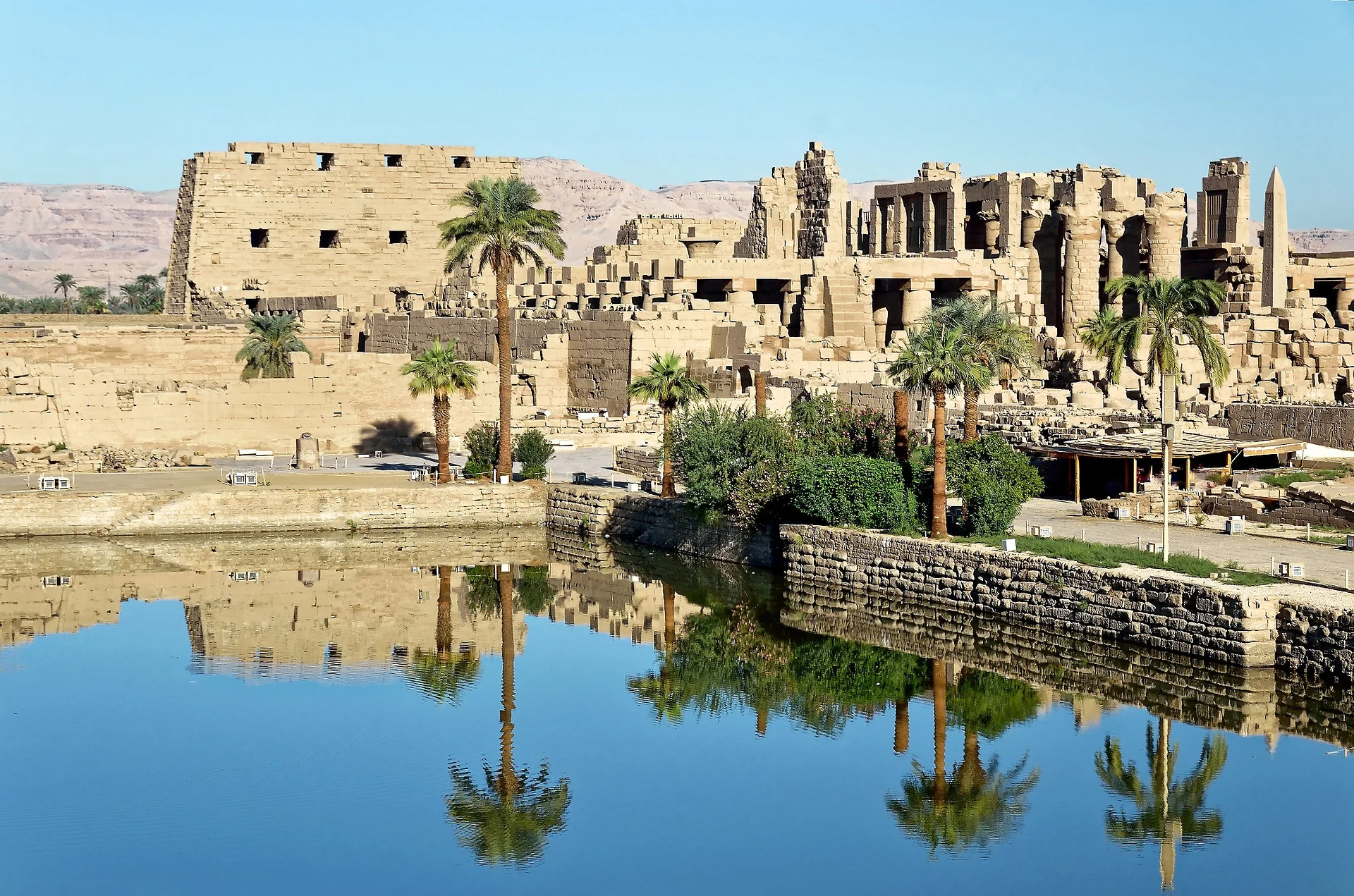
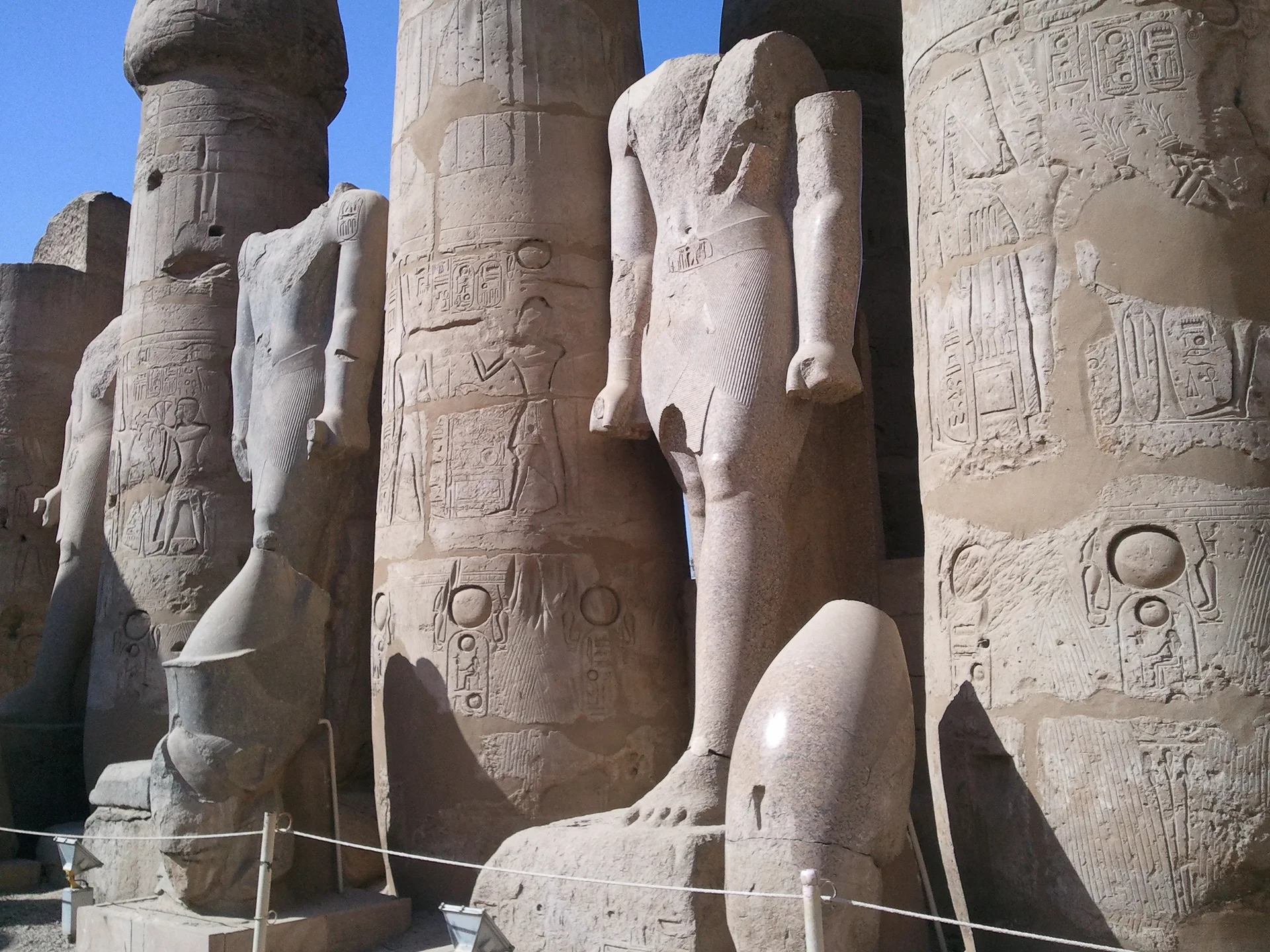
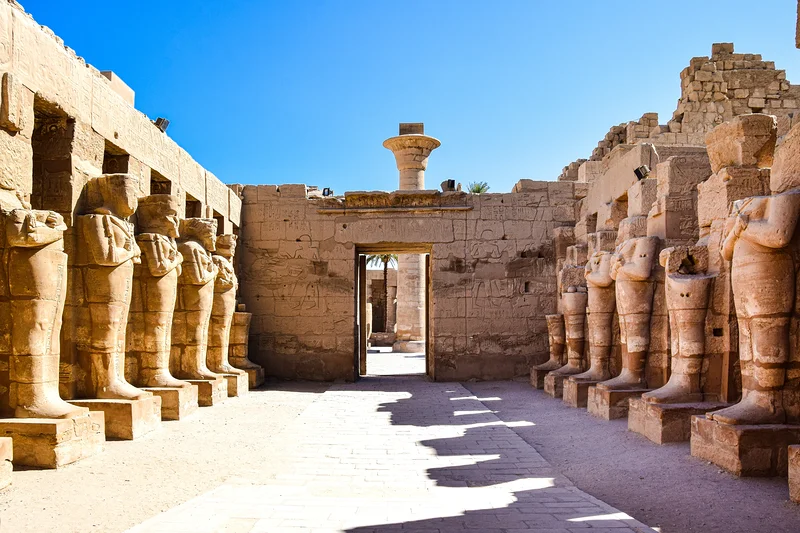
On the East Bank you have the impressive Karnak and Luxor Temples in addition to the hustle and bustle of the city center where you can find shops and restaurants.
You are also in prime position to visit other nearby sites such as Esna Temple, Dendera, and Abydos, among others.
All in all Luxor is a history lover's paradise filled with amazing tombs and temples that can keep you entertained for several days!