
Visiting Ras Mohammed National Park, a diver's paradise
The natural treasure of the Sinai

Among Egypt's protected wild spaces, Ras Mohammed National Park stands out as one of the most spectacular. Imagine 829 square kilometers of land and sea entirely free of construction, which is strictly prohibited, at the southern tip of the Sinai Peninsula. It has been a protected national park since 1983. Entering this sanctuary feels like stepping into a place where every element has its rightful spot. The sheer scale of the landscape, coupled with the fragility of the ecosystem, is humbling. Located less than 20 kilometers from Sharm el-Sheikh, this area offers a genuine escape.
An endless wealth of marine life

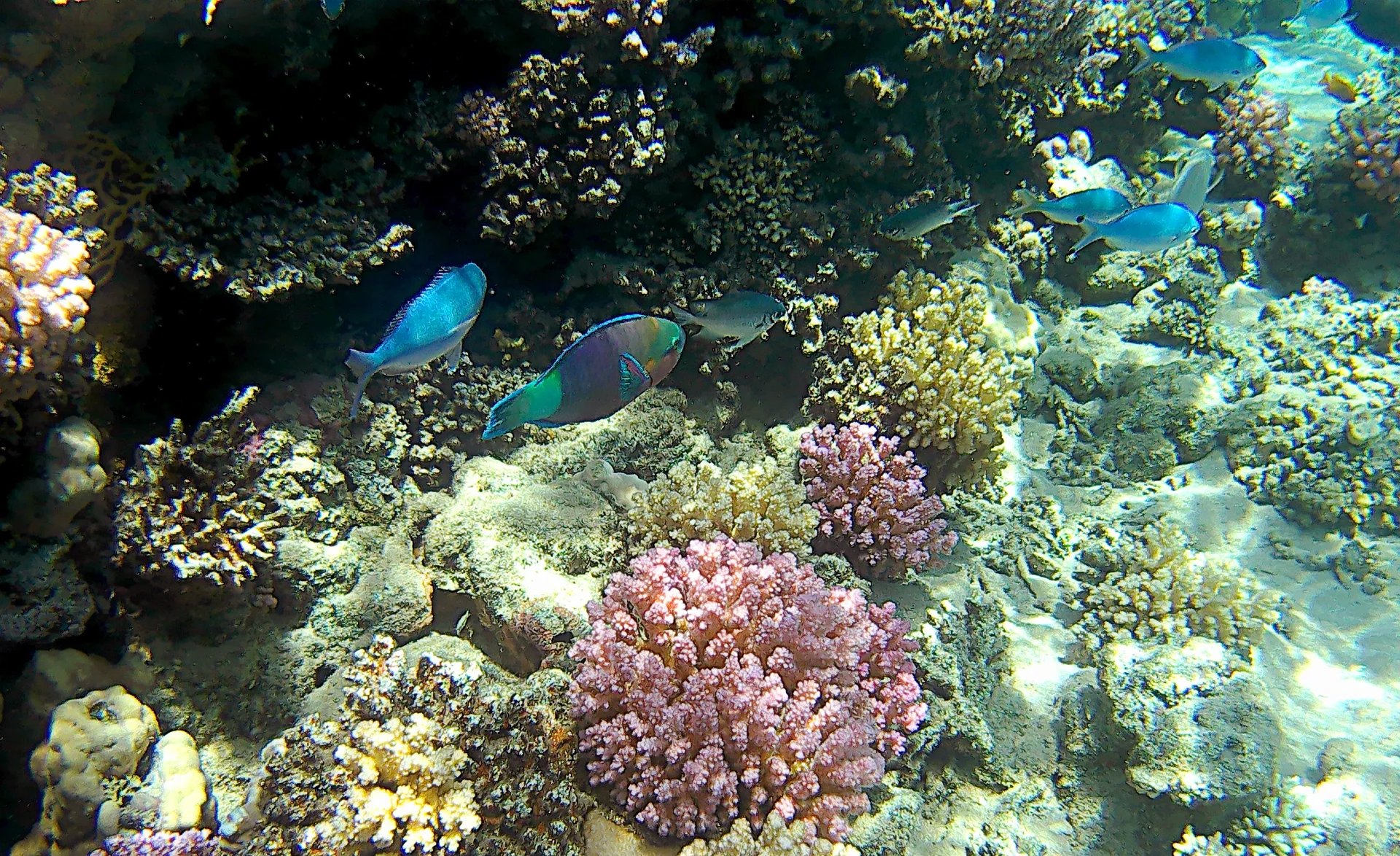
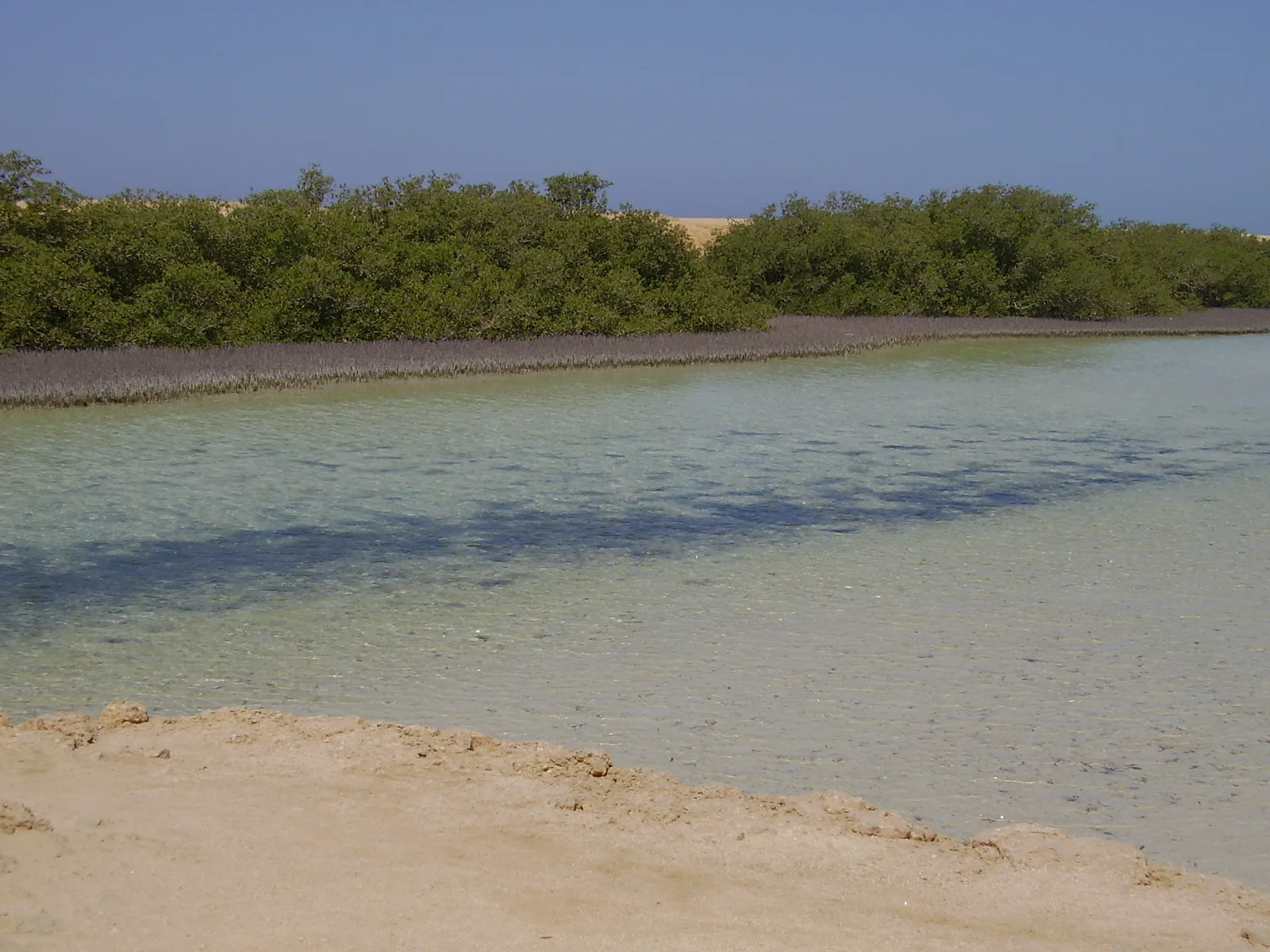
Bordered by the Red Sea, Ras Mohammed is defined by its desert, mangroves, and underwater terrain. These three ecosystems coexist in a balanced harmony that draws thousands of visitors, particularly scuba divers, every year. The marine biodiversity here is incredible, notably the coral reef composed of 200 species that bring brilliant color to the clear water. The dozens of dive sites are globally recognized as some of the finest for observing this underwater world. Snorkeling is excellent in shallow areas like Sha'ab El Talaba, while at Yolanda, vertical walls drop to depths of over 100 meters.
At Anemone City, fish take cover among the nurse anemones, which grow here in dense clusters. Clownfish and black-and-blue domino damselfish swim through the schools, and the sight of sea urchins near the reef crest is magical. More than a thousand different species have been documented in the park. Beyond the moray eels, rays, and napoleon wrasse, sea turtles live here year-round.
Large groupers, barracudas, and tuna are common, and for those on boats, the Shark Observatory is a highlight for wall diving, featuring caves and occasional pelagic sightings. Shark Reef is the domain of hammerhead and gray reef sharks, providing encounters that are difficult to forget.
Life in all its forms
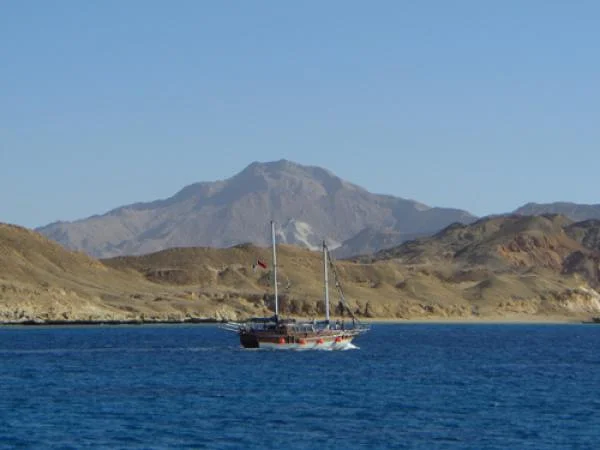
The coastal landscape is just as impressive, with high cliffs plunging into the sea. These craggy geological formations look out over mangrove forests that contrast sharply with the white, fine sand of pristine beaches. This quiet land is a habitat for magnificent wildlife. Foxes, reptiles, gazelles, ibex, and lizards thrive here in safety.

Among the acacia trees and doum palms, birds rest, and the mangroves serve as a primary breeding ground for migrating white storks and herons. From the salt marshes to the desert expanses of the mythical Sinai, the scale is vast. Tiran Island hosts the second-largest colony of ospreys in the world. Ras Mohammed National Park is a rare gem that should be approached with the respect it deserves.
How to plan your visit
Planning a trip to Ras Mohammed is straightforward, whether you are already in the region or making arrangements from the United States.
Excursions from Sharm el-Sheikh

If you are already in Sharm el-Sheikh, you can easily reach the park by car, taxi, or organized tour. Bookable through local agencies or directly at some hotels, these excursions are a popular choice, typically providing transportation, entrance fees, and sometimes snorkeling or diving gear. Prices for these trips vary, but you can expect to pay between $34 and $79* per person, depending on the inclusions and duration.
Traveling from the US
The most direct route is to fly into the Sharm el-Sheikh International Airport, which is well-served by several airlines. Flights from Paris, for instance, take about five hours. Ticket prices vary with the season, but a round-trip from western Europe generally runs between $340 and $680*. Once you arrive, you can rent a car to explore at your own pace. The entrance fee to the park is approximately $12* per person for a day. You are free to explore the various sites, which feature information signs and marked trails.
You can also book through an agency that will handle transportation, lodging, and park tours, which saves time and reduces the risk of travel complications. For instance, check out the sports-focused travel packages in Egypt offered by Decathlon Travel, which include diving cruises at Ras Mohammed for nearly $1,130* per person.
Diving centers and schools

For those looking to dive, local schools offer packages that include transport to the park, equipment, and sometimes lunch, with rates ranging from $57 to $169* depending on the number of dives and the level of guidance required.
By planning in advance, you will be able to fully enjoy the natural wonders of Ras Mohammed National Park.
Practical tips for your visit
When planning your trip to Ras Mohammed, a few practical tips can improve your experience.
Best time to visit
The best time to explore the park is from March to May and from September to November. During these months, temperatures are milder, making outdoor activities more pleasant. Avoid the summer months when the heat can be intense.
Equipment for diving and snorkeling
If you plan to dive or snorkel, bring your own gear if possible. While rental equipment is available on-site, having your own gear ensures better comfort and hygiene. Bring a light wetsuit if you are sensitive to cold water, especially in winter. Boat trips usually head to deeper water where the temperature is lower than near the beaches.
Equipment for land excursions
For hiking and land-based trips, pack sturdy walking shoes, a hat, sunscreen, and plenty of water. The desert climate means temperatures can rise quickly and shade is often scarce. It is also recommended to wear lightweight but covering clothing to protect yourself from the sun.
Regulations and common sense
As the park is a protected area, you must respect local rules. Do not leave any trash behind and avoid touching the coral or disturbing marine life. Use biodegradable sunscreen. Preserving this fragile ecosystem is essential, and visitors play a key role in its protection.
Threatened species to protect
This nature reserve plays a crucial role in protecting numerous threatened species, both in its waters and on land. Beneath the surface, coral reefs house several species of fish and invertebrates classified as vulnerable or endangered. For example, the whitetip reef sharks often seen in the park are considered near-threatened due to overfishing and reef degradation. Similarly, sea turtles, including the green turtle and the hawksbill turtle, nest on the park's isolated beaches. These turtles are in danger of extinction due to poaching and marine pollution.
Myths and legends of Ras Mohammed

Beyond its natural beauty, this site is surrounded by legends and mysterious stories that add a mystical dimension to the experience.
The Head of Mohamed
One of the most well-known legends concerns the formation of Ras Mohammed itself, which means "the head of Mohamed" in Arabic. According to local tradition, the rocky peninsula extending into the Red Sea took the shape of a human face looking toward the Sinai as a sign of divine protection. This face is said to be that of the Prophet Mohamed, watching over the region.
A city swallowed by the sea
Another legend tells the story of an ancient city submerged beneath the park's waters. The story describes a prosperous civilization that lived in the region before a divine catastrophe caused it to vanish beneath the waves. Local fishermen and divers sometimes report seeing ruins or hearing strange sounds from the depths, fueling the mystery surrounding this legend.
A sacred site for the Bedouin
The park is also considered a sacred place by the Bedouin of the Sinai, who believe that the spirits of their ancestors inhabit some of the mountains and valleys of Ras Mohammed. Visitors are encouraged to respect these beliefs by treating the park with the utmost reverence.
These legends, blending history and mysticism, contribute to the captivating aura of Ras Mohammed National Park, making every visit an immersion in nature as well as a journey into local folklore and tradition.
Opening hours
| Monday | 07:00-17:00 |
|---|---|
| Tuesday | 07:00-17:00 |
| Wednesday | 07:00-17:00 |
| Thursday | 07:00-17:00 |
| Friday | 07:00-17:00 |
| Saturday | 07:00-17:00 |
| Sunday | 07:00-17:00 |
*Information subject to change

While the land side is very arid and pretty monochrome (ochre color and dust), the seabed is magnificent, with coral, fish of all different sizes and colors, rays, and sometimes small sharks.