Pyramides de Gizeh

Things to do in Egypt: 20 must-see attractions

Discover our members' favorite destinations in Egypt, plus reviews, practical info, and traveler photos...

The 5 most beautiful cities to visit in Egypt

Cairo

#1 Cairo +44

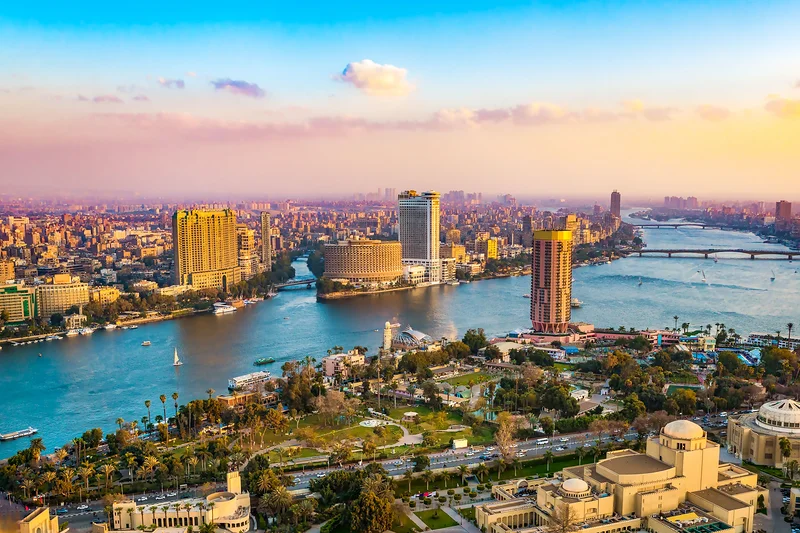
Cairo is the largest city in Africa and a place where ancient history hits you from every angle. You can spend your days exploring the Giza Pyramids, wandering the historic architecture of the Islamic Quarter, or visiting the spiritual sites of the Coptic Quarter. Top off your trip with a stroll through the local souks or a cruise down the Nile for a perspective you just cannot get anywhere else.

Aswan

#2 Aswan +27

Perched on the east bank of the Nile, Aswan serves as Egypt's southernmost major city, acting as a cool oasis amidst the desert. As the gateway to the ancient Kingdom of Nubia, it has a history deeply rooted in trade routes and caravans. While many travelers treat it as a fleeting pit stop before heading to the temples of Abu Simbel, the city itself possesses a distinct character defined by its lush, green landscapes, scenic islands, and significant historical sites.

A market you cannot miss

Navigating Aswan is straightforward, as the corniche runs along the Nile for several miles, concentrating most of the city's cafes and restaurants. It makes for a pleasant stroll, with the city unfolding into the streets perpendicular to the water. The souk is one of the city's most vibrant landmarks. Day or night, this large covered market is packed with vendors, and the stalls overflow with Egyptian and African goods including perfumes, spices, textiles, handicrafts, incense, fruits, and flowers. It is the place to hunt for deals, and on the outskirts, Nubian culture is on display through traditional items like talismans, jewelry, and basketry. The market is a sensory experience of color and scent. A local specialty is stuffed pigeon, often prepared with rice, served on skewers, or simply grilled. You will also find molokhia (a traditional vegetable soup), eggplant dishes, mezzes, tahini, and fresh fish. Pair your meal with local flatbread, fresh fruit juices, and a Nubian coffee spiced with cardamom.

Island hopping

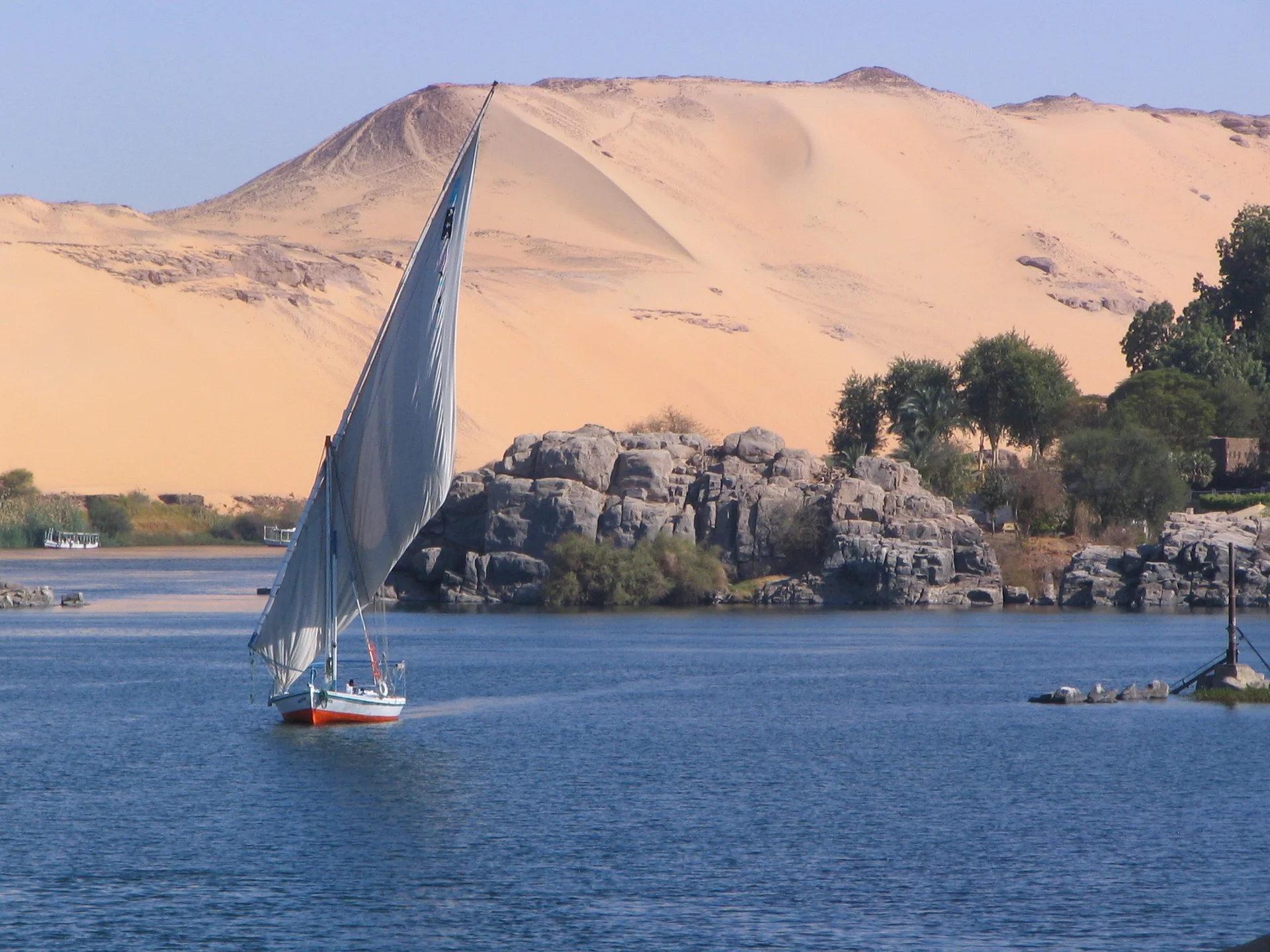
Directly across from the city center, Elephantine Island is a must-see. You can reach it by hiring a felucca, one of the traditional sailboats that remain the most common way to get around on the water here. Siou and Koti, two Nubian villages, sit nestled between farm fields and palm groves on the island, where the colorful homes create a quiet, timeless atmosphere. You can explore the ruins of the Temple of Khnum, dedicated to the ram-headed deity. Within this archaeological site, you will find the nilometer, which is arguably the most famous staircase used to measure the Nile's annual flood levels. Colonnades decorated with hieroglyphs round out the site, and from here, you can see the elegant pink granite Aga Khan Mausoleum, built in 1959, overlooking the water. A small museum dedicated to Nubian culture provides context on the region's history, which is closely linked to the construction of the Aswan High Dam. You can visit the dam itself, and the recent Nile Museum offers a complete overview of the project.

The neighboring island is a small slice of paradise. Kitchener Island is home to the fabulous Botanical Garden, established in 1896. The relief provided by its greenery in the middle of the desert is striking. Plants, flowers, and trees from equatorial Africa, India, and tropical Asia create a lush canopy. The contrast with the arid sand on the opposite bank is sharp, and the garden serves as a peaceful refuge for birds.

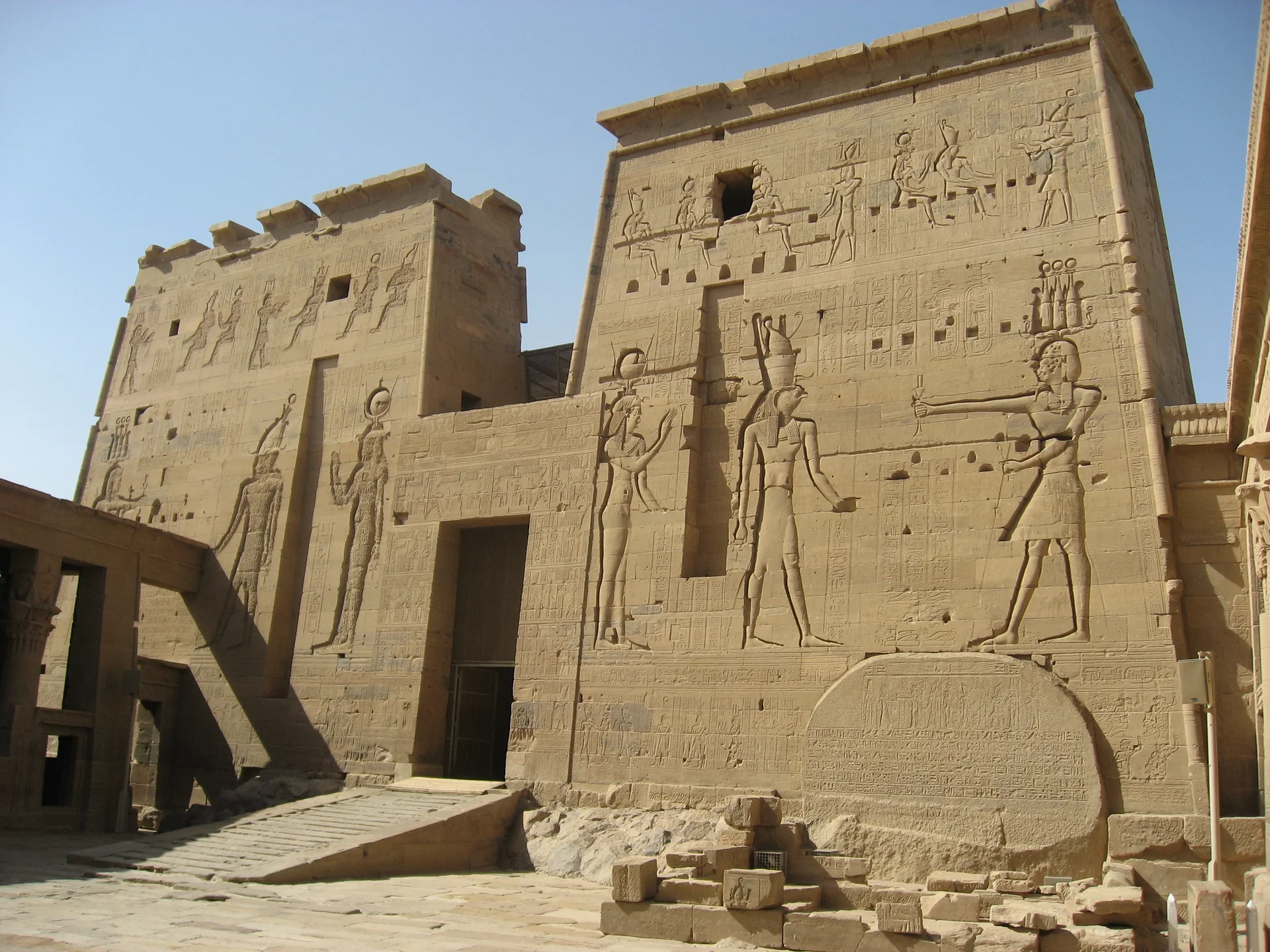
On the west bank of the Nile, the Tombs of the Nobles feature long ramps used for transporting sarcophagi. It is a mysterious site that offers panoramic views. Further west, the Monastery of Saint Simeon sits atop a plateau. It was once home to 300 monks until 1321, and this complex of four buildings remains one of the most important monuments from the Christian era. With its 26-foot walls, it resembles a fortress and is remarkably well-preserved. About 1.2 miles from Aswan, the granite quarry houses the Unfinished Obelisk. Commissioned by Queen Hatshepsut nearly 1,500 years before the common era, the project was abandoned after the stone cracked, leaving us with a massive relic still lying in its excavation trench. Six miles away, on Philae Island, the Temple of Isis from the 4th century BCE is yet another architectural marvel. Aswan is a legitimate destination in its own right, offering a genuine and compelling experience.

When to go

The climate is arid and dry. It is most pleasant from December through February when temperatures are mild. From June through September, the heat can become extreme.

How to get there

You can find numerous flights into Aswan International Airport, located 12 miles from the city center. Public transportation and taxis are available for the transfer. If you are coming from Cairo, 520 miles away, you can take a sleeper train, which is a popular choice for the distance, or a direct 80-minute domestic flight.

Luxor

#3 Luxor +25

Luxor holds the highest concentration of ancient pharaonic ruins on the planet. You can walk through the massive temple complexes of Karnak and Luxor, explore the tombs in the Valley of the Kings, or visit the cliffside mortuary temple of Hatshepsut. Spanning both banks of the Nile, this former capital of ancient Egypt functions today as an open-air museum where three millennia of history appear around every corner.

Abu Simbel

#4 Abu Simbel +17

In southern Egypt, Abu Simbel could have easily remained an unassuming village, known primarily to freight drivers for its proximity to the Sudanese border. That changed thanks to ancient Nubia, which left behind two priceless treasures buried under the sand: the Great Temple of Ramses II and the Temple of Nefertari, discovered in 1813 and 1817 by Swiss and Italian explorers. Threatened by the rising waters of the Nile, they had to be moved 160 meters in 1964. It took three and a half years and 3,000 workers to clear and cut the stone blocks, a colossal operation that captivated the world and permanently altered the destiny of this small town in the Aswan region. Located on the edge of Lake Nasser, Abu Simbel now welcomes millions of travelers.

A peaceful haven

Its desert location makes Abu Simbel a destination with real character, and while the archaeological sites are the main attraction, it is worth staying at least one night. Some hotels are true homages to Nubian culture, their architecture and traditional decor possessing immense charm. In local restaurants, you will find distinctive cuisine with specialties such as tahina made from sesame, babaghanouj, which is an eggplant puree, and of course foul, a stew of hearty fava beans. Food lovers often gravitate toward mehallabeyya, a pudding flavored with rose water and topped with pistachios. While some claim Nubian coffee is among the best in the world, the hibiscus tea is a strong contender.

Aside from desert excursions, another highlight of Abu Simbel is Lake Nasser, a magnificent body of water that acts like an inland sea in the middle of the desert. Among the papyrus, birds like herons have made their home here, creating a tranquil environment far from urban noise and bathed in exceptional light. On its shores, the Pharaoh stands guard over his lands as an eternal master.

Ramses II, immense and eternal

In a country filled with remarkable ancient sites, Abu Simbel is certainly one of the most striking. On the ancient sacred hills of Meha and Ibshek, Ramses II launched a massive construction project at the beginning of his reign, in 1279 BC, and standing before it today is truly dizzying. The temples are carved directly into the sandstone cliffs, with the largest dedicated to the worship of several deities including the falcon-headed Ra-Horakhty, and of course, Ramses himself. The 33-meter facade is composed of four statues measuring about 20 meters tall that leave no doubt about their purpose. Dressed in a kilt, wearing the nemes headcloth, and sporting a false beard, the Pharaoh sits in all his splendor. Inside, you find a hypostyle hall with hypnotic engraving detail, and ten side chambers leading to the hall of statues, which are equally massive. The walls recount his victories, including the Battle of Kadesh and his exploits against the Hittites and Libyans. The ingenuity of those who built this oversized temple lies in one detail: at every equinox in February and October, everything is designed so that a ray of sunlight slips inside to illuminate the statue of Ramses for his birthday.

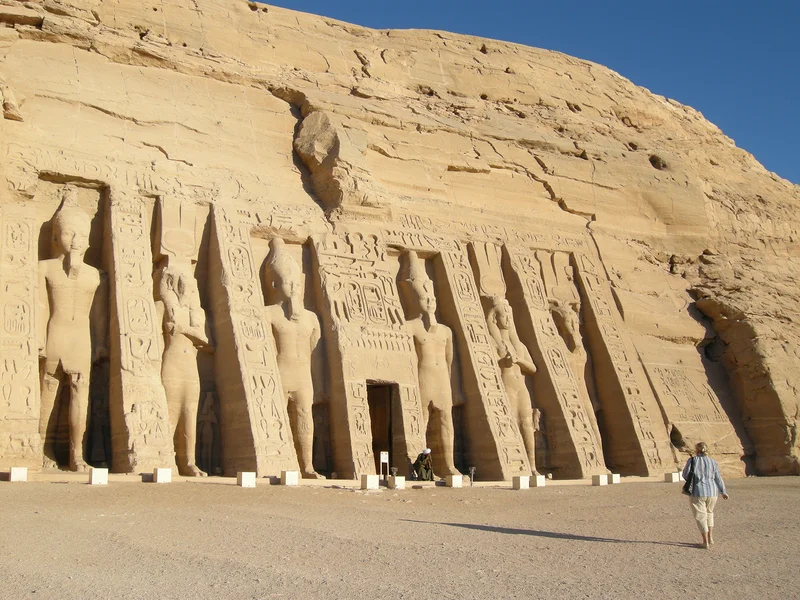
A few meters away sits the temple dedicated to Nefertari, the first and favorite wife of Ramses II, who was deified in the image of Hathor. It is more intimate, with six 10-meter-tall statues on the facade, including four representing the Pharaoh, along with sumptuous bas-reliefs and sculptures of their children at their feet. The queen is depicted with her horned crown and tall feathers, radiating imperial beauty. Inside, texts and reliefs highlight the couple, sometimes with great tenderness, alongside various deities. In the evening, a light and sound show illuminates the site. Ramses II is long gone, but he continues to reign and fascinate.

When to go

The hot season lasts from May to October, with an arid and dry climate that can reach extreme temperatures. January is the coolest month, and if you are sensitive to heat, the period between February and April is ideal. To avoid the crowds, it is highly recommended to visit the temples very early in the morning.

How to get there

Most international travelers fly into Cairo and connect to Aswan, which is 280 km from Abu Simbel. The road crosses the desert, and buses handle the route regularly. Some opt for a private driver. You can also choose a cruise that includes a stop at Abu Simbel. The town has its own airport, and the flight from Aswan takes 45 minutes.

Giza

#5 Giza +10

Located about 12 miles southwest of Cairo, Giza functions essentially as the metropolis's sprawling suburb. Situated on the west bank of the Nile and separated from the capital by a bridge, the city is defined by distinct neighborhoods with strong individual identities. Millions of travelers visit every year, drawn by the chance to stand before the last of the seven wonders of the ancient world still standing: the Great Pyramid of Giza. On the plateau and within the necropolis, two other pyramids round out a legendary Old Kingdom complex guarded by the iconic Sphinx. It is hard to compete with such monumental history, making Giza a primary stop on any Egyptian itinerary.

Culture in all its forms

Between aging apartment blocks, luxury hotels, and the agricultural community of Qorsaya Island, Giza can be disorienting. This urban landscape illustrates the constant struggle to balance ancient heritage with the demands of a modern city. Giza is energetic and divided into neighborhoods with unique character. Chic and trendy, Mohandessin focuses on elegance and commerce, filled with restaurants and cafes. It is also the home turf of the Ultras Ahlawy soccer fans, so match nights here are high-energy affairs. Kit Kat is a much more working-class area where you will find many tile artisans. Among the notable buildings, the massive Cairo University, founded in 1908, stands out for its impressive architecture. Nearby, the Al-Orman Botanical Garden serves as one of Giza's green lungs. Its 30 acres feature impressive collections of cacti and trees. While it saw some neglect following the Arab Spring, it remains a peaceful escape. Housed in a former private mansion, the Mohamed Mahmoud Khalil Museum gathers 19th-century art, including a significant number of French works. Located in the heart of Egypt, paintings by Delacroix, Gauguin, Monet, and Van Gogh offer an unexpected contrast to the Orientalist canvases on display. You can also find culture in the poignant Taha Hussein House-Museum, an intimate space that provides a window into the life of one of the 20th century's most influential writers and intellectuals.

Craftsmanship often blurs the line into fine art, and those who visit the Ramses Wissa Wassef Art Center will see why. Weaving is the core of this unique educational site, which has received numerous awards for its aesthetic quality and philosophy. In an unconventional space designed by the professor who was also an architect, the visit is as beautiful as it is educational.

Near the Al Bahr Al Aazam avenue, one of the most unusual attractions has opened its doors, acting as a gateway to the past. The Pharaonic Village transports you into a fully reconstructed Ancient Egypt. Through life scenes, traditional trades, period costumes, and music, you encounter the great figures of that era in settings inspired by Nubia. Sports, games, shows, and playgrounds make it a popular entertainment site, and it sets the stage for the most fascinating encounter of all, the one with the pyramids themselves, built 4,500 years ago.

Facing the Pyramids and the Sphinx

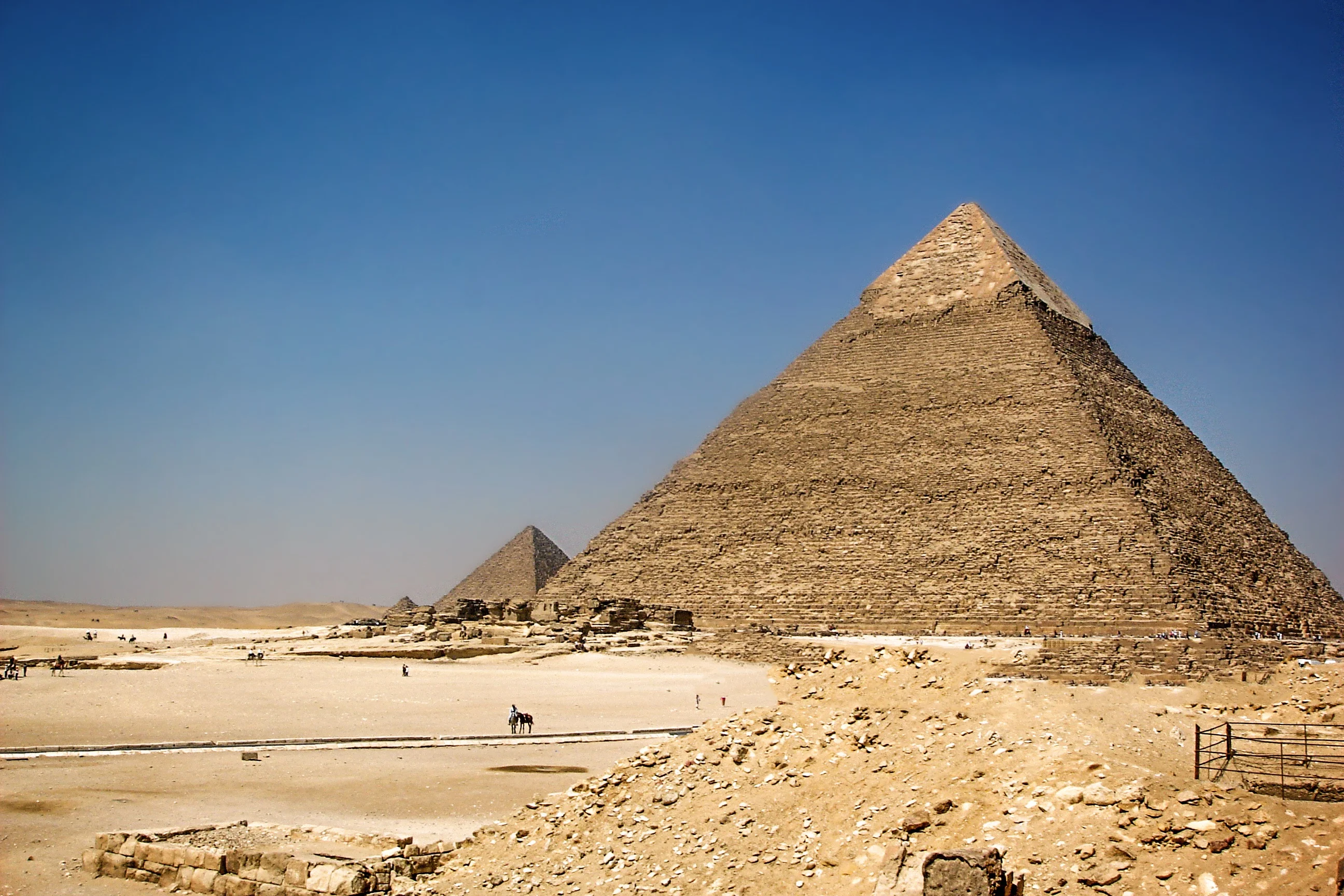
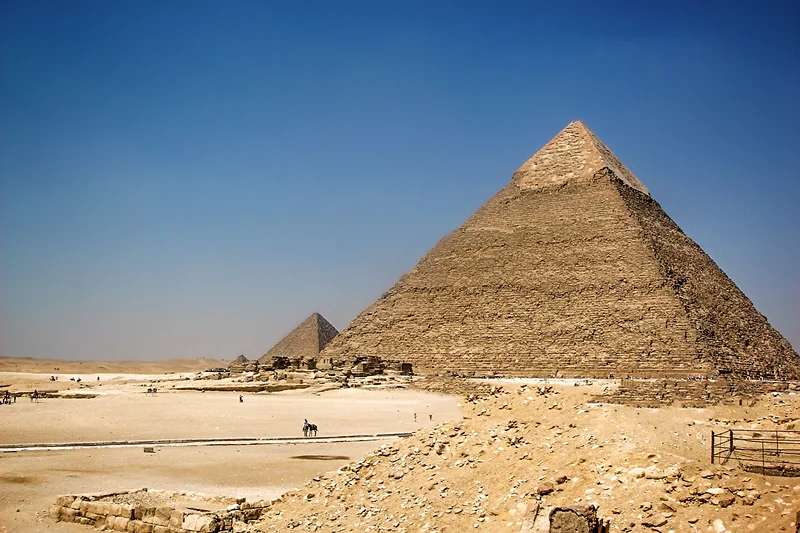
A few miles away on the desert plateau, the three largest pyramids in Egypt await. The pyramid of Khufu sits at the center of the funerary complex, serving as the oldest and largest tomb. Standing 479 feet tall, it is a massive structure composed of 2.5-ton limestone blocks. It is a monument of pure mystery and scale. The experience of being here is hard to put into words, and you can visit the interior, though the passages leading to the sarcophagus chamber are extremely narrow. Beside it stand the Pyramid of Khafre and the Pyramid of Menkaure, which are smaller, along with the queens' pyramids, the remains of the funerary temple, and the hidden mastabas, shafts, and underground chambers.

Since 2590 BCE, the Sphinx, measuring 240 feet long and 65 feet high, has watched over the site. Carved from a single block of bedrock, this constant guardian with its broken nose is unique for its human head and lion body. The identity of the monarch it represents remains a subject of debate, but through its sheer scale, it has certainly achieved immortality.

When to go

With spring and autumn temperatures hovering around 90°F, these shoulder seasons are the most comfortable times to explore Giza, especially the pyramid complex where you will be doing a lot of walking. Summer brings many scorching days with dry air. Winters are mild, with an average of 57°F.

How to get there

The pyramid site is about 5 miles from Giza, which sits roughly 12 miles from Cairo. Buses and taxis handle the connection. Flights to Cairo are available from numerous major international hubs.

Ranking of the 15 activities selected by our editors in Egypt

#1 Pyramids of Giza (Giza) +19 4.4

The Pyramids of Giza consist of three structures on the Giza plateau in Egypt. The largest, the Great Pyramid of Khufu, is one of the seven wonders of the ancient world. Joined by the pyramids of Khafre and Menkaure, these 4,500 year old monuments remain a masterpiece of Egyptian architecture.

See the guide See deals

#2 Karnak (Luxor) +10 4.7

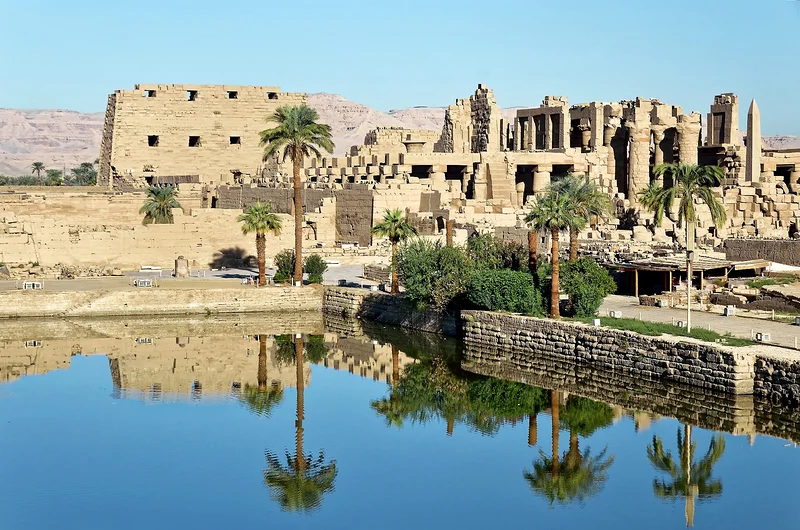
For 2,000 years, Karnak expanded under successive pharaohs. Started in 2,200 BCE, it remains one of the largest religious sites on Earth. Three enclosures honor Amun, Mut, and Khonsu. Beyond the temples, you will find the remarkable avenue of sphinxes. The sacred lake, obelisks, and the 134-column hypostyle hall define this unique, ongoing excavation site in Luxor.

See the guide See deals-7%AVYGEO7

#3 Khan el-Khalili Market (Cairo) +9 4.5

Khan el-Khalili Market, in the heart of Cairo, is a historic bazaar dating back to the 14th century. Browse stalls for spices, jewelry, textiles, and local crafts. Stop by traditional cafes like El-Fishawi for a drink. Visit in the morning or late afternoon, and remember that haggling is expected here.

See the guide See deals

#4 Egyptian Museum (Cairo) +9 5

The Egyptian Museum, located at Midan Tahrir (Tahrir Square) in Cairo, holds the largest collection of Egypt antiquities globally. Explore over 120,000 items, including statues, mummies, and pharaonic treasures. The highlight remains the collection of Tutankhamun, featuring his iconic gold mask. The neoclassical architecture creates a unique setting for this deep dive into history.

See the guide See deals

#5 Philae Temple (Aswan) +9 4.5

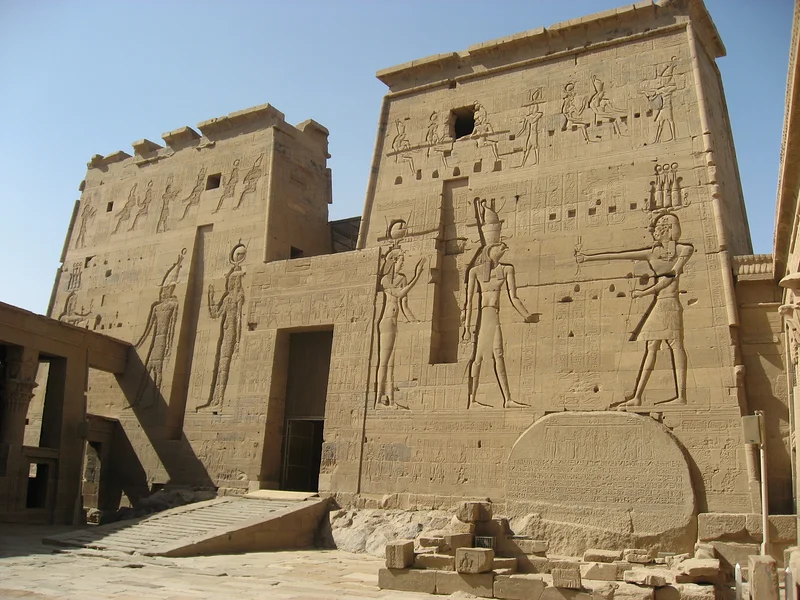
Built under Nectanebo I, the Philae Temple is a sanctuary dedicated to the goddess Isis. Dating to the 4th century BCE, this site nearly vanished under the Aswan High Dam. It was dismantled and moved to the nearby island of Agilkia. Today, visitors explore ruins like the Kiosk of Trajan.

#6 Abu Simbel Temple (Abu Simbel) +8 5

As a UNESCO World Heritage site, the Abu Simbel Temple of Ramses II stands as a premier symbol of ancient Egypt. This massive Nubian monument honors both the gods and the Pharaoh. Its rock-cut facade and 65-foot-tall colossi date to 1260 BCE. Together with the nearby Temple of Nefertari, it remains an architectural masterpiece.

See the guide See deals

#7 Temple of Edfu (Edfu) +6 5

Located halfway between Aswan and Luxor, the Temple of Edfu is dedicated to Horus, the falcon god, and ranks among the best-preserved sites in Egypt. Built during the Ptolemaic period, it features a monumental pylon, detailed carvings, and a sanctuary housing a replica of the sacred solar barque. Explore this masterpiece of ancient architecture.

See the guide See deals

#8 Unfinished Obelisk (Aswan) +6 4

Resting in a granite quarry in Aswan, the Unfinished Obelisk stretches 42 meters and would have been the largest ever erected. Abandoned due to cracks, it showcases ancient Egyptian methods for carving granite. This site provides a unique look at the symbolic importance of obelisks dedicated to the sun god Ra.

See the guide See deals

#9 Temple of Kom Ombo (Aswan) +6 4

Perched on the banks of the Nile, 31 miles north of Aswan, the Temple of Kom Ombo is unique in Egypt for its dual dedication to Sobek, the crocodile god, and Horus the Elder, the falcon god. Its symmetrical sanctuaries and preserved reliefs are captivating. An adjacent museum displays mummified crocodiles, relics of ancient religious practices.

See the guide See deals

#10 Step Pyramid of Djoser (Cairo) +6 4

Built at the Saqqara site, the Step Pyramid of Djoser is Egypt's first pyramid, dating back over 4,600 years. Designed by the architect Imhotep, it rises in six tiers within a vast funerary complex of temples and courtyards. Recently restored, it allows visitors to explore interior corridors and view the desert landscape.

See the guide See deals

#11 Hanging Church (Cairo) +6 3

The Hanging Church, located in the Coptic district of Cairo, is a historic and spiritual landmark. Built in the 3rd century above the Roman fortress of Babylon, it features carved iconostases, a boat-hull ceiling representing Noah's Ark, and vibrant icons. This peaceful space invites visitors of all backgrounds to explore Coptic Christian history in Egypt.

See the guide See deals

#12 Elephantine Island (Aswan) +6 5

Across from Aswan, Elephantine Island blends ancient ruins with tranquil river views. Explore the Temple of Khnum, the Satis site, and historic nilometers that track the Nile. The local museum displays regional artifacts, while nearby Nubian villages offer a vibrant cultural experience. Reach this peaceful spot by felucca for a true sense of Egypt.

See the guide See deals

#13 Luxor Temple (Luxor) +5 4

Built during the 18th and 19th dynasties in the former capital, Luxor Temple is a grand legacy of Ancient Egypt. Shaped by successive pharaohs, it features colossi, a massive pylon, a 26-meter obelisk, and a colonnaded courtyard. This site, which even includes an active mosque, was rediscovered in 1884.

See the guide See deals-7%AVYGEO7

#14 Ras Mohammed National Park (Sharm el-Sheikh) +4 4.5

With some of the world's finest coral ecosystems and massive schools of tropical fish, Ras Mohammed National Park is the top destination for scuba divers. Protected since 1983, this site blends desert and mangroves across the Sinai Peninsula. Free from construction, it remains one of the most pristine natural landscapes in Egypt.

See the guide See deals

#15 Saladin Citadel (Cairo) +3 4

The Saladin Citadel, perched on Mokattam Hill in Cairo, is a major historical landmark. It features the grand Mosque of Muhammad Ali with its Ottoman domes and minarets, the Egyptian Military Museum, and panoramic views of the city. On clear days, you can even spot the Pyramids of Giza in the distance.

See the guide See deals

Visiting Egypt: A Country with Thousands of Years of History

You've seen the pyramids on TV your whole life. Standing next to one hits different. Egypt delivers that kind of reality check repeatedly, whether you're walking through a pharaoh's tomb in Luxor, getting lost in a Cairo spice market, or floating above a coral reef in the Red Sea. Few countries pack this much into one trip.

The Pyramids and Ancient Sites

The Pyramids of Giza are the only surviving wonder of the ancient world, and the Great Pyramid of Khufu still dominates the skyline in a way no photo prepares you for. A few miles away, the Egyptian Museum in Cairo holds Tutankhamun's gold burial mask along with thousands of other artifacts pulled from tombs across the country. Head south and Luxor opens up an entirely different scale of ancient Egypt: the Valley of the Kings, the temple complex at Karnak, and the rock-cut temples at Abu Simbel, carved directly into a sandstone cliff face around 1264 BCE.

Cairo: Chaos, History, and Energy

Cairo is one of Africa's largest cities, and it shows. The historic center holds the Ibn Tulun Mosque, one of the oldest in the city, and the Khan el-Khalili bazaar, a sprawling market where you can spend hours wandering through stalls selling copper goods, spices, textiles, and jewelry. Up on the hill above the city, the Saladin Citadel and the Mosque of Muhammad Ali give you a sweeping view over the entire metro area.

The Red Sea: Reefs and Beach Resorts

The Red Sea coast is Egypt's other major draw. Hurghada and Sharm el-Sheikh are the main resort towns, both with clear water and coral reefs that rival anything in the Caribbean, with consistently excellent visibility and a wider variety of marine life. Further south, Marsa Alam is the spot for encounters with sea turtles and dolphins in less crowded conditions.

The Desert and Its Oases

Western Egypt is a completely different world. The Siwa Oasis, deep in the dunes near the Libyan border, is remote but rewarding, with natural hot springs and ruins from the ancient Greek period. The Bahariya and Dakhla oases are easier to reach from Cairo and serve as jumping-off points for 4x4 trips into the White Desert, where chalk rock formations create a landscape that looks genuinely otherworldly.

Egyptian Food: Spices, Legumes, and Mediterranean Influence

Egyptian cooking pulls from both Middle Eastern and Mediterranean traditions. Koshari is the national street food: a bowl of rice, pasta, lentils, and tomato sauce topped with crispy onions, sold for around 20-40 EGP (under $1) from carts all over Cairo. Ful medames, a slow-cooked fava bean mash with olive oil and lemon, is the standard breakfast. For something sweet, basbousa is a dense semolina cake soaked in syrup, usually served alongside mint tea. If you drink, Stella is the local Egyptian beer and widely available at licensed restaurants and hotels.

When to Go

The sweet spots are fall (October and November) and spring (March and April), when temperatures in Cairo hover in the 70s°F and the desert is manageable. Summer is brutal, especially in Upper Egypt and the desert interior, where daytime highs regularly exceed 100°F. Winter sees fewer crowds and mild daytime temps, though desert nights get genuinely cold. If you're going in February, the Abu Simbel Sun Festival is worth timing your trip around: twice a year, the rising sun aligns perfectly to illuminate the statues inside the temple.

Getting There

From the US, you'll almost always connect through a European or Middle Eastern hub to reach Cairo International Airport. Total travel time from the East Coast typically runs 12 to 16 hours depending on your layover. Round-trip fares generally fall between $700 and $1,200 depending on season and routing. For Red Sea beach trips, some international carriers fly directly into Hurghada or Sharm el-Sheikh. There's also an overland option: a ferry runs from Aqaba, Jordan to Nuweiba on Egypt's Sinai coast, which works well if you're doing a broader Middle East trip. US citizens can get a visa on arrival at Egyptian airports for around $25, or apply in advance through the Egyptian e-visa portal.

Getting Around

The overnight sleeper train from Cairo to Luxor or Alexandria is comfortable and a genuinely good value, think Amtrak sleeper quality but cheaper. Long-distance buses connect most major cities and cost very little, though comfort varies. In Cairo, Uber works well and is far easier than negotiating with taxis. For the desert oases, plan on hiring a 4x4 with a driver, there's no practical way to explore Siwa or the White Desert otherwise.
Find the best deals to travel to Egypt

Hotels and stays Flights Car rentals Custom trips

Top photos posted by members

Pyramides de Gizeh
Temple de Philae à Assouan
Ile Eléphantine à Assouan