Visiting China: An empire where ancient dialogues meet the ultramodern
Picture a place where futuristic skyscrapers stand right next to millennial temples, and giant pandas munch on bamboo while bullet trains fly by at 350 km/h. China is not just a destination, it is an entire universe. Spanning 9.6 million square kilometres with 4,000 years of history, the Middle Kingdom confronts you with a fascinating reality: an ancient civilization that embraced modernity without ever turning its back on its roots.
China: Is this trip right for you?
China leaves no one indifferent. It delights curious travelers, those looking for authentic adventure who do not mind having their certainties shaken up. If you dream of a pre-packaged vacation where everything is entirely predictable, look elsewhere. Here, the language barrier can turn buying a train ticket into an odyssey, the crowds at major landmarks defy imagination, and pollution in certain megalopolises can catch you off guard. Yet it is precisely this complexity that forges the most memorable travel stories.
History lovers find plenty to love with treasures like the Terracotta Army or the Great Wall. Food lovers discover a culinary landscape infinitely richer than your local takeout place. And those seeking quiet contemplation get happily lost in the classical gardens of Suzhou or the karst landscapes of Guilin.
Beijing, theater of power and keeper of memory
The Chinese capital grabs you the moment you step out of the airport. Between rigidly laid-out grand avenues and hutongs (traditional alleyways) fighting off modernization, Beijing tells two parallel stories at once. Tiananmen Square stuns with its sheer scale: 440,000 square meters where wide-eyed tourists mingle with impassive guards.
The Forbidden City, also known as Gugong, remains an absolute must-see. Its 980 buildings with golden-tiled roofs hold the secrets of 24 emperors. Get there early: the 80,000 daily visitors create memorable human traffic jams, especially near the dragon throne.
Hidden treasures of the capital
The Temple of Heaven (Tiantan) puts on a unique morning show: starting at 6 AM, Beijing locals gather here for tai chi, traditional dancing, and opera singing. This spontaneous gathering beats any museum in the world.
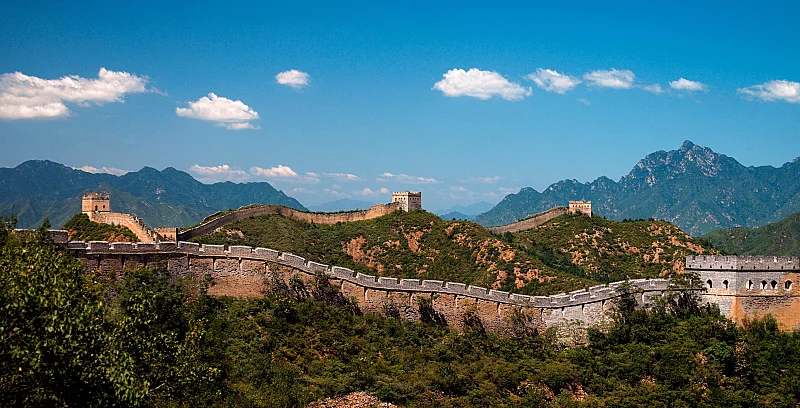
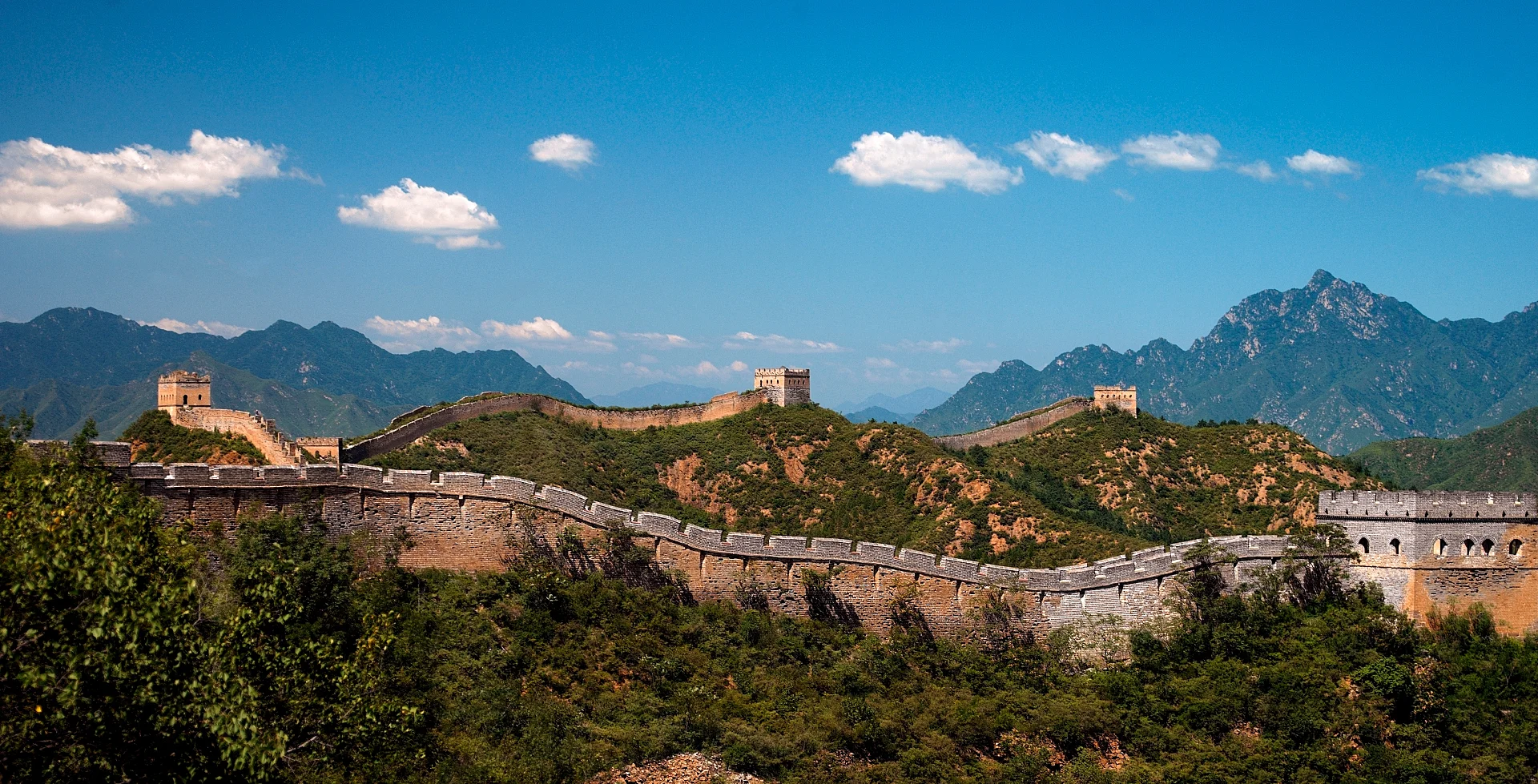
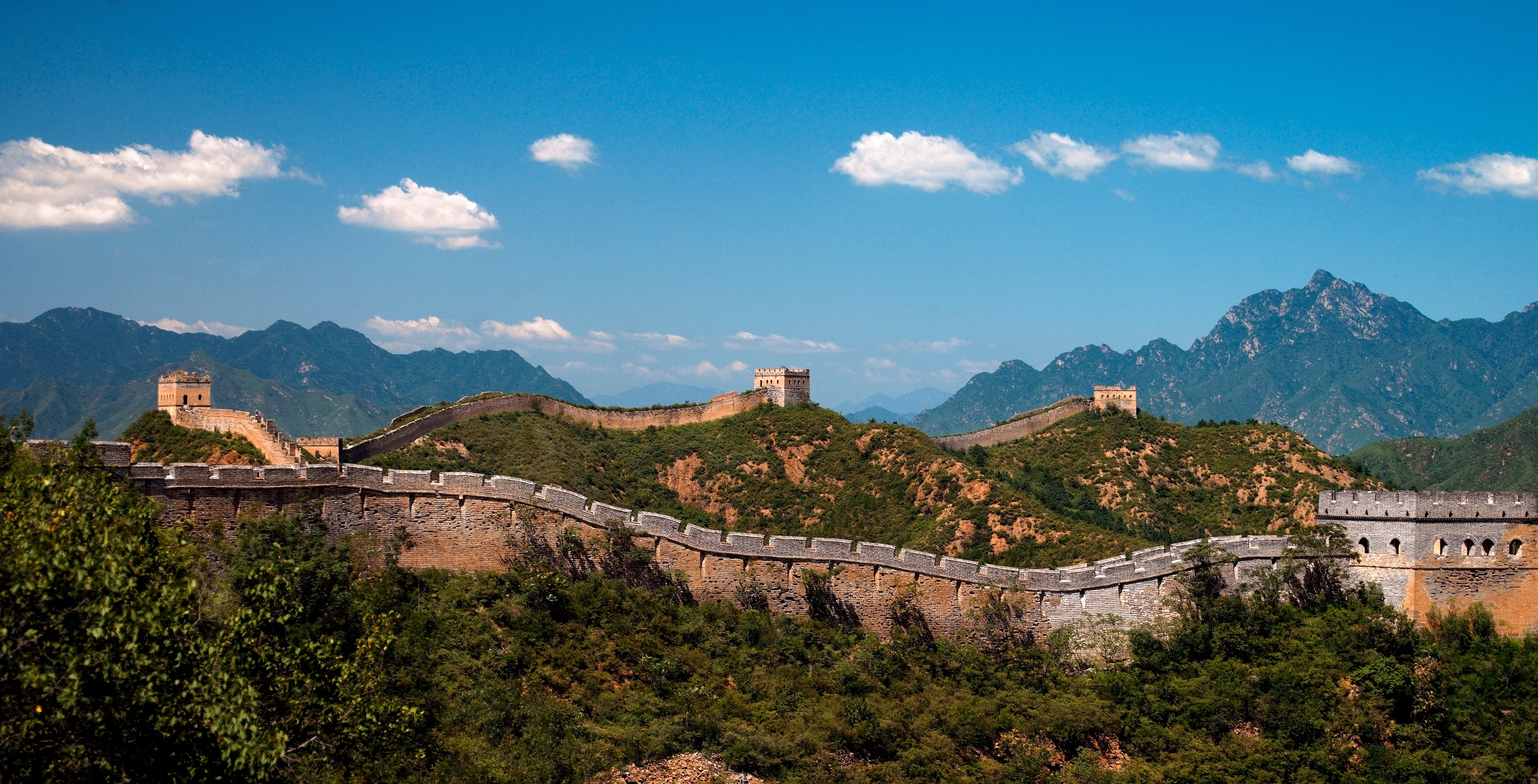
Friendly tip: to avoid the massive crowds at the Great Wall, head to the Jinshanling section instead of Badaling. The 3-hour trek between watchtowers delivers jaw-dropping views without the wall-to-wall selfie sticks.
Shanghai, laboratory of China's future
This former international concession of 24 million residents throws out the rulebook on urban planning. The Bund, an Art Deco waterfront promenade facing the skyscrapers of Pudong, perfectly captures this fascinating urban schizophrenia. On one side stands colonial heritage frozen in stone, and on the other, twenty-first-century China shooting straight for the clouds.
The French Concession keeps an unexpected charm with its century-old plane trees and neighborhood cafes serving real croissants. It is a tiny slice of Europe tucked inside Asia that makes for a surprisingly relaxing afternoon stroll.
The Shanghai way of life
Night markets reveal the gritty, popular soul of the city. The lanes of Tianzifang, old shikumen houses turned into workshops and boutiques, mix questionable antiques with genuine finds inside an atmosphere reminiscent of an Asian souk. It is a full sensory experience: aromas of spices, bargaining in Mandarin, and unexpected discoveries around every corner.
Xi'an and the wonders of Shaanxi
This former capital of thirteen dynasties holds the best-kept secret of ancient China right underground. The Terracotta Army commissioned by the first emperor Qin stuns visitors with its precision: every soldier's face is unique, sculpted 2,200 years ago by artisans whose names are lost to history.
The old city walls, remarkably preserved across 14 kilometres, are best explored by bicycle. This elevated ride reveals striking contrasts between historic neighborhoods and modern developments eating away at the surrounding countryside.
Friendly tip: the xiaochi (small bites) in Xi'an's Muslim Quarter rival the capital's best food. The night market on Beiyuanmen Street serves up dumplings that bear no resemblance to industrial frozen versions.
Postcard landscapes of the South
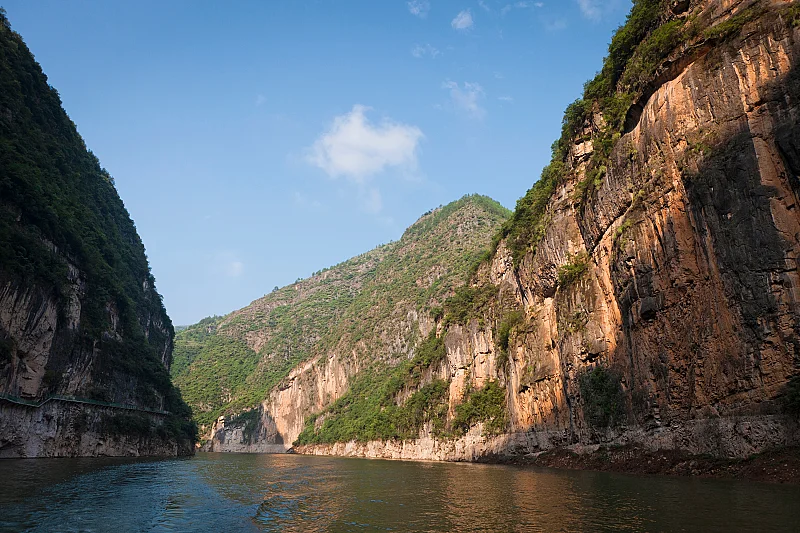
The Guilin-Yangshuo region turns travel magazine clichés into reality. Those karst peaks rising out of rice paddies like green cathedrals create a setting straight out of a martial arts film. Cruising down the Li River reveals a life-sized Chinese scroll painting, especially when morning mist wraps around the peaks.
In Yunnan, a province bordering Tibet and Myanmar, you will find a completely different side of China. In Dali and Lijiang, ethnic minorities preserve their distinct architectural traditions. Carved wooden homes and cobblestone canals contrast sharply with the cookie-cutter urban sprawl of major metropolises.
Chengdu, kingdom of the pandas
The Chengdu Research Base of Giant Panda Breeding is a mandatory pilgrimage to understand how deeply the Chinese cherish their national symbol. These playful balls of fur, filmed by millions of visitors, embody the endearing side of China that makes you forget the country's massive industrial footprint for a little while.
China on a plate: A symphony of regional flavors
Forget everything you think you know about Chinese food. Every region crafts its own culinary identity: Beijing cuisine favors dark sauces and peking duck, Sichuan cooking sets your taste buds on fire with chili peppers and Sichuan peppercorns, while Cantonese cooking relies on the freshness of seafood.
The dim sum in Hong Kong, served out of steaming bamboo baskets, turns breakfast into a social ritual. Sichuan hot pots bring family and friends together around a spicy broth where everyone cooks their favorite ingredients at the table.
Street food reveals the everyday soul of the country: jianbing (stuffed savory crepes) in the morning, baozi (steamed buns) at all hours, and countless grilled skewers filling night markets with mouthwatering smoke. Every single bite tells a story of culinary techniques handed down across generations.
When to visit China?
Spring (April to June) and fall (September to October) offer ideal conditions for exploring the country. Temperatures stay mild, rainfall is limited, and the foliage puts on a brilliant display.
Summer brings stifling heat and monsoons to the South, but it remains the prime time for exploring Tibet and high-altitude regions. Winter turns the North into a Siberian wonderland, but it also reveals the crystalline beauty of the Great Wall blanketed in snow.
Avoid the two "Golden Weeks" (the first week of October and Chinese New Year in January or February) at all costs: 1.4 billion people take vacation simultaneously, turning every tourist attraction into a human anthill.
How to get to China?
San Francisco or Los Angeles to Beijing takes 12 to 13 hours nonstop on United or Air China, and about 15 hours from New York. Air France is an option if you are routing through Europe. Shanghai and Guangzhou also boast daily direct connections. Gulf carriers like Emirates and Etihad offer layover flights through Dubai or Abu Dhabi, which are often cheaper though longer.
Hong Kong makes for an interesting alternative gateway to the South, with the perk of not requiring a visa for stays under 90 days. Mainland China is a different story for US passport holders: the visa waiver China granted to several European countries does not cover Americans, so apply for a tourist visa well before you go.
Getting around China
The Chinese railway network stuns with its efficiency. High-speed trains connect major metropolises at speeds hitting 300 km/h in remarkable comfort. The Beijing to Shanghai run takes just 4 hours and 30 minutes, an engineering feat that rivals the best European rail lines.
For shorter distances, the ultramodern subways in big cities often put their Western counterparts to shame. Mobile apps and English signage make getting around much easier, even if you do not speak a word of Mandarin.
Flying remains essential for reaching remote regions like Xinjiang or Tibet. The dense domestic airline network offers competitive pricing, especially when booked ahead of time.