
Visiting the Great Wall of China
Back in the 3rd century BCE, building a high, thick wall was the go-to strategy for keeping a frontier secure. When you have thousands of kilometres of borders to defend, though, that gets complicated. Unless you are China.
History
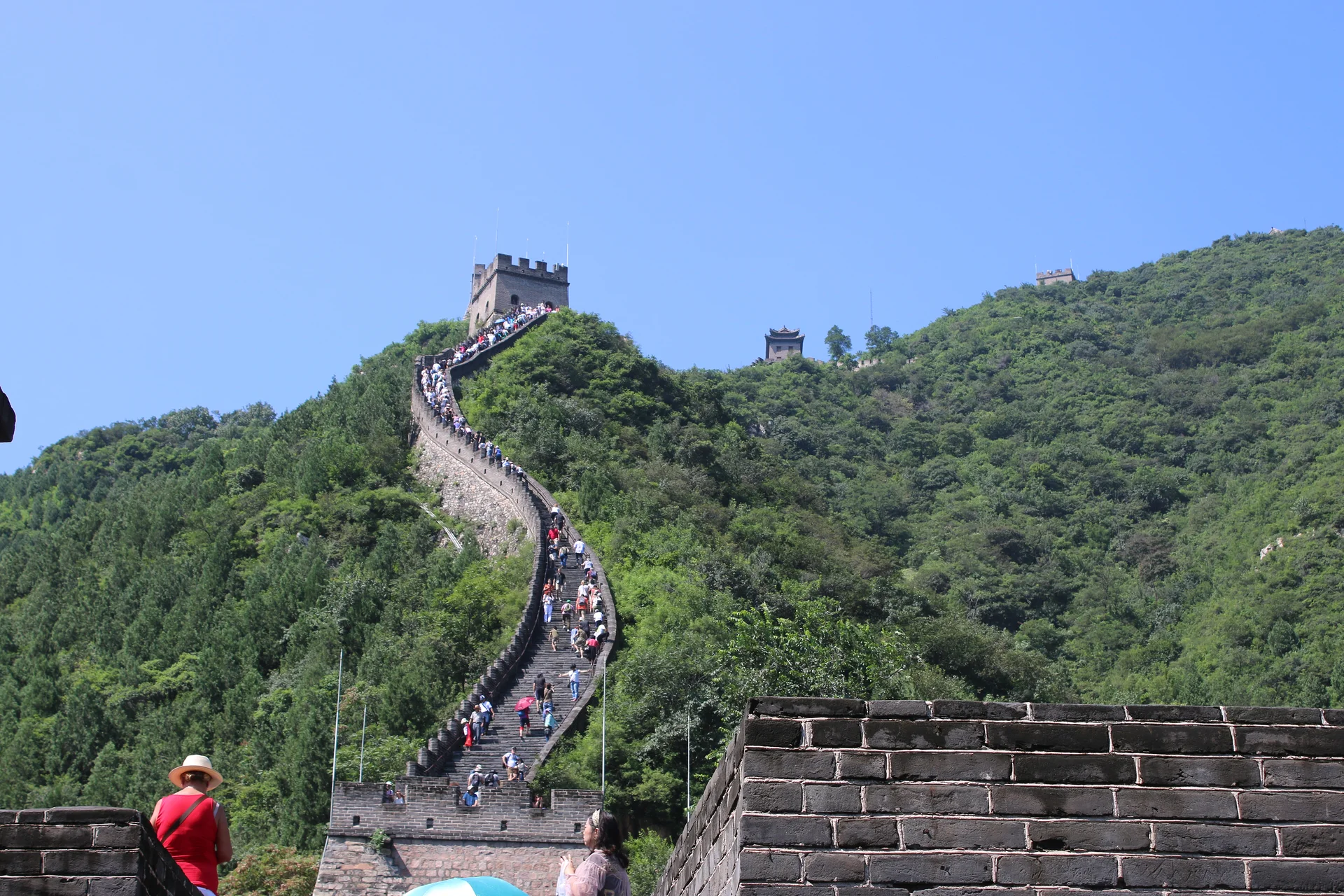
The structure known as the Great Wall of China was built over a period stretching from -596 to 1642. Put simply, nearly every Chinese dynasty left its mark on this monumental feat. Initially, the Qin Dynasty simply linked up earthen walls built by local administrations to safeguard their territory. As the empire expanded, however, those fortifications had to be torn down and rebuilt. The Great Wall we recognize today is a defense erected along the northern frontier of the country, designed to block incursions by nomads living in the Gobi Desert and the Mongolian steppes.
A Monumental Scale
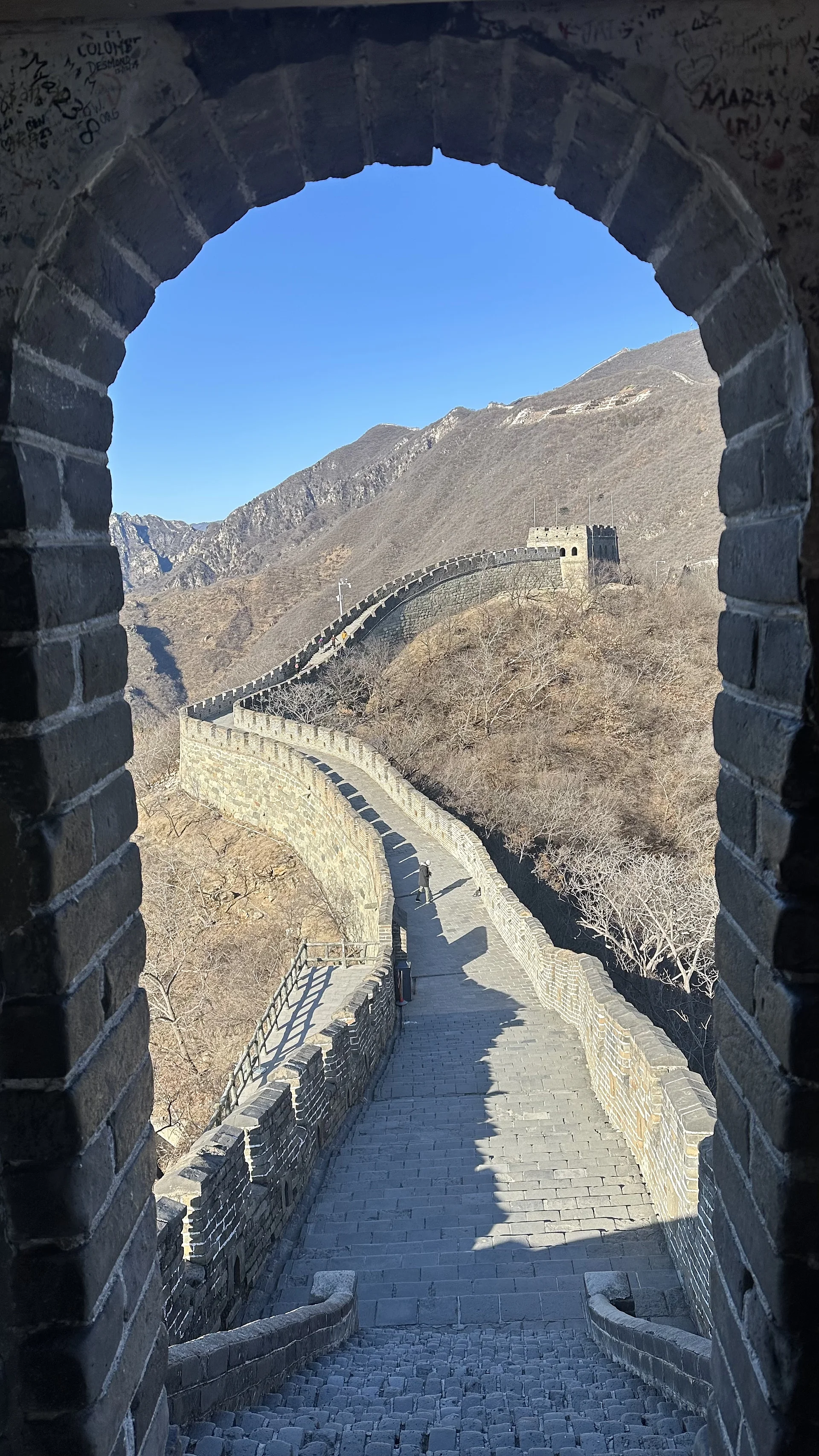
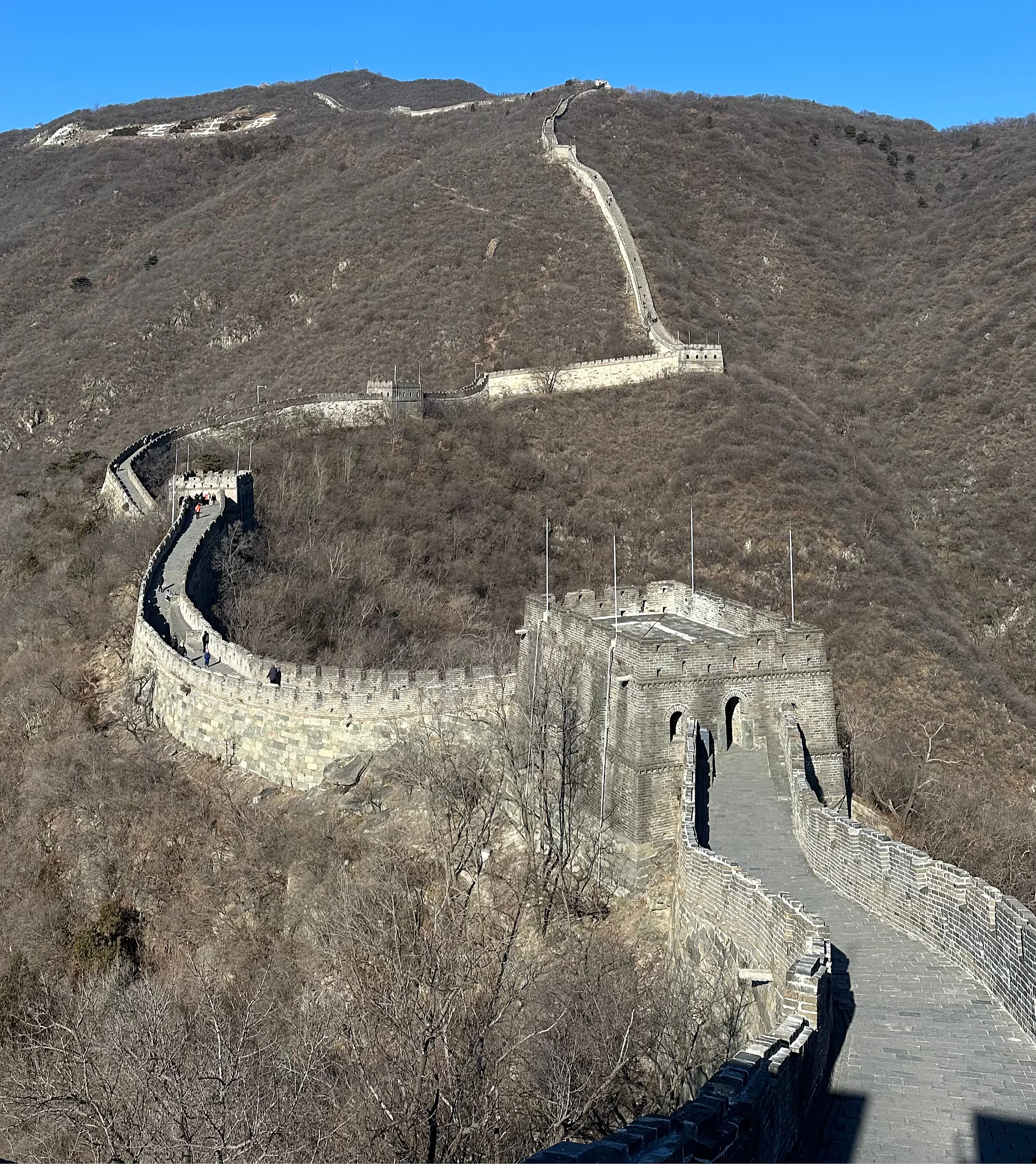
A few numbers help put this unlikely structure into perspective. The Great Wall spans a distance of 6780 km, and satellite studies have revealed an additional 1000 km of buried sections. The wall measures between 5 and 7 metres wide, reaching heights of up to 17 metres. Guard towers and fortified bastions dot its entire length. Unsurprisingly, it stands as the most popular site in China, drawing 15.5 million visitors every year.
Fun Fact
The bright white color of the mortar used on the wall sparked a persistent rumor that human bones had been mixed into it. Scientific analysis eventually revealed that the sole additive was actually 3% sticky rice, which is far less macabre.
The Great Wall of China is the largest construction in human history, and that pretty much sums it up.
Opening hours
*Information subject to change

La muraille pour vous tout seul? J'en rêve. Comment vous y êtes vous pris ?