
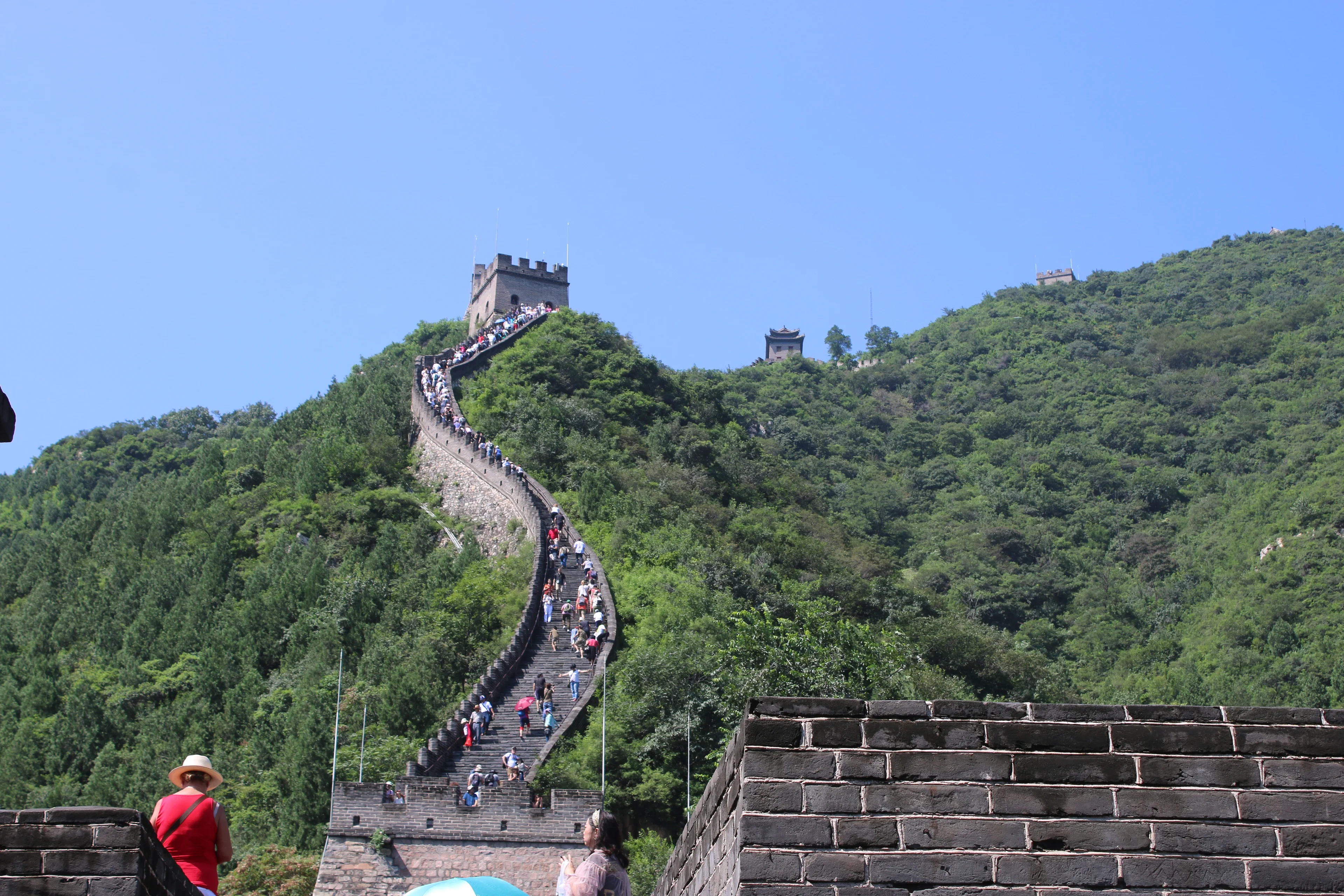
Visiting Juyong Pass, a strategic gateway of the Great Wall
Located in the northwestern suburbs of Beijing, Juyong Pass is a strategic mountain pass that serves as a vital section of the Great Wall of China. Less crowded than Badaling, this site offers a more immersive look at the wall, set against a backdrop of steep mountains and preserved wilderness.
A pass steeped in history
Juyong Pass served as a key defensive checkpoint throughout several Chinese dynasties. Originally constructed during the Qin dynasty and later reinforced under the Yuan and Ming dynasties, the site acted as a physical barrier against northern invasions. Today, visitors can explore the original watchtowers and the remains of heavy fortifications that highlight its former military importance.
A quieter section of the Great Wall
Unlike more heavily trafficked areas like Badaling or Mutianyu, Juyong Pass sees fewer visitors, which makes for a more relaxed experience. Be prepared for a workout, as the climb is demanding with steep stone stairs, though the effort is rewarded with wide views of the valley below.
The Cloud Platform and its carvings
A highlight of Juyong Pass is the Cloud Platform, a massive white marble base dating to the Yuan dynasty. It features detailed Buddhist carvings and inscriptions in various languages, serving as a reminder of the Silk Road and the cultural exchange of that era.
Hiking and the surrounding nature
Juyong Pass is surrounded by mountain terrain ideal for hiking. Beyond the wall itself, several trails allow you to explore the area and enjoy the quiet surroundings. In the fall, the changing leaves add a distinct look to the landscape.
Rich and hearty regional cuisine
The area features traditional northern Chinese cooking, known for bold, savory, and hearty flavors. You will find local staples like grilled mutton, hand-pulled noodles, and Peking duck, which is a regional favorite. For a drink, jasmine tea is a common choice and pairs well with these meals.
Where to eat?
- Juyongguan Great Wall Restaurant: A spot serving traditional Chinese dishes with a view of the wall.
- Beijing Farmhouse: A rustic option focusing on typical northern Chinese country-style cooking.
- Great Wall Heritage Cuisine: A restaurant that offers local dishes updated for a modern palate in a historic setting.
Where to stay?
- Juyongguan Great Wall Hotel: A hotel located near the site featuring traditional Chinese architecture.
- Commune by the Great Wall: A higher-end accommodation with direct views of the wall.
- Beijing Jiuhua Resort: A comfortable option that includes a spa and modern amenities.
When to go?
The best time to visit Juyong Pass is during the spring (April-May) or the fall (September-October) when the weather is mild and the sky is clear. Winters can be harsh with freezing temperatures and icy paths, while summers are often hot and humid with a risk of fog that can obscure the view.
How to get there?
Juyong Pass is located about 60 km from Beijing. A private car or taxi ride takes around 1 hour and 30 minutes (150 to 300 CNY / about $21-42). Public buses also run to the area for a lower cost (about 20 CNY / $3), though they may require a transfer.
How to get around?
The site is primarily explored on foot, with paved paths leading to the various points of interest. It is highly recommended to wear sturdy walking shoes to handle the steep inclines.
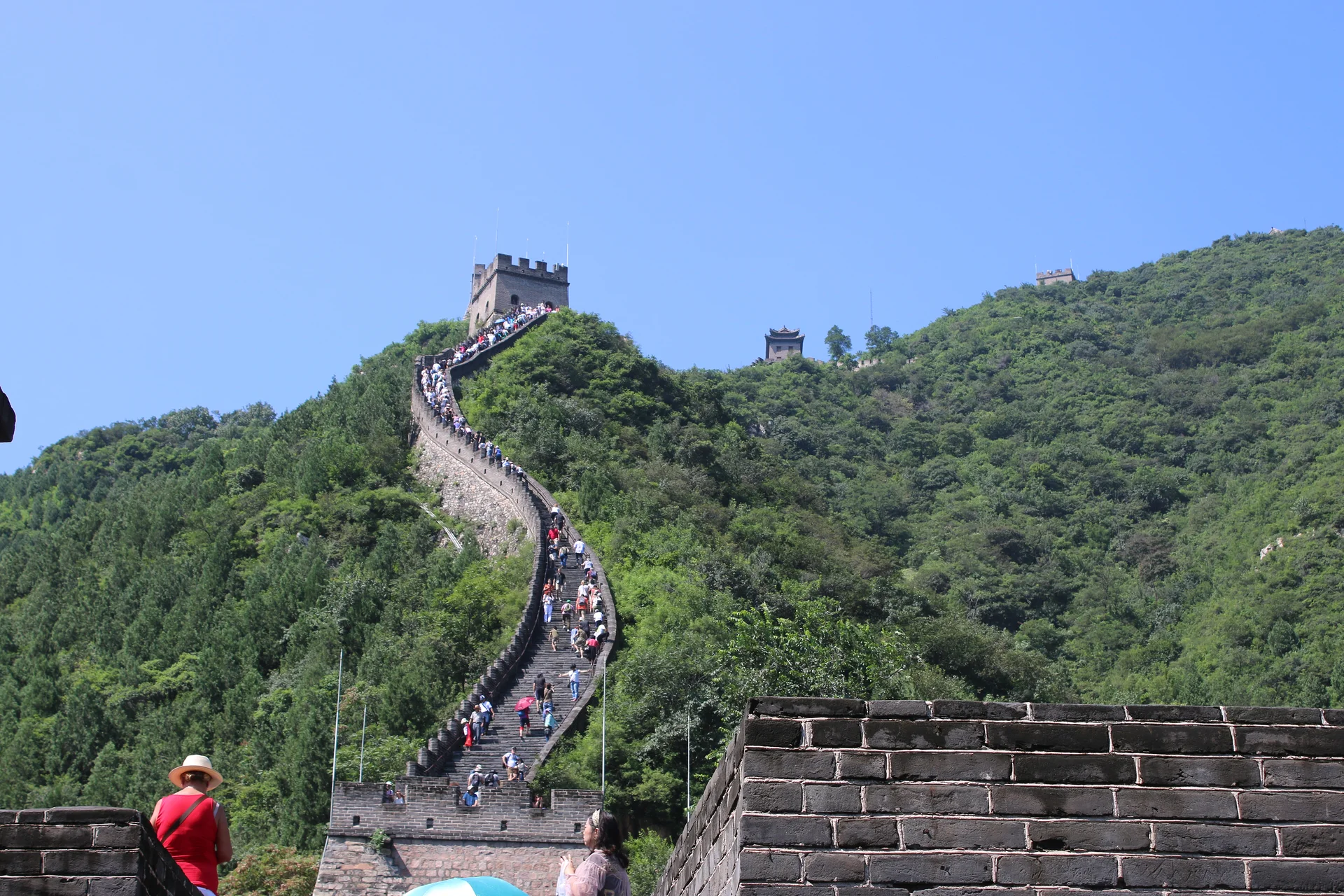

The location in the mountains with a clear view and the Great Wall winding from ridge to ridge could be magnificent. But the tour buses coming from Beijing, just a few dozen kilometers away, dump hundreds of tourists, and it becomes much less magical.