
Shanghai at a Glance
A former fishing port that transformed over three decades into the financial powerhouse of China, Shanghai translates literally to "on the sea" and stuns with its sheer scale. Cut through by the Huangpu River, the city gives off a Manhattan vibe in Pudong, leans into traditional authenticity in Puxi, and bears witness to former foreign concessions along the Bund and in the charming former French concession. A true playground for ambitious youth, Shanghai is cosmopolitan, laid-back, open to the world, and endlessly energetic. Packed with museums and shopping destinations, you will never run out of things to do here.
The climate is subtropical, bringing mild winters alongside very hot and humid summers.
The Bund, Laid-Back and Historic
The Bund, a word Anglo-Indian English borrowed from Persian for an embankment, is one of the most famous waterfront promenades in China. Its Art Deco and neoclassical facades evoke 1930s Chicago or Liverpool. Early in the morning, locals gather here to practice tai chi.
Step inside the magnificent Pudong Development Bank, built by the British. You will notice the solid bronze lions and doors, Carrara marble, and stunning mosaics. Right nearby, the Customs House holds a replica of the Big Ben clock tower. Just 750 metres away, the Waibaidu Bridge draws newlyweds who come to pose for wedding photos.
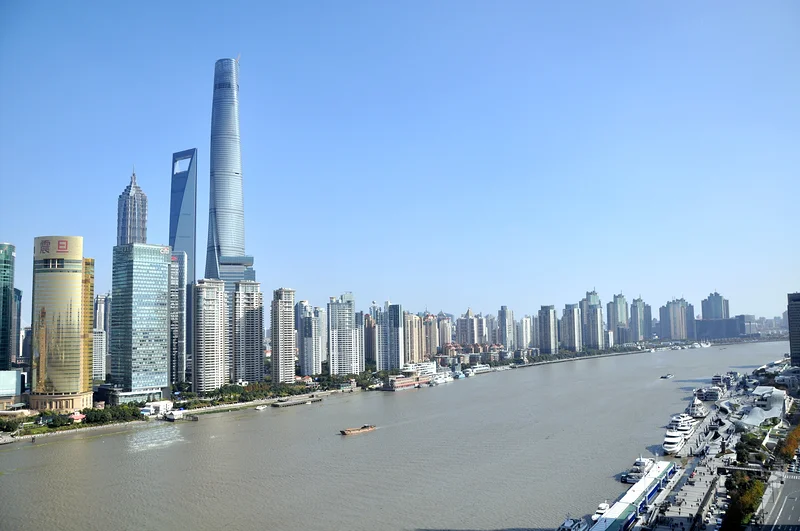
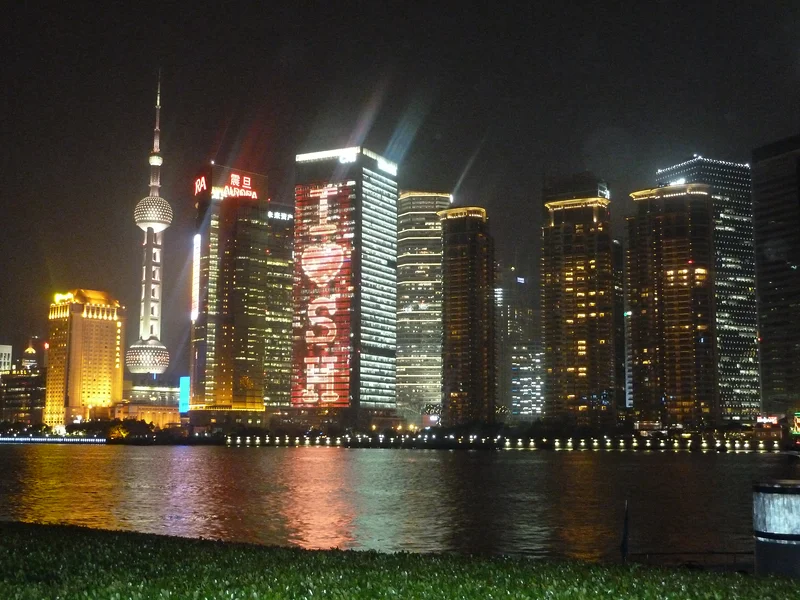
Hop on a river cruise down the Huangpu River, preferably at night, on a waterway three times wider than the Seine. Until 23h, the skyline sparkles with thousands of lights. Head to the Shiliu Pu pier located at level B1, ticket window 1. The cruise lasts 30 to 50 minutes. Alternatively, grab a drink from the 32nd floor of the Hyatt Hotel or the 66th floor of the Royal Meridien near the Bund. The outdoor terrace at Bar Rouge is another great spot.
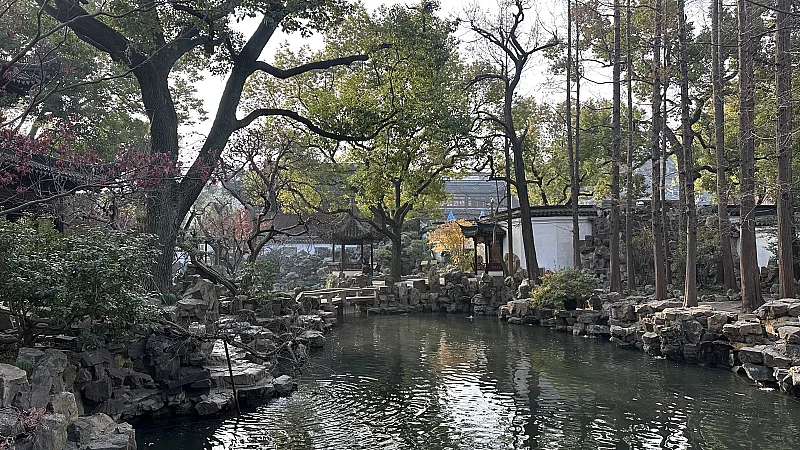
Just steps away, the old town features low-rise houses spread across less than 2 km. Visit the Temple of Confucius, a pocket of peace in the middle of the urban jungle, and the gorgeous Yu Garden, whose name means peace and comfort. If you are curious, wander over to the Wan Shang Market, a cricket market where insect fights involve local betting.
Pudong, Showcase of China's Meteoric Rise
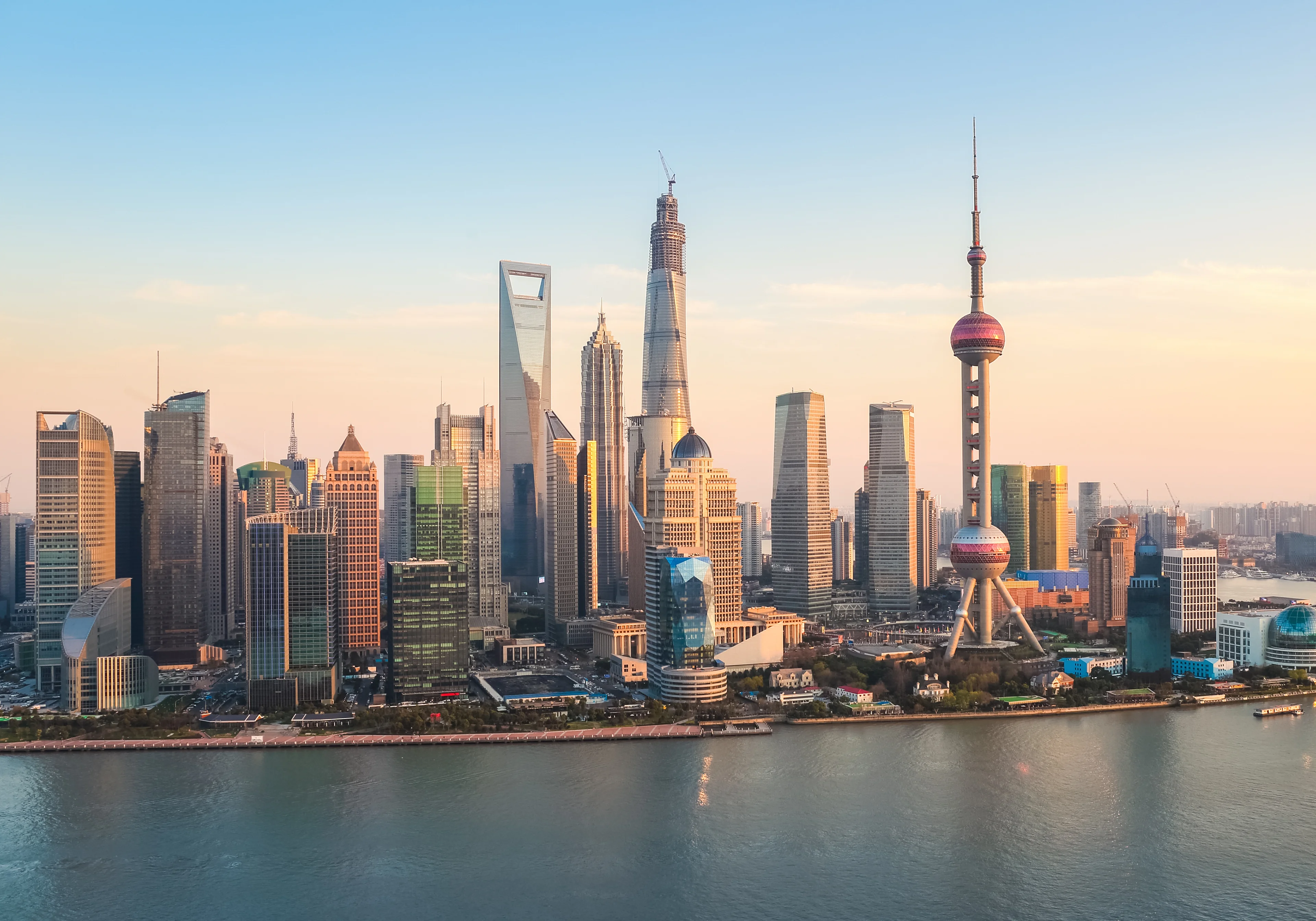
Head up one of the massive glass skyscrapers for dizzying city views. Your options include the Shanghai Tower, the third tallest building in the world, the Jin Mao Tower reminiscent of the Empire State Building, the Financial Center Building shaped like a bottle opener, and the popular Oriental Pearl TV Tower with its three pink spheres. The latter also houses a city history museum; the aquarium sits in its own building next door.
Renmin Guangchang, People's Square, Beloved by Locals
As Shanghai's busiest pedestrian shopping drag, Nanjing Donglu stays lively late into the evening with shops open until 22h. Well-known stops include the Shanghai No.1 Department Store, its neighbor Xin Shi Jie, and the Fashion Store. For a bite to eat, head to the Shanghai First Foodhall. Further up the street lies People's Square, or Renmin Guangchang, a vast esplanade overlooking a green park. On Saturday mornings, parents gather here without their children to handle the informal marriage market.
Visit the massive, free Shanghai Museum. If time allows, step inside the futuristic Grand Theatre designed by a French architect, or check out the Urban Planning Exhibition Center, where a giant model of the city sits on the 2nd floor. A small tourist tram at the intersection of Henan Zhonglu lets you tour the area without wearing out your feet.
The Former French Concession
Stroll down plane tree-lined Huaihai Avenue toward Taikang Lu. Late afternoon, right after offices close, is the best time to explore these picturesque alleys lined with small shops. The atmosphere here is relaxed. If you have time, walk into the Okura Garden Hotel, which occupies the former French athletic club later converted into the People's Cultural Palace. The gardens are magnificent, and on weekends locals gather here to fly kites or play mahjong.
By night, the neighborhoods of Xintiandi and Huaihai Lu turn into the city's nightlife hubs.
Northwest of the center, the Jade Buddha Temple, featuring a 2-metre-tall statue, stands as the city's most famous Buddhist sanctuary. Also worth a look is Lu Xun Park in the former Japanese concession, known for its water lily pond.
Traveling with Kids
Take the kids to Disneyland or the science museum, which feels very similar to the Cité des Sciences in Paris. Finally, the Shanghai Circus is one of the most acclaimed in the world.
When to Go?
The best windows for a visit are spring, from late April to early June, and autumn, during September and October.
How to Get There?
Nonstop flights link Shanghai with New York, Los Angeles, San Francisco, and Toronto. From other North American cities you connect, usually in a Chinese hub or with Emirates, Etihad Airways, KLM, Lufthansa, or Thai Airways through Dubai, Abu Dhabi, Amsterdam, Frankfurt, Munich, Zurich, or Bangkok.
Arriving at Pudong airport, take the Maglev magnetic levitation train followed by metro line 2. The trip into the center takes around 45 to 60 minutes.
Getting Around
The best way to explore the city is on foot and by metro. Purchase a 1-day unlimited pass for roughly 18 yuan or a 3-day pass for 45 yuan.
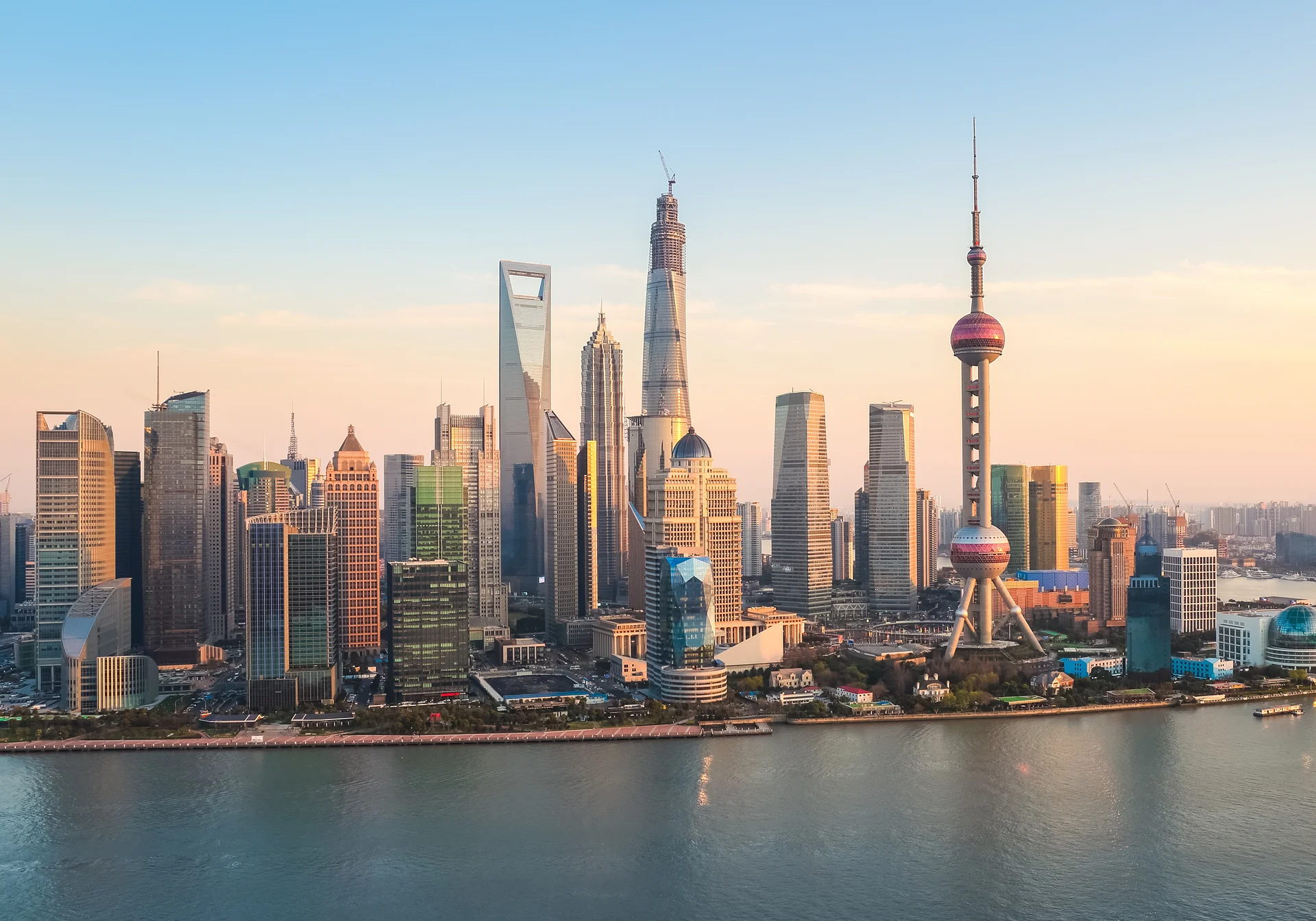

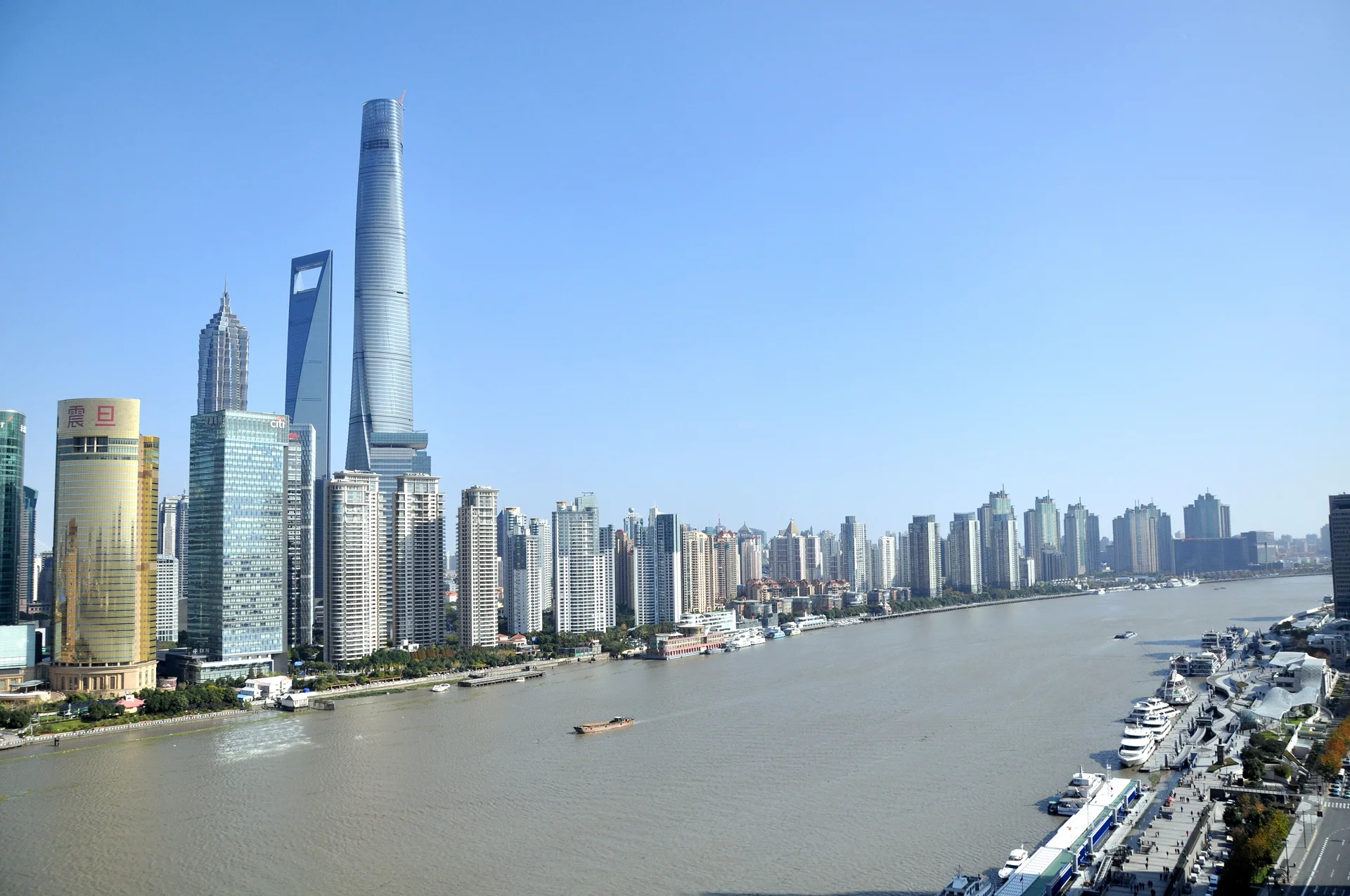
It is after dark that Shanghai lights up and offers a show unlike anywhere else in the world. You can head up to the top of the Shanghai Tower, the third tallest tower in the world (632 meters high, no less), for about €25, and it is totally worth it! You can watch the Oriental Pearl Tower change colors, going from pink to blue... the world looks so tiny, and the cars are nothing more than little specs zipping by.