Visiting China: Where 4,000 Years of History Meets the Future
Giant pandas munching bamboo while bullet trains blur past at 220 mph. Ancient temples standing in the shadow of skyscrapers that make Manhattan look modest. China covers 3.7 million square miles and 4,000 years of recorded history, and it operates on a scale that genuinely resets your sense of what's possible. This is a civilization that didn't abandon its past to modernize, it built the future on top of it.
Is China the right trip for you?
China rewards curious travelers who are comfortable with unpredictability. If you need everything mapped out and frictionless, this probably isn't your destination. The language gap is real, buying a train ticket can turn into a 20-minute adventure, major tourist sites get genuinely overwhelming crowds, and air quality in some cities will catch you off guard. But that complexity is exactly what makes the memories stick.
History buffs will find more than they can process, from the Terracotta Army to the Great Wall. Food lovers will quickly realize that what gets called "Chinese food" back home barely scratches the surface. And anyone who appreciates landscape and architecture can lose entire afternoons in the classical gardens of Suzhou or drifting along the karst peaks of Guilin.
Beijing: power, memory, and a city telling two stories at once
Beijing hits you the moment you leave the airport. Wide ceremonial boulevards cut through the city, while the hutongs (traditional alleyway neighborhoods) that survived the wrecking ball tell a completely different story. Tiananmen Square is bigger than you expect, 440,000 square meters of open space where tour groups and stone-faced guards coexist in an atmosphere unlike anything else on earth.
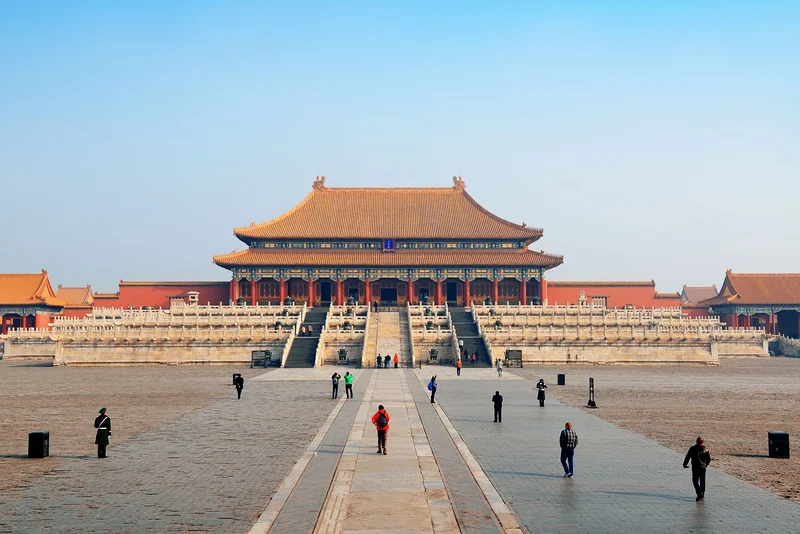
The Forbidden City, officially called the Gugong, is the one place you absolutely cannot skip. Its 980 buildings with golden-tiled roofs housed 24 emperors over five centuries. Get there early: the site draws 80,000 visitors a day, and the bottleneck near the Dragon Throne is something to behold.
Beijing beyond the obvious
The Temple of Heaven (Tiantan) offers one of the best free shows in the city. By 6 a.m., locals are already out practicing tai chi, performing traditional dances, and singing Peking opera, completely unselfconsciously. No museum ticket gets you closer to daily Beijing life than this.
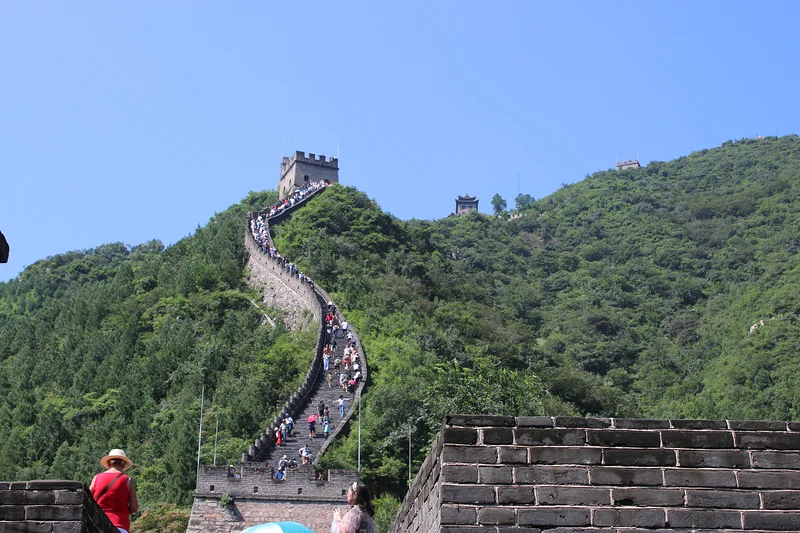
Insider tip: Skip the Badaling section of the Great Wall, it's the most accessible and the most packed. Head instead to Jinshanling, where a 3-hour hike between watchtowers gives you sweeping views without the selfie-stick traffic jams.
Shanghai: China's laboratory for what comes next
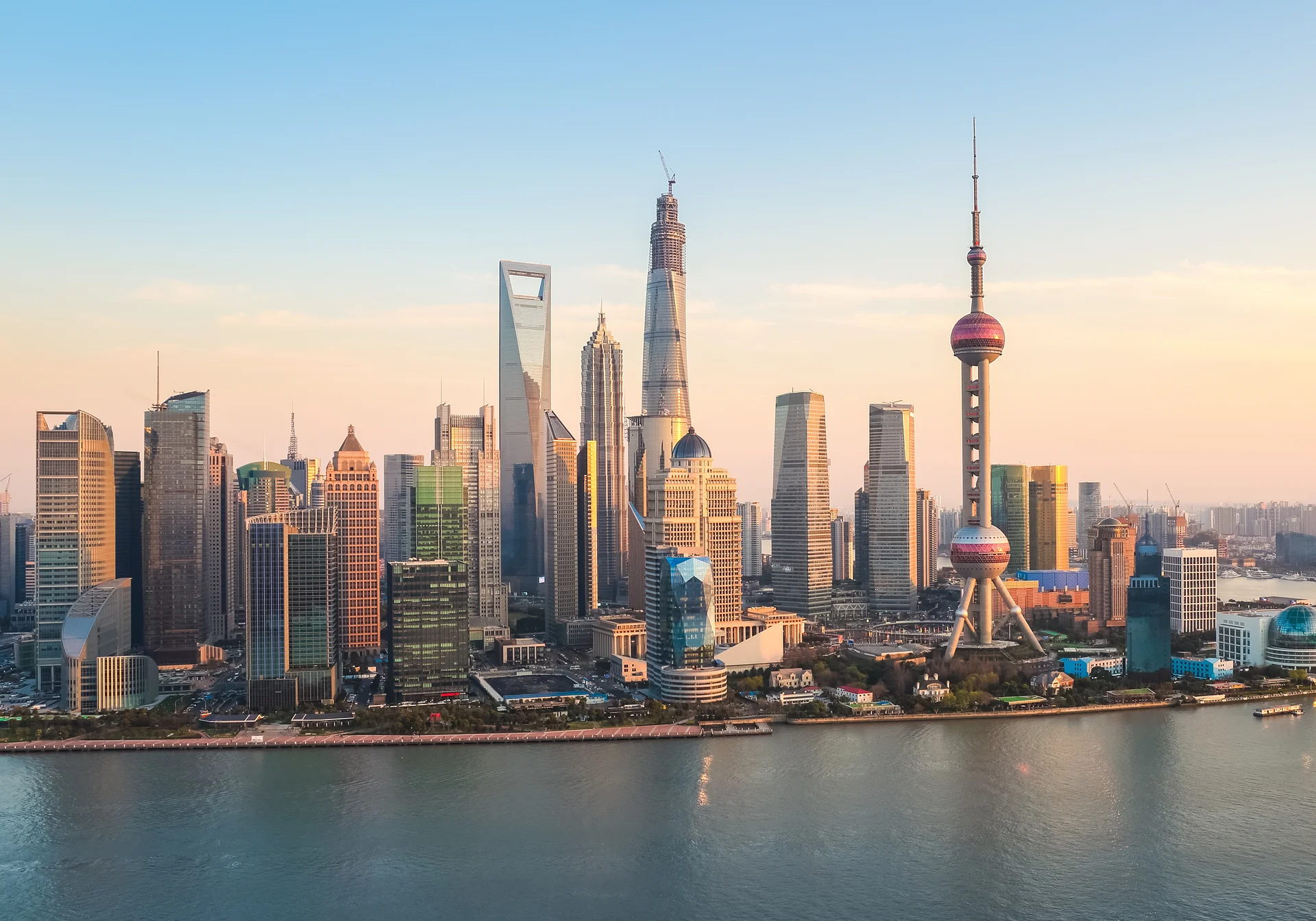
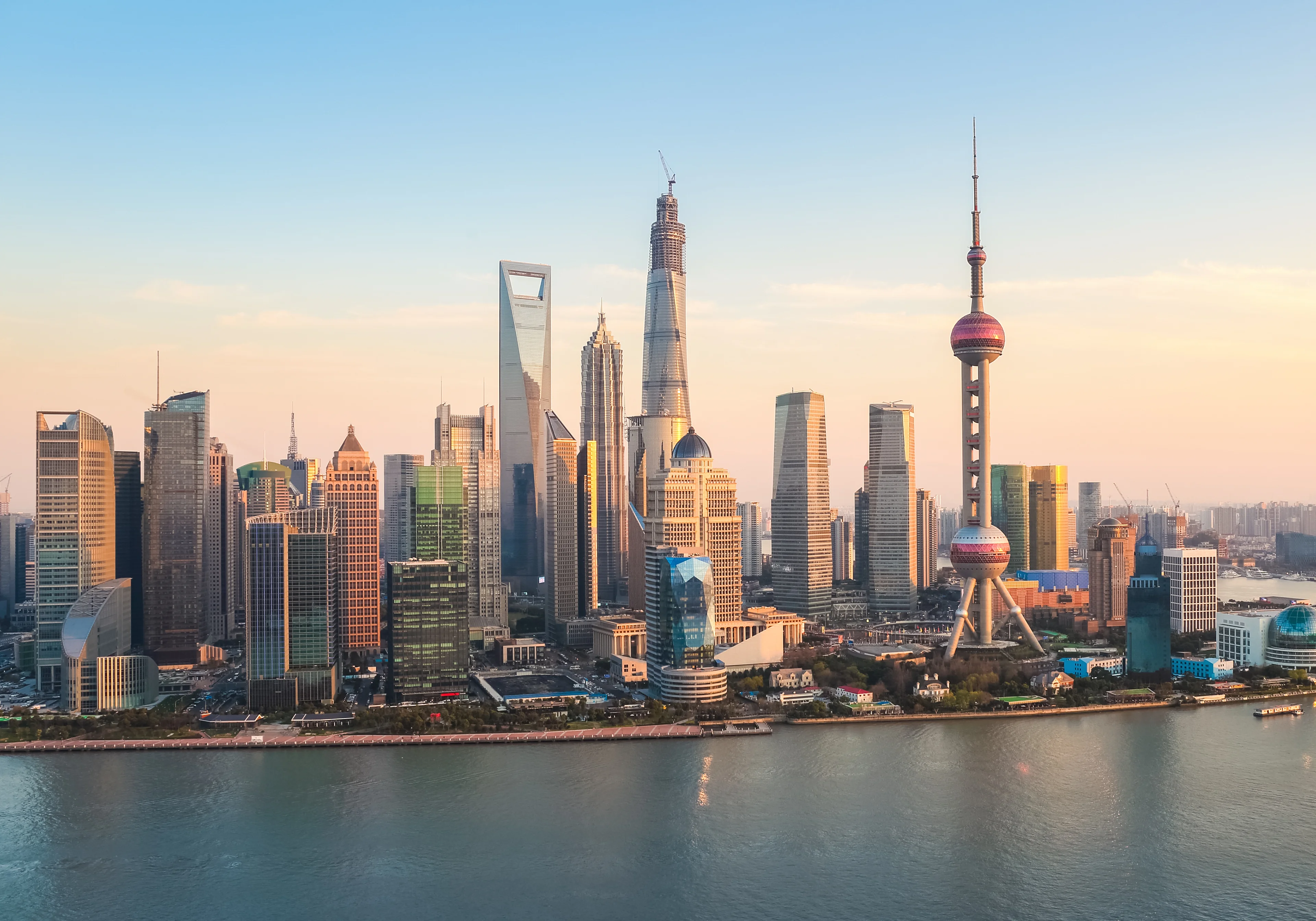
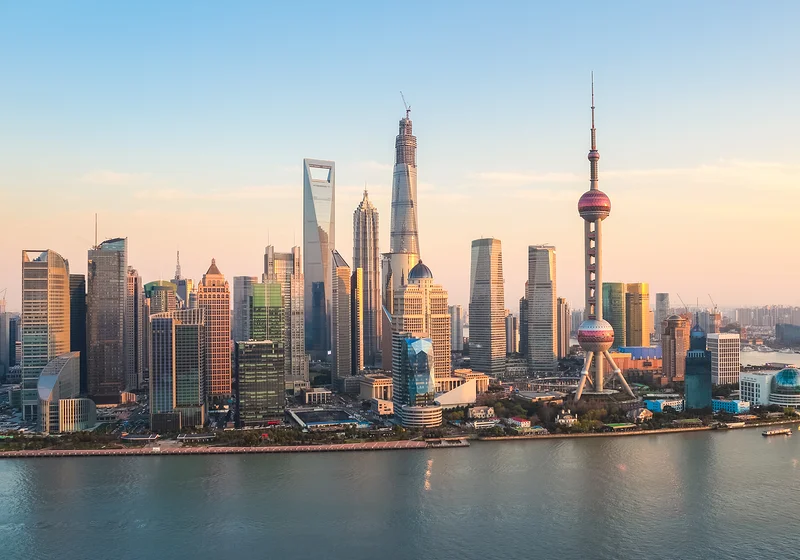
Twenty-four million people live in Shanghai, and the city moves like it knows it. The Bund, a waterfront promenade lined with Art Deco colonial buildings, faces the Pudong skyline across the river, a lineup of towers that rivals Chicago or Hong Kong. The contrast between the two banks captures Shanghai in one glance: the 20th century on one side, the 21st century on the other.
The Former French Concession has held onto its character, plane trees shading the sidewalks, cafes that actually know how to make a croissant. It's a strange and pleasant pocket of European-style calm that makes for a good afternoon of wandering.
Shanghai after dark
The night markets show you a different side of the city. Dongtai Road mixes questionable antiques with genuine finds in a sensory overload of spice smells, Mandarin bargaining, and unexpected discoveries. It's the kind of place where you go looking for one thing and leave with something completely different.
Xi'an and the wonders of Shaanxi
Xi'an served as the capital for thirteen dynasties, and its most famous secret has been buried underground for most of recorded history. The Terracotta Army of Emperor Qin is one of those things that photos genuinely cannot prepare you for: thousands of soldiers, each with a unique face, sculpted by craftsmen 2,200 years ago whose names we'll never know.
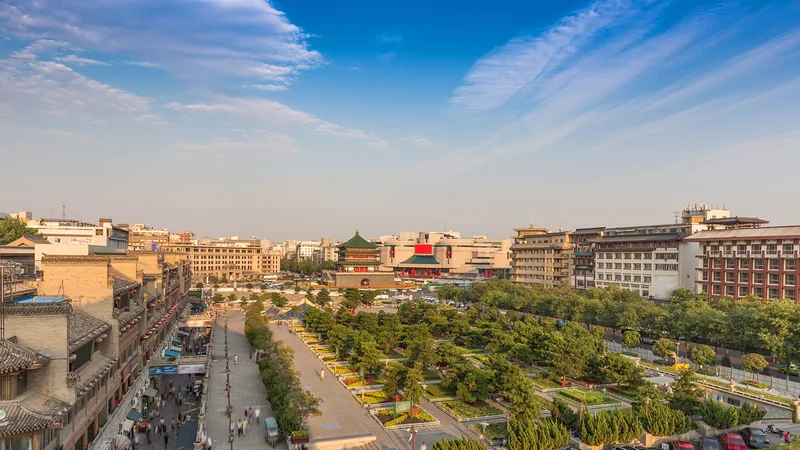
The city's ancient walls, preserved across 14 kilometers (about 9 miles), are best seen by bike. Riding the perimeter gives you a clear view of how dramatically the historic center contrasts with the modern sprawl pushing in from every direction.
Insider tip: The Muslim Quarter of Xi'an is one of the best eating neighborhoods in China. The night market on Beiyuanmen Street serves xiaochi (small bites), including hand-made dumplings that have nothing in common with the frozen kind, that hold their own against anything you'll find in Beijing.
The landscapes of southern China
The Guilin-Yangshuo region looks like a painting because it literally is one, those limestone karst peaks rising out of rice paddies are the image that has defined Chinese landscape art for centuries. A boat cruise along the Li River delivers that scenery at full scale, especially when early-morning mist settles around the peaks. Think of it as the Ha Long Bay of inland China, minus the ocean.
Yunnan province, which borders Tibet and Myanmar, feels like a different country. In Dali and Lijiang, ethnic minority communities have kept their architectural traditions intact, carved wooden houses and stone-paved canals that stand in sharp contrast to the concrete uniformity of China's megacities.
Chengdu: the giant panda capital
The Giant Panda Breeding Research Base outside Chengdu is worth the trip. Watching these animals go about their bamboo-heavy lives while millions of visitors point cameras at them is oddly moving, and it gives you a real sense of why giant pandas occupy the place they do in Chinese national identity.
Food in China: forget everything you think you know
Chinese cuisine isn't one thing, it's dozens of distinct regional traditions that share almost nothing except chopsticks. Beijing-style cooking leans on dark sauces and the famous Peking duck. Sichuan food is built around chili heat and the numbing tingle of Sichuan peppercorn, a flavor combination that has no real equivalent in American cooking. Cantonese cuisine (the style most Chinese-American restaurants are loosely based on) prioritizes fresh seafood and lighter preparations.
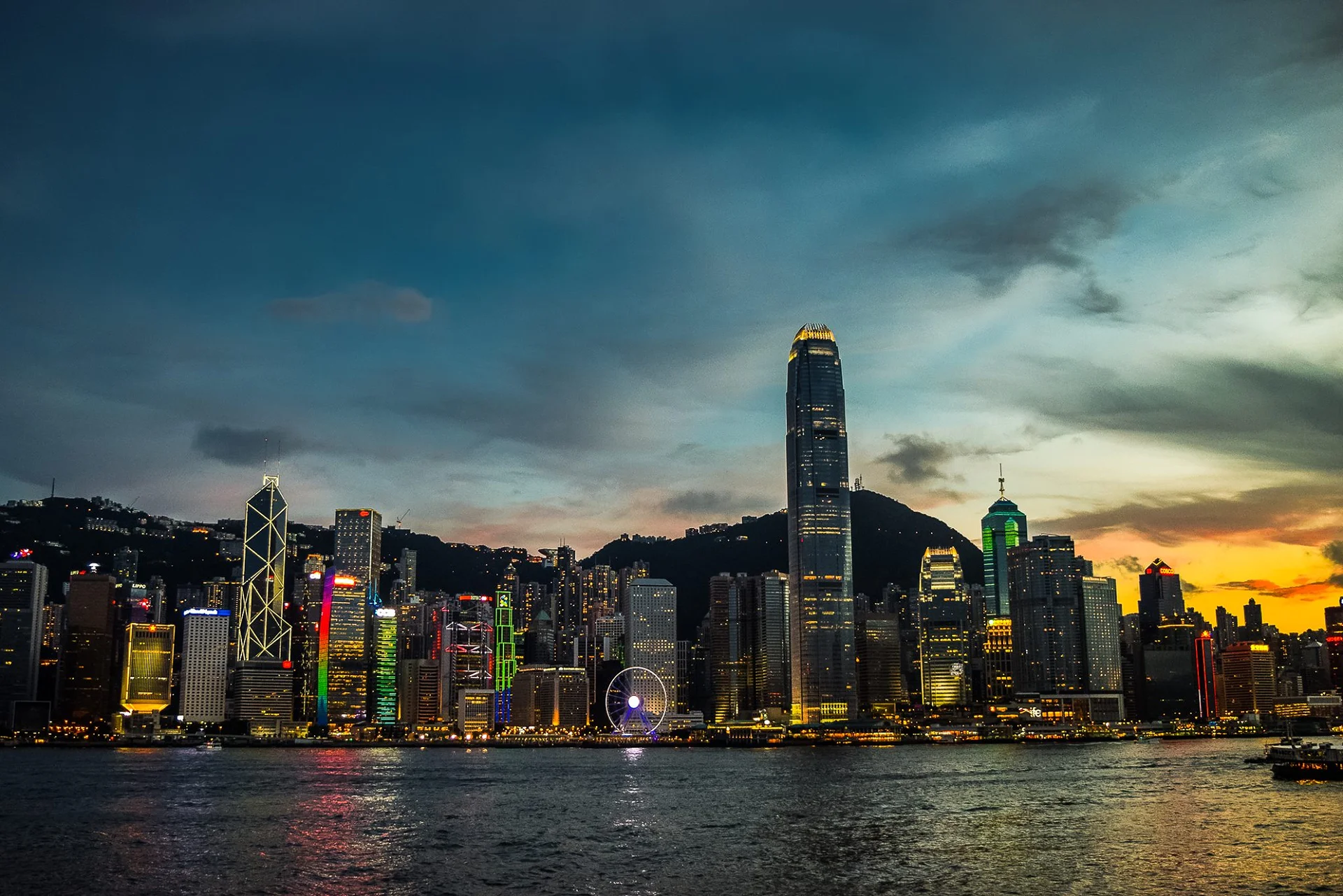
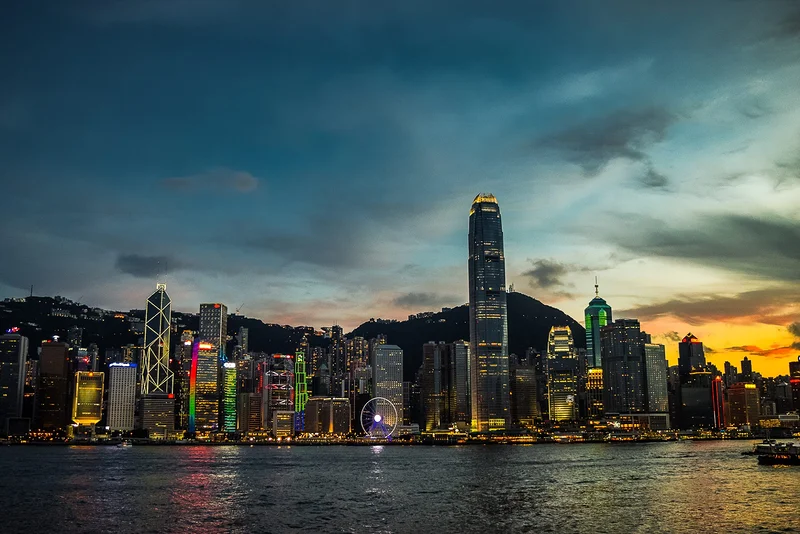
Dim sum in Hong Kong, served in stacked bamboo steamers, turns breakfast into a social event that can last two hours. Sichuan hot pot, a bubbling spiced broth at the center of the table where everyone cooks their own ingredients, is the kind of communal meal that makes you understand why Chinese food culture is so fundamentally social.
Street food is where you get closest to how people actually eat. Jianbing (savory stuffed crepes) are the classic breakfast on the go. Baozi (steamed buns with various fillings) show up at all hours. And the grilled skewers at night markets, lamb, tofu, vegetables, fill the air with smoke and draw crowds that tell you everything you need to know about their quality.
When to go to China
Spring (April through June) and fall (September and October) are the sweet spots. Temperatures are comfortable, rainfall is manageable, and the scenery is at its best in both seasons.
Summer brings serious heat and monsoon rains to the south, but it's actually the best window for visiting Tibet and other high-altitude regions. Winter turns northern China genuinely cold, think Minneapolis-level cold in Beijing, but the Great Wall under snow is a real sight.
Avoid the two Golden Week holidays at all costs: the first week of October and the Chinese New Year (late January or February, depending on the year). When 1.4 billion people take vacation at the same time, every tourist site in the country becomes a slow-moving crowd. Trains sell out weeks in advance and prices spike across the board.
Getting to China from the US
Direct flights from the US to Beijing or Shanghai run roughly 13 to 14 hours from the West Coast and up to 16 hours from the East Coast. Air China, United, and American all operate nonstop routes. Gulf carriers like Emirates and Etihad offer one-stop connections via Dubai or Abu Dhabi, often cheaper, but add 3 to 5 hours to your total travel time.
Hong Kong is worth considering as an entry point if you're planning to explore southern China. US passport holders can enter Hong Kong visa-free for stays up to 90 days, which gives you a soft landing before crossing into mainland China (where a visa is required, apply well before departure through the Chinese consulate or a visa service).
Getting around China
China's high-speed rail network is the best argument for train travel you'll ever encounter. Trains connect major cities at speeds up to 186 mph with a reliability that puts Amtrak to shame. Beijing to Shanghai takes 4.5 hours, roughly the distance from New York to Chicago, done in less time than most domestic flights once you factor in airport hassle.
Within cities, the subway systems in Beijing, Shanghai, Chengdu, and other major metros are modern, cheap, and surprisingly easy to navigate. Signs and announcements are in English, and apps like Alipay or WeChat (worth setting up before you leave home) handle ticketing seamlessly even without Chinese language skills.
For remote regions like Xinjiang or Tibet, domestic flights are the practical option. China's internal air network is extensive, and tickets booked in advance are reasonably priced, though Tibet requires an additional permit on top of your standard Chinese visa.