
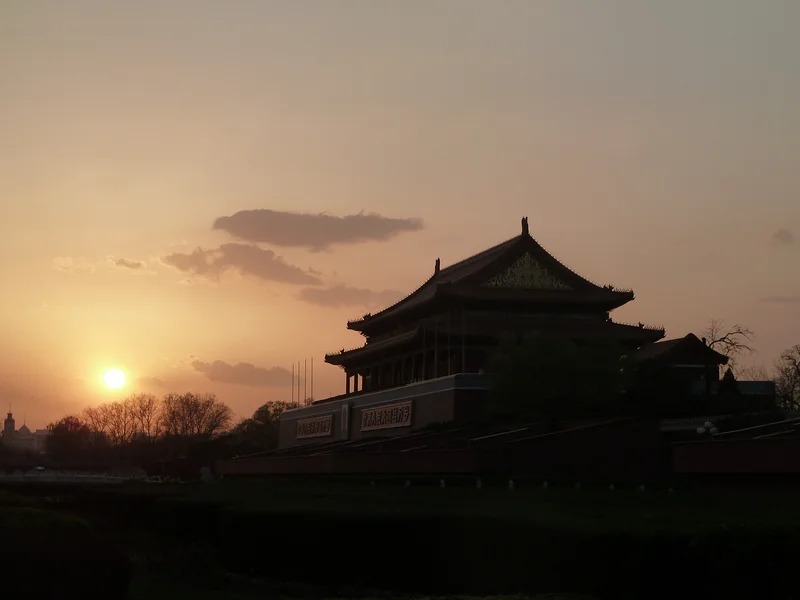
Beijing at a Glance
As the capital of the People's Republic of China, Beijing, also known as Peking, commands attention. A rapidly expanding political and cultural hub, the destination delivers an intense cultural jolt. Hyper-globalized with futuristic skyscrapers and showy malls, it holds onto its traditional roots through ancient architectural treasures and Hutongs. Morning tai chi in the parks, quirky street-side traditional Chinese medicine shops, and bold culinary flavors pull you into an ancient and distant civilization.
The climate is continental with sharp temperature swings: winters are freezing and dry, while summers are hot and humid.
Exceptional Heritage
A major political and historical site, the massive 40-hectare Tian'anmen Square features several Stalinist buildings, including Chairman Mao's Mausoleum, the Great Hall of the People flying the Chinese flag, and the National Museum of China, one of the largest in the world. Nearby, the unusual architecture of the National Centre for the Performing Arts contrasts with the solemnity of the surroundings.
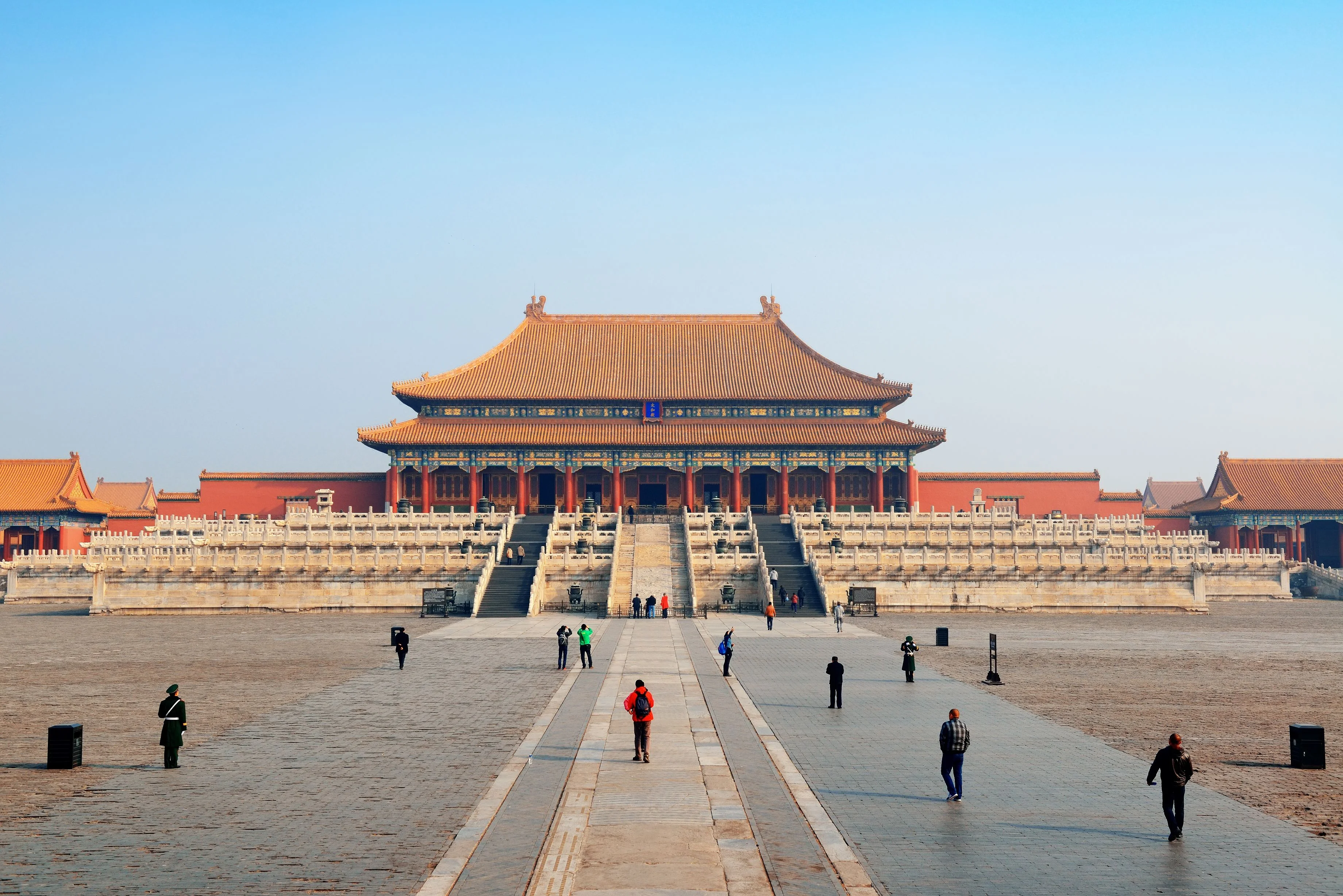
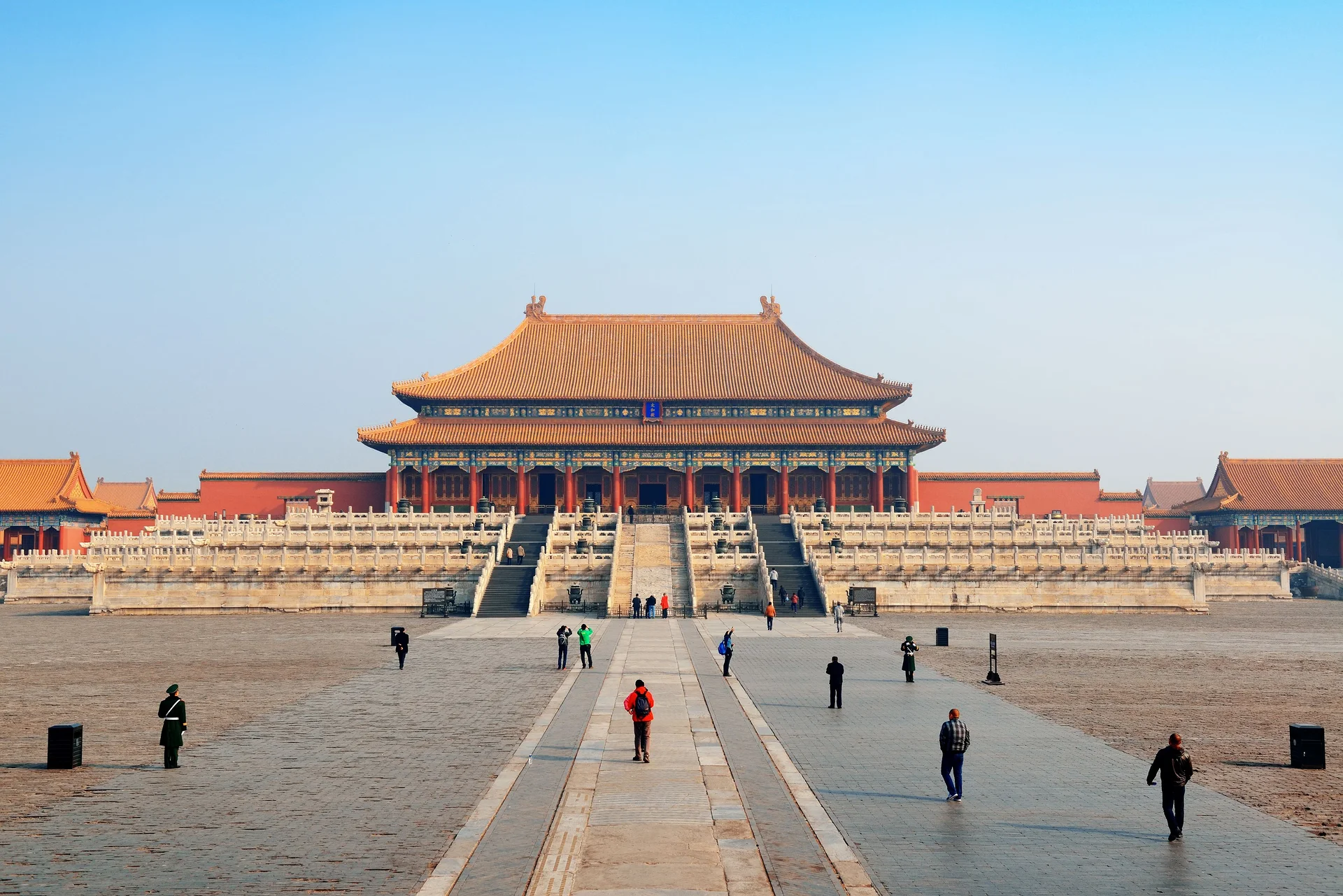
Serving as the Emperor's residence for five centuries, Gugong, the Forbidden City, consists of 9,000 richly appointed rooms using building materials from across the country: Beijing stone, Shanghai marble, Yunnan and Sichuan wood, and Shandong bricks. Built following the layout of a traditional Chinese courtyard home, its symmetry is absolute. Gates, courtyards, statues, palaces, gardens, and countless symbols of longevity, prosperity, and harmony are everywhere. Just beyond the Forbidden City, Jingshan Park offers a great panoramic view and a pleasant stop, especially on weekends when street performers gather.
Climb the steep stairs of the Drum Tower, then lose yourself in the surrounding traditional hutongs for a complete change of pace. In the evening, catch the grand show at the Red Theatre featuring monks and kung fu.
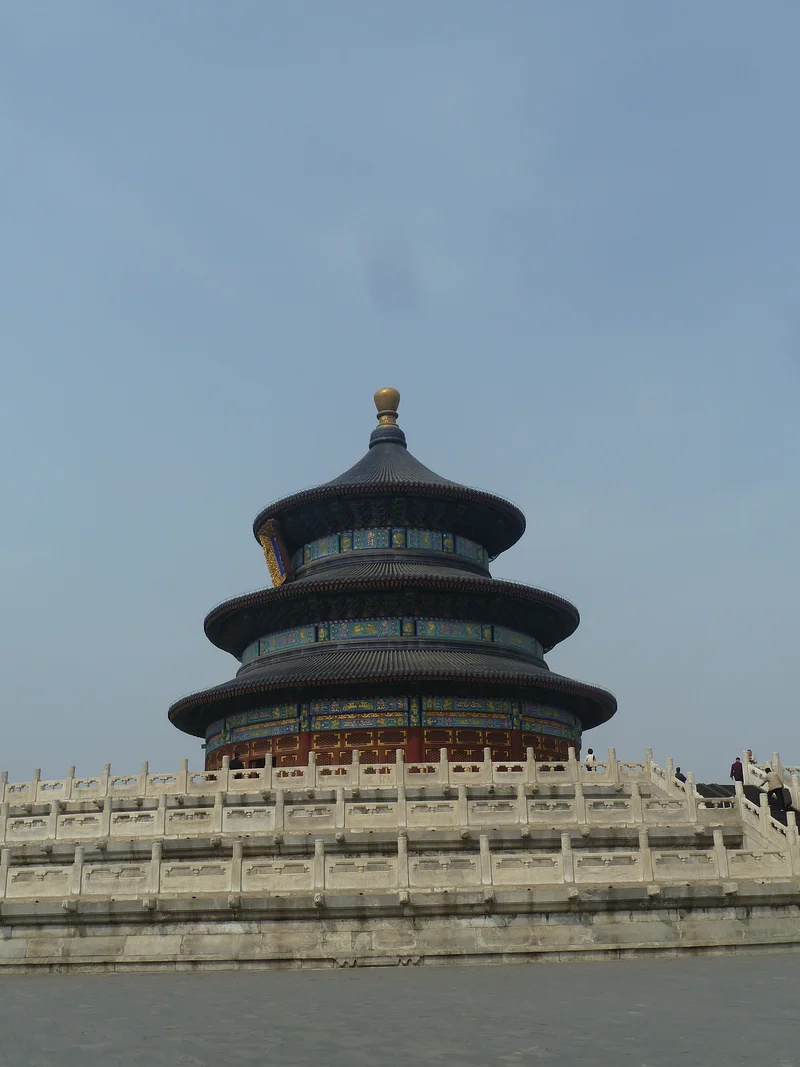
A city symbol, the Temple of Heaven, or Tiantan, and its lovely park dotted with 4,000 cypress trees will impress you. Look closely at the delicate patterns on its triple blue-tiled roof and its circular wooden rotunda that connects the heavens to the earth.
Also worth checking out is the large Niujie Libaisi Mosque, which only reveals its religious identity through Arabic Quranic verses on the walls. As the largest mosque in the city, it sits at the heart of a modern neighborhood with a substantial Muslim community.
Compare the Tibetan Lama Temple, Yonghe gong, to the other places of worship you have visited so far. The highlight of the visit is the towering Maitreya statue, carved from a single white sandalwood trunk.
Enchanting Spots
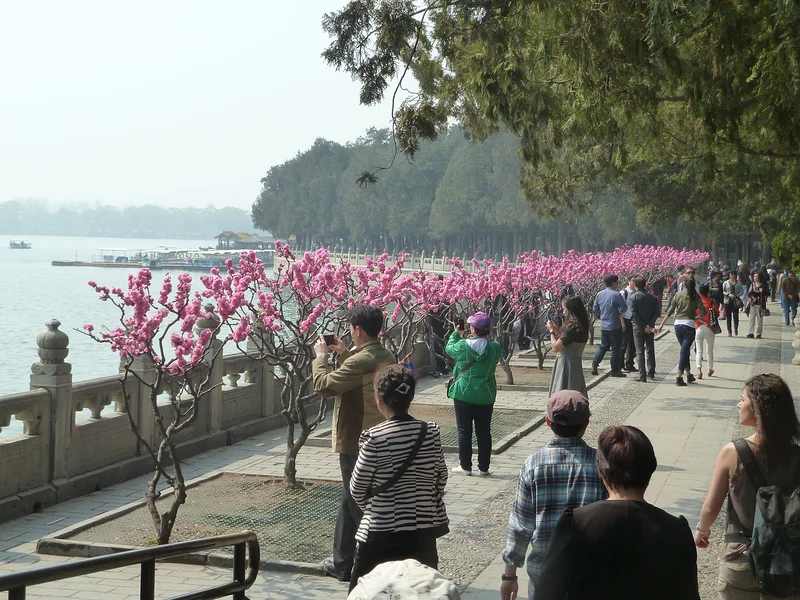
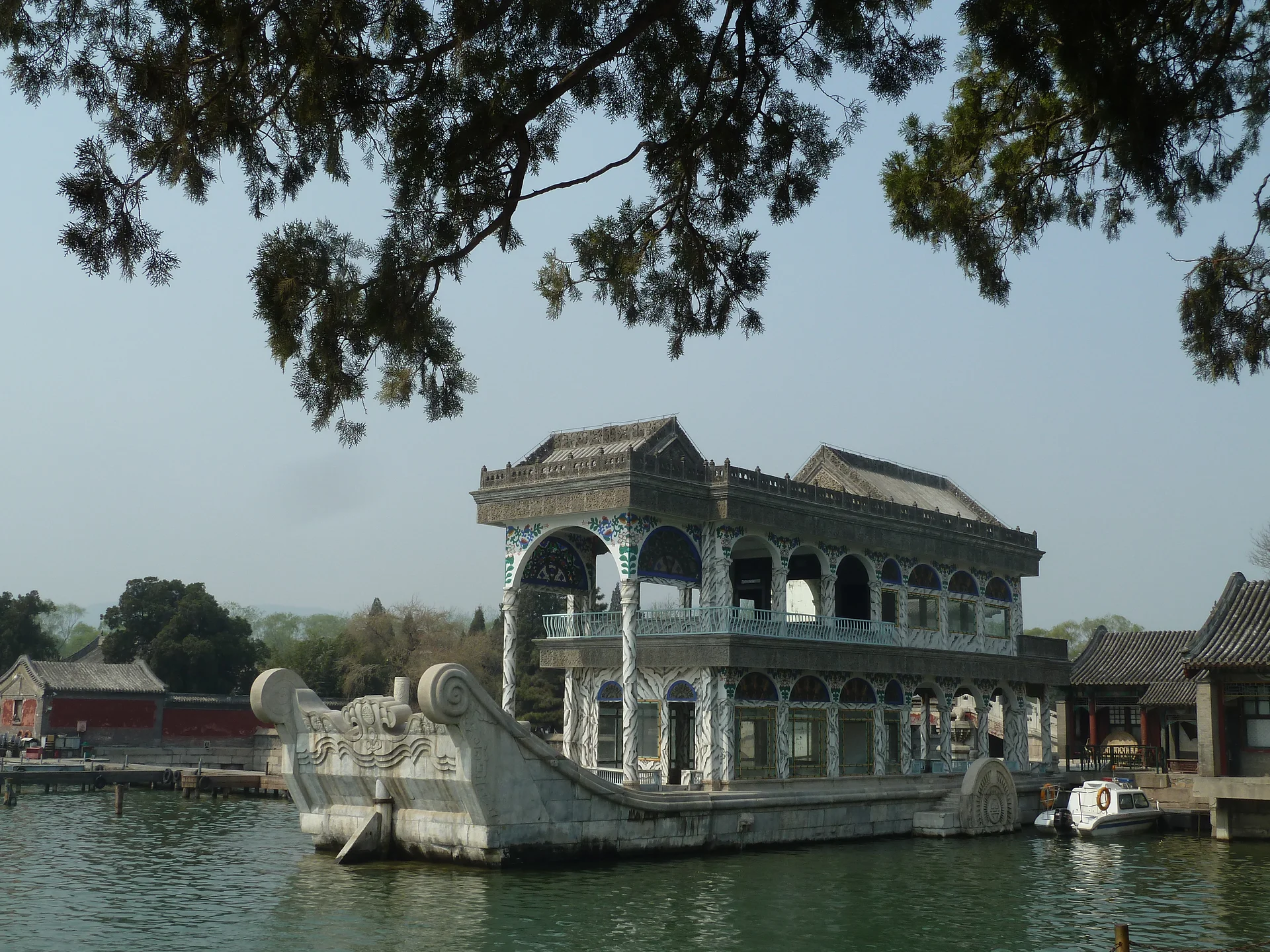
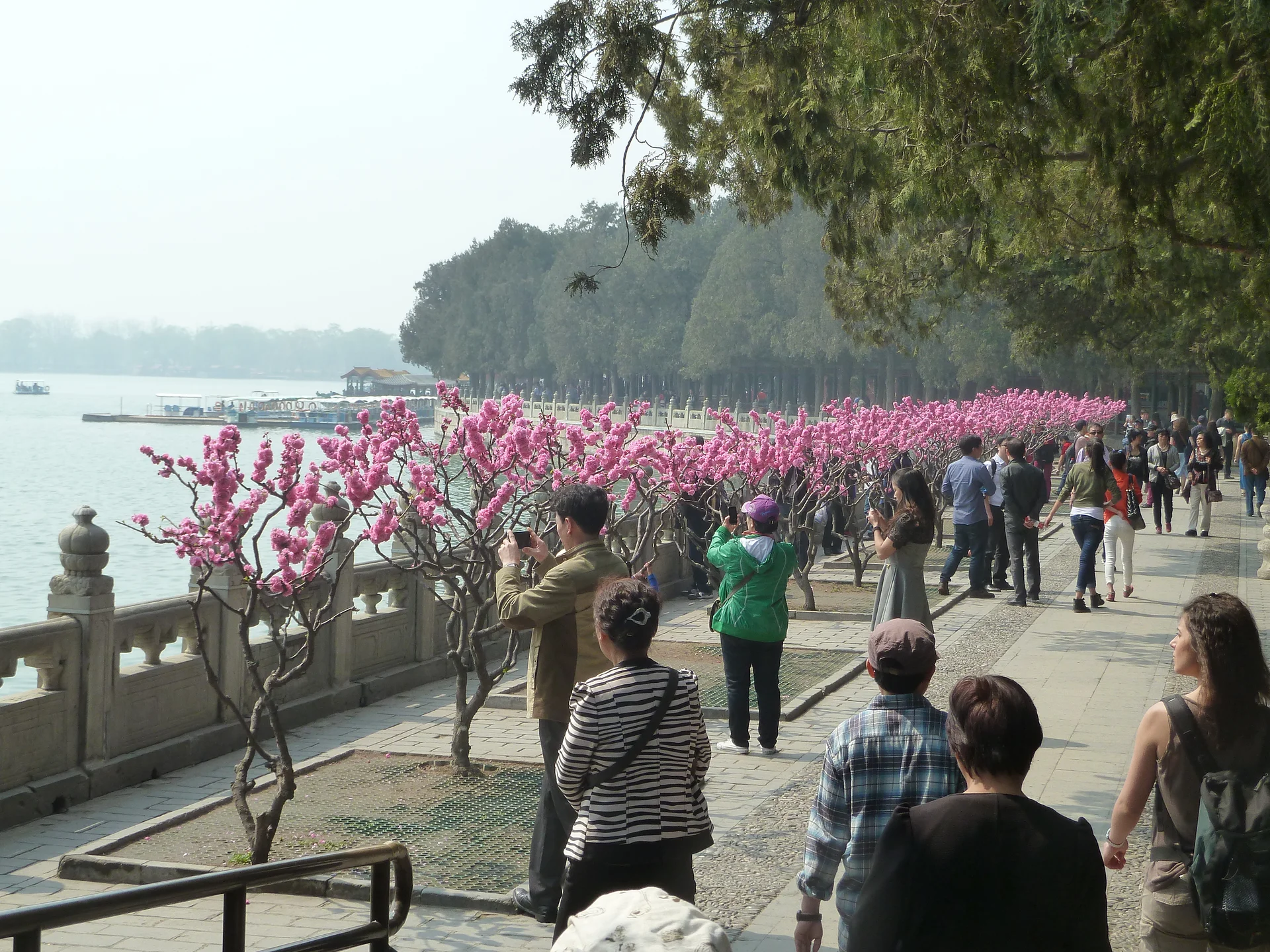
If you want to feel the soul and magic of the Summer Palace, arrive early (open daily from 6:30 AM to 6:00 PM) and skip the weekends. Sitting at the edge of an artificial lake and surrounded by a forest of 420,000 trees, including over a thousand centenarians, the scale here is immense.
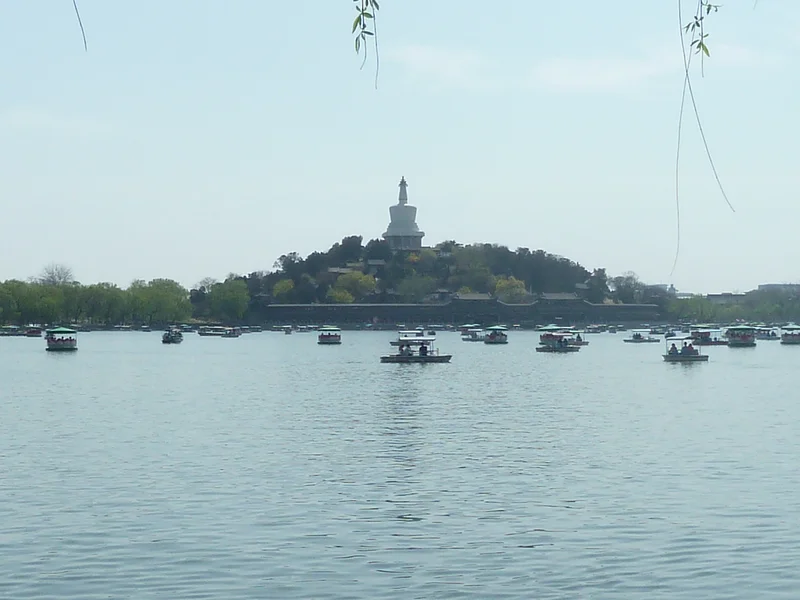
If you have time, check out the Tibetan frescoes, Dragon King Island, and the white dagoba in Beihai Park. Other pleasant walks include the Qianhai and Houhai lakes of Shichahai (the lakes of the 10 monasteries). The vibe here is lively, with locals playing mahjong, folk dancers, and musicians playing the erhu, a traditional two-stringed instrument known for its high-pitched vocal sound.
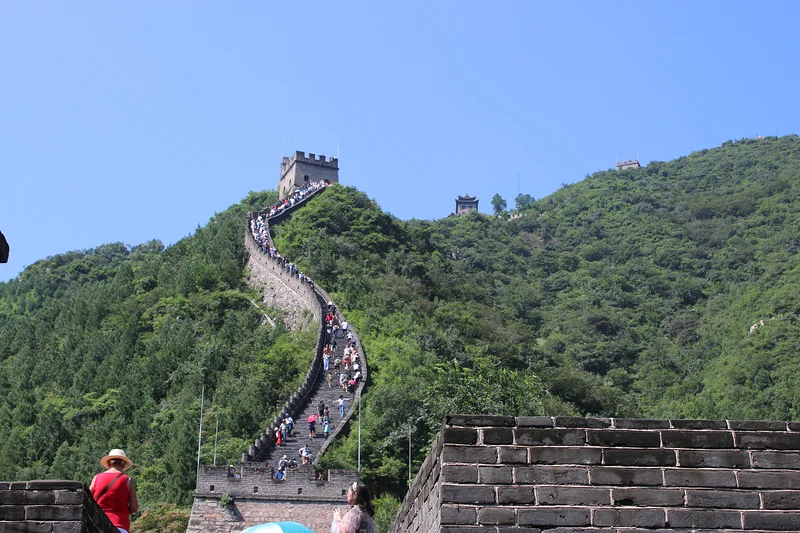
Chang Cheng, the Great Wall, represents the architectural scale and dizzying beauty of Chinese civilization. With an estimated length between 9,000 and 21,000 km, climbing it makes for an unforgettable memory. The Badaling section features a cable car and is the most comfortable and busiest option. A wilder alternative is the Mutianyu section, where you can ride a toboggan down.
When to Go?
The best times to visit Beijing are in the spring and autumn.
How to Get There?
Air France, Air China, and China Eastern Airlines operate daily flights to Beijing from European hubs such as Paris Charles de Gaulle, specifically arriving at Shoudu Jichang airport, whose striking architecture resembles a dragon. Emirates, Etihad Airways, KLM, Lufthansa, and Thai Airways also provide connecting flights through Dubai, Abu Dhabi, Amsterdam, Frankfurt, Munich, Zurich, or Bangkok.
Getting Around
Using public transit is the best way to see the city without wearing yourself out. Subway diti fares depend on the distance traveled. Buying a pre-paid Yikatong card quickly pays for itself.
An immense city with breathtaking tourist sites. A crossroads of Chinese cultures. Aside from the rent, the cost of living remains low. You can easily stay here for a week without ever getting bored!
The downsides all the same: distances, traffic, pollution. Unfortunately, it is not a myth.