Visiting Xi'an: Guardian of Imperial Secrets and Authentic Flavors
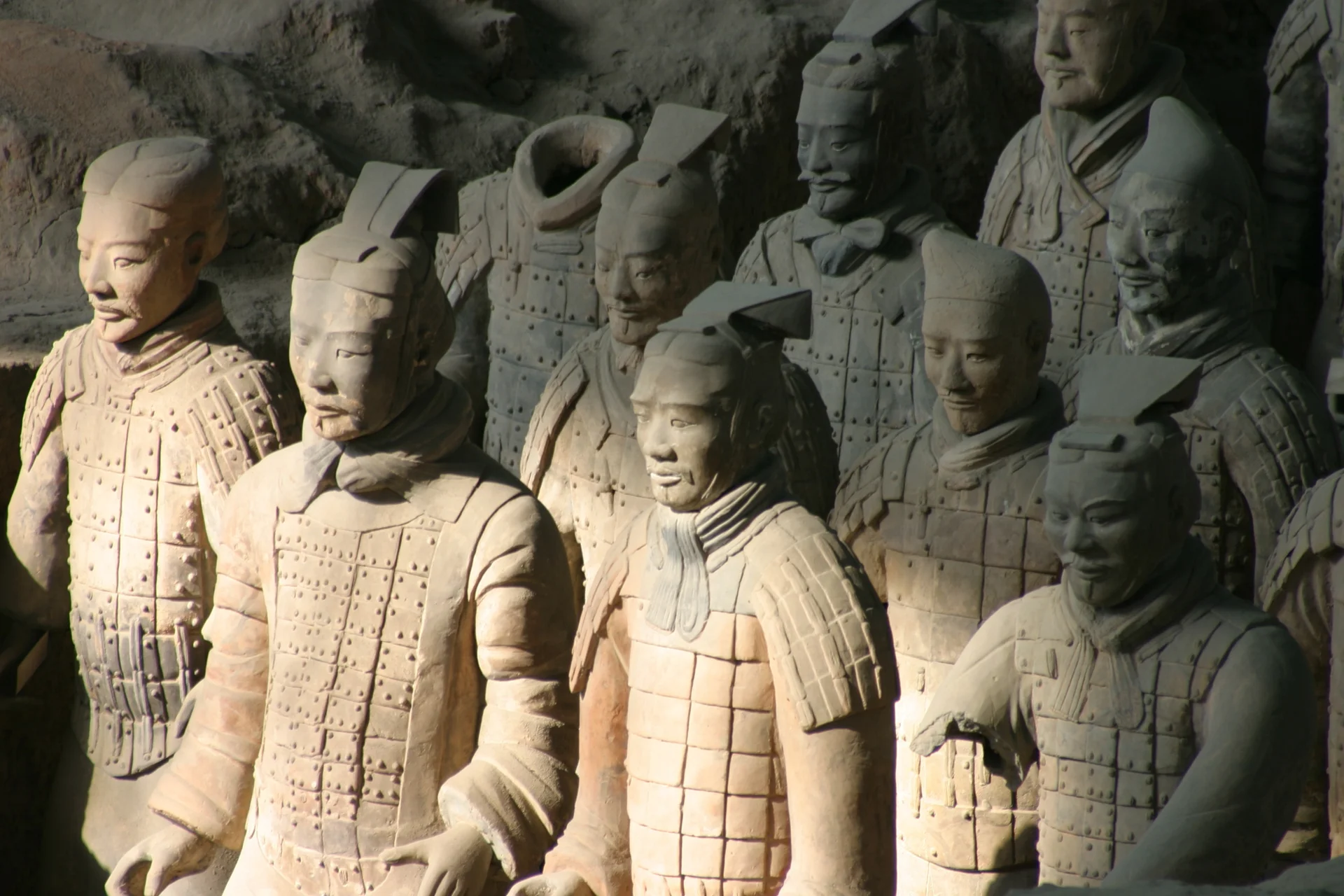
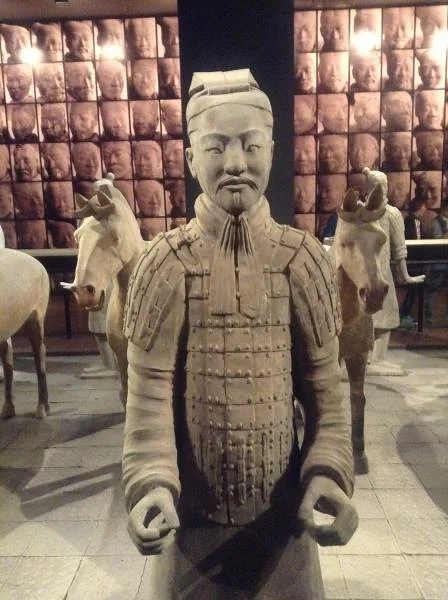
What does it feel like to stand in front of 8,000 terracotta soldiers frozen in time for over two millennia? That silent army guarding the eternity of Emperor Qin awaits you in Xi'an, the ancient capital of thirteen Chinese dynasties.
Yet this central Chinese city is about much more than its world-famous archaeological treasure. Between perfectly preserved ancient walls, Muslim quarters fragrant with spices, and night markets overflowing with xiaochi, Xi'an reveals an authenticity that coastal megacities have often lost.
Xi'an: A Time Travel Experience for Authentic History Buffs
Let us be upfront: Xi'an appeals primarily to lovers of history and traditional Chinese culture. If you are looking for the ultra-modern energy of Shanghai or the futuristic skyscrapers of Shenzhen, you might come away disappointed. This city of 13 million residents deliberately cultivates its heritage, sometimes at the cost of a certain architectural conservatism.
Rushed travelers or those allergic to heavy tourist crowds might also find it discouraging. The terracotta army draws millions of annual visitors, and the lines can test your patience. But for anyone willing to slow down, Xi'an offers a rare immersion into the deep soul of Chinese civilization, far from Westernized clichés.
The Eternal Army: Face to Face with History
The archaeological site of the Mausoleum of the First Qin Emperor remains the most striking experience in Xi'an. Those terracotta warriors, discovered by chance in 1974 by farmers digging a well, defy imagination. Every face is unique, every suit of armor finely chiseled, and every horse sculpted with unsettling realism.
Pit 1, the most impressive of the lot, houses roughly 6,000 statues arranged in a perfect battle formation. Standing before this frozen army, ready to defend its emperor in the afterlife, is genuinely moving.
Friendly tip: Arrive right at opening time at 8:30am to beat the tour buses. Pits 2 and 3 get fewer visitors, but they reveal fascinating details about manufacturing techniques and offer a closer look at the soldiers' expressions.
The Old Town: Ming City Walls and Muslim Flavors
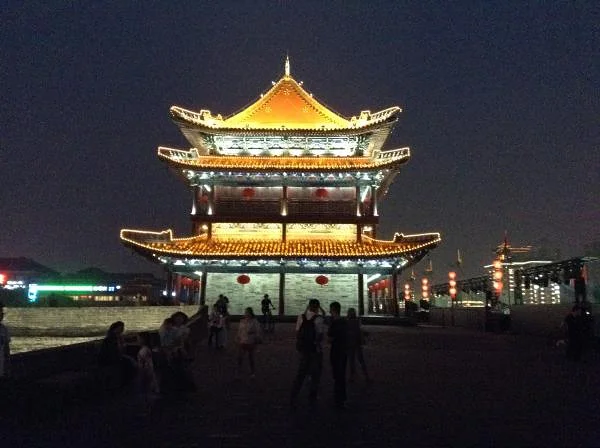
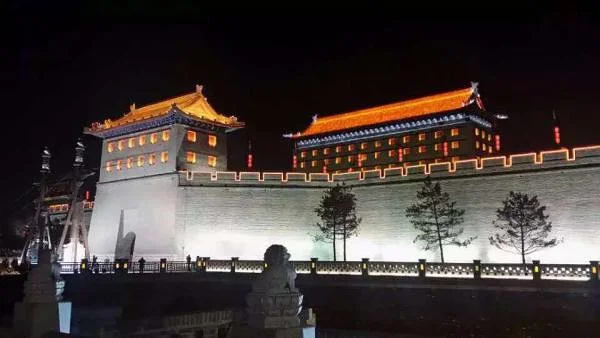
The Xi'an City Walls, the best-preserved in China, stretch 14 kilometers around the historic center. Renting a bike for a sunset ride along the rampart top offers a unique perspective on the city's contrasts: traditional tile roofs on one side, modern towers climbing into the sky on the other.
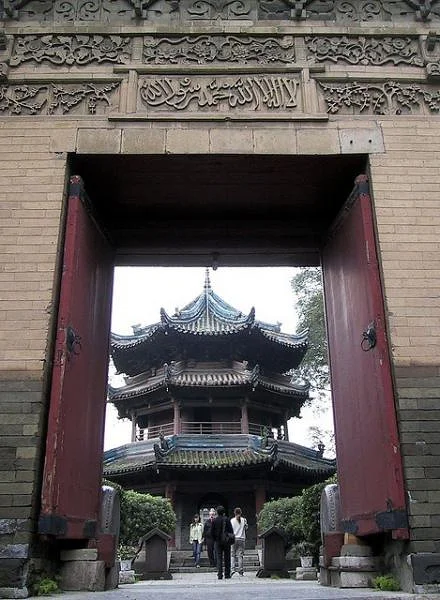
At the heart of the old town, the Muslim Quarter pulses with the rhythm of calls to prayer and busy food stalls. The Great Mosque, built in a traditional Chinese architectural style, surprises visitors with its harmonious cultural blend. Its peaceful gardens contrast with the lively bustle of the surrounding lanes.
Beiyuanmen Street and Its Culinary Treasures
This pedestrian corridor packs the essence of Xi'an street food into a single stretch. Stalls selling yangrou paomo (lamb soup with torn pieces of flatbread) sit right next to vendors slinging roujiamo, the local answer to a pulled-meat sandwich, stuffed with spiced braised beef, halal like everything else in this neighborhood and a point of local pride.
Friendly tip: Skip the tourist spots on the main drag. Wander down perpendicular alleys like Xiyang Shi where the locals actually eat. Prices drop by two thirds and the authenticity is guaranteed.
Temples and Pagodas: The Spiritual Heritage of the Ancient Capital
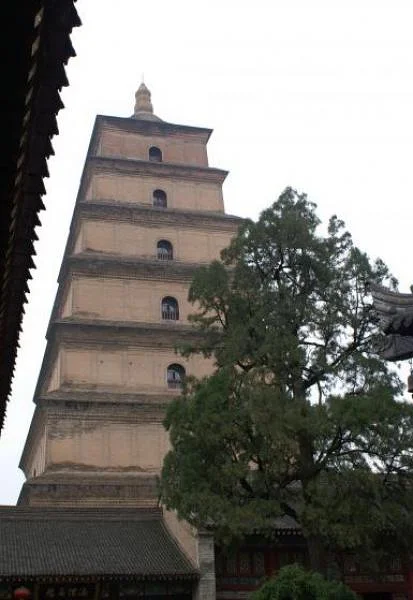
The Giant Wild Goose Pagoda stands like a beacon in the modern urban landscape. This 64-meter brick tower, built in 652, once housed Buddhist scriptures brought back from India by the monk Xuanzang. Climbing to the top rewards you with panoramic views across the Wei River valley.
The Daxingshan Temple, less crowded than its famous counterparts, keeps a genuinely quiet atmosphere. Its inner courtyards, lined with inscribed stone steles, invite quiet reflection away from the city noise.
Where to Eat and Drink in Xi'an?
Xi'an cuisine reflects its position as a crossroads on the ancient Silk Road. Muslim influences blend with Han culinary traditions to create flavors unlike anywhere else in China. Biang biang noodles, wide as belts and tossed in hot chili oil, serve as the definitive local comfort food.
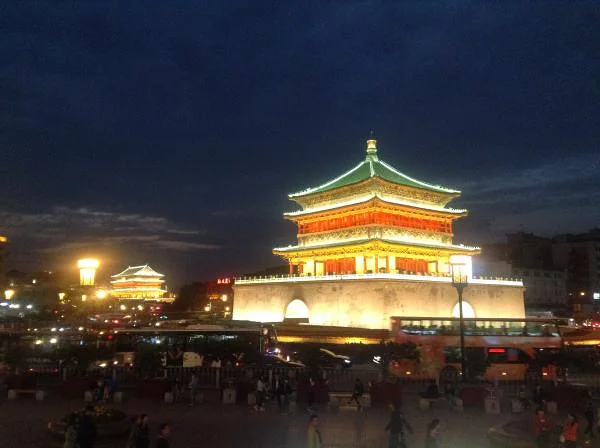
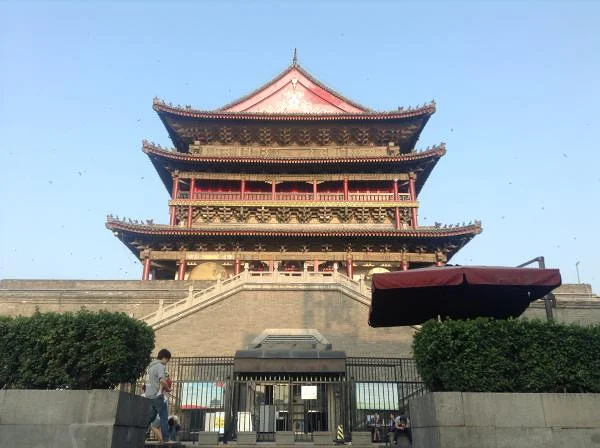
Defachang Restaurant, a century-old institution near the Bell Tower, plates up the best jiaozi (dumplings) in town inside a well-preserved traditional dining room. For a more modern vibe, Brewery & Spice offers a creative fusion of local cooking and international flair, paired with house-brewed craft beers.
Where to Stay in Xi'an and Around?
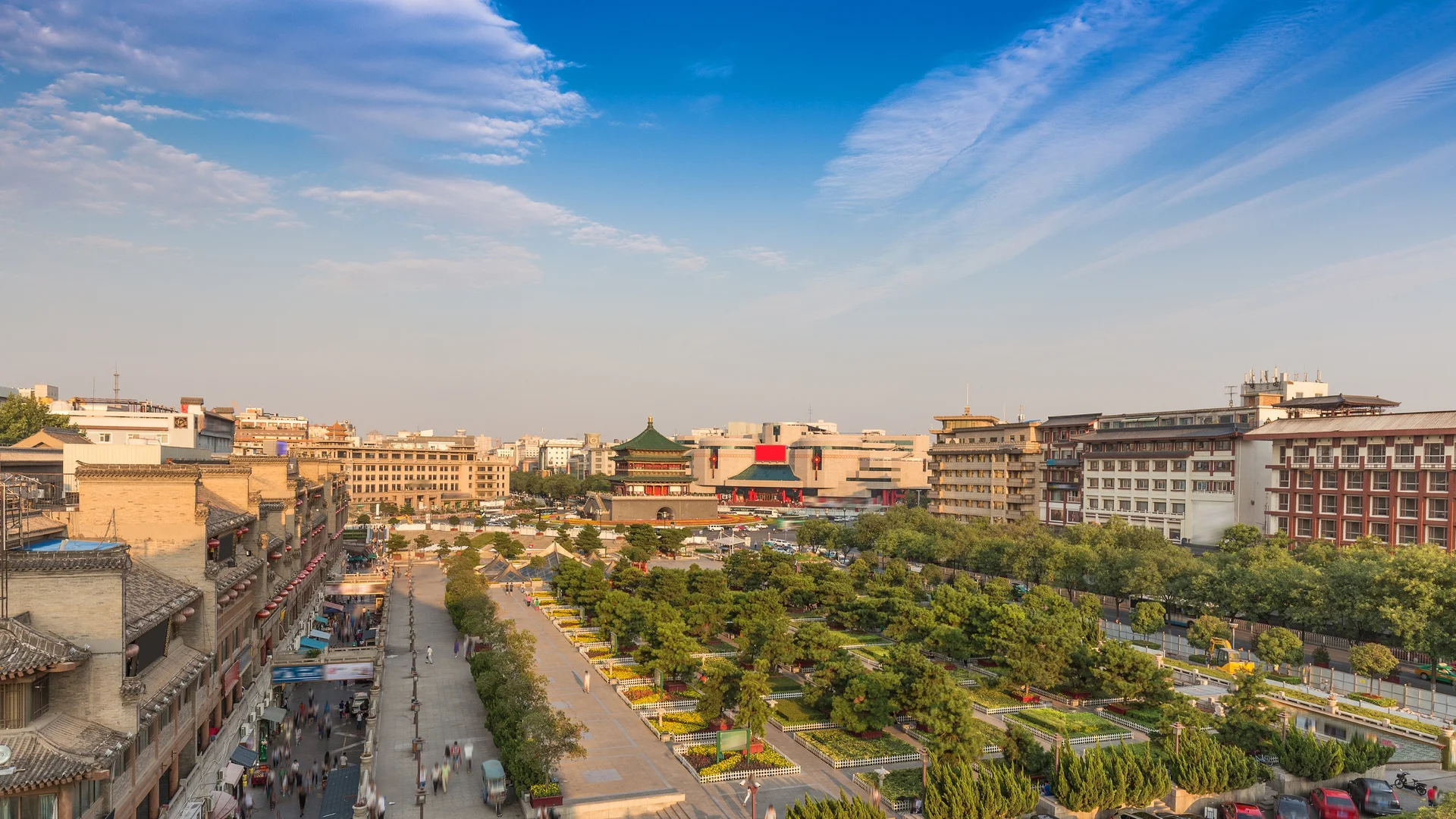
The Bell Tower neighborhood concentrates upscale hotel options with easy access to the main historic sites. Boutique hotels like those in Shuyuanmen occupy restored historic courtyards and put you right inside traditional Chinese architecture.
Mid-range travelers will find modern, transit-friendly options clustered near the South Railway Station. Backpackers tend to favor the lively, sometimes noisy hostels in the Muslim Quarter, which drop you straight into the neighborhood rhythm by breakfast time.
How to Get There and Get Around Xi'an?
Xi'an Xianyang International Airport handles international arrivals, though many travelers connect through major hubs. High-speed trains link Xi'an to Beijing in about four and a half hours and Shanghai in six, making a comfortable alternative to flying while taking in central China's scenery.
Once you are in town, the metro covers the major sights efficiently. Lines 1 and 2 handle most trips you will need. Taxis stay relatively inexpensive, but watch out for rush-hour traffic jams. To reach the terracotta army, dedicated tourist buses depart every 15 minutes from the Xi'an Railway Station.
When to Go?
Spring (April to May) and autumn (September to October) bring the best weather, with mild temperatures and clear skies. Avoid the first week of October (Golden Week) completely, when domestic tourism surges to overwhelming levels, particularly at the terracotta army site.