Yichang, the city that tamed the Yangtze River
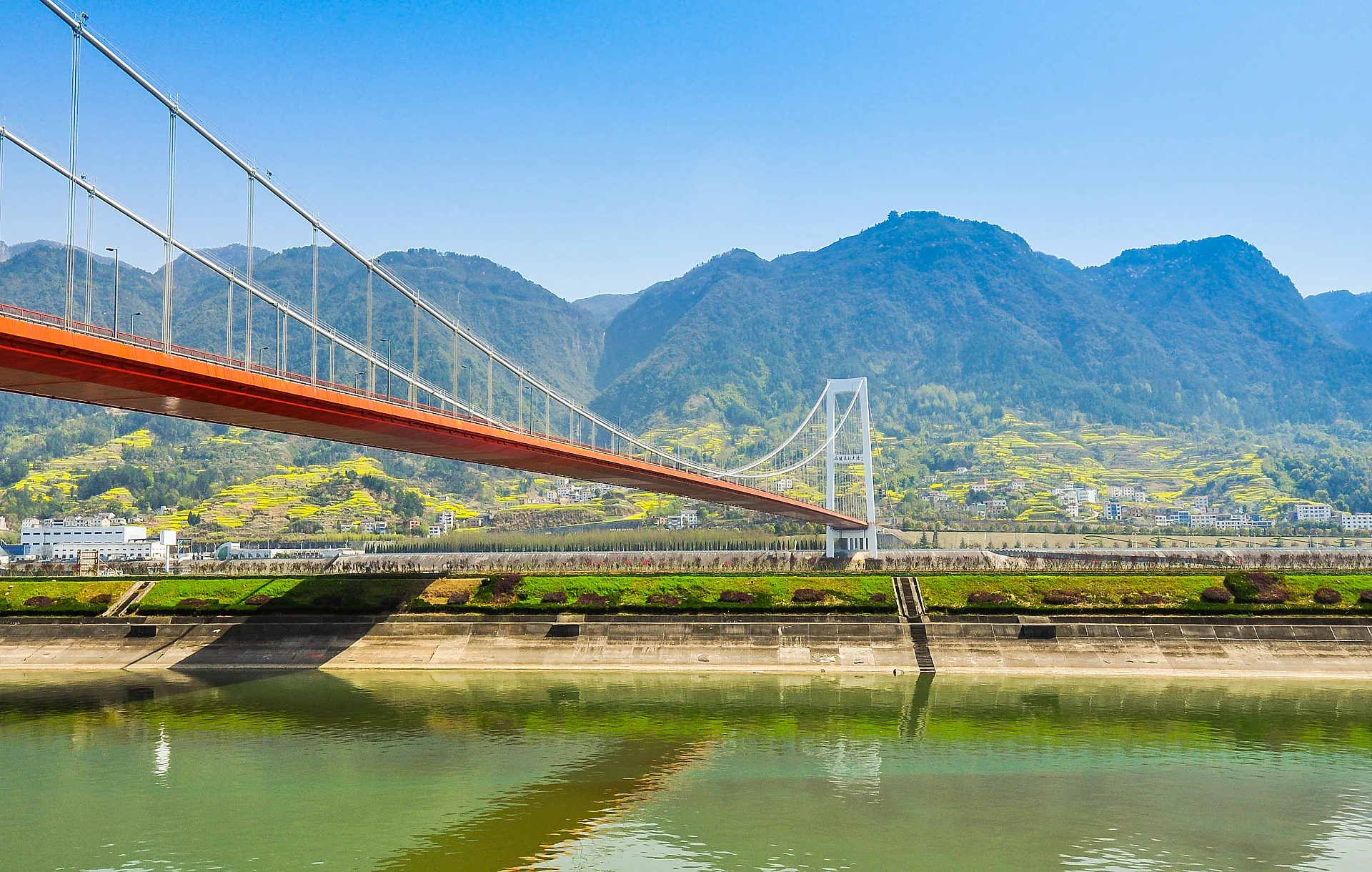
Picture a concrete wall standing 185 meters tall, holding back the waters of Asia's longest river. Right here, about 25 miles from downtown, sits the site of one of the most ambitious engineering feats in human history. Yichang is no tourist-trap showcase. It is a city of hardworking people, dramatic gorges, and a river that defines its entire identity.
Is this destination right for you?
If you live for dizzying landscapes, the Xiling Gorge, and river cruises heading upstream toward Chongqing or downstream toward Wuhan, Yichang makes a logical and memorable start or end point for your trip to China.
On the other hand, if you are looking for a museum-town filled with endless ancient alleys, you will not find it here. Yichang is a mid-sized industrial and administrative hub by Chinese standards, functioning more as a practical base than a picturesque center.
Great for:
- Yangtze River cruise fans and gorge scenery enthusiasts
- Travelers curious about heavy engineering and modern industrial history
- Those looking for a destination less touristy than a megacity
Not ideal for:
- Anyone searching for preserved ancient architecture
- Travelers who struggle with mid-sized Chinese cities that lack solid English-language tourist infrastructure
Affordable compared to China's major metropolises
| Expense | Range |
|---|---|
| Basic hotel night | $18 to $29* |
| Comfortable hotel night | $47 to $82* |
| Quick bite (market, noodles) | $2.40 to $4.70* |
| Sit-down restaurant meal | $9.30 to $18* |
| Daily transport and activities | $12 to $24* |
| Backpacker daily total | $35 to $53* |
| Comfort daily total | $70 to $116* |
Estimated rates subject to change
Practical realities to know before you go
English is rarely spoken outside major hotels and cruise agencies catering to Western visitors. Download a translation app, learn a few key Mandarin phrases, or book an agency tour for excursions out to the Three Gorges Dam.
The climate is humid and subtropical, bringing hot, sticky summers and mild, gray winters. Spring and autumn offer the best weather for exploring the gorges without melting in the heat.
The core experience in Yichang
The Three Gorges Dam, an engineering marvel
This is why most travelers stop here. The Three Gorges Dam at Sandouping features an observation deck overlooking the massive ship locks and the concrete wall controlling the river's flow. The sheer scale of the site impresses even those who usually pass on heavy infrastructure.
Friendly tip: book your visit to the dam through a local agency or your hotel. Going it alone is tricky without knowing Chinese, given the mandatory shuttle buses and restricted zones.
Xiling Gorge, the gateway to the wild Yangtze
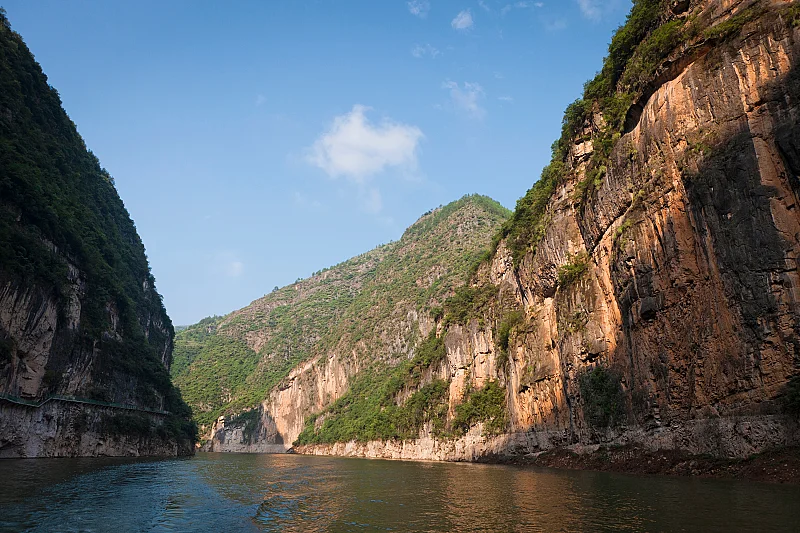
Less famous than the Wu or Qutang gorges further west, the Xiling Gorge still packs sheer cliffs and impressive river bends. Many Chongqing-to-Yichang cruises pass through here at daybreak, which is the most photogenic time of day.
Downtown and the upgraded riverfront
The neighborhood around Yiling Square and the riverbanks forms the modern urban core, featuring sleek high-rises and open plazas. In the evenings, locals gather here to walk, dance, or catch a breeze off the water.
We found that taking an evening stroll along the Yangtze away from the tour groups gives you a much truer feel for the city than any packaged attraction.
Where to eat and drink in Yichang?
Local Hubei cuisine relies heavily on fresh river fish, as you would expect next to the Yangtze. Steamed fish with chili peppers and hot dry noodles (re gan mian) for breakfast rank among the absolute must-tries, best sampled at small neighborhood spots rather than tourist restaurants.
- The night market near downtown for grilled skewers and spicy soups
- Noodle shops opening at dawn for an authentic local breakfast
Where to stay in Yichang and nearby?
Downtown, particularly around Xiling and the railway station, holds most of the international hotels and comfortable Chinese chains, making it convenient for a night before or after a cruise. If you are heading straight to the dam, simpler accommodations near Sandouping can save you some driving time.
How to get to Yichang?
Yichang Sanxia Airport (code YIH) handles domestic flights from major Chinese cities, with international connections usually routing through Beijing, Shanghai, or Guangzhou. There are no direct flights from North America or Europe, so plan on at least one layover and a total travel time of 14 to 18 hours.
The city is also connected by high-speed rail to Wuhan (about two hours away) and Chongqing, often the easiest and cheapest option if you are already traveling within China.
How to get around Yichang?
City buses cover most of Yichang, though route maps and stop announcements are almost exclusively in Chinese. Ride-hailing apps like Didi work well and are the simplest choice for visitors who have a local SIM card or stable internet access.
When to go?
Spring (April to May) and autumn (September to October) bring the best weather, featuring mild temperatures and clear views of the gorges. Skip the heavy summer heat of July and August, when the humidity makes being outside a challenge.