Saudi Arabia, the Giant Stepping Out of the Shadows
The red sand of AlUla crunches underfoot. In front of you, Nabataean tombs carved into the rock two thousand years ago, every bit as majestic as those at Petra, but without the crowds.
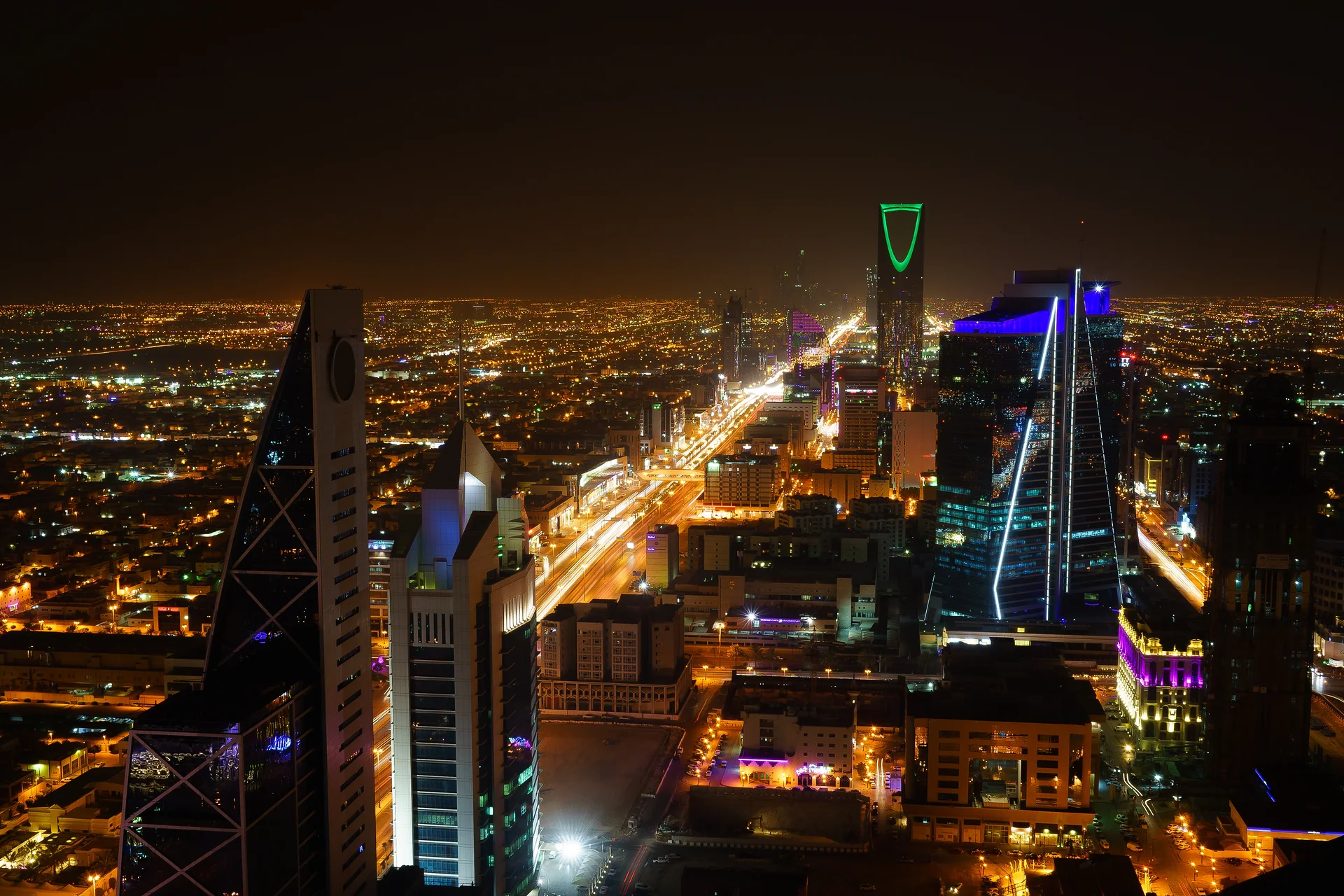
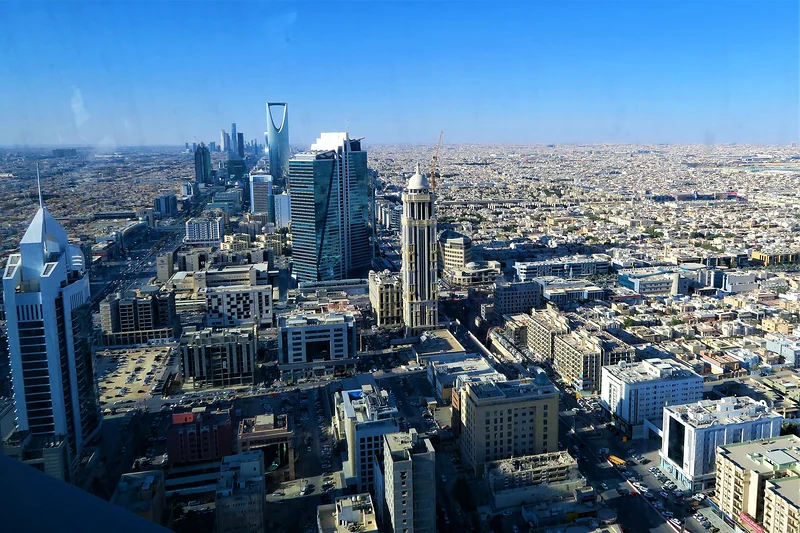
Welcome to Saudi Arabia, a country roughly one-third the size of the contiguous United States that began opening its doors to tourists in 2019. Here, the futuristic skyscrapers of Riyadh stand alongside ancient oases, the unspoiled coral reefs of the Red Sea rival the Maldives, and local hospitality will surprise you with its generosity.
A Kingdom That Isn't for Everyone
This country fascinates as much as it raises questions. If you dream of archaeological sites untouched by mass tourism, dives in crystal-clear waters that are still pristine, or spectacular desert roads, Saudi Arabia delivers. Travelers who love adventure, road trips and authentic contact with local people will find an exceptional playground here.
Saudis show a warm curiosity toward foreign visitors and practice genuine hospitality, with Arabic coffee and dates offered spontaneously.
That said, this trip is not for everyone. Alcohol is strictly banned across the country, including in international hotels. Public displays of affection are prohibited. LGBTQ+ travelers should know that homosexuality is severely punished.
The country remains conservative despite recent reforms, and tourist infrastructure is still limited outside the major cities. If you want a party destination, or you handle extreme heat badly, skip this one.
Can Women Travel Alone in Saudi Arabia?
Yes. Since 2019, women no longer need a male guardian to travel in the country. The black abaya is no longer mandatory for foreign tourists. Modest dress is still expected, though: shoulders and knees covered, clothing not too fitted.
In major cities like Jeddah or in AlUla, habits are changing fast. Solo female travelers generally report positive experiences, marked by respect and curiosity from locals rather than harassment. For religious sites such as mosques open to visitors, you will need a headscarf.
Mecca and Medina: Closed to Non-Muslims
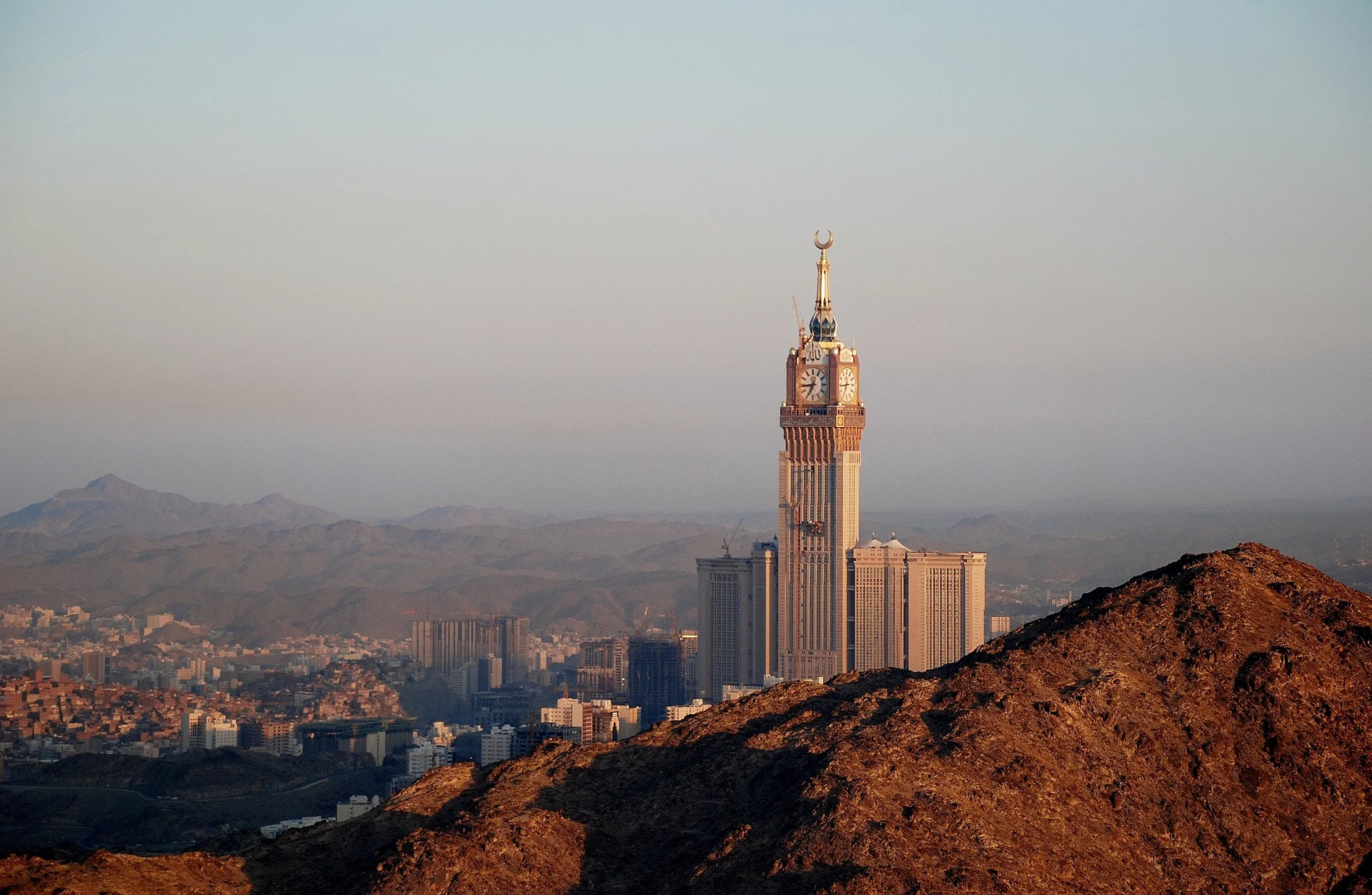
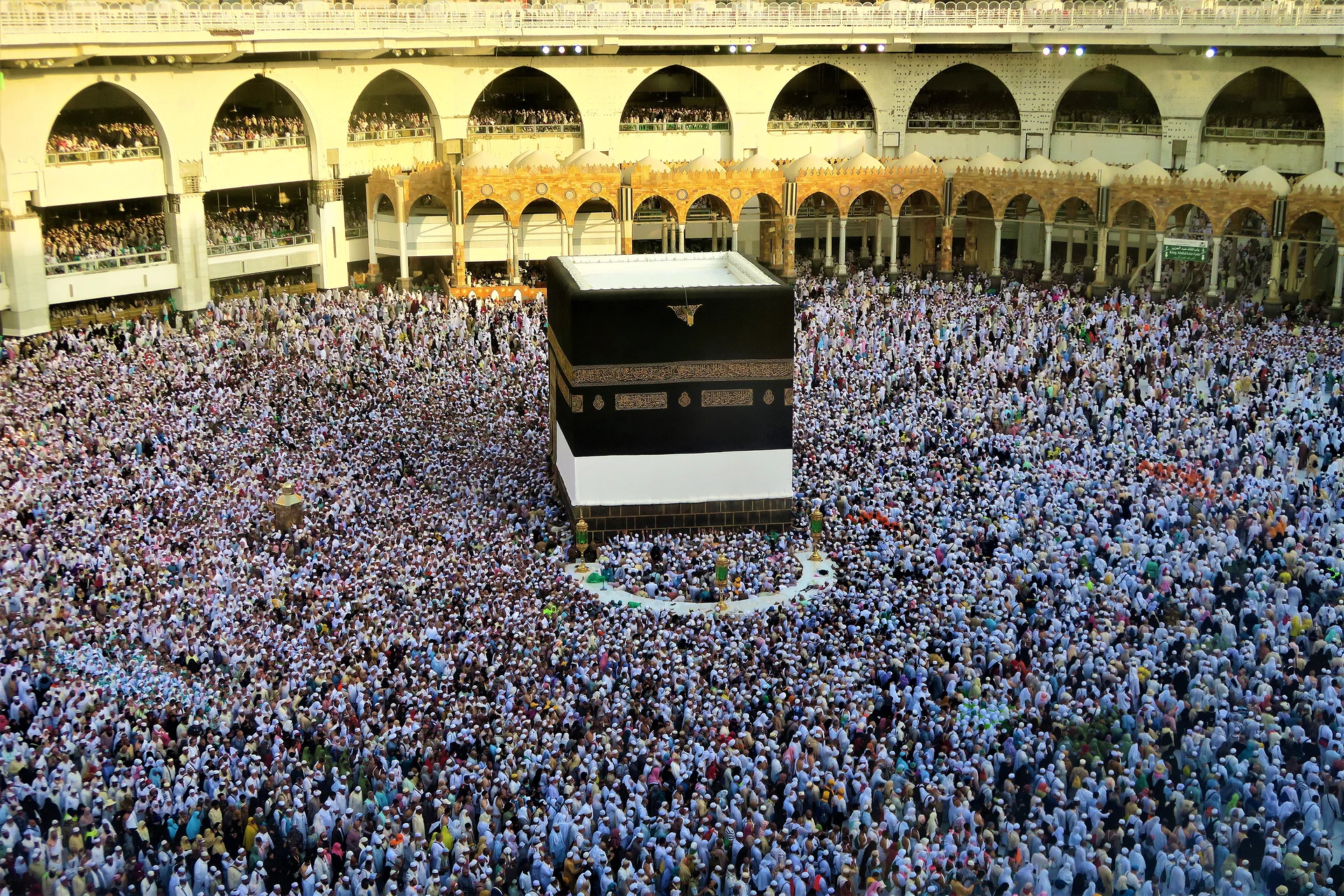
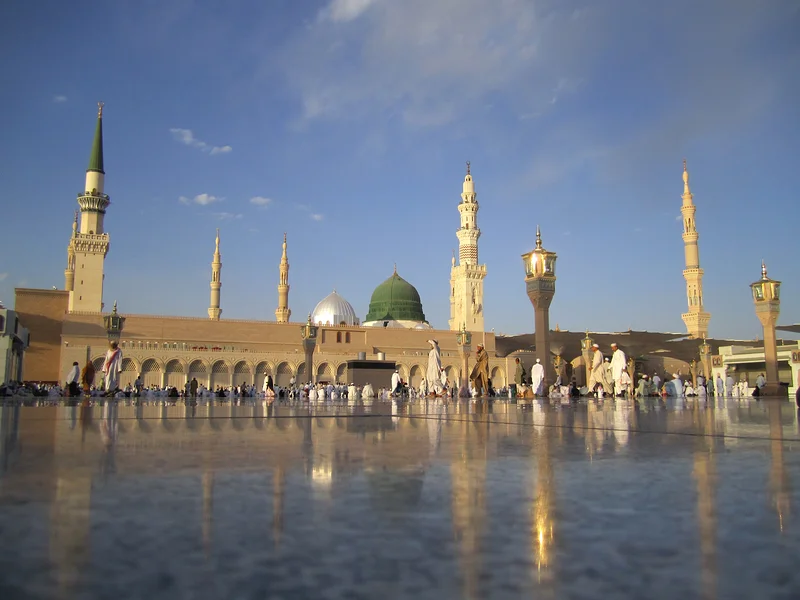
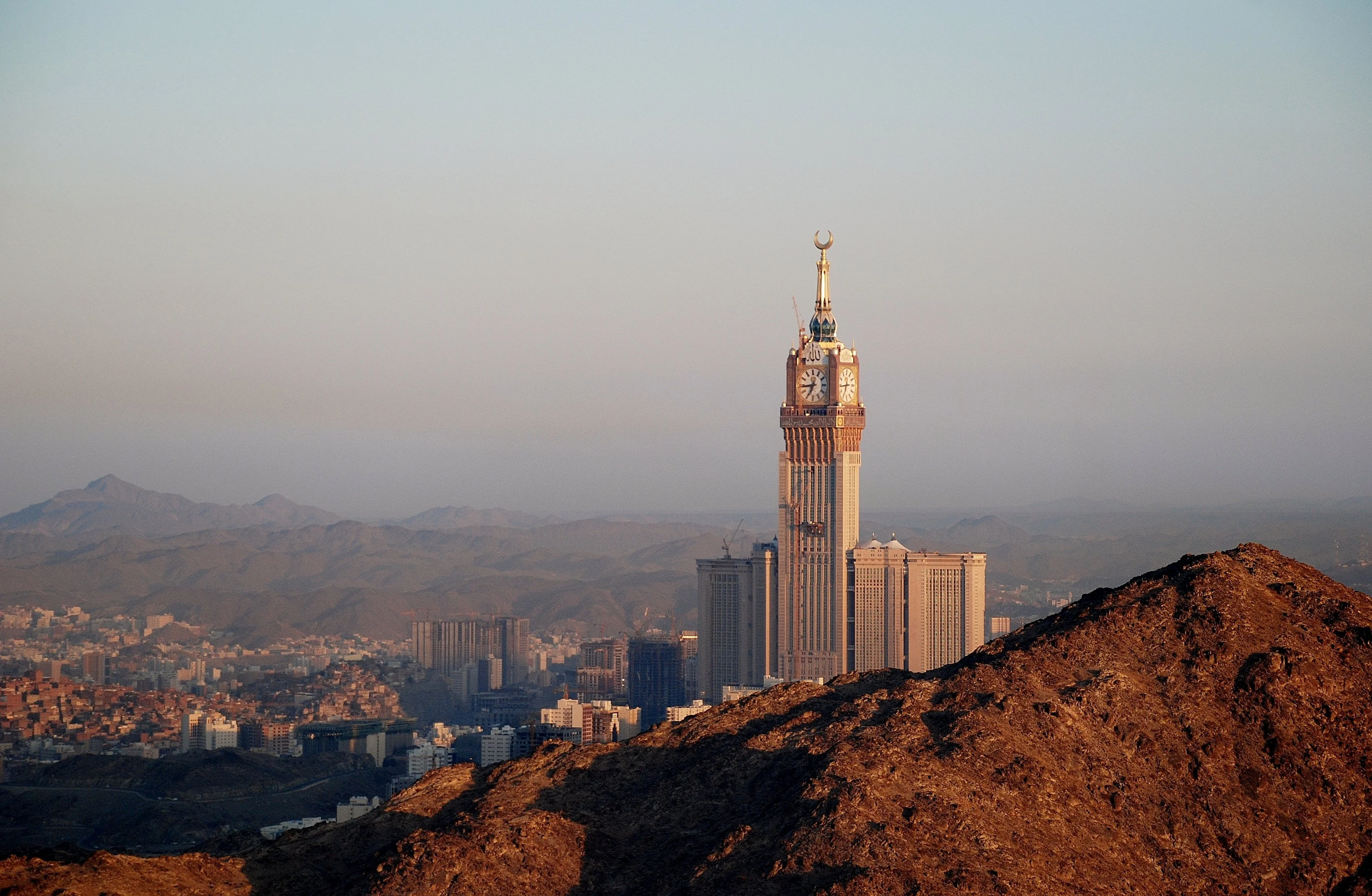
This one is non-negotiable. Mecca and Medina, the two holy cities of Islam, remain strictly off-limits to non-Muslims. Checks are carried out at the entrances to both cities. Plan your itinerary accordingly.
A Budget You Should Take Seriously
Saudi Arabia is not a cheap destination. Plan on $57 to $90* per day for a moderate-budget traveler: a decent hotel between $45 and $113* a night, local meals for $3.40 to $12*, site admissions between $5.70 and $29*. The e-visa costs about $135* and includes basic insurance. Distances often call for domestic flights or a rental car, which pushes the bill up.
Archaeological Treasures That Rival Petra
AlUla is the country's tourism jewel. This valley in the northwest is home to Hegra, Saudi Arabia's first UNESCO World Heritage site. More than 110 monumental tombs carved into sandstone by the Nabataeans in the first century AD stand in the desert. The same craftsmen built Petra in Jordan, but Hegra receives only a tiny fraction of the visitors. The facades, decorated with columns and funerary friezes, tell the story of a trading civilization that controlled the incense routes.
Hegra can only be visited on an organized tour, by air-conditioned bus or in a vintage Land Rover for a more immersive experience. Tours start at 95 SAR. Hot-air balloons floating over the site at sunrise make for a memorable but pricey show. Beyond Hegra, AlUla also offers the abandoned mudbrick old town, Elephant Rock, a rock formation shaped like a giant pachyderm, and Jabal Ikmah, an open-air library covered in thousands of ancient inscriptions.
Friendly tip: book your visits on the official Experience AlUla website several weeks ahead, especially between December and March. Time slots go fast.
Diriyah and the Cradle of the Kingdom
On the edge of Riyadh, the At-Turaif district in Diriyah bears witness to the birth of modern Saudi Arabia. This UNESCO site features the restored ruins of the first Saudi capital, with its palaces and mosques built of mudbrick. The area is the focus of a vast redevelopment project and now hosts upscale restaurants and cultural spaces on the Bujairi terrace.
The Red Sea Coast, the Middle East's Best-Kept Secret
Forget Sharm el-Sheikh and its crowds. The Saudi Red Sea coast remains largely unspoiled, with healthy coral reefs and underwater visibility that can reach 40 meters. Umluj, nicknamed the "Maldives of Arabia," offers an archipelago of more than 100 islands with turquoise water and white sand. Divers and snorkelers find more than 300 species of coral and 1,200 species of fish, some of them endemic to the Red Sea.
Facilities are basic compared with established beach destinations. That is exactly the appeal. Tourist ferries are banned in the Red Sea Project zone, leaving the beaches in total calm. Boat trips to islands like Jabal Hassan let you swim with turtles and spot dugongs and sometimes dolphins. Experienced divers will enjoy the wrecks and drop-offs near Al Wajh.
Yanbu and Jeddah have established dive centers for those who prefer more structured outings. The Jeddah Corniche makes a pleasant evening walk once the heat drops.
Jeddah, the Gateway to the Sea
More cosmopolitan and relaxed than Riyadh, Jeddah wins people over with a less rigid atmosphere. The historic Al-Balad district deserves half a day of wandering. Its coral-stone houses with carved wooden balconies, called "mashrabiyas," form a photogenic maze listed by UNESCO. Spice and fabric merchants carry on a trading tradition centuries old.
The modern city lines up skyscrapers, air-conditioned malls and restaurants from every cuisine. This is where dress rules are most relaxed. Saudi women enjoy relatively more freedom here than in the rest of the country. The newly developed waterfront lets you catch the sea breeze at the end of the day.
The Desert and Its Dizzying Cliffs
An hour's drive from Riyadh, Jebel Fihrayn, known as the "Edge of the World," delivers a striking panorama. This 300-meter cliff overlooks a canyon that stretches as far as the eye can see, a remnant of an ancient seabed. Access requires a 4x4 and ideally a local guide. The sunset here takes on unreal hues.
The Rub al-Khali, the "Empty Quarter," is the largest continuous expanse of sand in the world. Its red and orange dunes stretch for hundreds of kilometers. A few camps offer nights under the stars in the Bedouin tradition. The experience is rustic but memorable for anyone willing to accept total isolation.
In the south, the Asir region and its green mountains contrast with the country's desert image. Abha and Taif offer mild temperatures even in summer, colorful hilltop villages and surprising vegetation. Wild baboons sometimes cross paths with visitors.
Saudi Arabia on the Plate: Generosity and Spice
Kabsa rules Saudi tables. This national dish pairs long-grain rice scented with cardamom, cinnamon, cumin and black lime, topped with slow-cooked meat. Chicken or lamb, the portions are generous and served on big platters meant for sharing. In traditional restaurants, you eat seated on floor cushions, with your right hand. Saudis are among the world's biggest chicken consumers, and kabsa explains part of that statistic.
Mandi, kabsa's Yemeni cousin, stands out for its slow cooking in an underground oven that gives the meat incomparable tenderness. Mezze often accompany meals: hummus, falafel, stuffed grape leaves. Dates, everywhere, come in dozens of varieties. Arabic coffee, spiced with cardamom and served in small handleless cups, punctuates every gathering. Turning it down would be rude.
On a tight budget, casual restaurants serve plates of rice and chicken for 8 to 15 SAR, or $2.20 to $4*. Street food exists but is less developed than elsewhere in the Middle East.
When to Go to Saudi Arabia
The ideal window runs from November to March. Temperatures hover between 20 and 28°C (68 to 82°F) in most regions, making exploring comfortable. Nights can be chilly in the desert, so pack a jacket. This is also peak tourist season, with cultural events like Winter at Tantora in AlUla and the Riyadh festivals.
Summer, from May to September, brings crushing heat that regularly tops 45°C (113°F). Only the mountainous southwest, around places like Abha, stays bearable. Ramadan, whose dates shift every year, complicates travel: restaurants close during the day and the rhythm of life flips. Unless you want to experience that spiritual side of the country, avoid it.
How to Get to Saudi Arabia
From the US, there is no real need to hunt for a European gateway: the usual routes run through Gulf or European hubs, and I can't verify nonstop service from North America. What I can say is that Saudia, the national carrier, flies nonstop from Paris to Riyadh and Jeddah, in about 6 hours, and that Air France also serves these cities. Gulf carriers like Emirates, Qatar Airways and Etihad offer connections through their respective hubs, often at competitive prices. In winter, a direct flight links Paris to AlUla.
Expect to pay between $450 and $900* round trip, depending on the season and how far ahead you book. Low-cost carriers like Wizz Air serve Jeddah and Riyadh from certain European cities, but reliability sometimes leaves something to be desired.
The e-visa is available online through the official Visit Saudi website in a few days. It costs about $135*, includes insurance and allows multiple entries over one year, with a maximum stay of 90 days. Entry rules depend on nationality, so check what applies to your passport before booking.
How to Get Around Saudi Arabia
The huge distances make domestic flights the way to link the major regions. Saudia, Flynas and Flyadeal cover the country at reasonable fares. Riyadh to AlUla takes 1.5 hours by air versus 12 hours by road.
A rental car gives you the freedom to explore at your own pace. The main roads are excellent and well signed. Fuel costs a fraction of the European price. Budget, Lumi and the international agencies operate at the airports. A heads-up: mileage is often capped in rental contracts, so negotiate before you sign. Saudi driving can surprise you with its boldness.
SAPTCO buses link the major cities at low cost, and you can book online. The rail network is still embryonic. In cities, Careem and Uber work perfectly and spare you the fare haggling with traditional taxis. Urban public transit is improving: the Riyadh metro, which opened in late 2024, is gradually bringing its lines into service.